
Ariana Grande’s First Tour in Six Years Could Become One of 2026’s Biggest Pop Comebacks
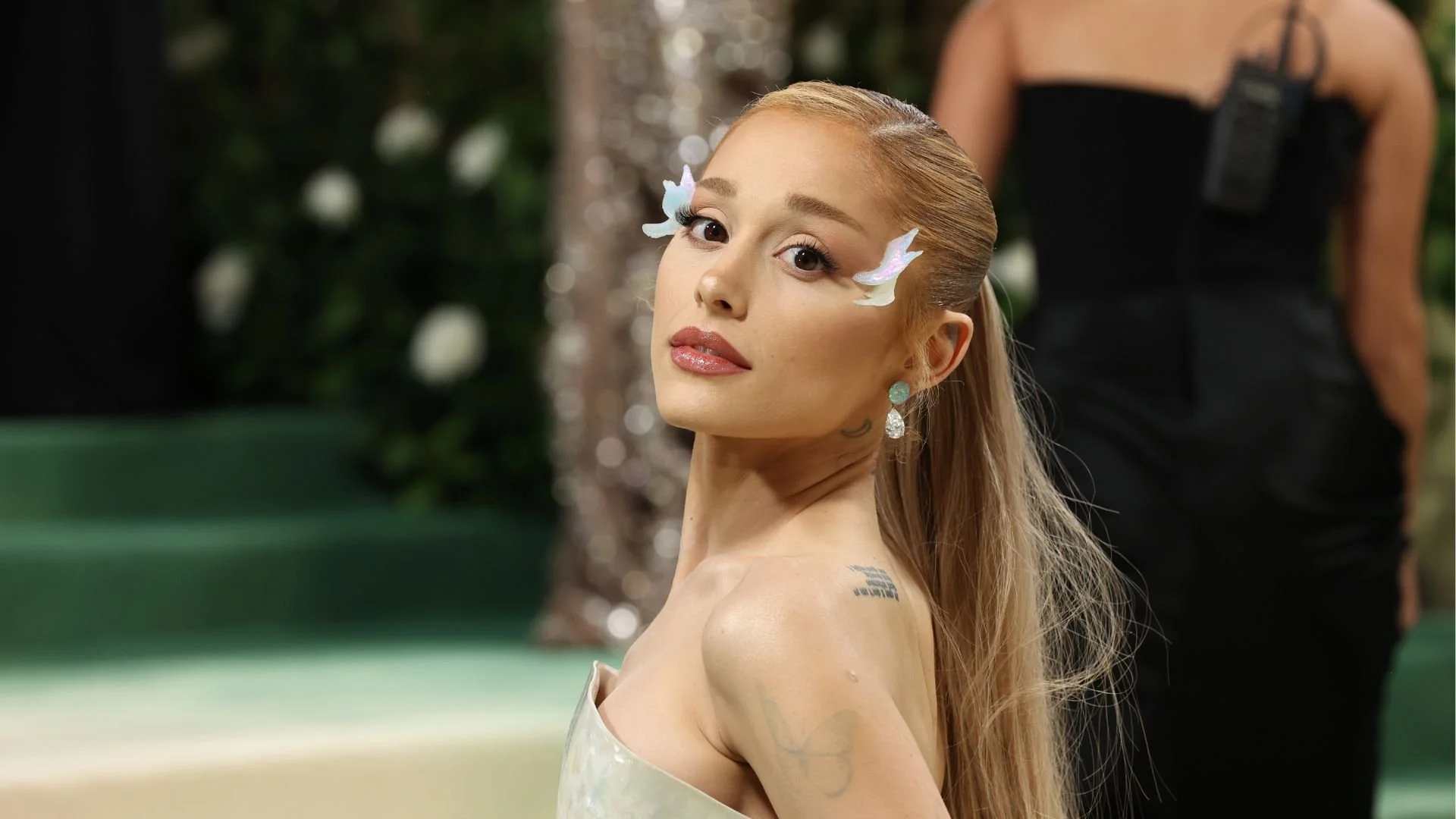
Ariana Grande’s return to touring in 2026 is not just another pop announcement. It feels like the reopening of a carefully locked room. After years of selective public appearances, film commitments, private recalibration, and a slower musical release rhythm, Grande is finally preparing to step back into the arena circuit with The Eternal Sunshine Tour, her first major live run in more than six years. The tour is scheduled to begin on June 6, 2026, in Oakland, California, before moving through major North American cities and ending with shows at London’s O2 Arena.
That alone makes the tour a major pop event. But what makes it more interesting is the timing. Grande is not returning as the same artist who last toured behind Sweetener and Thank U, Next in 2019. She is returning after a long transitional era: the pandemic-era intimacy of Positions, the emotional sophistication of Eternal Sunshine, and her high-profile move into cinema through Wicked. In other words, this comeback is not being built purely on nostalgia. It is being built on absence, reinvention, and renewed curiosity.
For many artists, six years away from touring would be dangerous. Pop music is notoriously impatient. Algorithms favour constant visibility, fanbases fragment quickly, and younger stars arrive with terrifying speed. Yet Ariana Grande’s absence has arguably made her return more valuable. She did not disappear because the public stopped caring. She withdrew while remaining culturally luminous. That difference is crucial. The demand did not evaporate; it accumulated.
The announcement of The Eternal Sunshine Tour immediately signalled that Grande still operates in a rare tier of pop stardom. According to Live Nation’s listed dates, the tour includes multiple nights in cities such as Oakland, Boston, Montreal, Chicago, and London, suggesting not only demand, but concentrated demand in key markets. Rather than launching a sprawling global marathon, Grande appears to be returning with a more curated itinerary, one that feels intentional instead of overextended.
That restraint may become one of the tour’s greatest strengths. In the current live music economy, scarcity creates heat. When an artist does not tour constantly, every date feels heavier. Fans are not simply buying a concert ticket; they are buying entry into a long-awaited reappearance. Grande’s 2026 shows will likely carry the emotional weight of a reunion, especially for listeners who grew up with her voice as a soundtrack to heartbreak, softness, confidence, and self-repair.
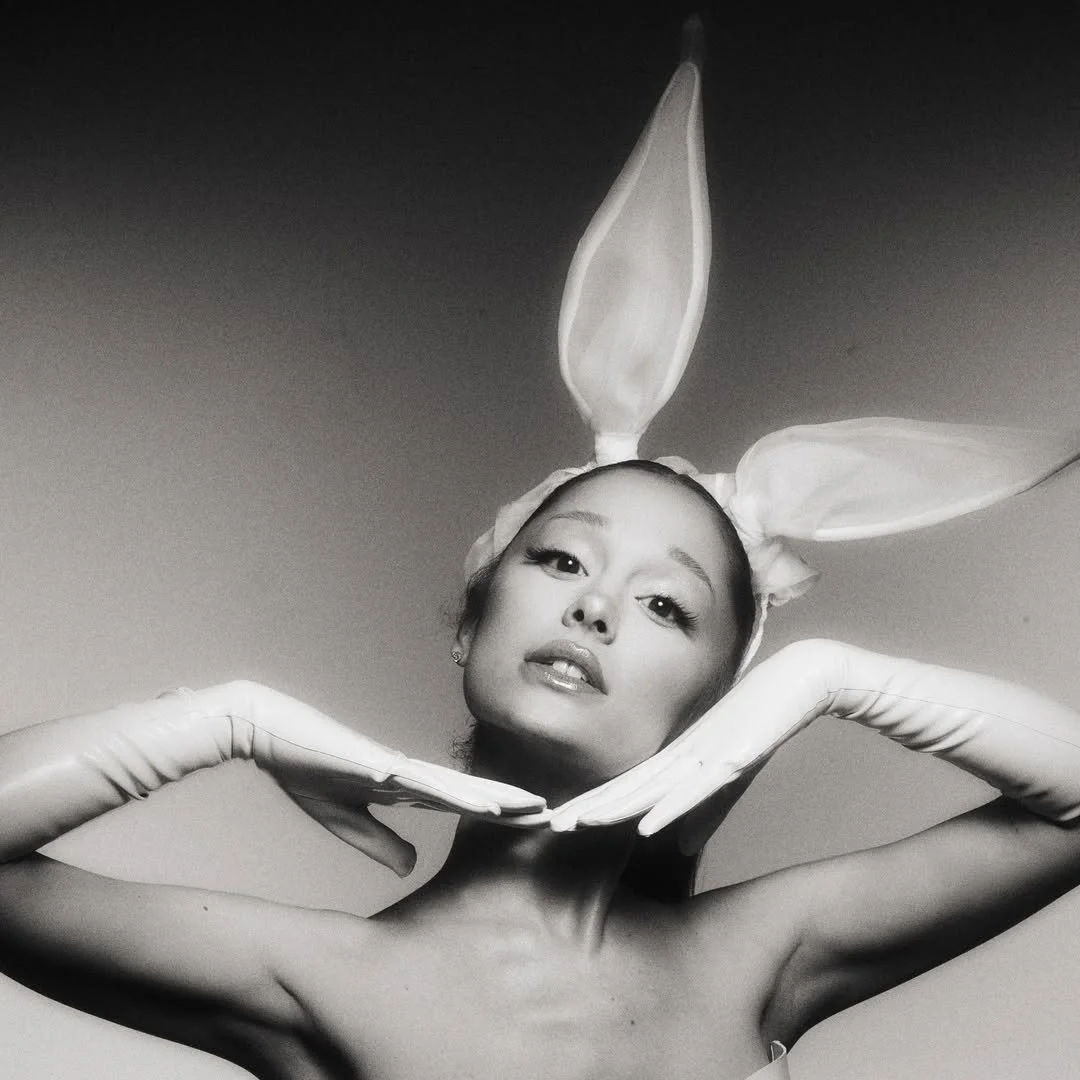

The Eternal Sunshine era also gives the tour a strong creative spine. Released in 2024, the album presented Grande at her most emotionally controlled and vocally elegant, exploring memory, romantic disillusionment, self-erasure, healing, and the strange aftertaste of public scrutiny. It was not merely a collection of radio-ready pop songs. It felt more like a velvet-lined diary: sleek on the surface, bruised underneath. That makes it ideal for a stage show that can blend spectacle with psychological intimacy.
Ariana Grande’s greatest live weapon has always been her voice. In a pop landscape often dominated by choreography, visual branding, and viral snippets, Grande remains one of the few mainstream stars whose vocal ability can still function as the central attraction. Her whistle notes, agile runs, stacked harmonies, and theatrical phrasing are not decorative accessories. They are part of her mythology. After six years away from full-scale touring, the question is not whether fans want to hear the songs. It is whether they are ready to hear how her voice has changed, deepened, and matured.
There is also the Wicked factor. Grande’s role as Glinda reintroduced her to audiences through a different artistic lens, positioning her not only as a pop singer but as a performer with Broadway-rooted precision and cinematic ambition. Pitchfork noted that her post-2019 period included Positions, Eternal Sunshine, the deluxe Brighter Days Ahead edition, and her acclaimed Wicked work. That context matters because the 2026 tour could become a bridge between Ariana the pop vocalist and Ariana the theatrical performer.
Visually, the possibilities are enormous. A smart Eternal Sunshine tour would not need to rely only on maximalist pop-show excess. It could lean into soft surrealism, dreamlike lighting, retro-futurist staging, memory-room concepts, cinematic transitions, and emotional colour palettes. Grande’s best recent work has existed in that liminal space between glamour and grief. If translated properly, the tour could feel less like a standard arena show and more like a moving chamber of recollection.
Commercially, the comeback has the ingredients to become one of 2026’s defining pop tours. The market is ready for major female pop spectacles, and Grande’s return arrives with the advantage of pent-up demand. She has not oversaturated the touring circuit. She has not drained the mystery from her live presence. Instead, she has allowed anticipation to become part of the product.
But perhaps the deeper reason this tour feels important is because it reflects a new version of pop longevity. Grande no longer needs to prove she can dominate a streaming cycle. She has already done that. What she needs to prove now is more delicate: that she can return on her own terms, without sounding trapped by the Ariana Grande of 2019. The real comeback is not the tour itself. It is the possibility of seeing a global superstar step back into her power with more control, more taste, and more emotional architecture.
That is why The Eternal Sunshine Tour could become one of 2026’s biggest pop comebacks. It has the scale of a blockbuster, the intimacy of a confession, and the intrigue of an artist re-entering the spotlight after letting the world miss her properly. Ariana Grande is not simply going back on the road. She is returning to the stage as a different kind of pop figure: older, quieter, more cinematic, and perhaps more compelling than ever.
Enjoyed the read? Consider showing your support by leaving a tip for the writer
Featured



Follow Us







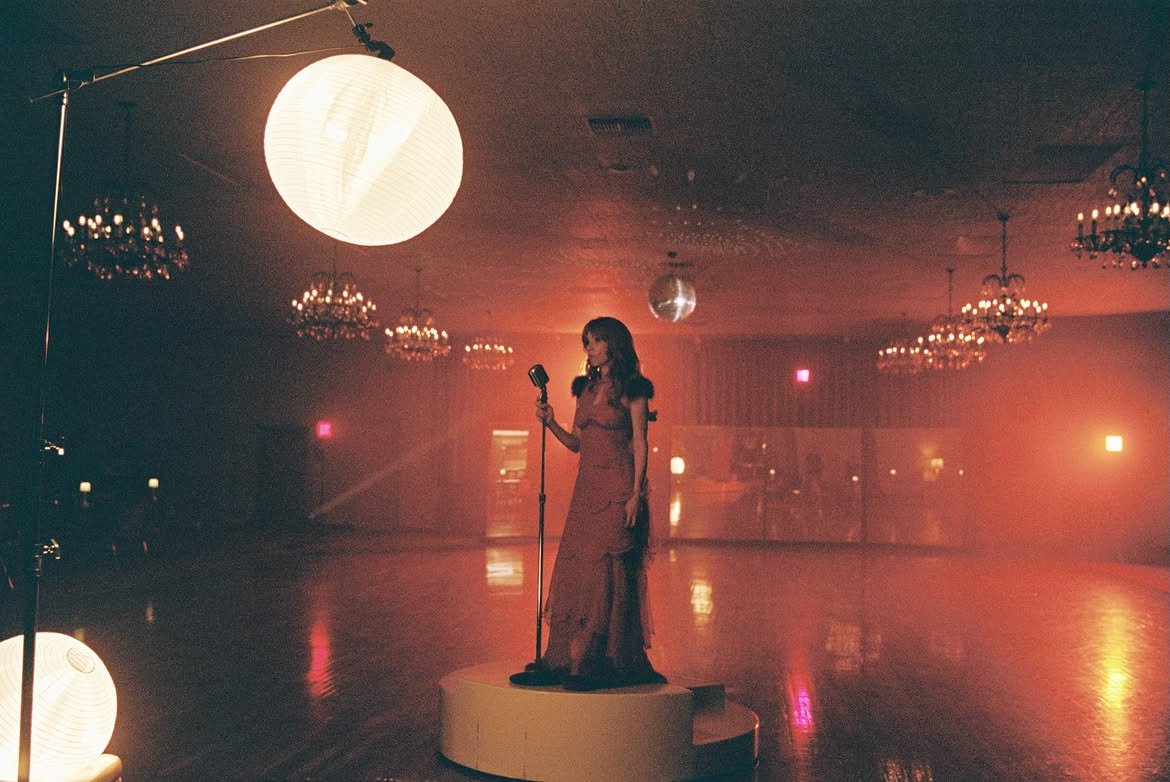
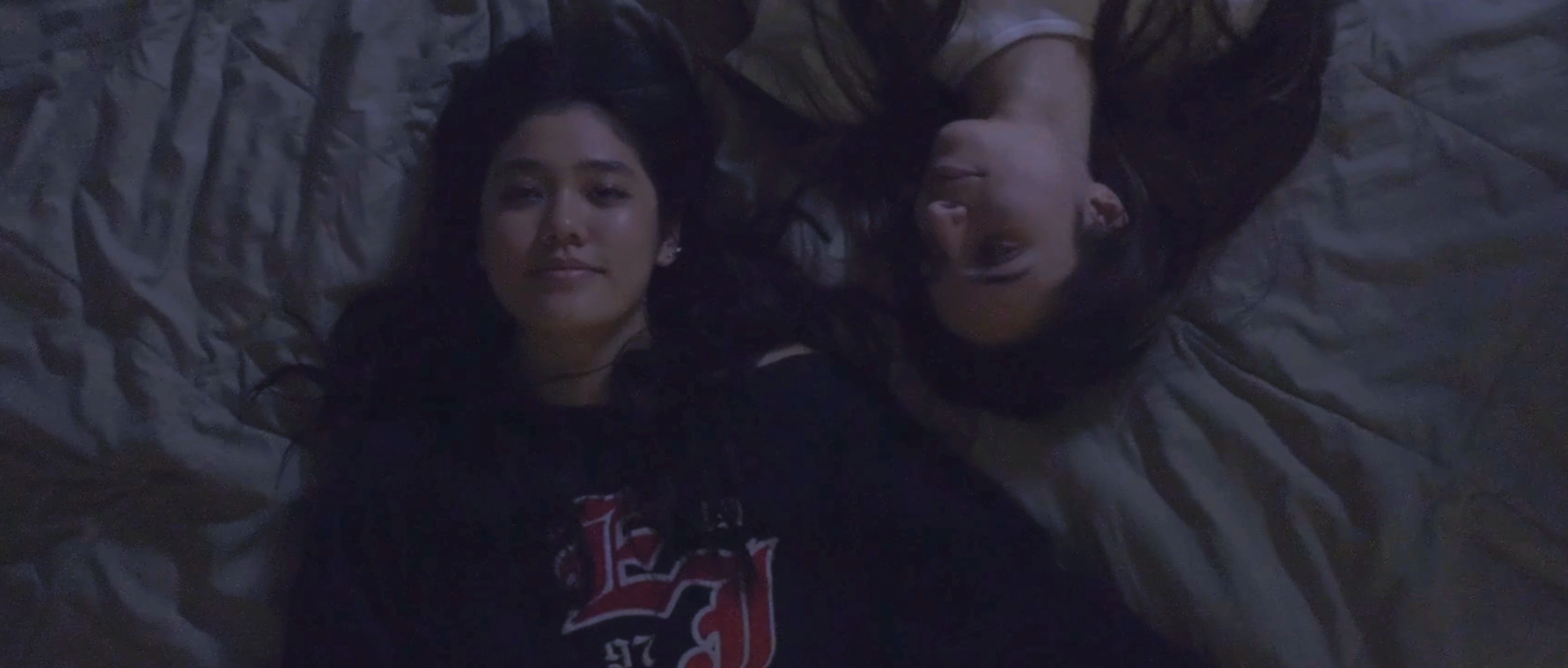



Laeky’s “caller waiting” is built from emotional exposure, but its production refuses to collapse into fragility. The Australian artist threads syncopated acoustic guitar riffs through understated indie-pop drums, subtle bass, and soft synth textures, creating a frame that feels both restless and suspended. Her sultry, yearning vocal…