
Drake AI Rumours Spread After Triple-Album Drop Sparks New Questions
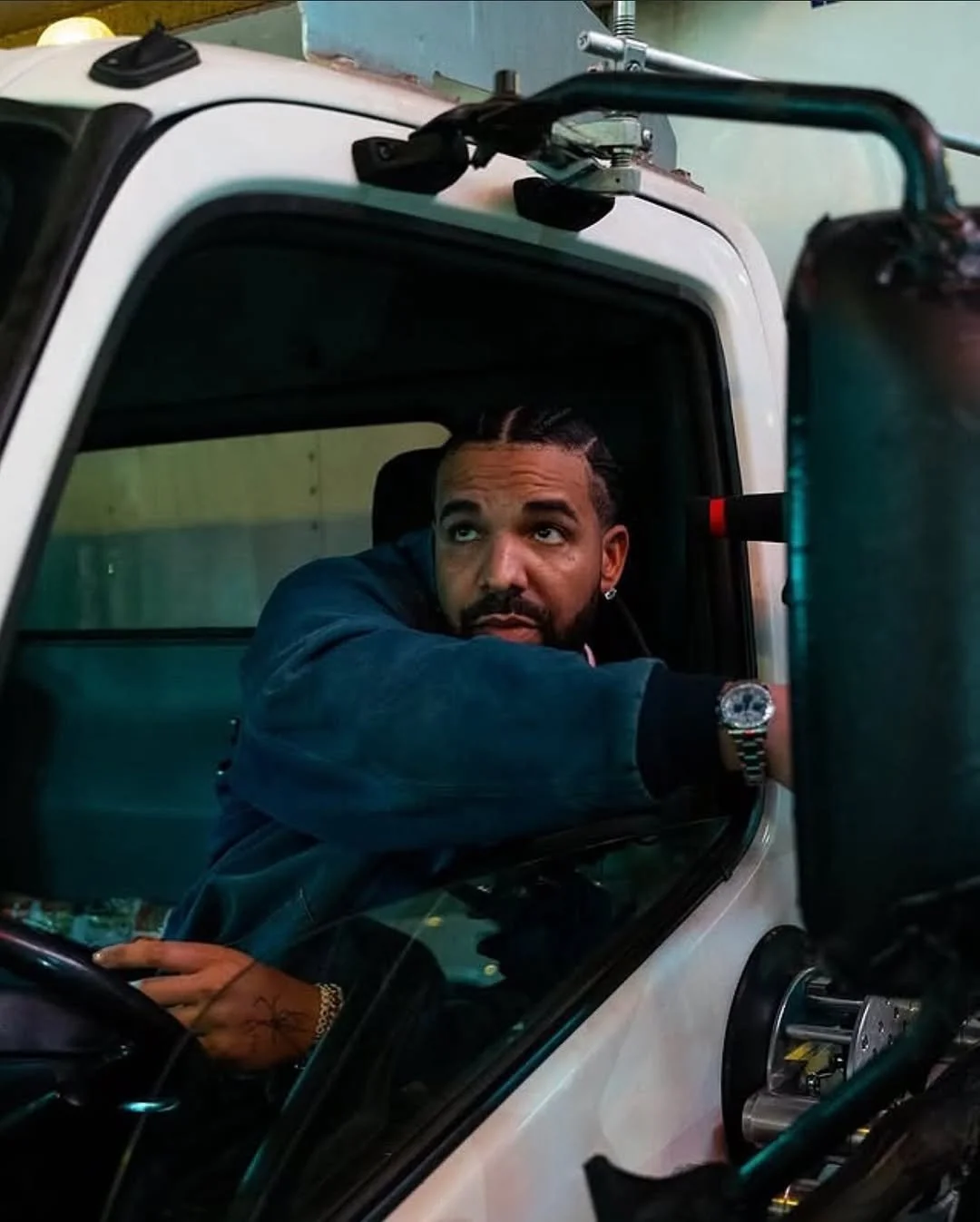
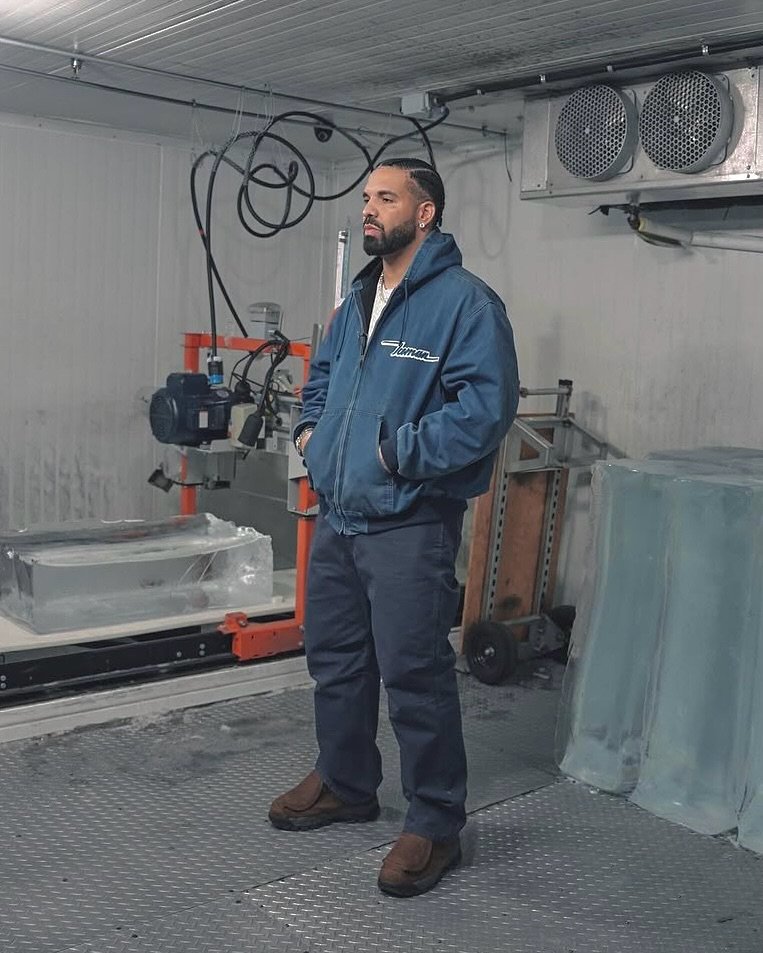
Drake’s 2026 triple-album release has become one of the strangest flashpoints in modern hip-hop. After dropping three projects — Iceman, Habibti, and Maid of Honour — the Toronto superstar once again proved that he can dominate attention through sheer volume, timing, and spectacle. But alongside the streaming numbers and fan debates, a more volatile rumour has started spreading online: did Drake use artificial intelligence not only to help write music, but to perform parts of it in his place? At this stage, that claim remains unverified. No official representative for Drake has confirmed that AI was used to write or perform the albums, and no reliable public evidence has proven that artificial intelligence replaced his voice. Still, the rumour has gained traction because it sits at the intersection of three combustible topics: Drake’s unusually prolific output, the rise of AI voice technology, and hip-hop’s deep obsession with authenticity.
The latest wave of speculation appears to have intensified after online users claimed that a producer named Kafi posted, then deleted, a TikTok video - under the account kiji01 - alleging that Drake had used AI. Because the video is reportedly deleted and has not been authenticated by major outlets, the claim should be treated cautiously. In internet culture, a deleted clip can become a myth within hours. Screenshots, reposts, and second-hand summaries can travel faster than verification. That is exactly why this story is gaining momentum: it feels explosive, but it remains difficult to pin down.
What makes the rumour especially powerful is the timing of Drake’s three-album drop.
Releasing 43 songs across multiple projects would already be an enormous feat. But fans have also pointed out how many of the tracks appear to reference recent events, public feuds, cultural conversations, and online narratives. For some listeners, the speed and topicality feel almost superhuman. For others, it simply reflects Drake’s well-known ability to build music around the news cycle.
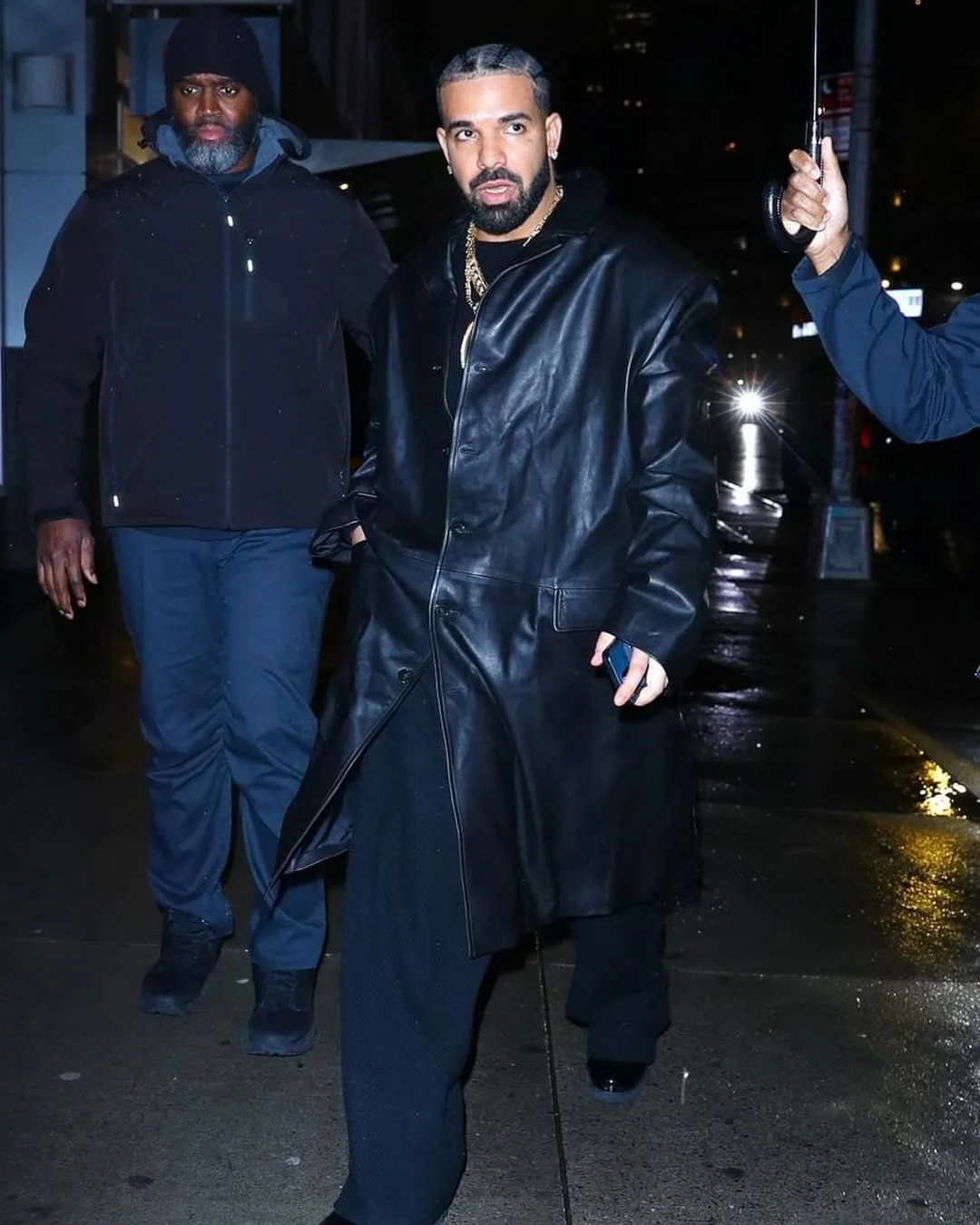
That is where the AI theory becomes seductive. In 2026, artificial intelligence can help generate lyrics, mimic vocal tones, organize ideas, create reference tracks, and accelerate production workflows. The technology has become advanced enough that casual listeners may not always know what is human, what is assisted, and what is fully synthetic. In a genre where vocal identity and authorship matter deeply, that uncertainty is dangerous. Drake is already central to the AI music debate. In 2023, the viral fake collaboration “Heart on My Sleeve” used AI-generated vocals that sounded like Drake and The Weeknd, causing a major industry uproar before being removed from streaming platforms. The controversy revealed how easily a superstar’s voice could be cloned and placed inside a song they never recorded. Since then, Drake’s voice has become one of the most recognizable targets for AI-generated leaks, fan experiments, and imitation tracks.
Then came “Taylor Made Freestyle” in 2024, when Drake himself used AI-generated voices resembling Tupac Shakur and Snoop Dogg during his battle with Kendrick Lamar. Tupac’s estate objected, and the track was removed after legal pressure. That moment complicated the conversation because Drake was no longer only a victim of AI imitation. He had also used the technology as a creative weapon inside a rap feud. That history is why the current rumours feel plausible to some fans, even without proof. Drake has already been dragged into AI controversies from multiple angles. His voice has been cloned by others. He has experimented with AI-generated voices in a public diss track. Now, after releasing a massive amount of new music that responds to recent cultural events, listeners are asking whether AI could be part of the machinery behind his output.
For hip-hop, that question is especially sensitive. Rap has always allowed collaboration, reference tracks, hooks, producers, and writing rooms, but the genre still places heavy value on vocal credibility. The rapper’s voice is not just a sound; it is identity, testimony, personality, dominance, and proof of existence. If AI can simulate that voice convincingly, the boundary between artist and product becomes dangerously porous. The Drake rumour also comes in at a time when the music industry is trying to define rules around generative AI. Labels want to protect artists from unauthorized voice cloning, but the same industry is also interested in AI’s ability to reduce costs, speed up production, and create new commercial opportunities. That contradiction makes fans suspicious. If AI can make music faster, cheaper, and more scalable, listeners naturally wonder which major artists or teams might already be experimenting behind closed doors.
Still, any responsible discussion of Drake’s alleged AI use must begin with the same sentence: the claims are not proven, yet. The TikTok allegation remains unverified. There is no confirmed evidence that Drake used AI to perform in his place, but it’s not impossible. There is no verified statement proving that AI wrote parts of his three albums. What exists is a viral theory built from timing, volume, deleted-video chatter, and the broader distrust created by AI music. Yet even if the rumour turns out to be false, it matters. It shows how fragile trust has become in the streaming era. When an artist releases too much music too quickly, some fans no longer see productivity. They see automation. That suspicion may become one of the defining issues of pop and rap in the next decade. Artists will have to prove not only that their songs are good, but that their creative presence is authentic. Credits, studio footage, behind-the-scenes documentation, live performances, and transparent production notes may become more valuable as listeners demand proof of humanity.
For Drake, the AI rumours are another chapter in a career defined by dominance, backlash, reinvention, and public interrogation. He remains one of the most streamed artists in the world, but his success now exists inside a new climate of skepticism. The more prolific he becomes, the more some fans question the machine behind the music. Whether these rumours fade or intensify, one thing is clear: Drake has become the perfect symbol for hip-hop’s AI anxiety. His voice is famous enough to clone, his output is fast enough to question, and his cultural presence is large enough to turn a deleted TikTok allegation into a full-blown internet trial. The real story may not be whether Drake used AI. The real story is that listeners are now willing to believe it is possible. In 2026, that may be the most disturbing and fascinating sign of where music is going next.
Enjoyed the read? Consider showing your support by leaving a tip for the writer
Featured




Follow Us









Wendy Bruner and Christopher Grundy construct “Toward Shalom” around warmth rather than spectacle, allowing its ideas of belonging, completeness, and social acceptance to develop inside an intentionally unvarnished frame. Written by Bruner and Monty Jackson and produced…