
Canada’s Historic World Cup Run Ends Against Morocco, But the Legacy Is Just Beginning
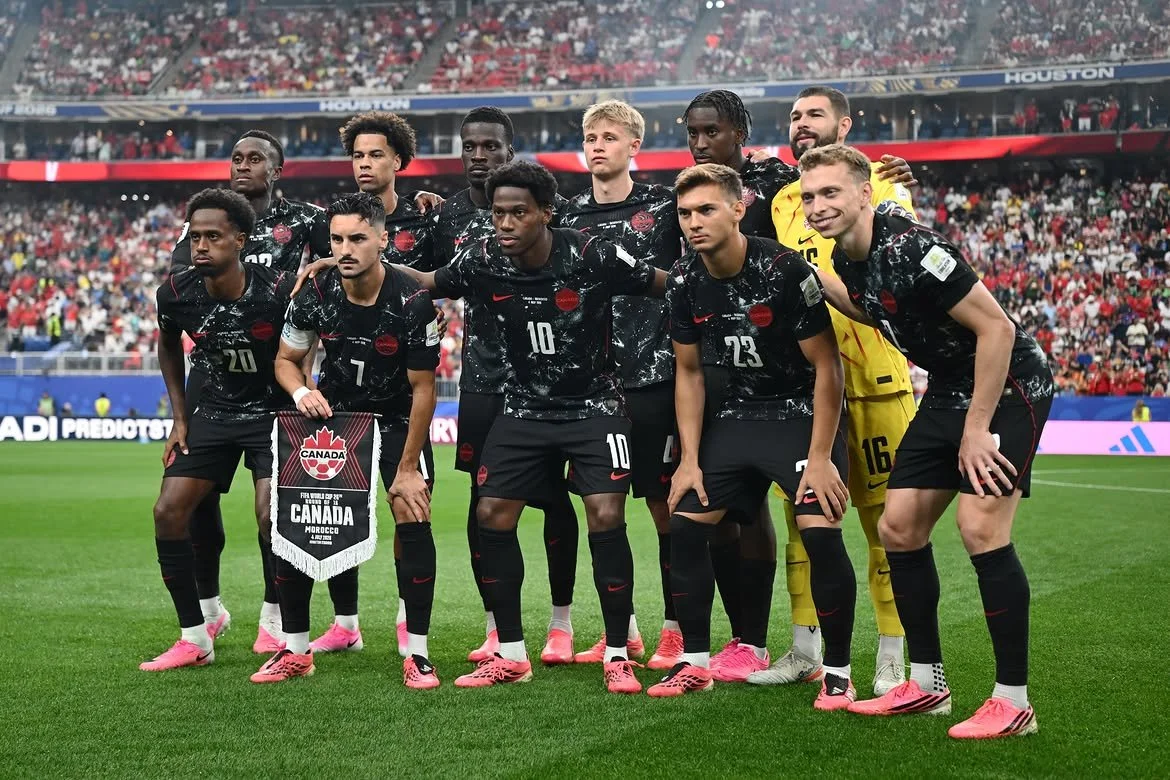


Canada’s 2026 World Cup run did not end with the fairytale finish supporters were dreaming about. It ended in Houston, with Morocco winning 3-0 and moving into the quarter-finals while Canada’s men’s national team walked off the tournament stage earlier than the country wanted. For Canadian fans, the result was painful, but the bigger picture remains powerful: this tournament proved that Canada no longer belongs on the edge of world soccer conversation. It belongs in the fight.
This was not just another “happy to be here” appearance. Canada did something more serious: it forced the sport into the national conversation with a level of belief, urgency, and visibility that has often been missing from the men’s program.
Canada’s Exit Hurts Because the Expectations Changed
For decades, Canadian men’s soccer has been framed around potential. Potential players. Potential growth. Potential fan culture. Potential investment. At this World Cup, potential finally turned into evidence.
Under Jesse Marsch, Canada delivered several firsts, including a first World Cup point, first victory, and first knockout-stage win, according to Reuters. The run came despite Alphonso Davies, Canada’s most recognizable global star, missing most of the tournament.
That detail matters. Davies is still the face of Canadian soccer internationally, but this tournament showed Canada is no longer just a one-player story. The team had structure, identity, and enough edge to make stronger soccer nations uncomfortable. That does not make the Morocco loss painless. It makes it more meaningful.
The disappointment now feels different because Canada did not exit as an anonymous participant. It exited as a team with standards.
Morocco Exposed the Gap Canada Still Has to Close
Morocco’s 3-0 win was clinical. Canada had stretches where it pushed, pressed, and tried to impose the game, but Morocco managed the match with the kind of maturity that separates tournament contenders from emerging programs. The Canadian Olympic Committee’s recap also noted that Canada entered the match ranked No. 30 in the world, while Morocco came in at No. 6.
That gap is not just about talent. It is about experience, depth, tactical patience, and the ability to survive pressure without losing control. Morocco has built a modern international identity: technical, athletic, disciplined, and comfortable in high-stakes matches. Canada is chasing that level, but the chase now looks real.
The next challenge is turning one strong tournament into a repeatable standard.
The Bigger Story Is Canada’s Soccer Infrastructure
The timing of Canada’s breakthrough is important. Canada Soccer Foundation announced that its Canada Rising campaign has surpassed $25 million in gifts and commitments, reaching a major milestone ahead of its original goal of hitting that mark by the end of 2027. The campaign is designed to support the future of soccer in Canada, from grassroots participation to international success.
That is where this World Cup story becomes bigger than one result. Canada has the emotion now. It has more casual fans paying attention. It has kids watching a national team win knockout matches instead of simply hoping to qualify. What it needs next is the machinery: better development pathways, stronger domestic clubs, elite coaching access, and sustained investment in both the men’s and women’s programs.
A tournament run can inspire a generation. Infrastructure decides whether that inspiration becomes a system.
Why This Moment Matters for Canadian Sports Culture
Canada is still a hockey country in the broad cultural sense, but soccer’s position is no longer fringe. Canada Soccer says the sport has nearly one million registered active participants across the country, making it one of the most important participation sports in Canada.
That creates a fascinating contrast. Soccer is already deeply played, but the professional and national-team culture has not always matched the grassroots scale. The 2026 World Cup may be remembered as the moment that gap started closing.
For fans, this was not only about Canada getting results. It was about seeing the country represented with personality. The team played with pace. It pressed aggressively. It showed attitude. It made supporters feel like Canada belonged in the conversation, not as a guest, but as a program with a future.
What Comes Next for Jesse Marsch and Canada?
The immediate questions will focus on Marsch, Davies, squad depth, and how Canada builds toward the next major international cycle. The bigger question is whether the Canadian soccer ecosystem can move quickly enough to meet the ambitions this team has now created.
Marsch’s job is no longer just to make Canada competitive. After this World Cup, the assignment becomes sharper: turn a breakthrough into a foundation. Canada cannot afford to treat this run like a one-off celebration. The sport has a rare opening, and those openings do not stay open forever.
The Morocco loss will sting, especially because the scoreline was heavy. But the emotional truth of this tournament is bigger than the ending. Canada left the World Cup with proof that its men’s program can win, can entertain, and can make the country care.
That is not the finish Canada wanted. It may still be the beginning Canadian soccer needed.
Enjoyed the read? Consider showing your support by leaving a tip for the writer
Featured









Follow Us

Shop

















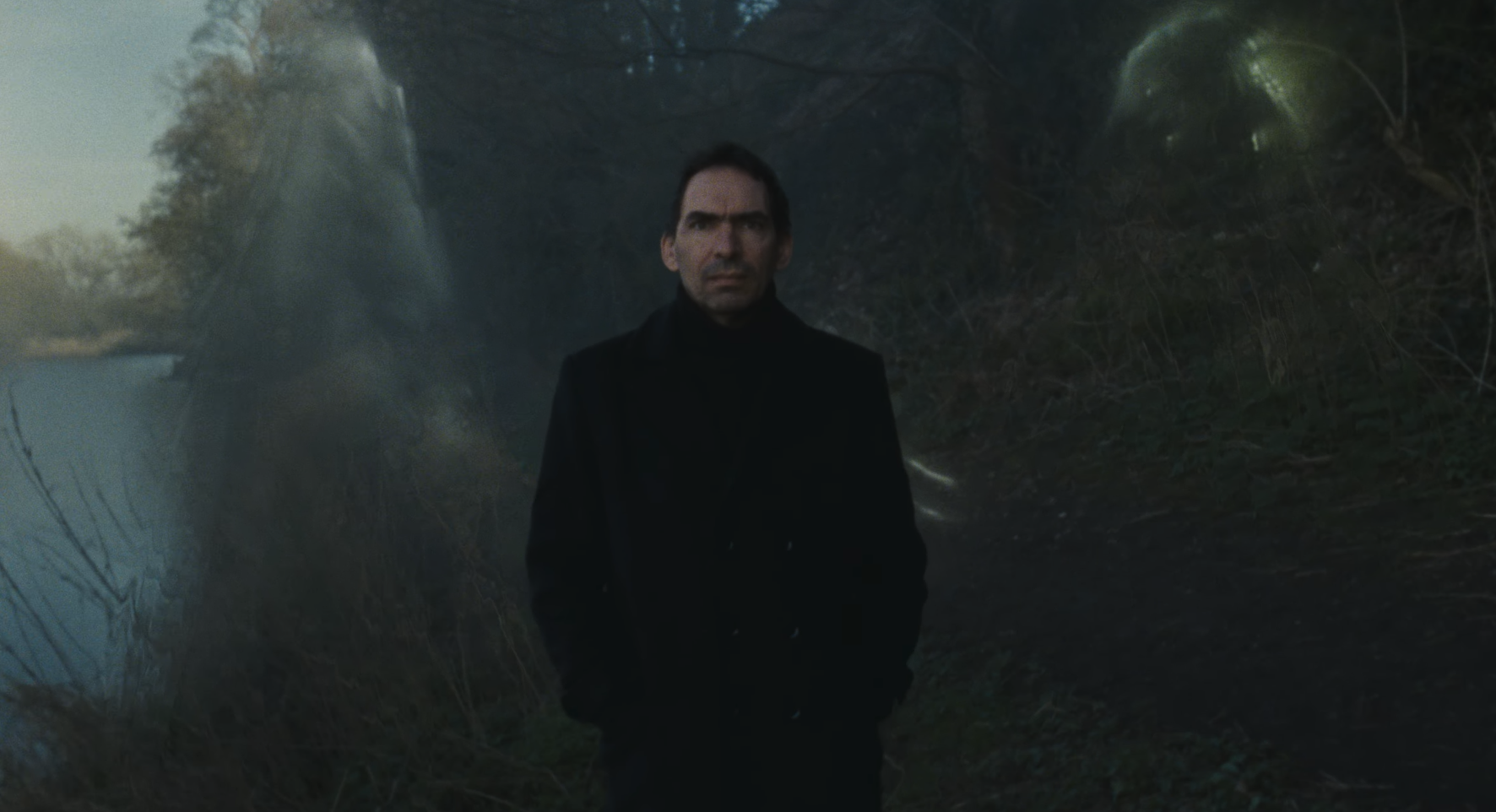
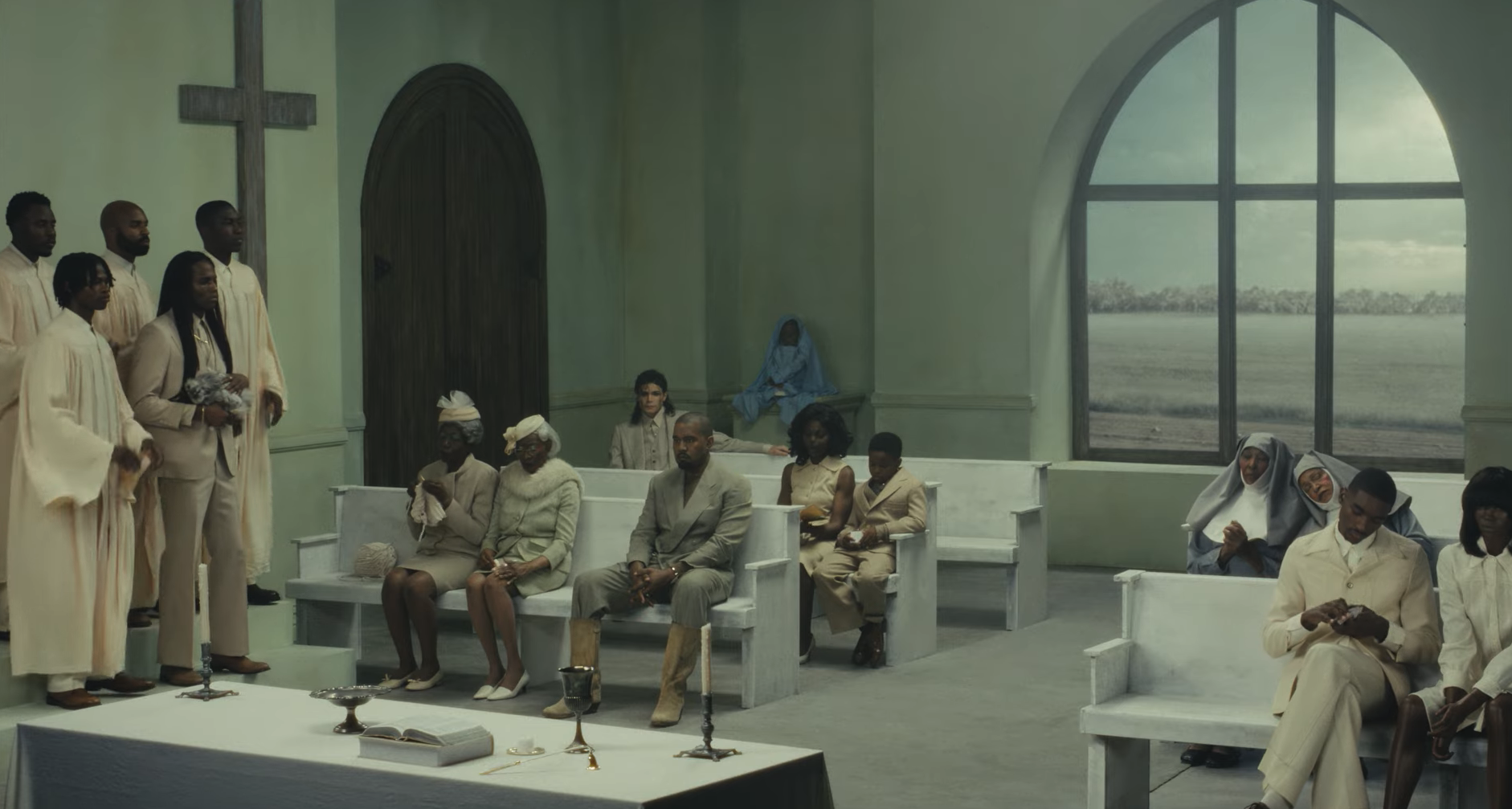




Keegan Joyce’s “Give a little grace” is built on restraint. The Australian artist shapes the track from piano notes, soft vocal harmonies, ethereal synths, atmospheric pads, and laidback indie-pop drums, creating a spacious arrangement that leaves his yearning, sultry vocal exposed at the center. Nothing feels overworked…