
BTS Winning Artist of the Year at the 2026 AMAs Confirms K-Pop’s Global Supremacy

BTS winning Artist of the Year at the 2026 American Music Awards is not just another trophy added to an already mythic collection. It is a cultural confirmation. At a fan-voted ceremony built around public demand, commercial visibility, and mass emotional investment, BTS did not merely win a category. They defeated a field stacked with some of the biggest names in contemporary music, including Taylor Swift, Bad Bunny, Sabrina Carpenter, Bruno Mars, Kendrick Lamar, Lady Gaga, Morgan Wallen, Harry Styles, and Justin Bieber.
That victory matters because the AMAs are not designed as a quiet industry seminar. They are loud, commercial, fan-facing, and deeply connected to popularity as a living force. The 2026 ceremony took place on May 25 at the MGM Grand Garden Arena in Las Vegas, hosted by Queen Latifah and broadcast on CBS and Paramount+. In that environment, BTS winning the night’s top honour felt less like a surprise and more like the music industry being forced, once again, to acknowledge a reality fans have understood for years: K-pop is not peripheral to global pop anymore. It is one of its central engines.
BTS’ win becomes even more powerful when placed against the group’s recent timeline. Their 2026 AMAs appearance marked their first award-show appearance in four years, making the moment feel like a grand re-entry rather than a routine awards-season stop. The AMAs had already framed the appearance as a major event, noting BTS’ previous American Music Awards history, including their 2021 Artist of the Year win and their 2017 U.S. television performance debut at the AMAs. That history gives the 2026 victory a circular quality. BTS did not simply return to an American stage. They returned to one of the stages that helped document their ascent, then reclaimed the top prize.
The group’s 2026 dominance was not limited to Artist of the Year. Reuters reported that BTS also won Song of the Summer for “SWIM,” while the ceremony opened with a pre-recorded BTS performance of “Hooligan” from their Arirang Tour in Las Vegas. That combination — top award, seasonal hit, and performance presence — turned BTS into one of the defining forces of the night. It was not a symbolic cameo. It was a full-scale reminder of their gravitational pull.
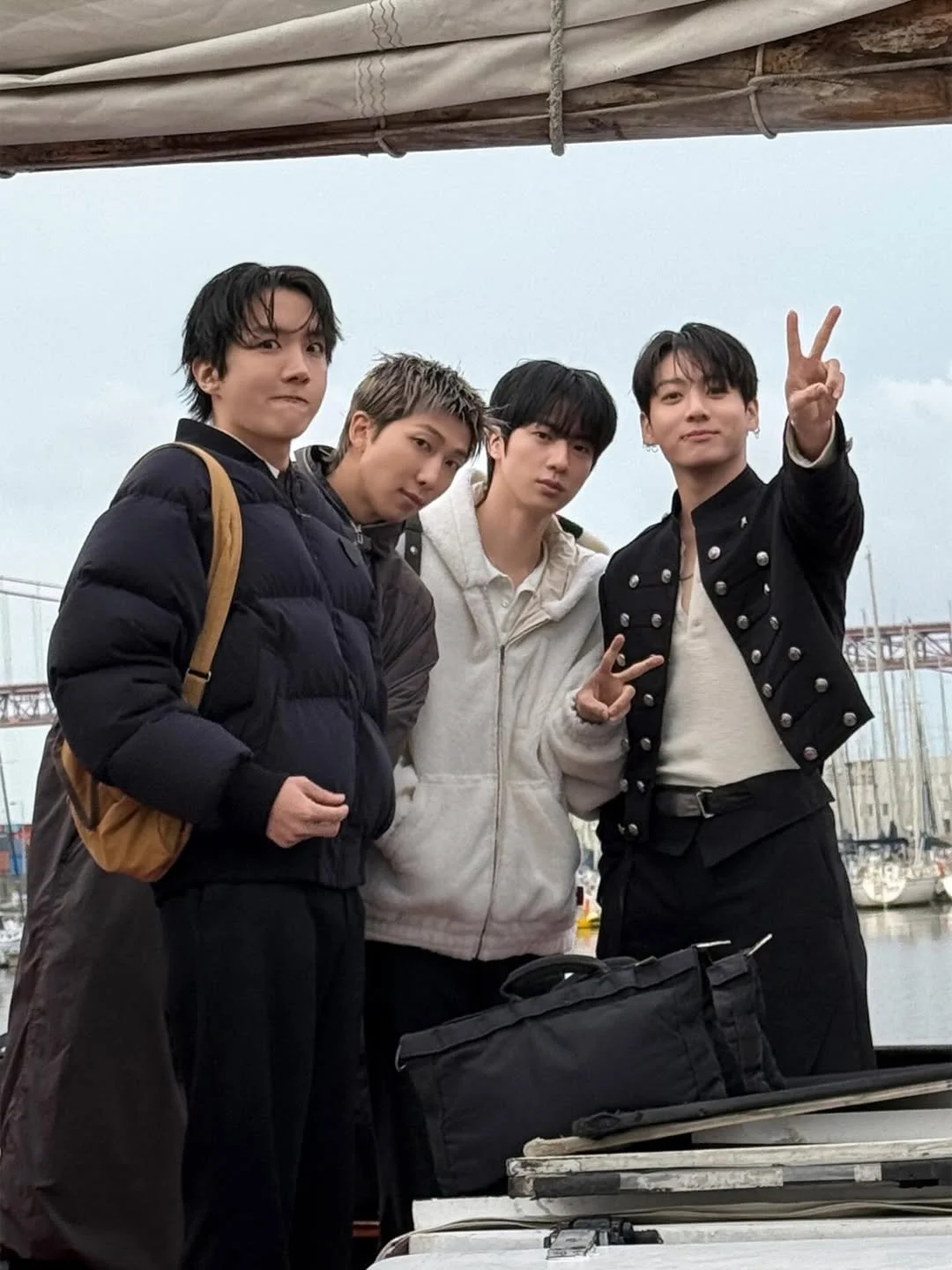
What makes this win so important is the way it challenges old assumptions about language, geography, and pop legitimacy. For decades, Western music institutions often treated non-English pop as something adjacent to the “main” conversation. International artists could be celebrated, but usually through separate categories, niche framing, or novelty language. BTS helped rupture that model. Their success showed that a Korean group could command stadiums, streaming charts, award-show voting, fashion influence, social media ecosystems, and emotional loyalty without needing to dissolve its identity into Anglo-pop conventions.
That is why “global supremacy” is not hyperbole in this context. K-pop’s power is not only measured by chart peaks. It is measured by infrastructure. BTS’ fanbase is organised, multilingual, digitally fluent, and astonishingly coordinated. Their audience does not behave like passive consumers. It behaves like a cultural network. Fans translate, promote, archive, stream, vote, debate, defend, and build narratives around the group with a level of intensity that most pop acts can only envy. The 2026 AMAs, being fan-voted, became the perfect arena for that power to reveal itself.
But BTS’ victory should not be reduced to fandom mechanics alone. That would be too convenient and too dismissive. Their dominance comes from a rare mixture of music, mythology, timing, personality, and emotional continuity. BTS have spent years building a universe where songs are connected to personal growth, mental struggle, ambition, friendship, loneliness, discipline, and collective resilience. For listeners, the group often represents more than entertainment. They represent endurance.
The win also arrives during a broader era in which K-pop’s global vocabulary has expanded beyond one act. Groups and artists across the Korean music ecosystem have pushed into festivals, luxury fashion, film soundtracks, gaming culture, streaming charts, and American award shows. Yet BTS remain the genre’s most monumental proof of concept. They are the example that made the impossible feel commercially inevitable. Their Artist of the Year win at the 2026 AMAs reinforces the idea that K-pop is no longer asking to be included in global pop. It is actively shaping what global pop looks like.
There is another layer here: BTS won in a year crowded with competing pop narratives. Taylor Swift entered the 2026 AMAs as the most-nominated artist, with eight nominations, while Morgan Wallen, Sabrina Carpenter, Olivia Dean, and sombr followed with seven each. That context makes BTS’ Artist of the Year win even louder. They were not winning in an empty field. They were winning against artists who dominate radio, streaming, touring, social media, and cultural discourse.
The result also says something about the future of award shows. Traditional ceremonies have struggled to remain relevant in an era where audiences fragment across platforms and genres. BTS bring the opposite problem: too much attention to ignore. Their participation turns categories into global events, and their victories generate international conversation beyond the broadcast itself. In a world where award shows desperately need online afterlife, BTS provide exactly that.
Ultimately, BTS winning Artist of the Year at the 2026 AMAs confirms that K-pop’s global supremacy is no longer theoretical. It is measurable, visible, and institutionally recognised. The group’s victory proves that Korean pop can compete at the highest level of American music culture without being treated as a guest genre. BTS are not visiting the mainstream. They are part of its architecture. The message from the 2026 AMAs was unmistakable: global pop no longer has one centre, one language, or one dominant pipeline. It has many. And BTS, once again, stand at the summit of that new world.
Enjoyed the read? Consider showing your support by leaving a tip for the writer
Featured








Follow Us














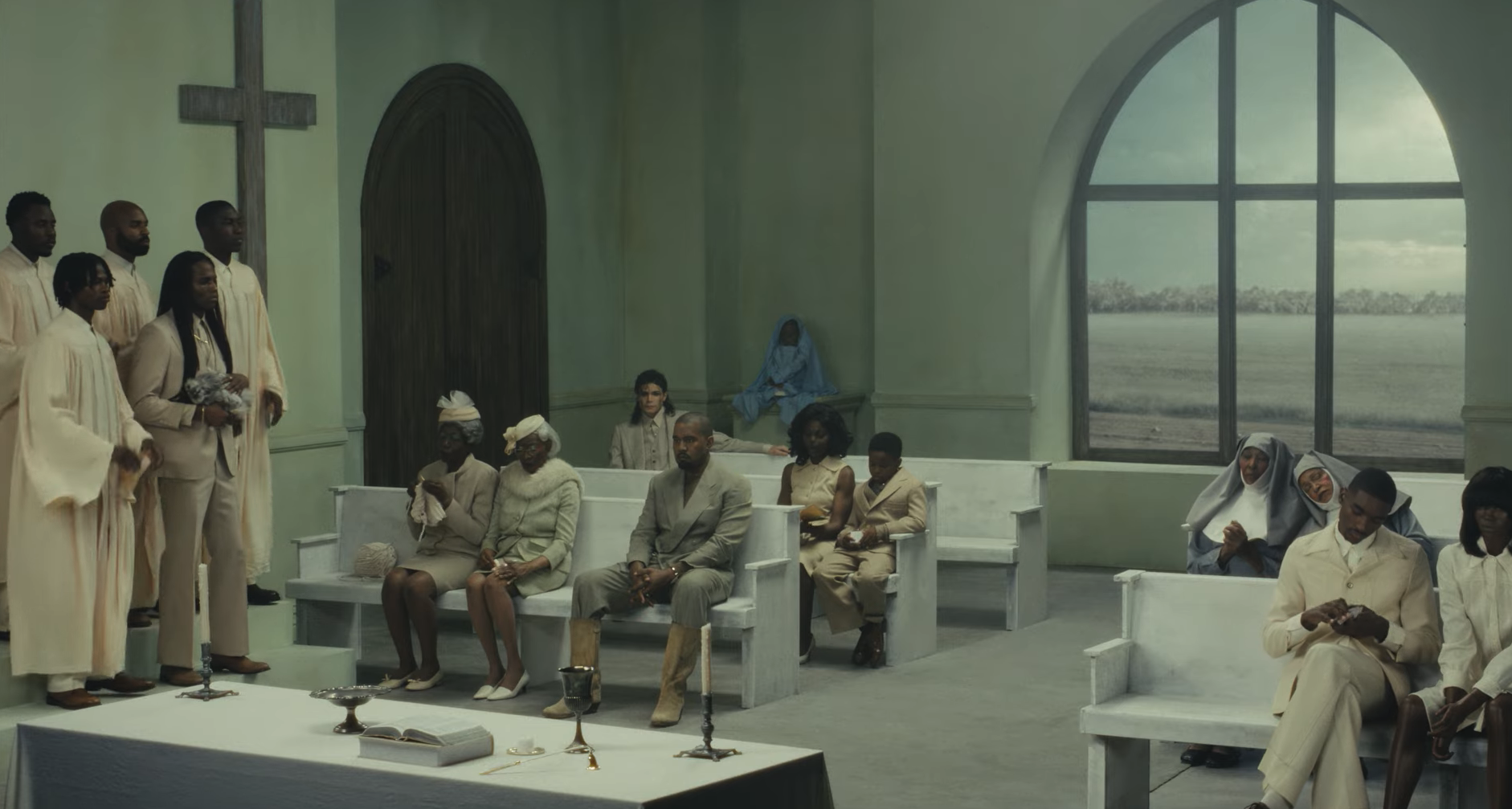



Wendy Bruner and Christopher Grundy construct “Toward Shalom” around warmth rather than spectacle, allowing its ideas of belonging, completeness, and social acceptance to develop inside an intentionally unvarnished frame. Written by Bruner and Monty Jackson and produced…