
Burna Boy’s World Cup Moment Confirms His Status as One of Global Music’s Most Powerful Exporters.
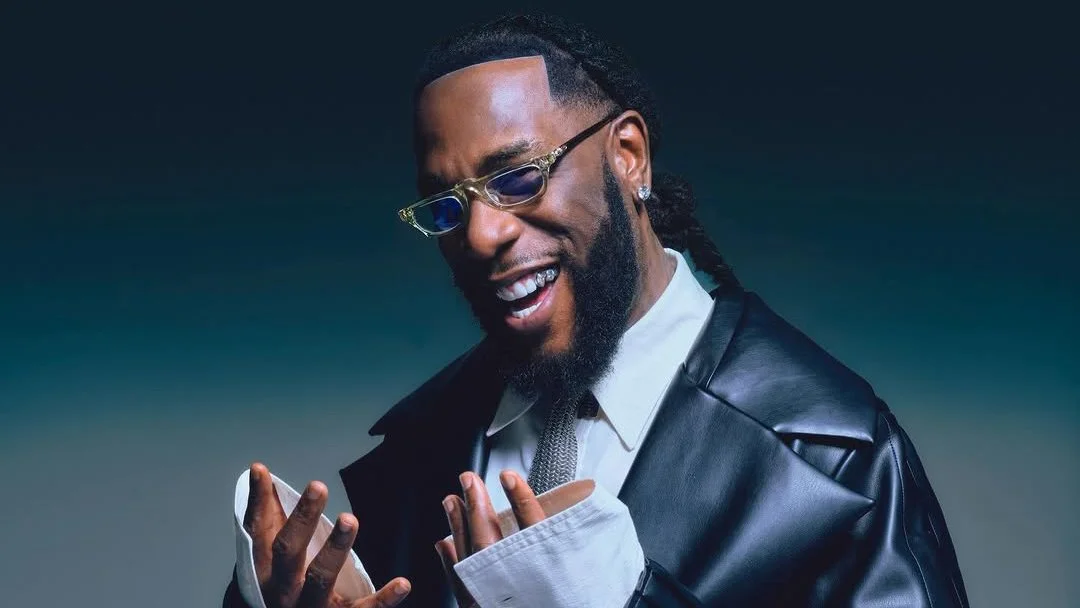
Burna Boy’s presence on the official FIFA World Cup 2026 song, “Dai Dai,” alongside Shakira is not just another international feature. It is a cultural confirmation. For years, the Nigerian superstar has been described as one of Afrobeats’ biggest ambassadors, but this World Cup moment pushes that title into something even larger. Burna Boy is no longer simply exporting African music to the world; he is helping shape the soundtrack of global pop culture itself.
Released as the Official FIFA World Cup 2026™ Song, “Dai Dai” brings together Shakira’s long-running World Cup legacy with Burna Boy’s unmistakable African Giant identity. FIFA announced that the song supports the FIFA Global Citizen Education Fund, an initiative aiming to raise USD 100 million by the end of the tournament to expand access to education and football opportunities for children worldwide. That detail matters because it places Burna Boy inside a moment bigger than entertainment. This is music as spectacle, diplomacy, charity, branding, and cultural architecture all at once.
For an artist from Port Harcourt to stand beside Shakira on a FIFA World Cup anthem is a monumental image. Shakira is deeply woven into World Cup music history, especially because of “Waka Waka,” one of the most recognisable tournament songs ever. Burna Boy joining her on “Dai Dai” suggests that Afrobeats is no longer being invited into global spaces as a novelty. It is now part of the main programming. That shift did not happen accidentally. Burna Boy’s rise has been built on a rare balance of local rootedness and international fluency. His music carries traces of Afrobeats, dancehall, reggae, hip-hop, R&B, highlife, and Afro-fusion, but it rarely feels like a desperate attempt to chase markets. Instead, his sound often arrives with the confidence of someone bringing the world toward him. That is the real genius of his export power: he does not dilute the African core to become global. He makes the African core feel global by design.
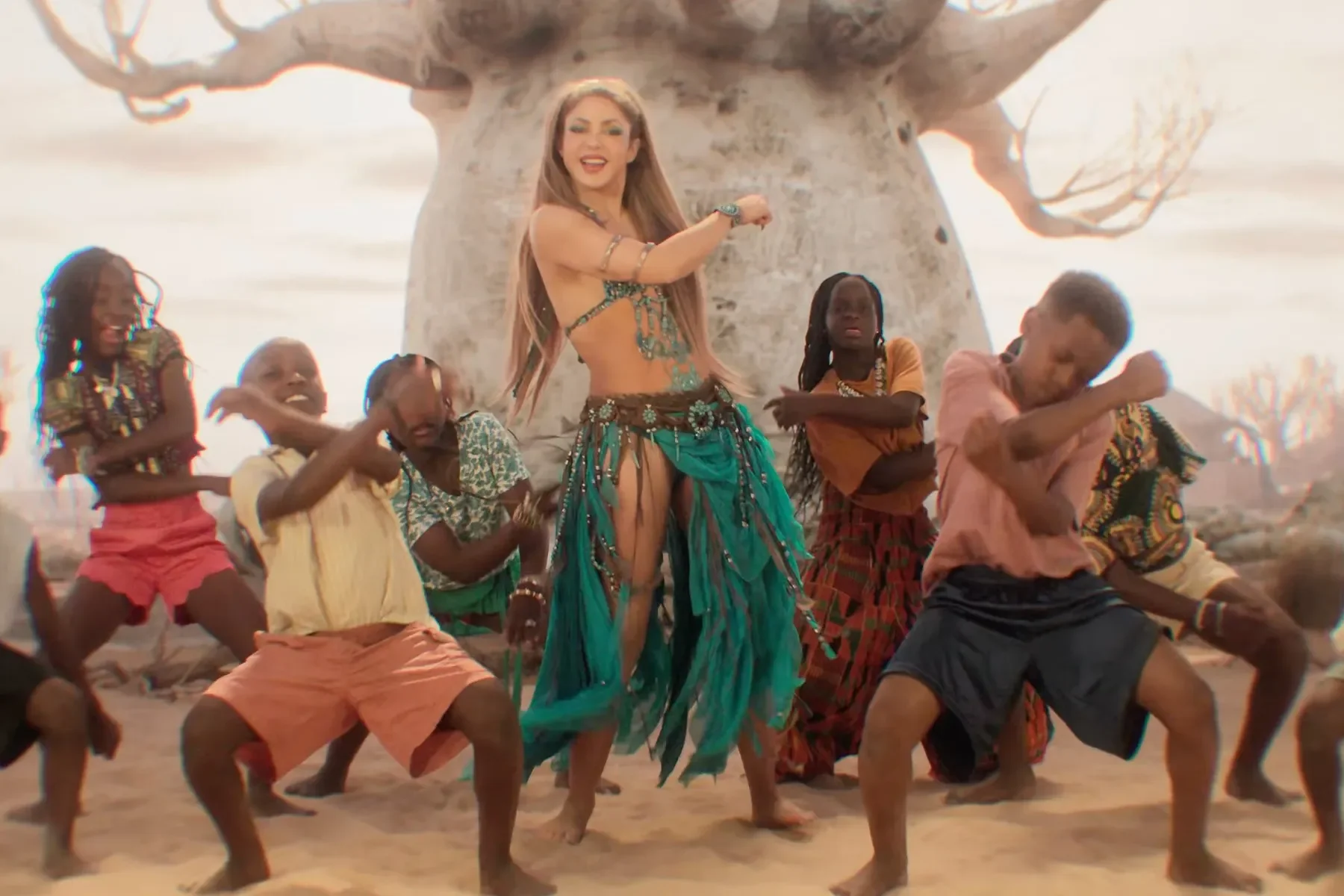
The World Cup is one of the few events capable of compressing the entire planet into a single emotional theatre. Football fans from Lagos, São Paulo, London, Toronto, Tokyo, Mexico City, and Johannesburg may not share the same language, but they understand rhythm, celebration, victory, heartbreak, and national pride. A World Cup song needs to live inside that enormous emotional territory. Burna Boy fits because his catalogue already operates in that space: communal, rhythmic, proud, borderless, and emotionally direct. The release of the “Dai Dai” video has only expanded the conversation. Billboard Canada reported that the visual arrived on May 23, 2026, and features a globe-spanning presentation connected to the FIFA 2026 World Cup song. For Burna Boy, that visual exposure is crucial. In the streaming era, global stardom is not only measured by chart positions. It is measured by symbolic placement. Who appears on the world’s biggest stages? Who gets attached to planetary events? Who becomes part of the cultural furniture when billions are watching?
Burna Boy has been answering those questions for years. His Grammy-winning era, stadium performances, international collaborations, and genre-defining albums have made him one of the clearest examples of African music’s global ascension. But the World Cup moment sharpens the narrative. This is not just Burna Boy succeeding abroad. This is Burna Boy standing inside one of the world’s loudest cultural machines and sounding completely at home. There is also a larger African music story here. The past decade has seen Afrobeats move from regional dominance to international centrality. Artists like Wizkid, Davido, Tems, Rema, Asake, Ayra Starr, Tyla, and Burna Boy have each contributed to a wider recalibration of global taste. What once had to fight for playlist placement now influences production trends, fashion language, festival lineups, dance culture, and pop songwriting. Burna Boy’s “Dai Dai” placement feels like another chapter in that tectonic movement.
Still, what separates Burna Boy from many global crossover stars is his aura of authorship. He does not feel manufactured by the West. He feels exported by Africa on Africa’s own terms. His voice carries grit, grandeur, and ancestral weight. His persona is sometimes polarising, but that intensity has become part of his mythology. He performs like an artist who believes the stage is not borrowed space; it is conquered territory. That is why the World Cup collaboration with Shakira lands with such symbolic force. It confirms that Burna Boy is not merely participating in global music. He is one of its power centres. His presence on “Dai Dai” reflects the current reality of pop culture: African music is no longer orbiting the mainstream. It is helping define it.
Whether “Dai Dai” becomes a timeless World Cup anthem or simply a major tournament soundtrack moment, Burna Boy’s role already feels historically significant. It shows how far Afrobeats has travelled, how much influence African artists now command, and how naturally Burna Boy translates across continents without sanding down his identity.
In a global music economy obsessed with crossover appeal, Burna Boy represents something more potent: cultural exportation with sovereignty. His World Cup moment is not just a career milestone. It is proof that African music has entered the stadium, taken the microphone, and refused to sound peripheral.
Enjoyed the read? Consider showing your support by leaving a tip for the writer
Featured


Follow Us






Laeky’s “caller waiting” is built from emotional exposure, but its production refuses to collapse into fragility. The Australian artist threads syncopated acoustic guitar riffs through understated indie-pop drums, subtle bass, and soft synth textures, creating a frame that feels both restless and suspended. Her sultry, yearning vocal…