
Former Air Canada Pilot Charged After Allegedly Flying Without Proper Licence for Years
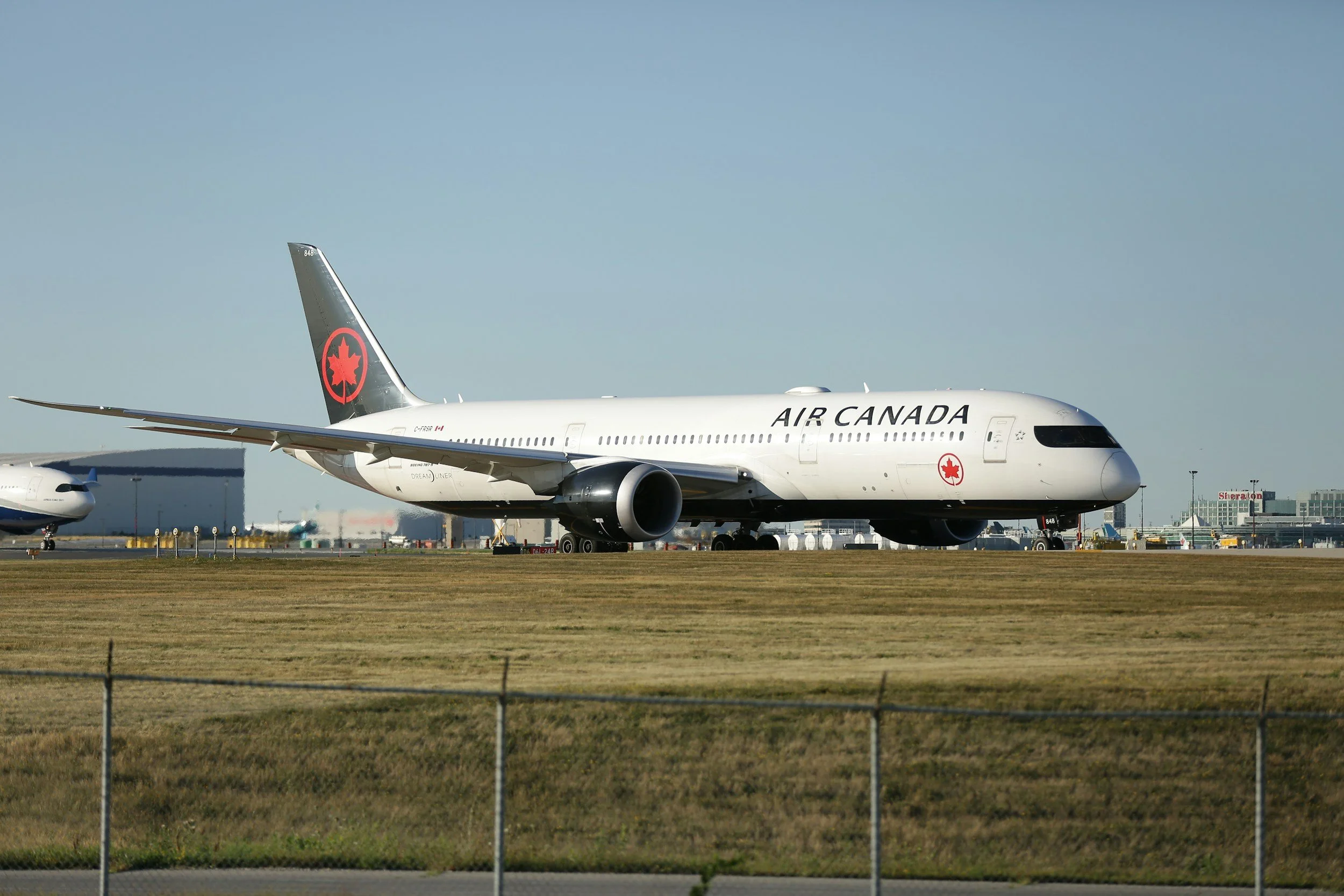
A former Air Canada pilot has been charged after authorities alleged he operated as a captain for years without holding the required licence for that role. The Associated Press reported that Geoffrey Wall of Barrie, Ontario, has been charged after police alleged he flew without the proper licence between 2009 and 2025. Peel Regional Police alleged Wall operated more than 900 domestic and international flights without holding the required Airline Transport Pilot Licence, though he did have a valid commercial pilot licence.
The case has quickly become a major Canadian aviation story because it touches a question passengers care about immediately: how could a licensing issue allegedly continue for so long inside a major airline?
What Police Alleged
According to AP, police alleged Wall did not hold the licence required to act as an airline captain, even though he possessed a commercial pilot licence. The report said Air Canada discovered documentation anomalies during a routine check, removed him from duty, and reported the issue to Transport Canada.
That distinction is important. The allegation is not that Wall had no aviation credentials at all. The issue is whether he had the correct licence for the captain position he held.
AP also reported that Wall allegedly filed a false police report about stolen documents and earned roughly CAD 2.9 million during his captain tenure. Transport Canada has fined him, and the case has prompted a government review.
Because this is a legal matter, the wording matters. These are allegations, and the case should be covered as such unless and until a court determines otherwise.
Air Canada Says Safety Was Not Compromised
Air Canada confirmed that the pilot’s credentials were inadequate for a captain’s role, according to AP. The airline also said passenger safety was not compromised because pilots go through recurrent training and flight checks. That statement will likely be central to public reaction. Airlines operate on trust. Most passengers do not understand every layer of aviation licensing, but they assume the system catches credential problems before someone reaches the captain’s seat.
Air Canada’s position is that the operational safety system still functioned through training, evaluations, and checks. Authorities, meanwhile, are treating the alleged licensing issue seriously enough to bring charges and trigger additional review.
Both things can be true at once: a flight operation may have remained safe, and a licensing failure may still represent a serious oversight concern.
Why the Licence Question Matters
The Airline Transport Pilot Licence is the highest category of pilot licence in Canada and is generally required for airline captain duties. A commercial licence allows a pilot to be paid to fly, but it does not automatically qualify someone for every airline command role. That is why the case is not a minor paperwork story. The captain’s role carries responsibility for the aircraft, crew, passengers, decision-making, and emergency judgment. Even if a pilot has extensive experience, the formal licensing standard exists because commercial aviation depends on layered verification.
For the public, the case raises obvious questions. How are documents checked? How often are credentials reviewed? What systems allowed the alleged issue to persist? What changes will Transport Canada or Air Canada make now?
Why This Story Has National Impact
Aviation stories travel fast because they involve public safety, trust, and national infrastructure. Air Canada is the country’s largest airline, and any licensing controversy tied to one of its former pilots becomes a national news item by default. But the story also has a broader institutional angle. AP reported that authorities consider the detection of the alleged fraud a sign that the oversight system is functioning. That is one way to read it. Another is that a system can both eventually detect a problem and still face scrutiny for how long it allegedly went undetected.
What Happens Next
The legal process will determine the outcome of the charges. In the meantime, the case is likely to keep pressure on Transport Canada and Air Canada to explain how credential verification is managed. The key follow-up questions are straightforward: whether additional audits are underway, whether airline credential systems will change, and whether regulators identify any larger pattern or only an individual case.
For now, the confirmed headline is serious enough: a former Air Canada pilot has been charged after authorities alleged he flew hundreds of flights without the required captain’s licence. The next chapter will determine whether this becomes a one-person legal case or a wider aviation oversight debate.
Enjoyed the read? Consider showing your support by leaving a tip for the writer
Featured









Follow Us

Shop























Wendy Bruner and Christopher Grundy construct “Toward Shalom” around warmth rather than spectacle, allowing its ideas of belonging, completeness, and social acceptance to develop inside an intentionally unvarnished frame. Written by Bruner and Monty Jackson and produced…