Tennis umpire Carlos Ramos breaks silence on Serena Williams Situation.
The chair umpire who pleaded against Serena Williams last Saturday in the final of the US Open, came out of his silence for the first time to say he is fine.
Carlos Ramos gave a short interview published Wednesday in the pages of the Portuguese newspaper Tribuna Expresso.
“I’m fine, given the circumstances,” he said. “It’s a delicate situation, but a la carte arbitration does not exist. Do not worry about me!”
It also states that Ramos has received hundreds of messages of support from family members, colleagues, players and former players.
He adds that he has avoided social media and just reads articles that show neutrality and impartiality. He also said he was not out the next day of the final to avoid trouble.
On Monday, the International Tennis Federation (ITF) defended Ramos for his exemplary behavior during the final.
The management of the US Open has also fined Williams $ 17,000 for its three breaches of the Code of Conduct.
For its part, the WTA has called for the fair treatment of all tennis players and for coaching to be allowed in all tournaments.
Finally, the ITF appointed Carlos Ramos to officiate, as of Friday, in Zadar, the semi-final Davis Cup between the United States and Croatia.

Two things decide the shape of your evening before you leave home: when you cross the Honoré Mercier Bridge, and whether you are coming for the poker room upstairs or the machines on the gaming floor…
A great session can become legally confusing for a surprisingly ordinary reason: everyone remembers the conversation differently. The artist thought the fee covered unlimited edits. The musician expected a credit and approval before the…
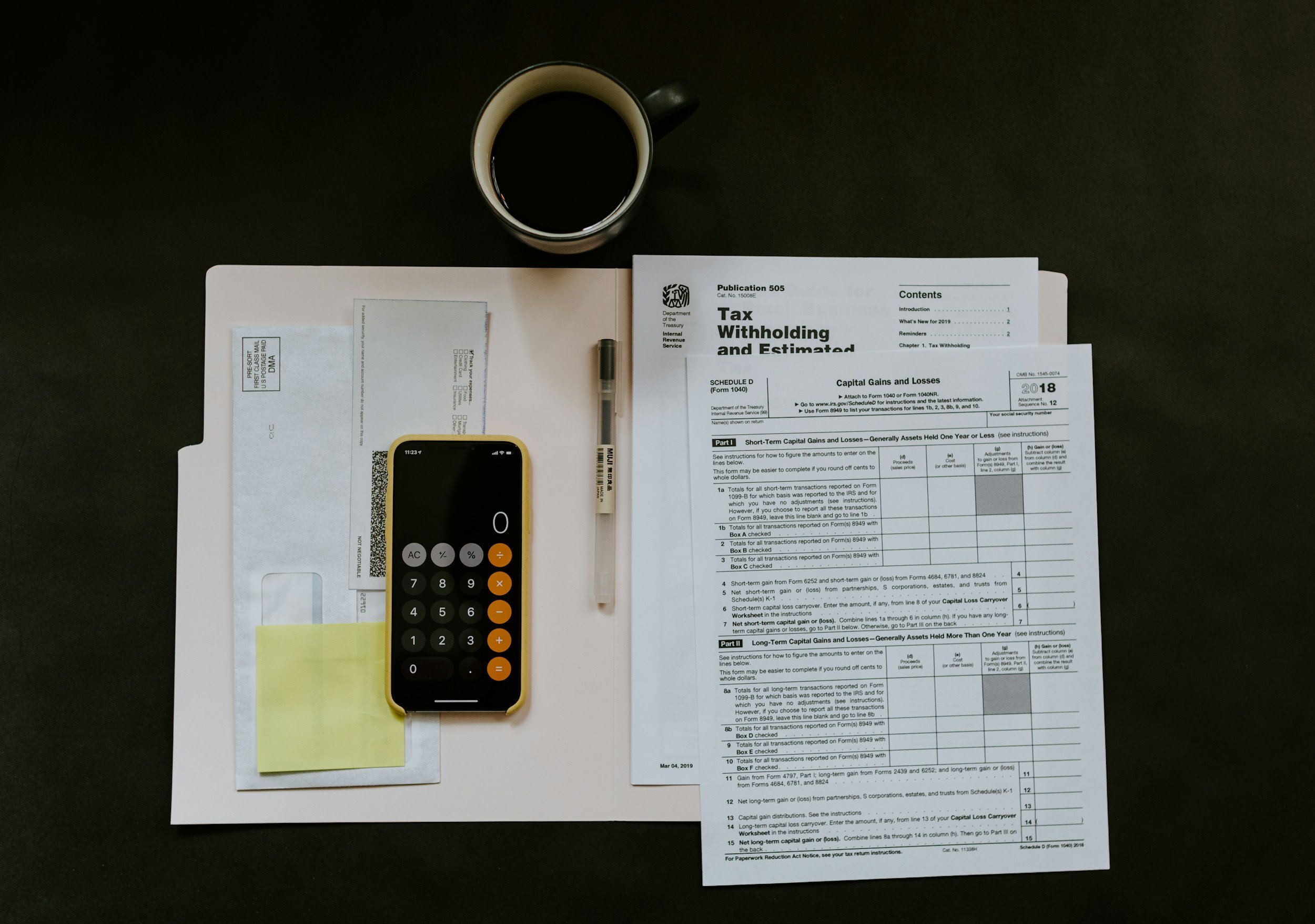
Buying equipment for a music career does not automatically create a full, immediate tax deduction. This practical Canadian guide explains current expenses, capital property, repairs, business-use percentages and CCA…
The room sounds different once an audience enters. Hands feel less precise, breathing becomes shallow and lyrics that were automatic in rehearsal suddenly seem fragile. A musician may interpret those sensations as evidence that the performance is already going wrong. A repeatable routine can reduce uncertainty…
Long rehearsals, dry rooms and back-to-back shows can push a voice past healthy limits. This practical routine helps musicians protect vocal function and recognize when rest or professional care matters…
Music supervisors rarely evaluate a song in a vacuum. They are also evaluating whether the track can be cleared, delivered and approved on a production schedule. A brilliant recording with uncertain ownership or missing files may be harder to use than a slightly…
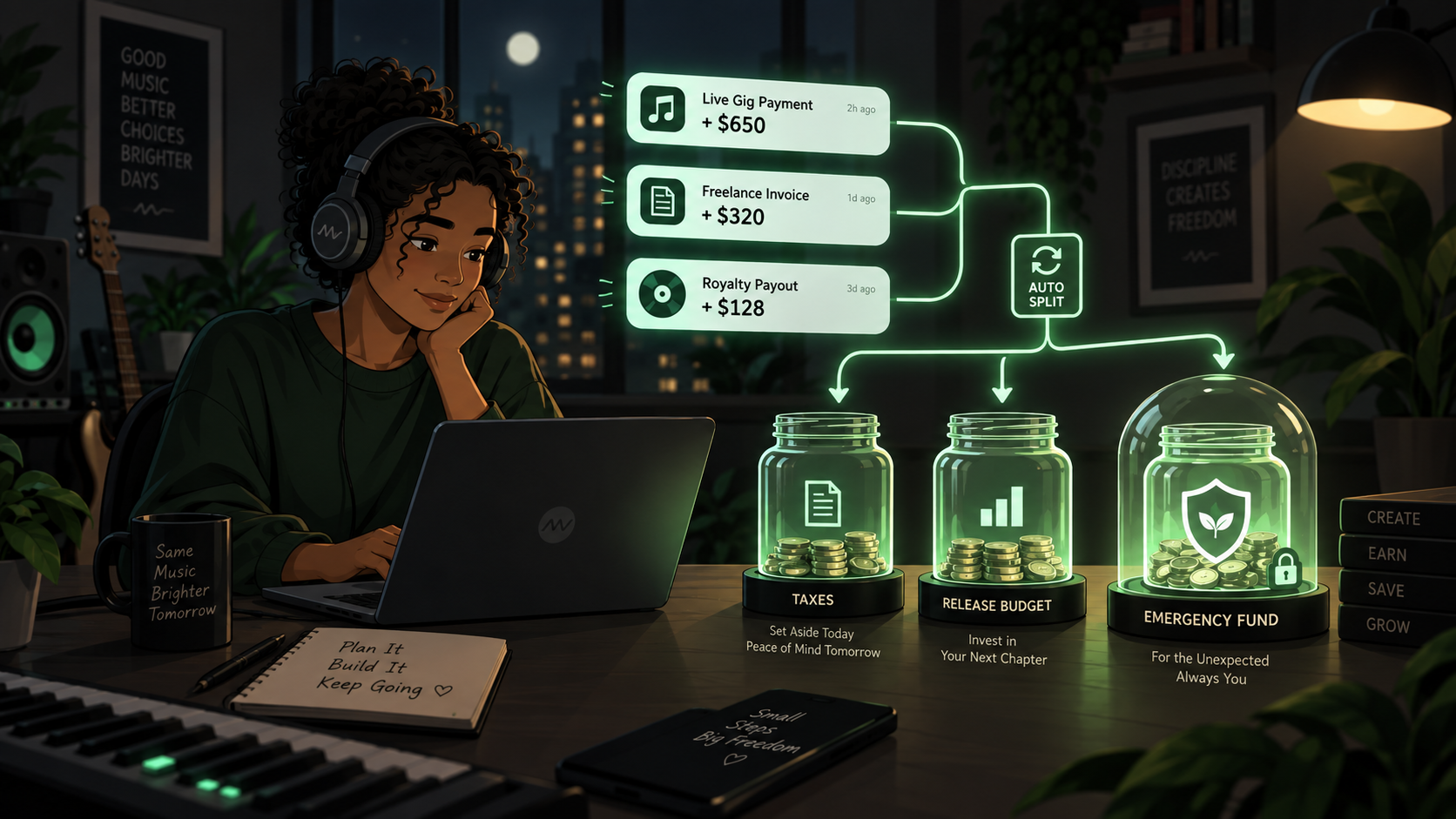
Irregular royalties, freelance invoices and performance income make emergency planning difficult. A musician-specific cash reserve can protect both household essentials and the work that generates future income…
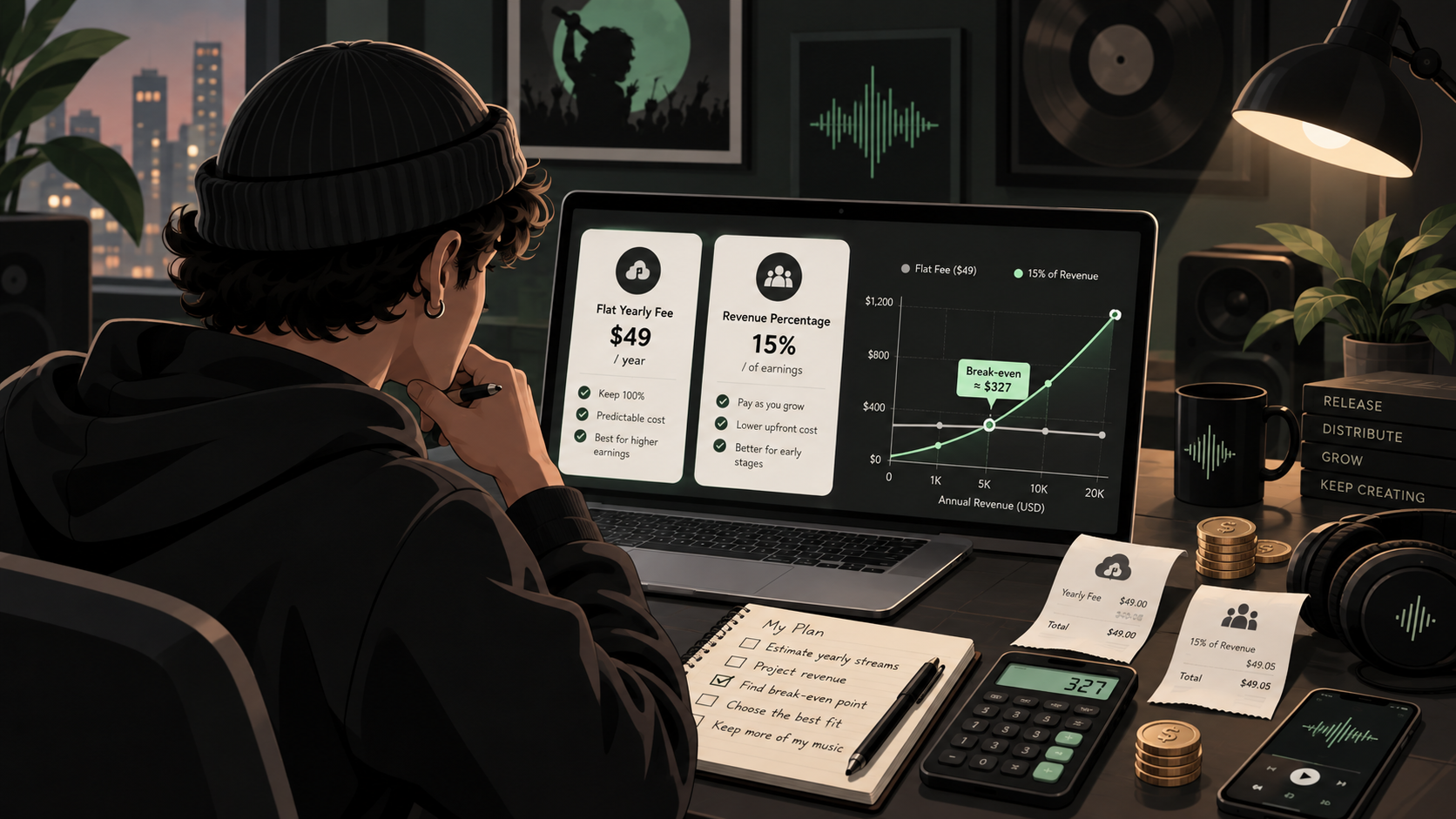
A digital distributor delivers recordings and metadata to services such as Spotify, Apple Music and YouTube Music, then collects eligible revenue and reports it to the rights holder. Many distributors also offer tools for splits, pre-save pages, analytics, Content ID, publishing administration, cover-song licensing or label management…
An independent music career creates two kinds of work that rarely respect each other’s schedule. There is the deep creative work—writing, rehearsing, recording and performing—and there is the operational work that keeps the career moving: invoices, metadata, registrations, emails, budgets, files and campaign decisions…
Touring with instruments, batteries, drives and recording equipment requires more than a strong case. This practical system helps musicians plan airline rules, protect irreplaceable files and document their gear before departure…