
From Rap Star to Lifestyle Brand: Travis Scott’s Growing Influence Across Sports Culture
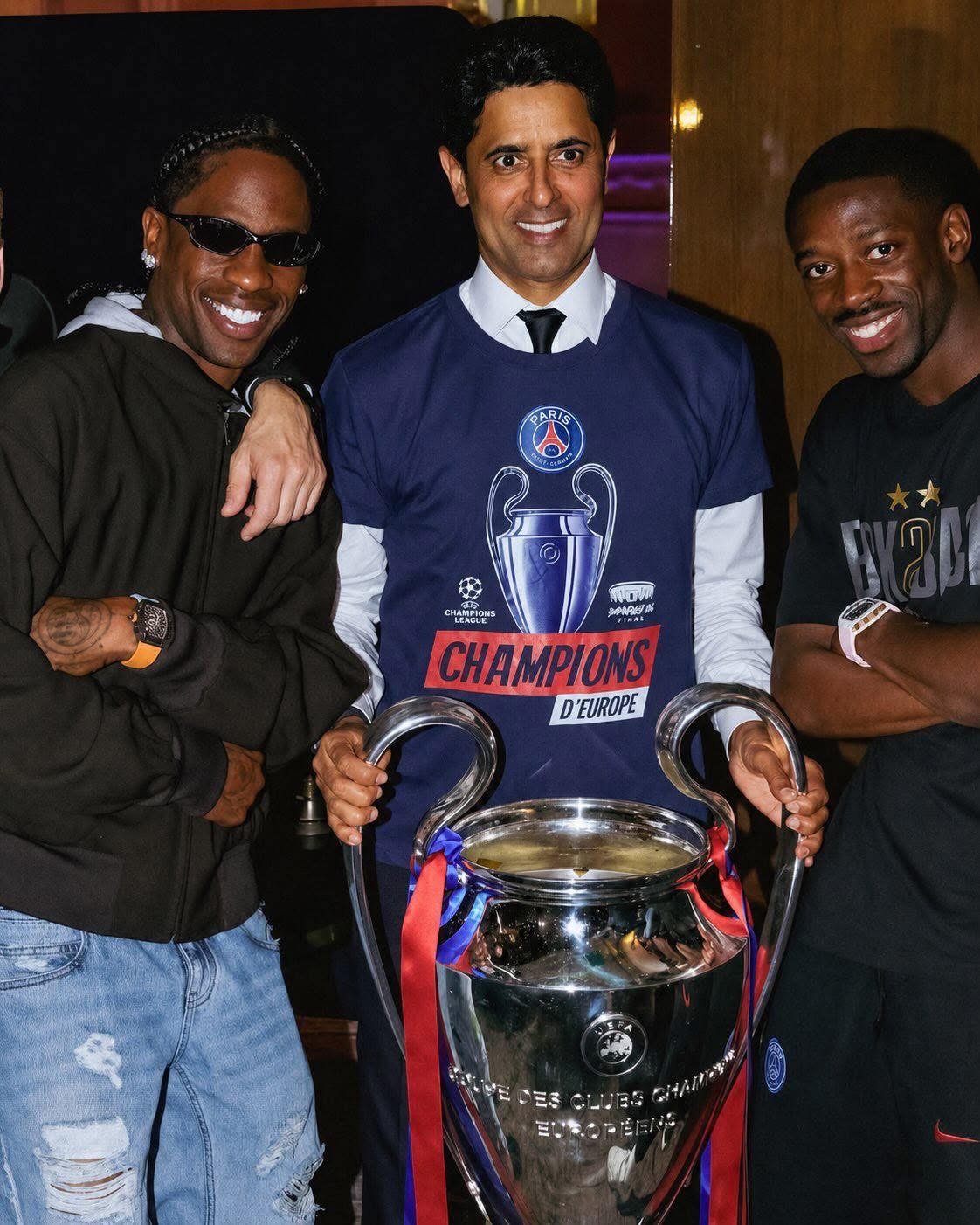
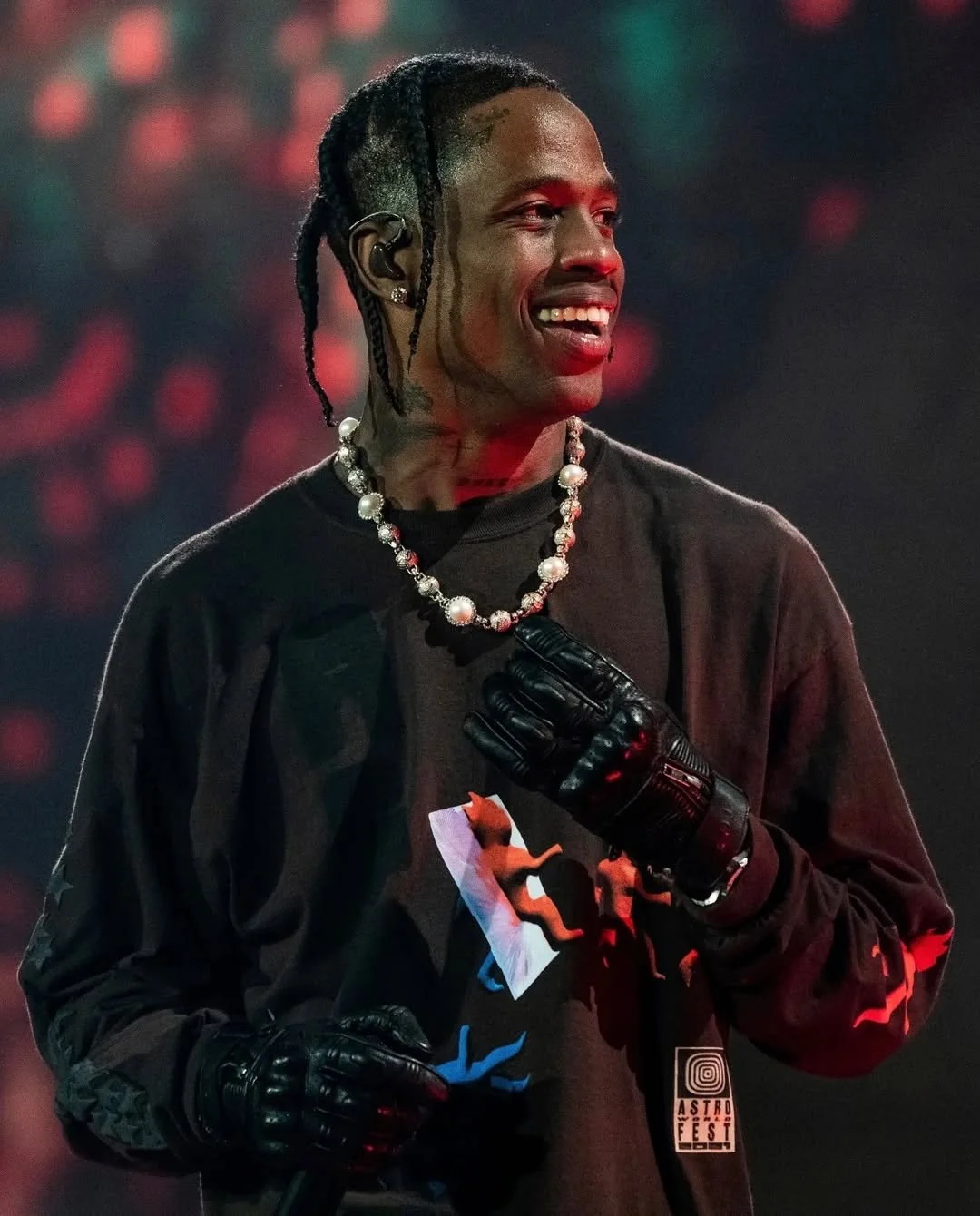
Travis Scott’s presence in sports culture says something important about the modern rap economy: the biggest artists are no longer just musicians. They are atmospheres. They are product ecosystems. They are walking distribution channels for fashion, sports, gaming, nightlife, collectibles, youth identity, and global taste. In 2026, the rap star is not simply competing for chart position. He is competing for cultural territory.
That is why Travis Scott’s continued visibility in sports-adjacent spaces feels so significant. His appearance in major sports-culture environments, his long-running sneaker dominance, his Cactus Jack branding, and his ability to move across basketball, football, streetwear, and live-event culture show how dramatically hip-hop stardom has changed. A rapper with enough influence can now function like a lifestyle corporation with a voice, a wardrobe, a fanbase, and an entire mythology.
Scott is one of the clearest examples of this shift. He does not exist only as an artist who releases albums and performs concerts. He exists as a cultural signal. When his name appears beside sports icons, luxury-adjacent collaborations, sneaker drops, fan festivals, or major entertainment events, it does not feel random. It feels like a natural extension of the brand he has spent years building.
That brand is built on more than music. It is built on mood.
Travis Scott understands atmosphere better than most artists of his generation. The Cactus Jack world is dusty, nocturnal, industrial, rebellious, and instantly recognizable. It works across album covers, stage design, merchandise, sneakers, visual campaigns, and sports collaborations because it has a coherent emotional language. Fans are not just buying a shoe or wearing a hoodie. They are buying into a feeling: chaotic energy, outsider cool, stadium-scale youth culture, and a certain rugged futurism.
That is exactly why sports culture has become such a powerful arena for rappers. Sports already carries emotion, loyalty, identity, and tribal energy. Fans do not merely watch teams; they belong to them. Hip-hop operates in a similar way. Listeners do not merely stream artists; they adopt aesthetics, slang, clothing, attitudes, and affiliations. When rap and sports collide, the result is not just marketing. It is cultural fusion.
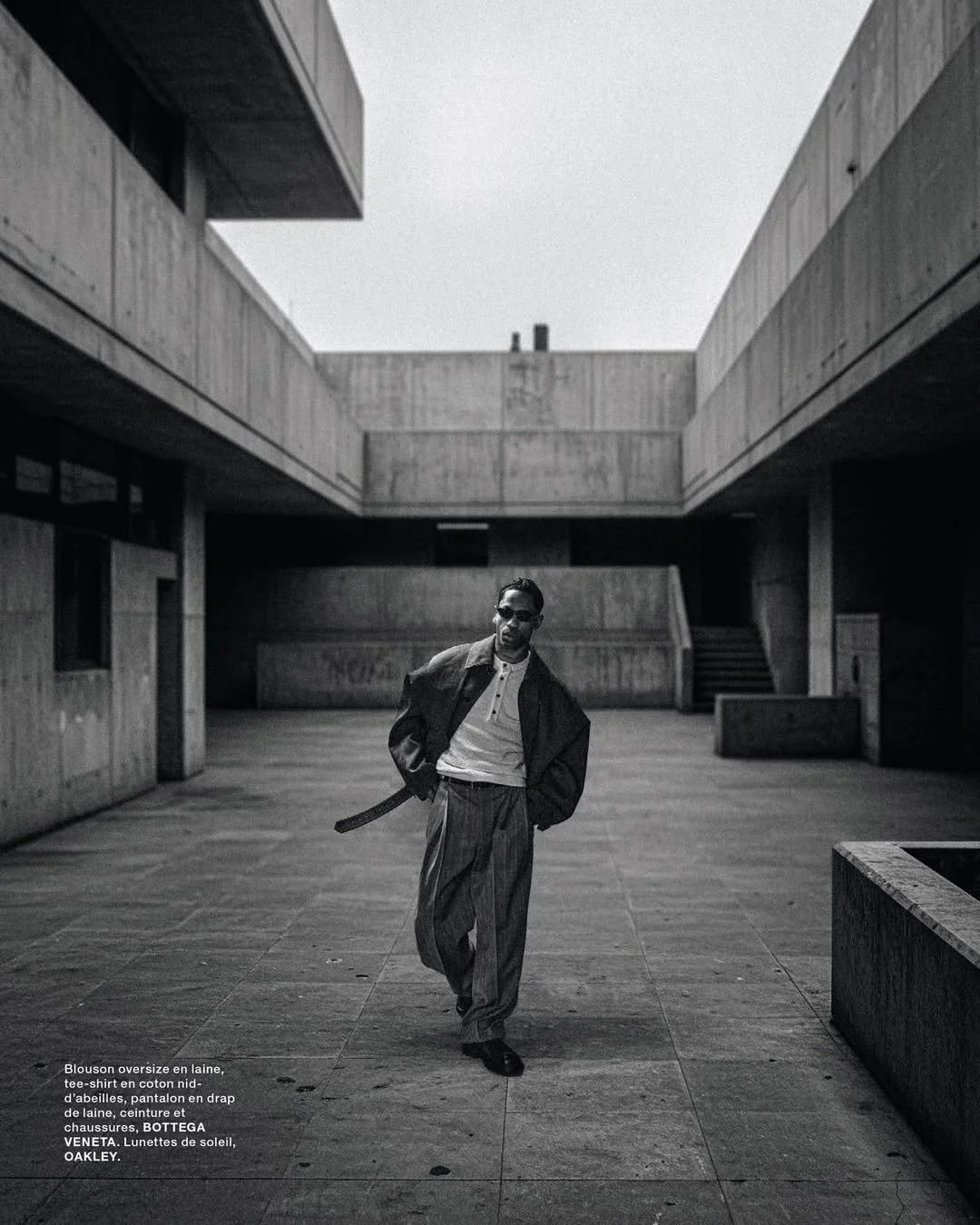
The modern athlete and the modern rapper also occupy similar spaces. Both are performers. Both are style icons. Both are social media brands. Both are tied to youth aspiration. Both can influence what people wear, what they watch, what they buy, and what feels cool in a given moment. Travis Scott’s ability to move comfortably around athletes, sneaker culture, and sports-driven events shows how thin the wall between music celebrity and sports celebrity has become. This is especially visible in sneaker culture. Travis Scott’s Jordan collaborations are not treated like ordinary footwear releases. They behave like cultural events. The resale market reacts. Fashion pages react. Hip-hop fans react. Basketball fans react. Streetwear communities react. Even people who do not closely follow his music often understand the visual language of a Travis Scott sneaker: earthy tones, reversed swooshes, limited availability, and a sense of controlled scarcity.
That scarcity is part of the genius. Travis Scott’s brand does not simply sell products; it manufactures anticipation. In the current attention economy, anticipation is currency. A drop, a teaser, a surprise appearance, or a limited release can generate weeks of conversation before the product even reaches consumers. That is the new machinery of celebrity commerce.
Sports brands understand this perfectly. They no longer want artists only for halftime shows or theme songs. They want artists who can bring entire audiences with them. Travis Scott gives sports culture access to a demographic that cares about style, music, exclusivity, online virality, and real-world spectacle. His presence can make a sports event feel less like a schedule item and more like a cultural happening.
That is why events such as Fanatics Fest matter. These gatherings are no longer just about autographs, jerseys, or memorabilia. They are becoming sports-culture conventions where athletes, rappers, entertainers, creators, collectors, and fans all occupy the same commercial ecosystem. The result feels closer to a Comic-Con for modern fandom than a traditional sports expo. Travis Scott fits perfectly into that environment because his brand already lives between categories.
He is not alone. Jay-Z helped write the blueprint for the rapper as mogul. Drake turned fandom, sports courtside culture, and lifestyle branding into part of his global identity. Pharrell blurred the lines between music, luxury fashion, design, and youth culture. Kanye West, despite controversy, reshaped how people think about artist-led fashion empires. Travis Scott belongs to that lineage, but with a uniquely festivalized, sneaker-driven, sports-adjacent edge.
The bigger trend is clear: rap stars are becoming global lifestyle brands because music alone no longer captures their full value. Streaming pays attention, but culture pays power. A hit song can dominate a month. A strong lifestyle brand can dominate a generation’s wardrobe, social feeds, and consumer instincts.
This shift also reflects how fans experience celebrity now. Younger audiences do not separate music, fashion, sports, memes, live events, and personal identity as cleanly as older media structures once did. A fan might discover Travis Scott through a song, follow him through sneakers, recognize him at a sports event, and buy into the Cactus Jack aesthetic without treating any of those entry points as separate. Everything becomes one continuous brand universe.

That is the new genius of rap marketing. The artist becomes the portal.
For Travis Scott, sports culture offers scale. Stadiums, athletes, global tournaments, sneaker brands, and fan festivals all amplify the sense that his brand belongs in massive arenas. His music already sounds built for spectacle, with cavernous production, distorted textures, and chant-like hooks. Sports culture simply gives that sonic energy a physical environment. There is also a psychological fit. Sports fans love heroes, rivalries, uniforms, rituals, and symbols. Travis Scott’s brand is full of symbols: Cactus Jack logos, specific colour palettes, limited-edition drops, visual codes, and a fanbase that treats releases like events. He has built a world that behaves almost like a team identity. You do not just consume it. You represent it.
That is why his sports-culture presence feels less like celebrity decoration and more like a blueprint for the future of hip-hop business. The most powerful rappers are not waiting for brands to use them as endorsers. They are becoming brands that other industries want to orbit. The power has shifted from sponsorship to partnership, from appearance fees to ecosystem building.
Of course, this model comes with pressure. When an artist becomes a lifestyle brand, every public move affects the larger machine. Music quality, product design, event behaviour, fan trust, and corporate partnerships all become connected. The brand can grow faster, but it can also become more vulnerable. A rapper who becomes a global lifestyle figure is no longer judged only by albums. They are judged by everything their name touches.
Still, Travis Scott’s continued relevance suggests that his cultural architecture remains powerful. He understands how to turn sound into style, style into product, product into scarcity, and scarcity into mythology. That is not accidental. It is the new business grammar of elite rap stardom.
His sports-culture presence proves that the modern rapper is no longer confined to the studio, the stage, or the charts. The modern rapper can sit beside athletes, shape sneaker markets, headline fan experiences, influence fashion cycles, and participate in the global entertainment economy as a full-spectrum brand.
Travis Scott is not just crossing into sports culture. He is showing why sports culture now needs artists like him. In today’s world, the biggest rap stars do no longer just make music for fans to hear. They create worlds for fans to enter. And Travis Scott’s world keeps expanding far beyond the song.
Enjoyed the read? Consider showing your support by leaving a tip for the writer
Featured




Follow Us








Laeky’s “caller waiting” is built from emotional exposure, but its production refuses to collapse into fragility. The Australian artist threads syncopated acoustic guitar riffs through understated indie-pop drums, subtle bass, and soft synth textures, creating a frame that feels both restless and suspended. Her sultry, yearning vocal…