
The Women Behind Drake’s New Albums: Stunna Sandy, Sexyy Red, Qendresa & More
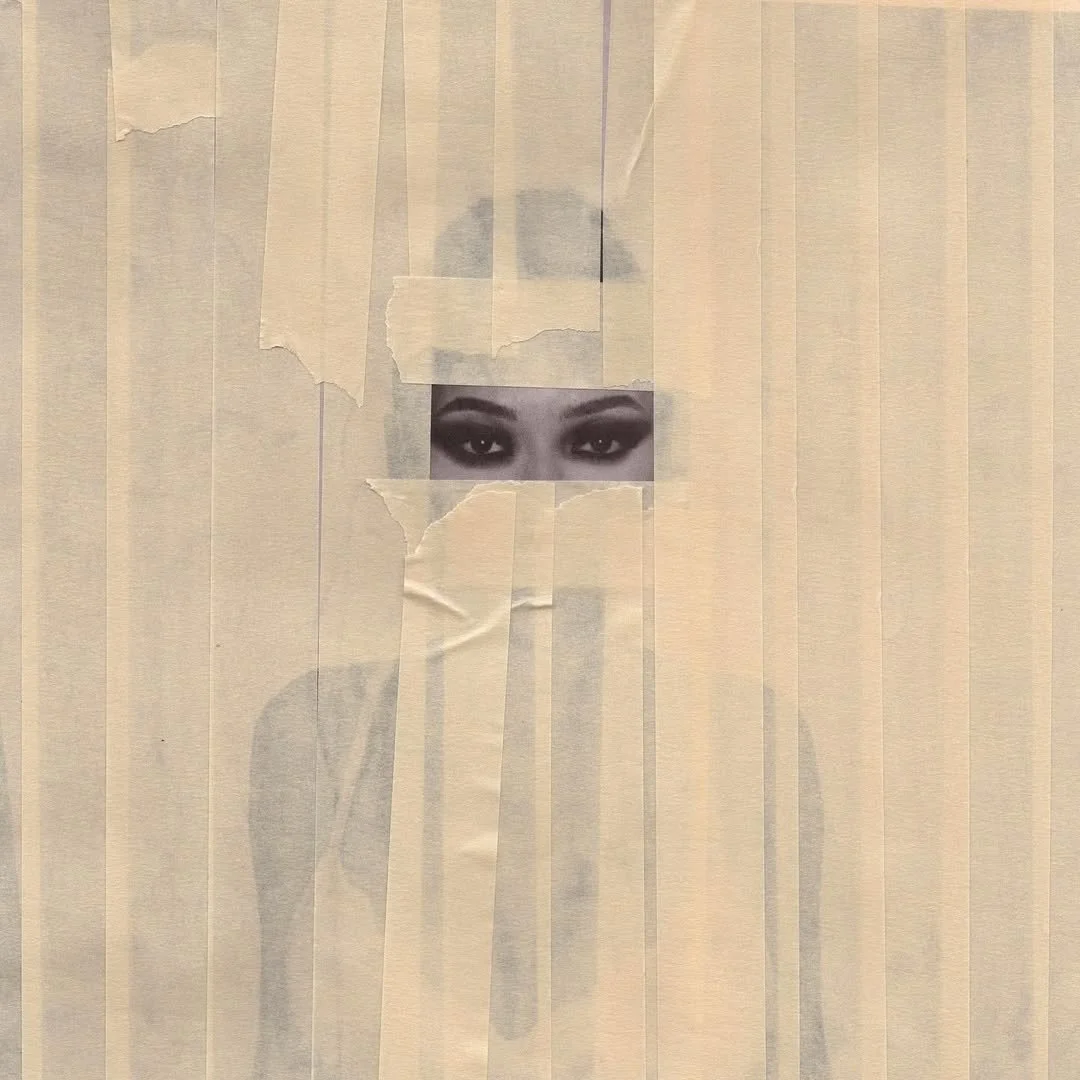
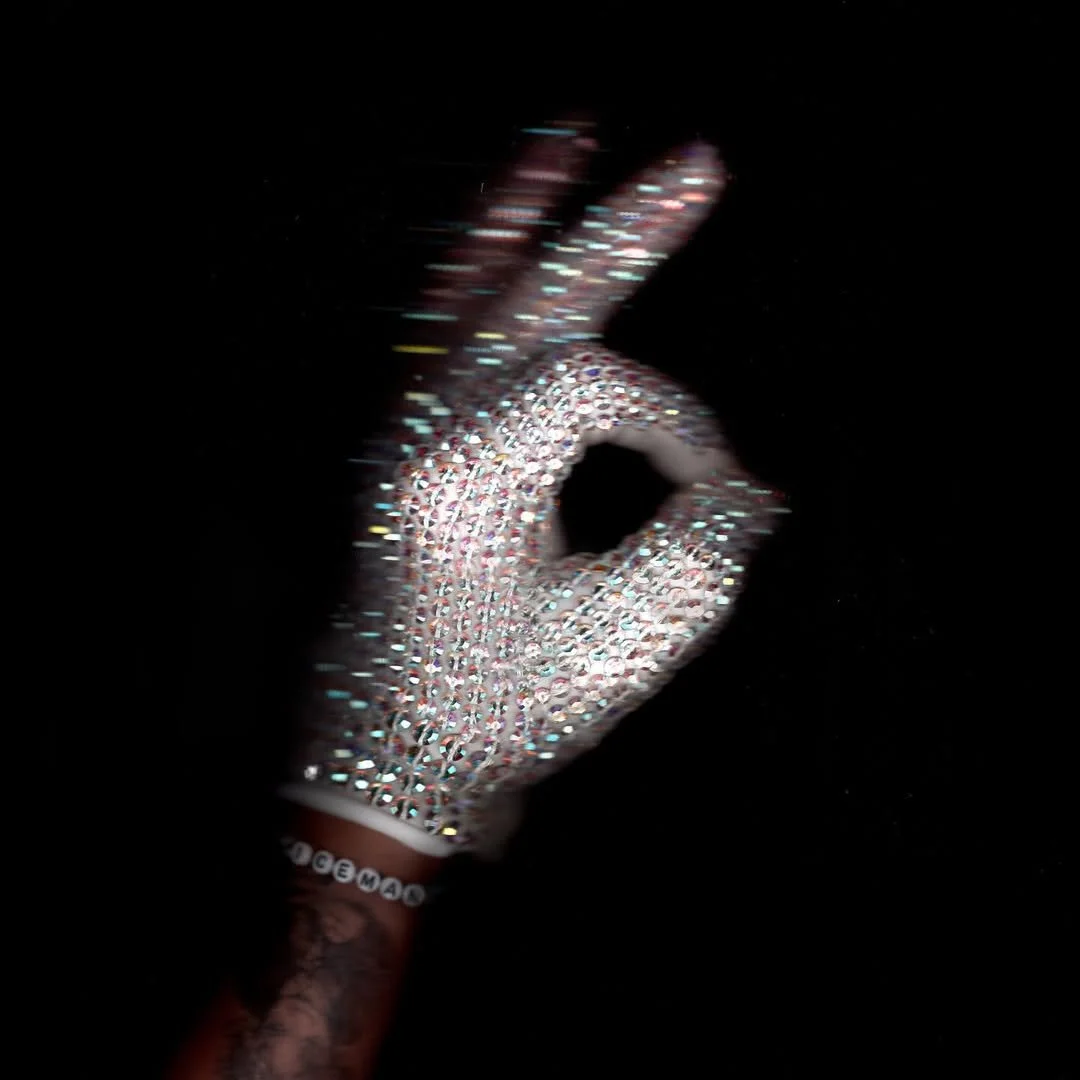
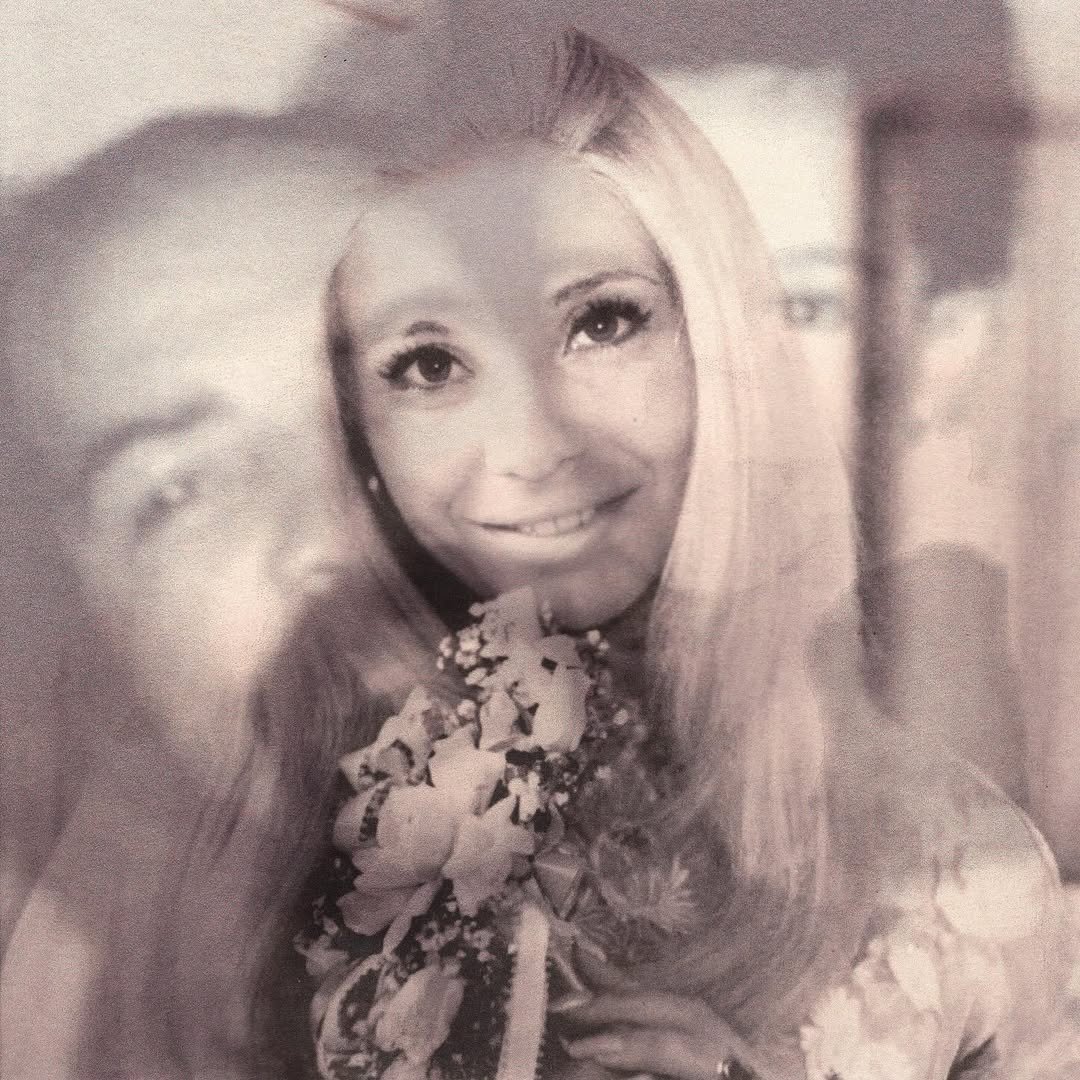
Drake’s latest rollout is not just another album cycle — it is a full-scale cultural flood. On May 15, 2026, the Toronto superstar released three projects at once: Iceman, Maid of Honour, and Habibti, totaling 43 songs across a surprise trilogy that immediately became one of the most discussed moments in rap this year. The albums include major names like Future, 21 Savage, PartyNextDoor, Central Cee, Loe Shimmy, Popcaan, Sexyy Red, Molly Santana, Stunna Sandy, Iconic Savvy, and Qendresa.
But beyond the marketing spectacle, the real intrigue lies in the women orbiting these albums. Some are featured artists. Some appear as visual symbols. Some exist as lyrical muses, emotional triggers, or archetypes within Drake’s familiar universe of fame, desire, mistrust, heartbreak, and late-night reflection. In other words, the women on Drake’s new albums are not just background characters — they help define the emotional architecture of the trilogy.
Molly Santana: The Underground Disruptor on Iceman
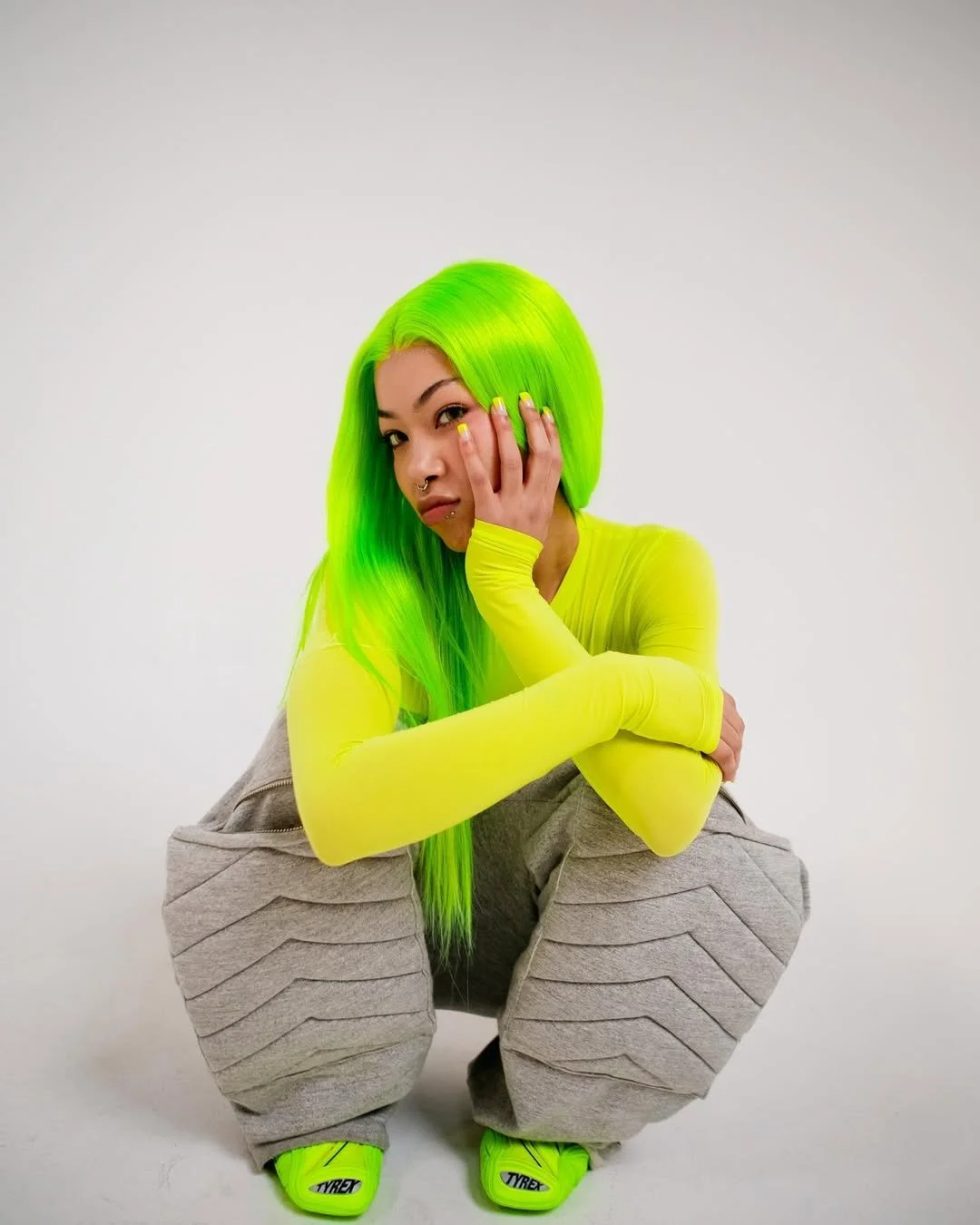
One of the most interesting female voices on Drake’s triple release is Molly Santana, who appears alongside Future on “Ran To Atlanta” from Iceman. Her presence is significant because Iceman is positioned as the sharpest and most rap-heavy of the three projects, making her appearance feel less decorative and more strategic.
Molly Santana represents the new-school underground energy that Drake has often tried to absorb into his wider pop-rap empire. Known for a sound connected to trap, rage, punk influence, and alternative rap aesthetics, Santana brings a younger, more rebellious texture to the project. Rather than simply borrowing star power from established names, Drake uses her feature to tap into a fresher, internet-native wave of rap credibility. Her placement beside Future is also clever. Future brings legacy and chemistry; Molly Santana brings volatility and novelty. That contrast gives “Ran To Atlanta” a cross-generational quality — part veteran flex, part underground tremor.
Sexyy Red: The Loudest Female Presence Across the Trilogy
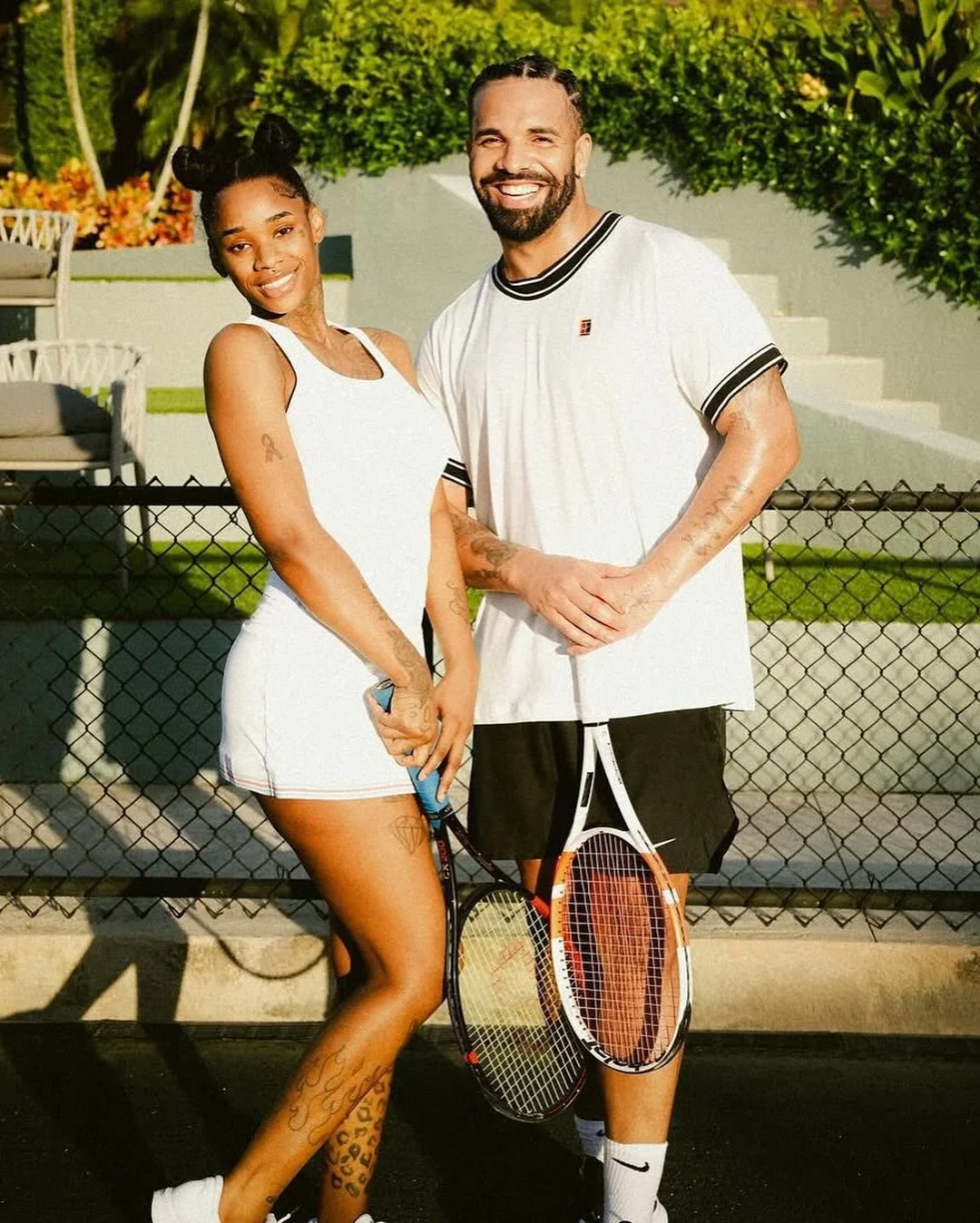
If there is one woman whose presence feels most visible across Drake’s new albums, it is Sexyy Red. She appears on “Cheetah Print” from Maid of Honour and “Hurrr Nor Thurrr” from Habibti, making her one of the few artists featured more than once across the trilogy. Sexyy Red’s role matters because she embodies a kind of raw, chaotic confidence that Drake has been gravitating toward in recent years. On Maid of Honour, her appearance contributes to the album’s club-driven, playful, and intentionally unruly personality. Pitchfork described Maid of Honour as a restless, maximalist club-rap record, with “Cheetah Print” singled out as one of its wildest moments.
On Habibti, however, her placement is different. That album leans more into moody R&B and emotional haze, so her feature on “Hurrr Nor Thurrr” functions as a disruptive flash of personality inside a softer sonic environment. Whether listeners love or criticize the pairing, Sexyy Red gives the trilogy something Drake often seeks: immediacy, meme value, attitude, and a sense of cultural temperature.
Stunna Sandy: The Viral Newcomer on Maid of Honour

Stunna Sandy appears on “Outside Tweaking,” one of the most attention-grabbing female features on Maid of Honour. According to HotNewHipHop, she is an Egyptian-American artist from Brooklyn who gained attention with her debut single “Make It Look Sexy” and has continued building momentum with tracks such as “BBC,” “Handle It,” and “Freakquent.” Her contribution is important because Drake has a long history of elevating regional or internet-buzzing acts into global conversations. Stunna Sandy’s feature gives Maid of Honour a youthful East Coast club sensibility, aligning with the album’s broader interest in dance rhythms, juke-adjacent motion, Jersey club accents, and viral-friendly bounce.
There is also speculation around her visual role in the rollout. HotNewHipHop reported that some reports suggest Stunna Sandy may be the woman on the Habibti cover art, though that has not been definitively confirmed. That ambiguity only adds to the mystique: in Drake’s world, women are often both real collaborators and symbolic figures, moving between music, image, rumor, and mythology.
Iconic Savvy: The Chicago Energy Behind “True Bestie”
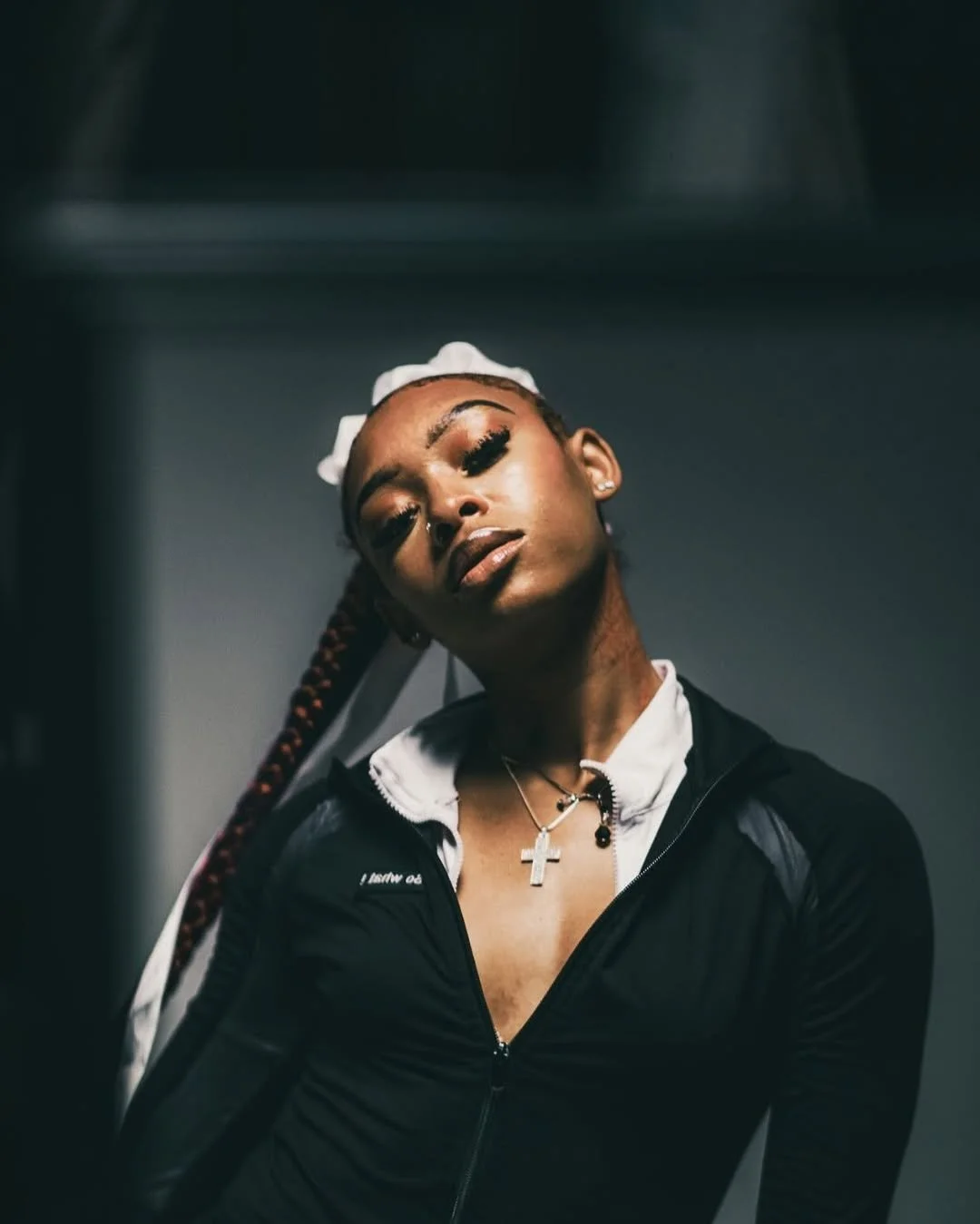
Another rising female artist in the trilogy is Iconic Savvy, featured on “True Bestie” from Maid of Honour. HotNewHipHop identifies her as a Chicago rapper who gained attention through “PSA” and has been active since her 2023 single “Hot Out.” The same report notes that Drake used her pre-chorus from “PSA” as part of the chorus on “True Bestie.” This is one of the more fascinating moves on the album because it shows Drake functioning less like a traditional collaborator and more like a curator of viral fragments. Iconic Savvy’s presence gives “True Bestie” a Chicago-rooted pulse, connecting the song to juke and ghetto-house influence while reinforcing Maid of Honour as the trilogy’s most dance-oriented project.
Her appearance also speaks to Drake’s instinct for finding artists who carry local energy before the mainstream fully absorbs them. In that sense, Iconic Savvy is not just a guest — she is part of the album’s regional DNA.
Qendresa: The R&B Sophistication on Habibti
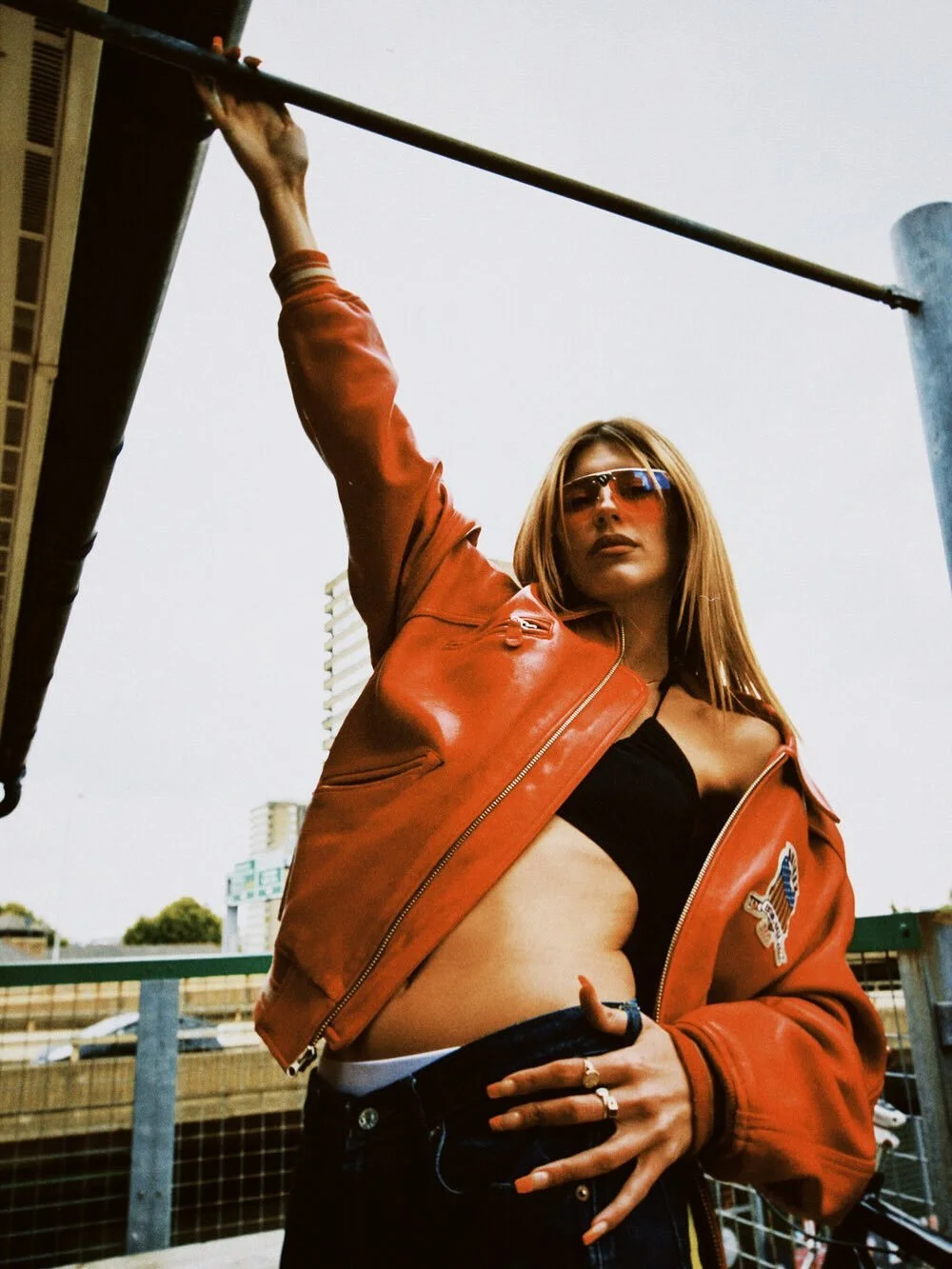
Qendresa appears on “Slap The City” from Habibti, one of the trilogy’s more atmospheric R&B moments. HotNewHipHop describes her as a singer, songwriter, DJ, and producer from North West London whose sound blends contemporary electronic textures with R&B sensibilities.
Her role on Habibti is crucial because that album is Drake’s attempt to return to a more vulnerable, nocturnal, emotionally blurred mode. Pitchfork described Habibti as the R&B act of the triple release, noting that Qendresa’s vocals bring life to “Slap The City.” Where Sexyy Red adds noise and personality, Qendresa adds elegance.
She gives the project a softer, more vaporous energy — the kind of late-night emotional sheen that has always been central to Drake’s appeal. Her contribution helps Habibti feel less like a standard rap album and more like a moody confession room.
Drake’s Mother: The Emotional Figure on Maid of Honour
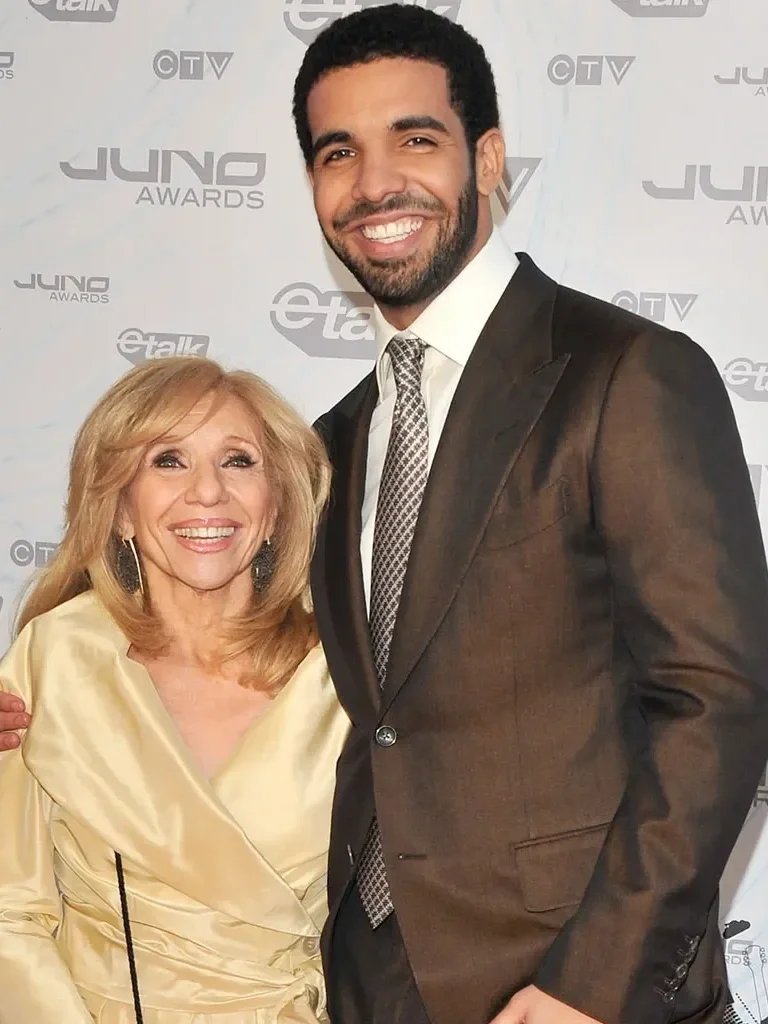
The most personal woman attached to the trilogy may not be a featured artist at all. The cover of Maid of Honour reportedly features an image of Drake’s mother as a young woman.
That detail matters. In a rollout filled with club songs, rap flexes, romantic paranoia, and public image repair, placing his mother on the cover introduces a strangely intimate counterweight. The title Maid of Honour already evokes ceremony, loyalty, femininity, and family symbolism.
By using his mother’s image, Drake frames the album not only as a party record, but also as a meditation on approval, memory, and the women who shape identity before fame ever arrives. It is one of the subtler emotional gestures in the trilogy — and perhaps one of the most revealing.
Why the Women Matter on Drake’s New Albums
The women on Iceman, Maid of Honour, and Habibti are not all presented the same way. Molly Santana brings underground rap electricity. Sexyy Red brings mainstream chaos and club momentum. Stunna Sandy and Iconic Savvy represent viral regional freshness. Qendresa brings refined R&B atmosphere. Drake’s mother adds personal history. The mystery woman on Habibti adds visual tension.
Together, they form a strange but compelling feminine constellation around Drake’s 2026 trilogy. Some women are voices. Some are symbols. Some are muses. Some are reflections of the marketplace Drake is trying to dominate again.
And that is the larger story: Drake’s new albums are not simply about women in the romantic sense. They are about how women shape his sound, his image, his anxieties, his search for relevance, and his ability to remain plugged into the culture’s next current before it becomes obvious to everyone else.
Enjoyed the read? Consider showing your support by leaving a tip for the writer
Featured







Follow Us














Sometimes the body clocks in while the mind has already blown past the city limits. San Antonio five-piece Mahogany Drift turns that disconnect into pure voltage on “Headspace,” their debut single and the first introduction to the forthcoming Sentry EP. Heavy electric guitar riffs come in thick…