
Spurs-Thunder Becomes Most-Watched Conference Final in 24 Years: Why the NBA Is Booming Again
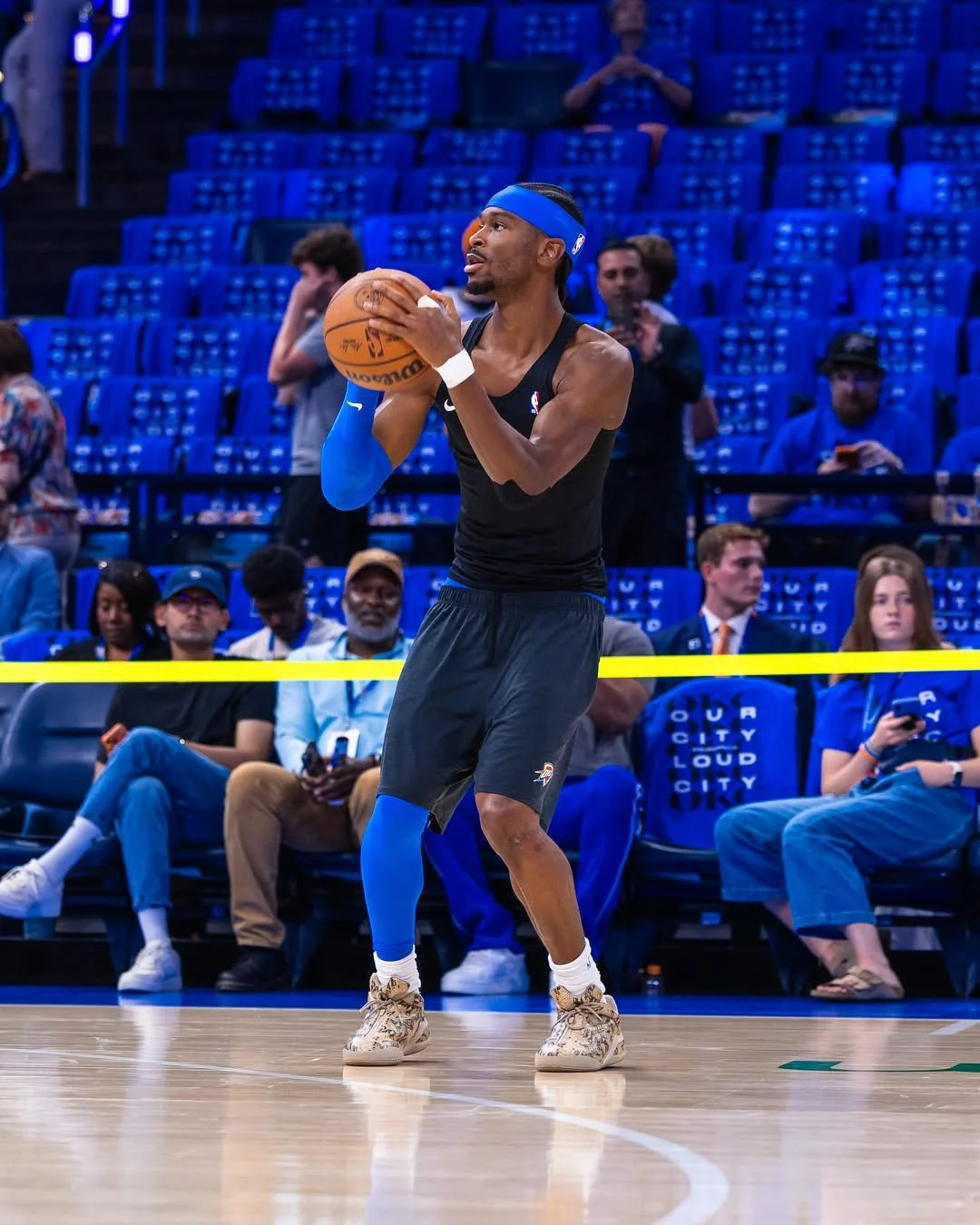
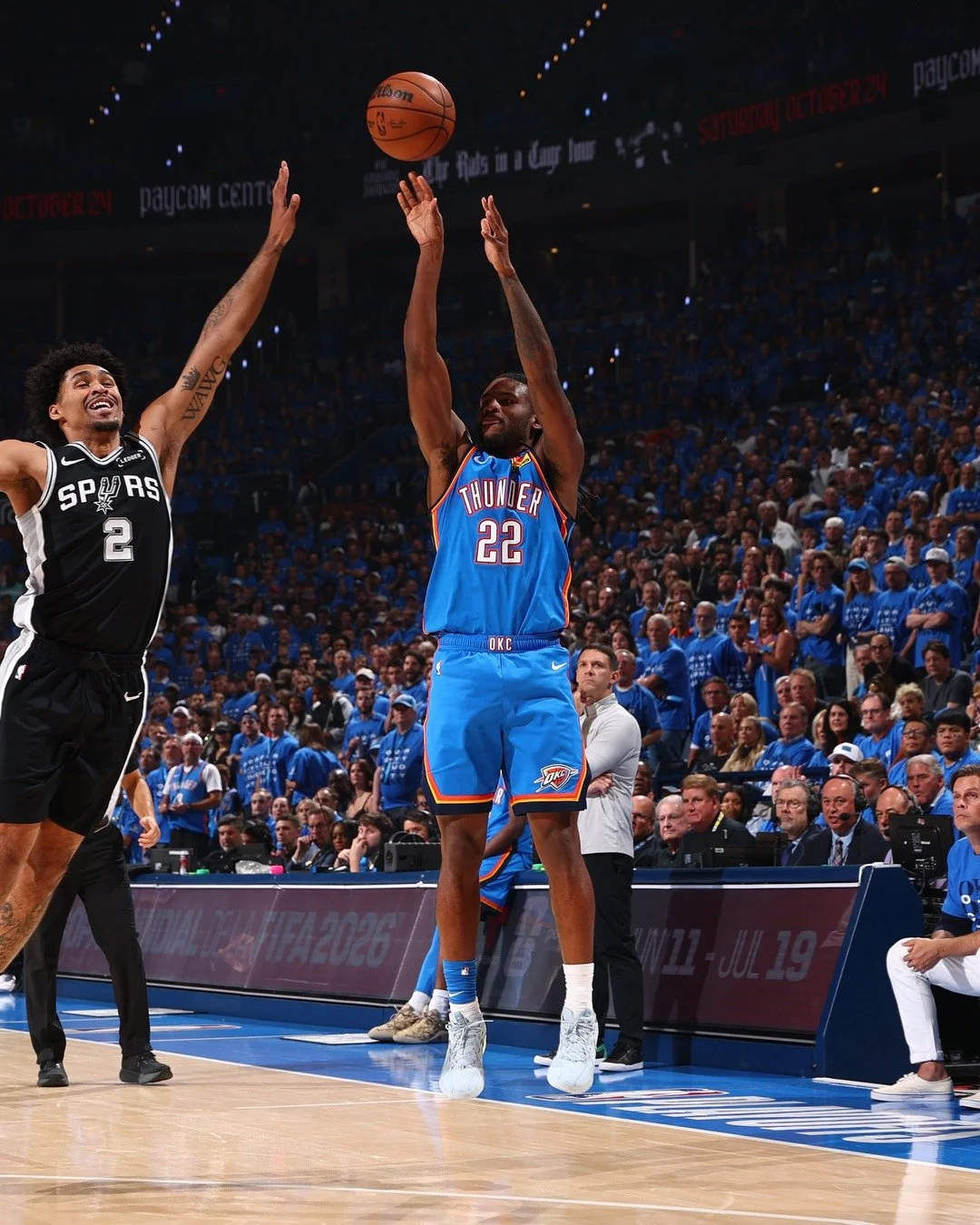
The NBA has been waiting for a new ratings earthquake, and Spurs-Thunder finally delivered it. The 2026 Western Conference Finals between the San Antonio Spurs and Oklahoma City Thunder became the most-watched NBA Conference Final in 24 years, averaging 10.8 million viewers per game on NBC and Peacock. Game 7 pushed the spectacle even higher, drawing 15.9 million viewers on average and peaking at 17.7 million. Those numbers are not just impressive. They are a cultural flare in the sky.
For years, the NBA has faced a complicated question: could the league maintain mainstream dominance as the LeBron James, Stephen Curry, and Kevin Durant era gradually moved toward its twilight? The Spurs-Thunder series offered a powerful answer. The league is not merely surviving the transition. It may be entering a new, younger, stranger, and more global chapter of popularity.
At the centre of that boom was the perfect storm of talent, tension, and timing. Victor Wembanyama and Shai Gilgeous-Alexander gave the Western Conference Finals two magnetic stars with very different energies. Wembanyama represents the future in almost mythological form: a towering, skillful, defensive anomaly who seems to bend the geometry of basketball. Gilgeous-Alexander represents elite modern guard play: smooth, surgical, patient, and lethal in the half court. Together, they created a matchup that felt less like a normal playoff series and more like a generational referendum.
That is exactly what the NBA needed.
The league’s biggest ratings moments often come when fans feel they are watching history before it fully hardens into history. Spurs-Thunder had that texture. It was not just about who would reach the NBA Finals. It was about whether Wembanyama’s rise was already ahead of schedule, whether the defending champion Thunder could protect their throne, and whether the next era of the NBA had officially announced itself. Game 7 gave the series its exclamation point. The Spurs defeated the Thunder 111–103, ending Oklahoma City’s title defense and sending San Antonio to its first NBA Finals since 2014. But beyond the result, the game worked because it had stakes that even casual fans could understand. Young superstar. Defending champion. Road Game 7. Finals berth. Historic franchise revival. That is not just sports programming. That is narrative combustion.
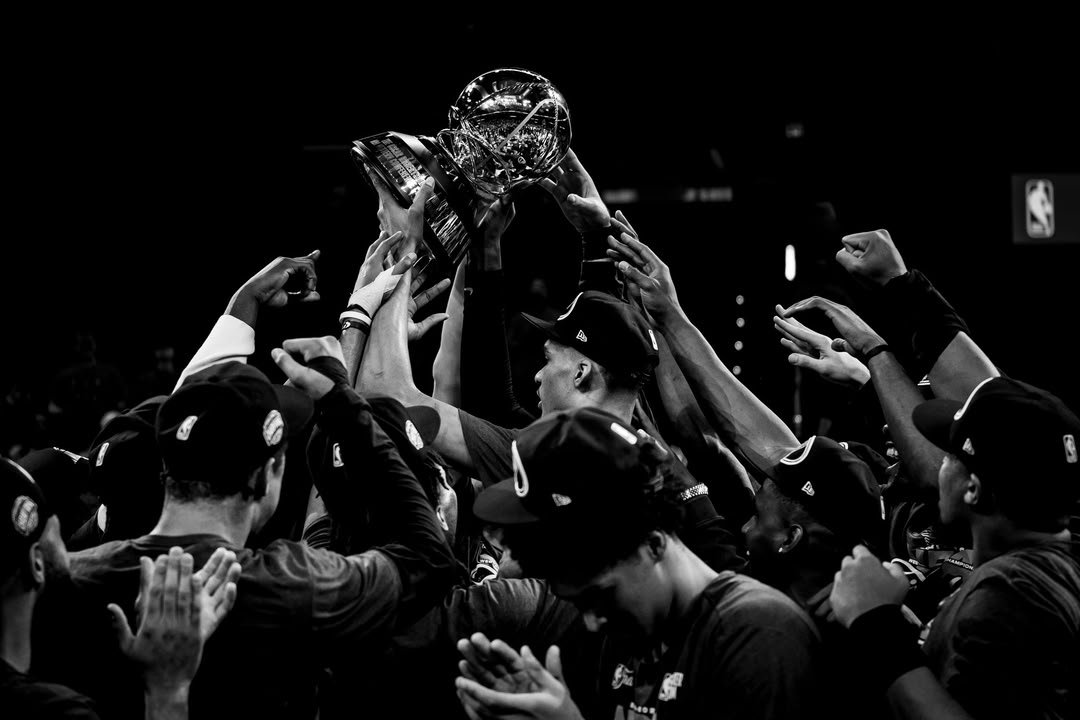
The NBA is booming again because the product feels fresh without losing its emotional roots. San Antonio’s return carries dynasty nostalgia. The Spurs are not some random franchise suddenly appearing on the main stage. They are one of the defining organizations of the modern NBA, the team of Tim Duncan, Gregg Popovich, Tony Parker, Manu Ginóbili, and the beautiful-game 2014 championship. Seeing them return with Wembanyama creates continuity between basketball’s past and future. Oklahoma City, meanwhile, gave the series a different kind of power. The Thunder have become a model of modern team-building: young talent, smart drafting, defensive versatility, and a superstar in Gilgeous-Alexander who has developed into one of the league’s most respected players. Their presence made the series feel like a collision between two elite basketball laboratories.
That is the new NBA sweet spot. Fans are not only watching legacy teams anymore. They are watching intelligently built franchises with young stars, clear identities, and long-term championship stakes. The media environment also matters. The series aired across NBC and Peacock, combining traditional television reach with streaming accessibility. That dual-platform setup reflects how sports consumption now works. Some fans still gather around live TV. Others watch through apps, clips, second screens, and social media. The NBA’s advantage is that its product travels unusually well across all of those formats.
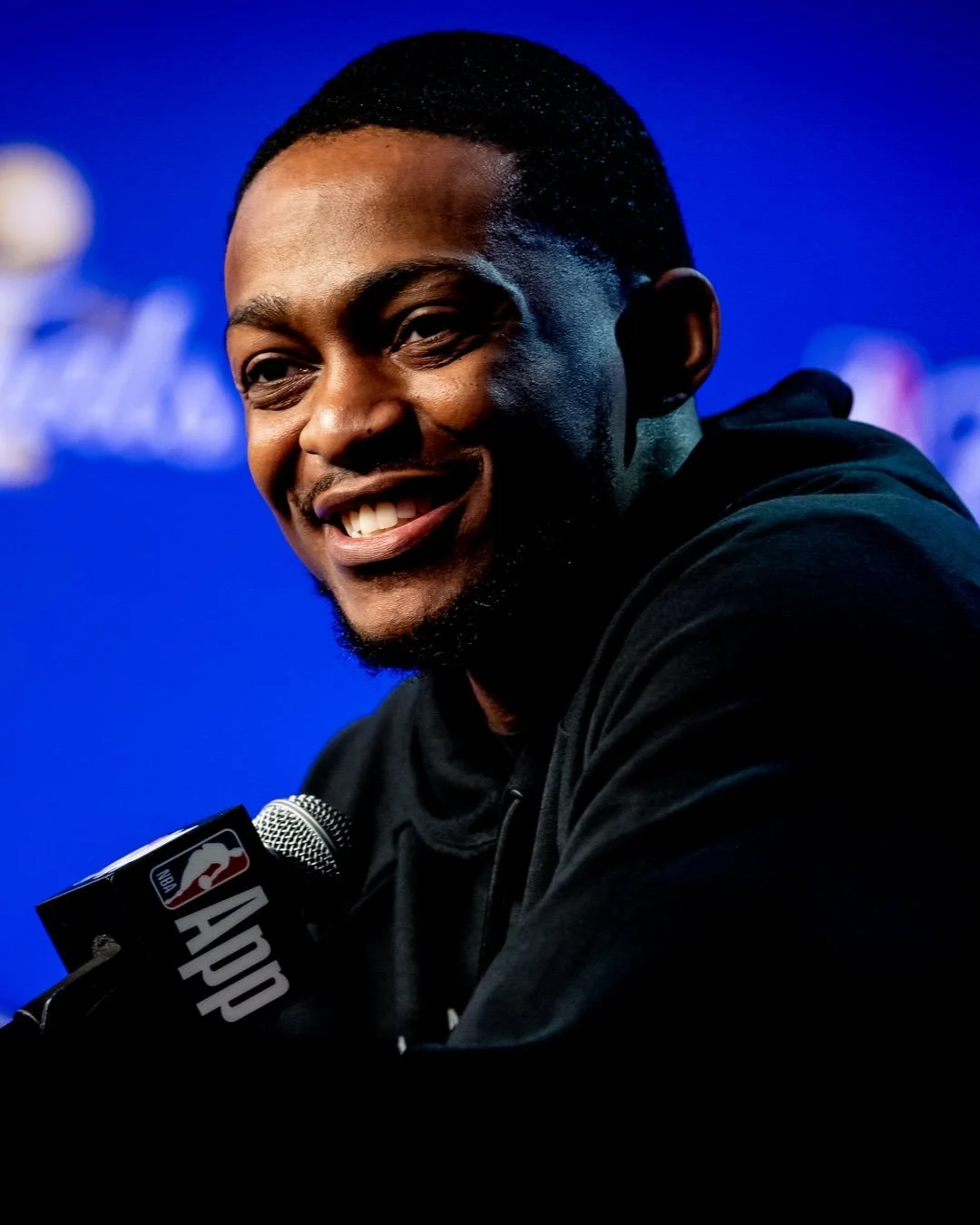
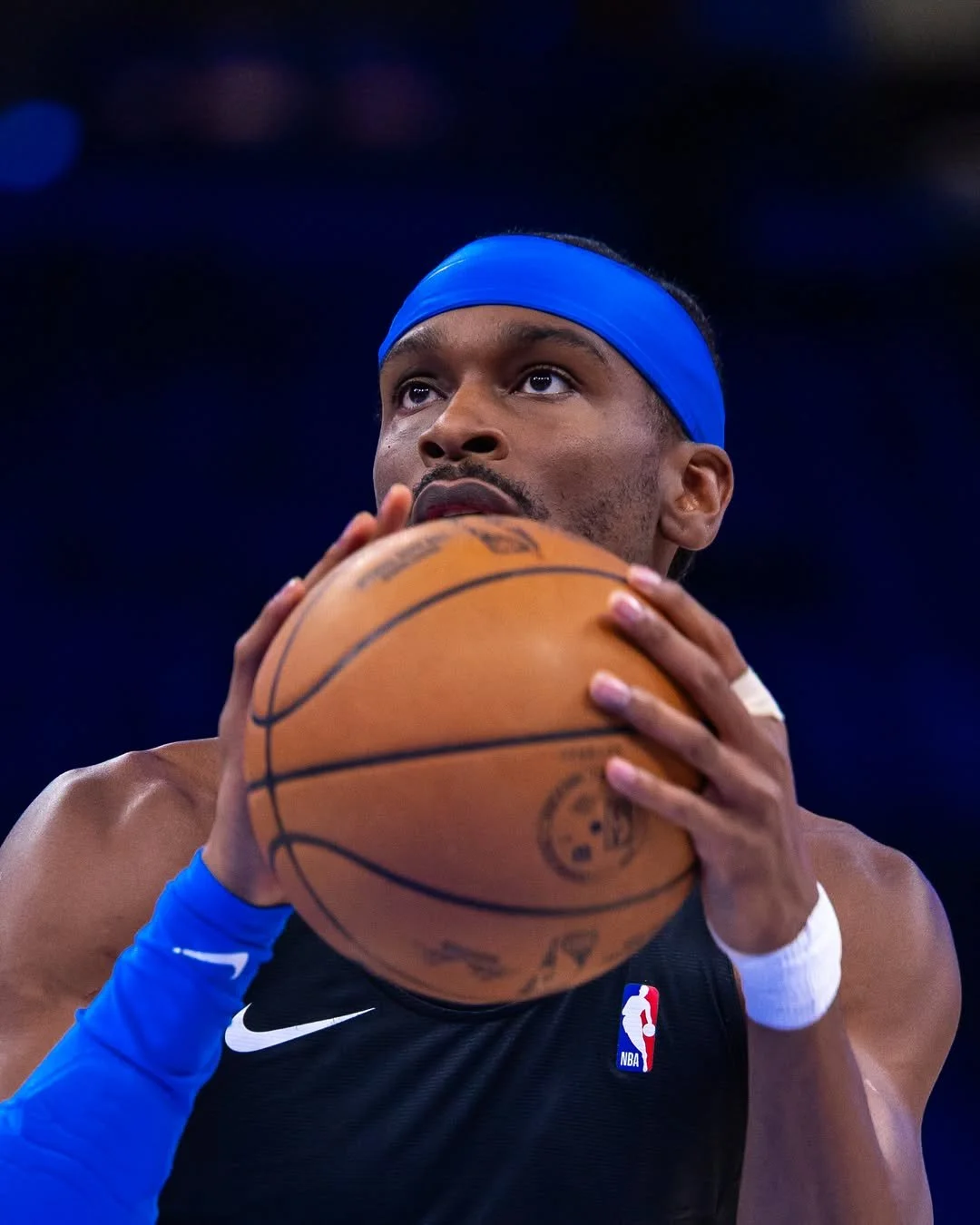
A single Wembanyama block can become a viral clip. A Shai Gilgeous-Alexander isolation can become a tactical breakdown. A Game 7 reaction can become a meme. A fourth-quarter run can dominate timelines in real time. This is why the reported social engagement around Spurs-Thunder matters so much. The series was not only watched; it was circulated, argued over, remixed, and amplified. That digital afterlife is one of the biggest reasons the NBA remains uniquely powerful among American sports leagues. Basketball is built for highlights. It has individual charisma, visible faces, rapid scoring swings, and constant stylistic expression. When the stars are compelling, the league becomes a content machine with a live-game engine at its centre.
Spurs-Thunder also benefited from genuine competitive uncertainty. Blowouts may produce highlights, but suspense produces appointment viewing. The series went seven games, included major momentum shifts, and forced fans to keep recalculating what they believed. The Thunder looked capable of defending their title. The Spurs looked fearless. Wembanyama looked inevitable one night and vulnerable the next. That instability made the series addictive. Another factor is the league’s successful generational handoff. The NBA has spent years promoting young stars, but 2026 feels like the moment where that investment is starting to pay off in public. Wembanyama, Gilgeous-Alexander, Anthony Edwards, Luka Dončić, Jayson Tatum, Jalen Brunson, Tyrese Haliburton, and other modern stars have made the league feel less dependent on one or two aging icons. Fans now have multiple entry points.
That matters for ratings because the NBA no longer needs a single saviour. It has an ecosystem.
The upcoming Knicks-Spurs Finals only adds to that momentum. New York is back in the Finals for the first time since 1999, while San Antonio has returned behind the most fascinating young player in basketball. That matchup gives the NBA market size, history, star power, and generational intrigue all at once. If Spurs-Thunder was the spark, Knicks-Spurs could become the bonfire. What makes the current boom especially interesting is that it does not feel purely manufactured. The league has always been brilliant at marketing its stars, but this playoff surge has been powered by real competition. The numbers are rising because the games feel consequential. Fans can sense when a league is forcing a storyline, and they can also sense when a storyline is organically erupting. Spurs-Thunder was the latter.
The series also challenged an old assumption that only massive coastal markets can drive huge NBA audiences. San Antonio and Oklahoma City are not Los Angeles, New York, Chicago, or Boston. Yet the viewership was enormous. That proves star power and stakes can still overcome market-size anxiety. A compelling matchup can turn any city into the centre of the basketball universe. For the NBA, that is extremely valuable. It means the league can sell the future around players and stories, not just zip codes.
So, why is the NBA booming again? Because the sport has found its next wave of faces. Because playoff basketball still creates urgency in a fragmented entertainment world. Because streaming and social media are expanding the audience instead of simply replacing television. Because franchises like San Antonio and Oklahoma City are giving fans fresh rivalries with genuine substance. And because the league’s young stars are no longer theoretical future attractions. They are already producing historic moments.
Spurs-Thunder became the most-watched Conference Final in 24 years because it offered everything modern sports needs: spectacle, suspense, identity, youth, legacy, and viral power. It reminded fans that the NBA is at its best when the next era does not politely ask to enter. It crashes through the door.
And right now, the door is wide open.
Enjoyed the read? Consider showing your support by leaving a tip for the writer
Featured







Follow Us












Wendy Bruner and Christopher Grundy construct “Toward Shalom” around warmth rather than spectacle, allowing its ideas of belonging, completeness, and social acceptance to develop inside an intentionally unvarnished frame. Written by Bruner and Monty Jackson and produced…