
Noah Kahan Earns His First No. 1 Album With The Great Divide, Marking a Career-Defining Breakthrough
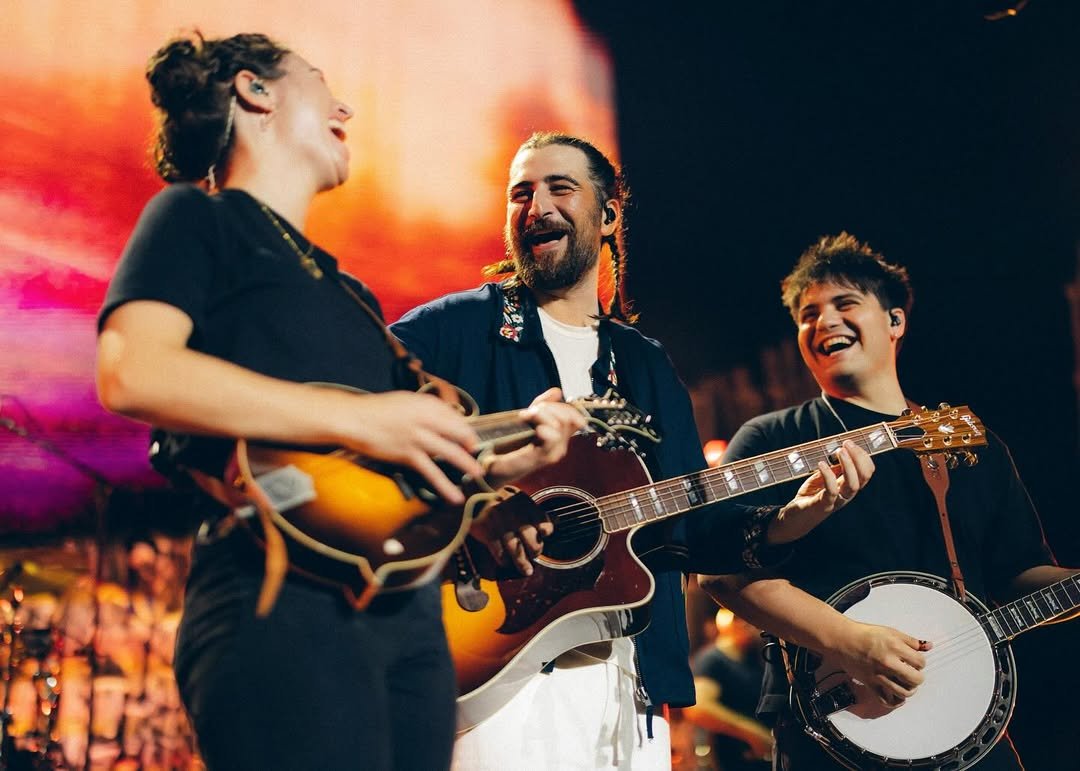
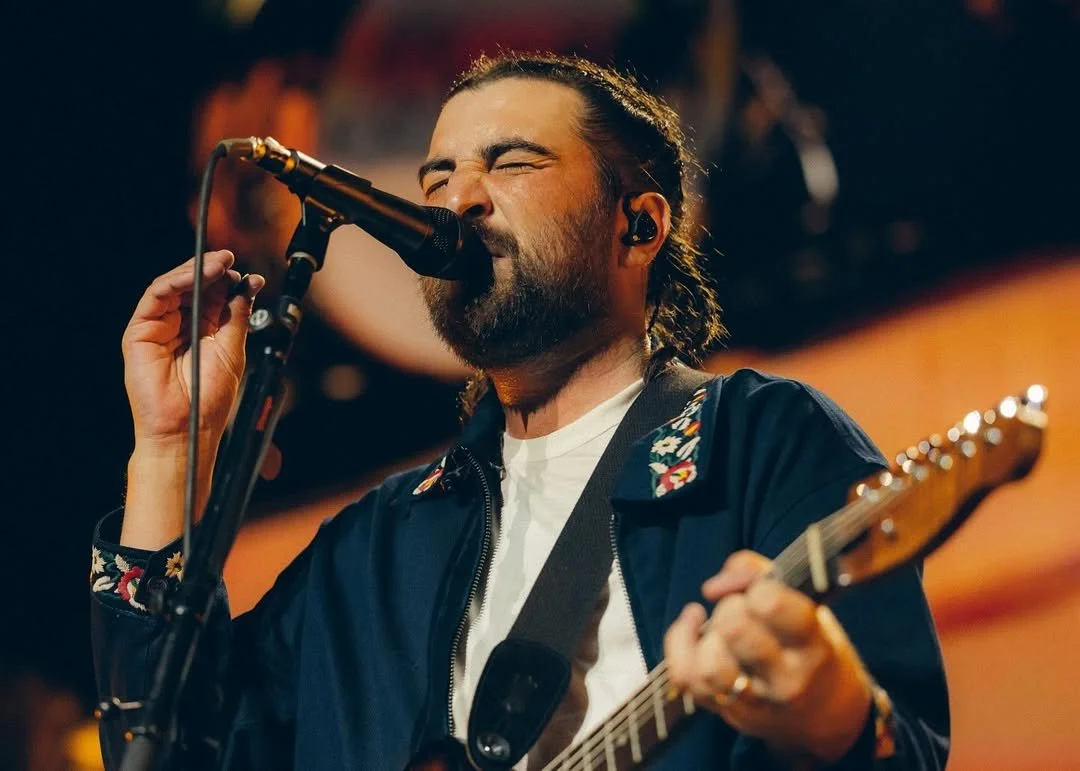
Noah Kahan has officially entered a new chapter of his career. The Vermont singer-songwriter, already beloved for his emotionally raw storytelling and folk-pop candour, has now earned one of the biggest accomplishments of his musical journey: his first No. 1 album on the Billboard 200 with The Great Divide. The achievement marks a powerful turning point for an artist who transformed intimate small-town reflections into a global language of vulnerability, anxiety, healing, and home.
Released on April 24, 2026, The Great Divide arrived as one of the year’s most anticipated albums, following the enormous success of Kahan’s 2022 breakthrough project Stick Season. Universal Music Canada described the album as a highly awaited release from the two-time Grammy-nominated, multi-platinum artist, noting that it features the singles “The Great Divide” and “Porch Light.” The album was produced by Gabe Simon and Grammy-winning producer Aaron Dessner, whose résumé includes work with Taylor Swift and Bon Iver. The commercial response was immediate. The Great Divide debuted at No. 1 on the Billboard 200, giving Noah Kahan the first chart-topping album of his career. According to reports, the album opened with 389,000 equivalent album units in its first week, a remarkable figure that underlines just how far Kahan’s reach has grown beyond the folk-pop niche.
That number is not just impressive; it is symbolic. Kahan’s rise has never felt like the result of artificial industry machinery. His appeal is built on the kind of songwriting that feels scraped from the ribs: specific, conversational, wounded, funny, and deeply human. With Stick Season, he became the voice of homesick overthinkers, small-town escapees, and emotionally exhausted listeners trying to make sense of adulthood. With The Great Divide, he has proven that his connection with audiences is not a one-album phenomenon.
Part of what makes this accomplishment so compelling is the emotional context behind it. In April 2026, Kahan opened up about the disappointment he felt after losing Best New Artist at the 2024 Grammy Awards, explaining that the experience pushed him to re-evaluate what truly mattered in his career. He said he eventually realized that what mattered most was the story he could tell through music, rather than outside validation.
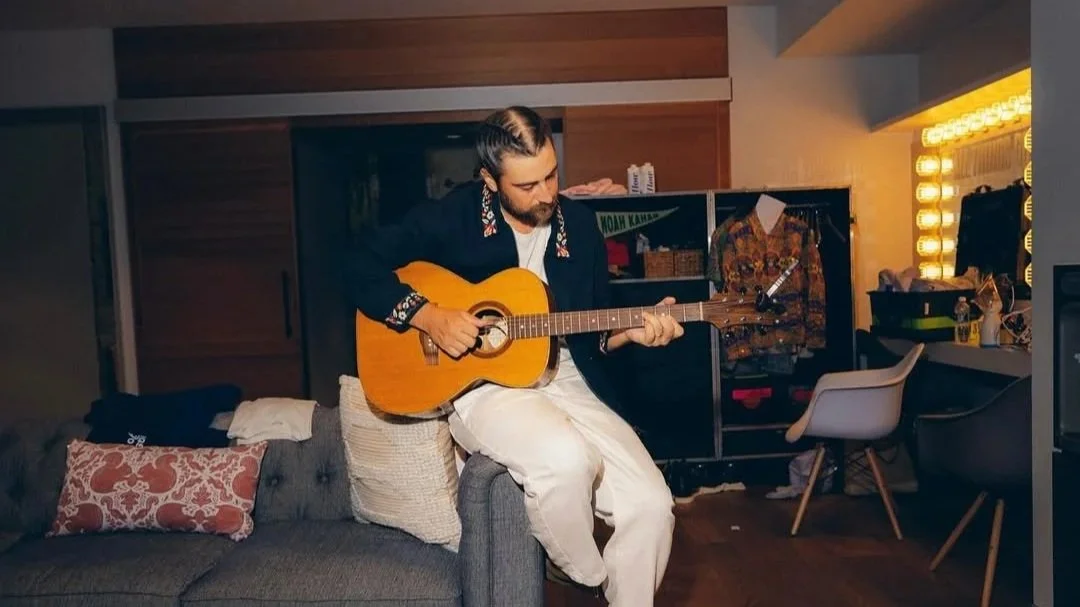
That reflection makes the success of The Great Divide feel even more resonant. Kahan’s first No. 1 album is not simply a trophy-shaped headline. It represents an artist arriving at the summit after wrestling with doubt, pressure, and the emotional disorientation that often follows sudden fame. In a pop landscape obsessed with instant momentum, his story carries a slower, earthier kind of power.
The album also arrives during a massive year for Kahan on the road. Billboard Canada reported that he announced a 23-show North American stadium tour beginning June 11, 2026, with dates including Toronto’s Rogers Stadium on June 28 and Vancouver’s BC Place on August 28. The tour continues his work with The Busyhead Project, his mental health initiative, reinforcing the idea that his success is tied not only to performance, but also to community-building.
This is where Noah Kahan’s recent accomplishment becomes bigger than chart numbers. His music has created a rare kind of fan devotion because it speaks to people without pretending to have clean answers. He writes about family, distance, depression, guilt, memory, hometown identity, and the strange grief of becoming someone new while still feeling attached to who you used to be. That emotional specificity has become his superpower.
The Great Divide also strengthens Kahan’s position as one of the defining singer-songwriters of the current era. While many artists chase broad relatability by smoothing out every rough edge, Kahan does the opposite. He leans into the peculiar details: the geographic ache, the family ghosts, the awkward humour, the psychic mildew of overthinking. That is why his songs travel so well. They are local enough to feel real, but open enough for millions of listeners to find themselves inside them.
His No. 1 debut also suggests that folk-pop, when handled with honesty and strong melodic instinct, can still compete at the highest commercial level. Kahan’s sound is not built around maximalist pop spectacle. It is rooted in acoustic textures, emotional crescendo, and lyrical density. The fact that an album of this nature could debut at the top of the Billboard 200 speaks to a wider appetite for music that feels narratively rich and emotionally unvarnished.
For longtime fans, this milestone feels like vindication. They watched Kahan grow from a sharp, introspective songwriter into an arena and stadium-level artist without losing the nervous electricity that made his early work special. For newer listeners, The Great Divide offers a clear entry point into his world: tender, restless, sometimes wounded, but never emotionally hollow.
Ultimately, Noah Kahan earning his first No. 1 album with The Great Divide is one of the most important music accomplishments of 2026. It confirms his evolution from breakout folk-pop favourite to major global artist, while preserving the emotional candour that made his rise feel so personal in the first place. Noah Kahan did not just top a chart. He turned introspection into a mass gathering, proving that songs about fear, home, memory, and self-doubt can still become colossal when they are written with enough truth.
Enjoyed the read? Consider showing your support by leaving a tip for the writer
Featured





Follow Us









Sometimes the body clocks in while the mind has already blown past the city limits. San Antonio five-piece Mahogany Drift turns that disconnect into pure voltage on “Headspace,” their debut single and the first introduction to the forthcoming Sentry EP. Heavy electric guitar riffs come in thick…