
NBA’s New 3-2-1 Draft Lottery Explained: How the Anti-Tanking System Changes Everything
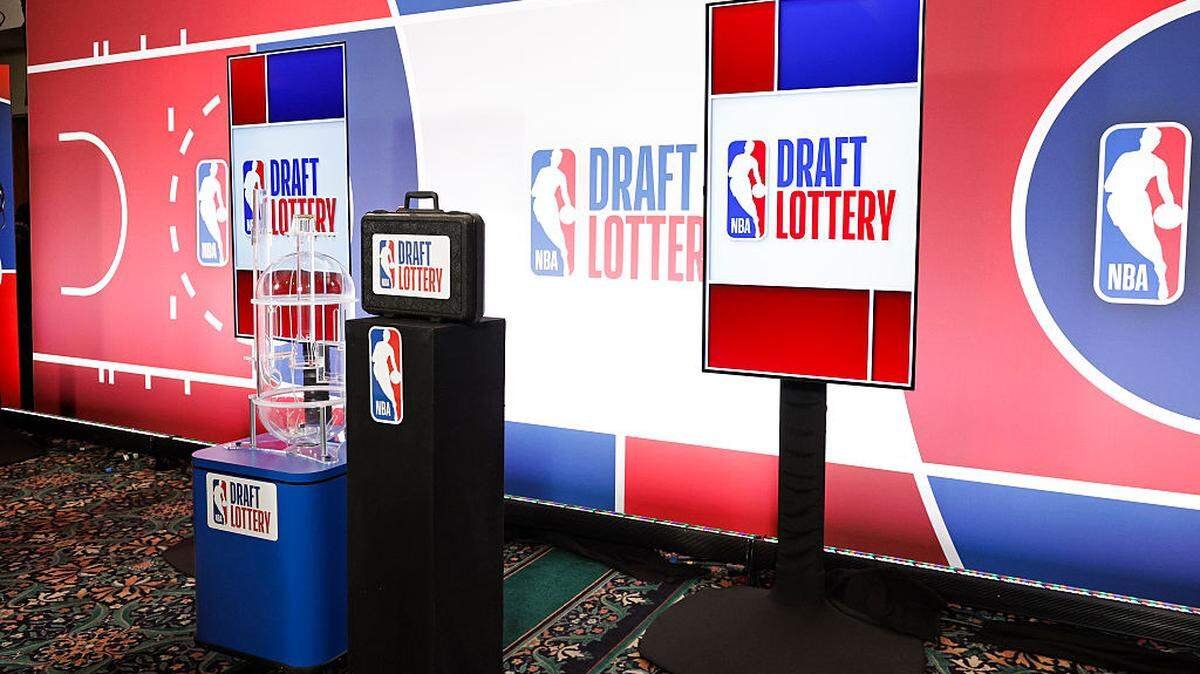
The NBA has spent years trying to solve one of its most awkward competitive problems: tanking. For decades, struggling teams had a familiar incentive. Lose more games, finish near the bottom of the standings, and improve your odds of landing a franchise-changing prospect. The league’s new 3-2-1 Draft Lottery system is built to rupture that logic.
Starting with the 2027 NBA Draft, the lottery will no longer operate like a simple consolation prize for the worst teams in basketball. Instead, the NBA is expanding the lottery from 14 teams to 16 teams and giving each eligible team either three, two, or one lottery ball. That sounds simple, but the consequences could be enormous.
Under the new format, the teams that miss both the playoffs and the Play-In Tournament receive the strongest lottery position — except for the three worst teams in the league. Those bottom-three teams will be “draft relegated,” meaning they lose one lottery ball and receive only two instead of three. In plain English: being terrible no longer gives a team the cleanest path to the No. 1 pick.
That is the philosophical bombshell of this reform. The NBA is no longer merely flattening lottery odds; it is actively punishing the deepest form of losing. The message to front offices is unmistakable: rebuilding is acceptable, but intentionally drifting into the abyss will no longer be rewarded with the best odds.
The Play-In Tournament is also woven directly into the new system. The No. 9 and No. 10 Play-In seeds in each conference receive two lottery balls, while the losers of the No. 7 vs. No. 8 Play-In games receive one lottery ball. This creates a more layered postseason economy, where teams are still encouraged to compete for Play-In positioning rather than quietly sliding down the standings.
Perhaps the most dramatic change is that the lottery drawing will now determine the order of the first 16 picks. Previously, the lottery determined only the top selections before the rest of the order followed the standings. Now, every lottery team is placed into a more volatile, ping-pong-ball-driven system. That means front offices may face a more unpredictable draft board, and fans may see more shocking movement on lottery night.
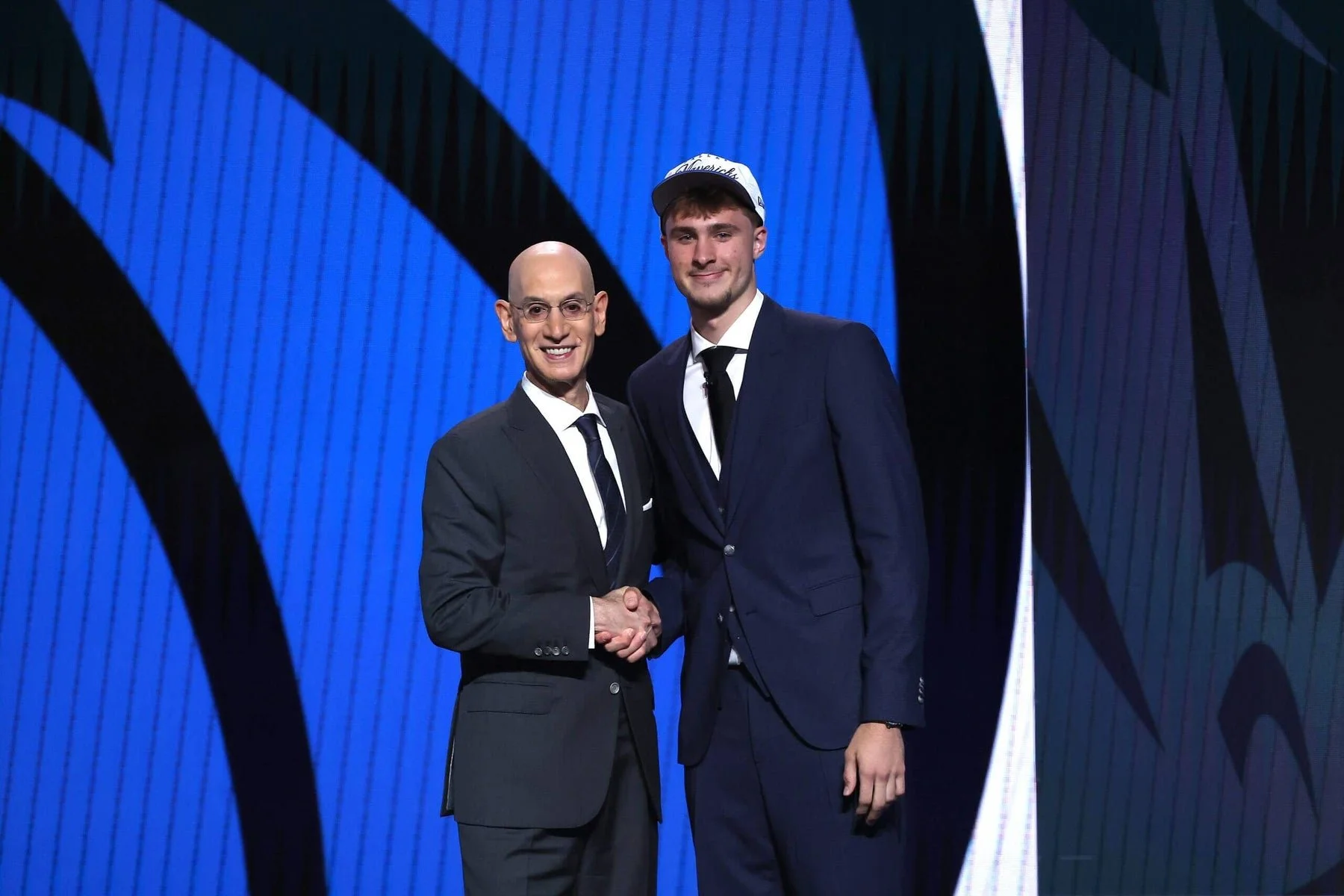
The new structure also includes important guardrails. A team’s own pick cannot become the No. 1 pick in consecutive drafts. In addition, a team cannot receive a top-five pick with its own selection in three straight drafts. These restrictions are designed to stop organizations from living permanently in the lottery’s penthouse while selling fans a never-ending rebuild.
There is also a major trade-market wrinkle. Teams will no longer be able to attach top-12 through top-15 protections to newly traded draft picks. That may sound technical, but it could significantly alter how franchises negotiate future picks. Draft protections have become a kind of front-office chess language, allowing teams to trade picks while limiting disaster. The NBA’s new restriction makes certain pick-trading structures less flexible, which could make future first-rounders even more complicated to value.
The league is also giving itself expanded disciplinary power. If a team is found to be manipulating competitive integrity, the NBA can reduce its lottery odds, alter its draft position, or issue significant fines. In other words, the 3-2-1 system is not just a mathematical reform. It is also a behavioural warning.
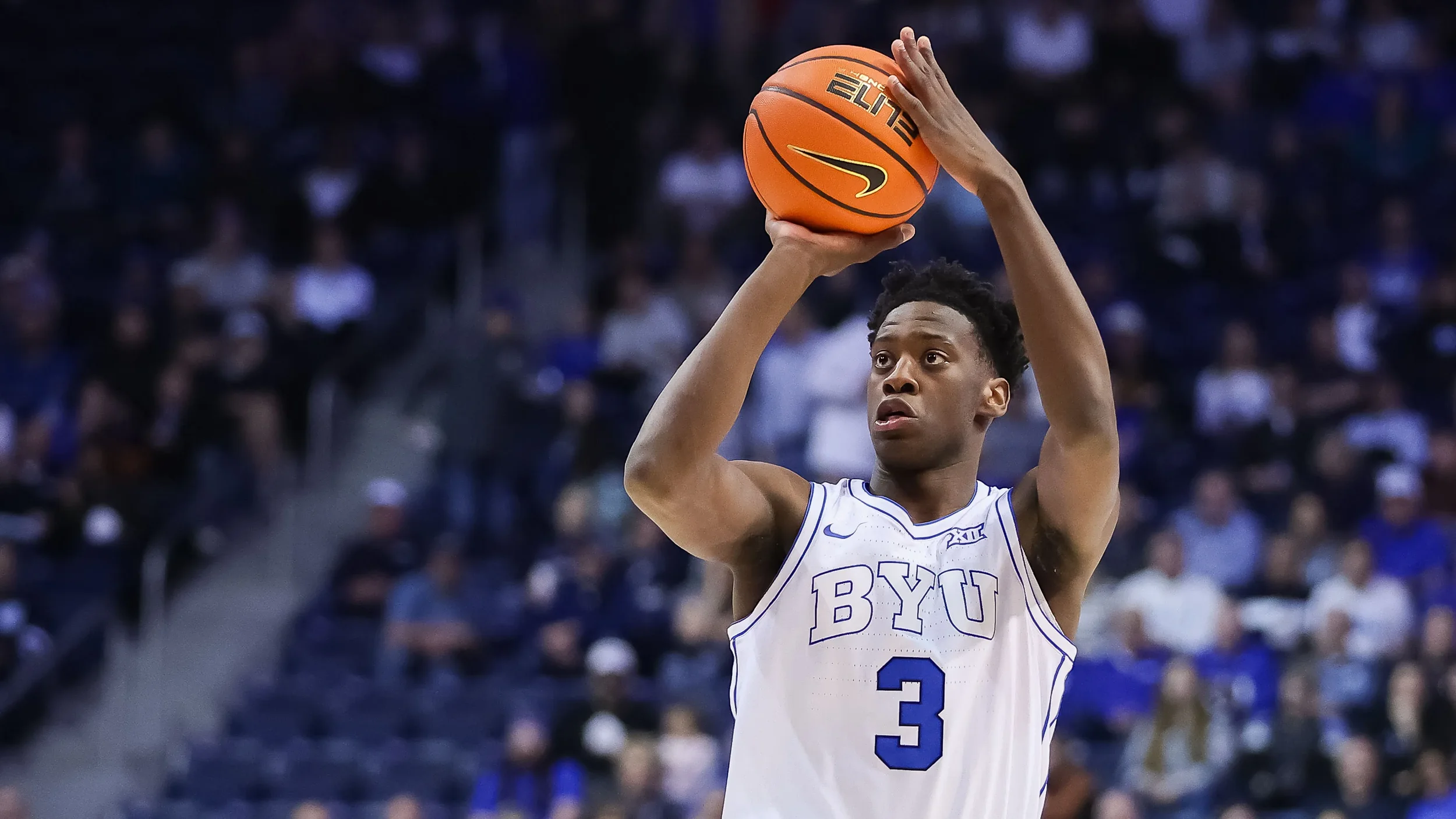
For fans, the biggest question is whether this will actually stop tanking. The answer is complicated. The new model clearly reduces the incentive to become one of the three worst teams. A franchise sitting near the basement may now have a reason to chase wins instead of quietly embracing embarrassment. That could improve late-season basketball, especially in March and April when non-playoff teams often drift into a grey zone of “development,” “rest,” and suspiciously convenient losing.
However, the system may create new strategic distortions. Teams may not want to be truly awful, but they may still want to land in the most favourable three-ball zone. Instead of tanking to the bottom, some teams could theoretically manage their season to finish outside the Play-In but above the league’s worst three records. The NBA may have killed one monster while creating a smaller, stranger one.
Still, the reform feels like one of the league’s boldest attempts to defend competitive balance. The worst record in the NBA will no longer carry the same seductive promise. The Play-In bubble becomes more meaningful. Middle-lottery teams gain more power. Rebuilding teams must now prove they are developing, not merely deteriorating.
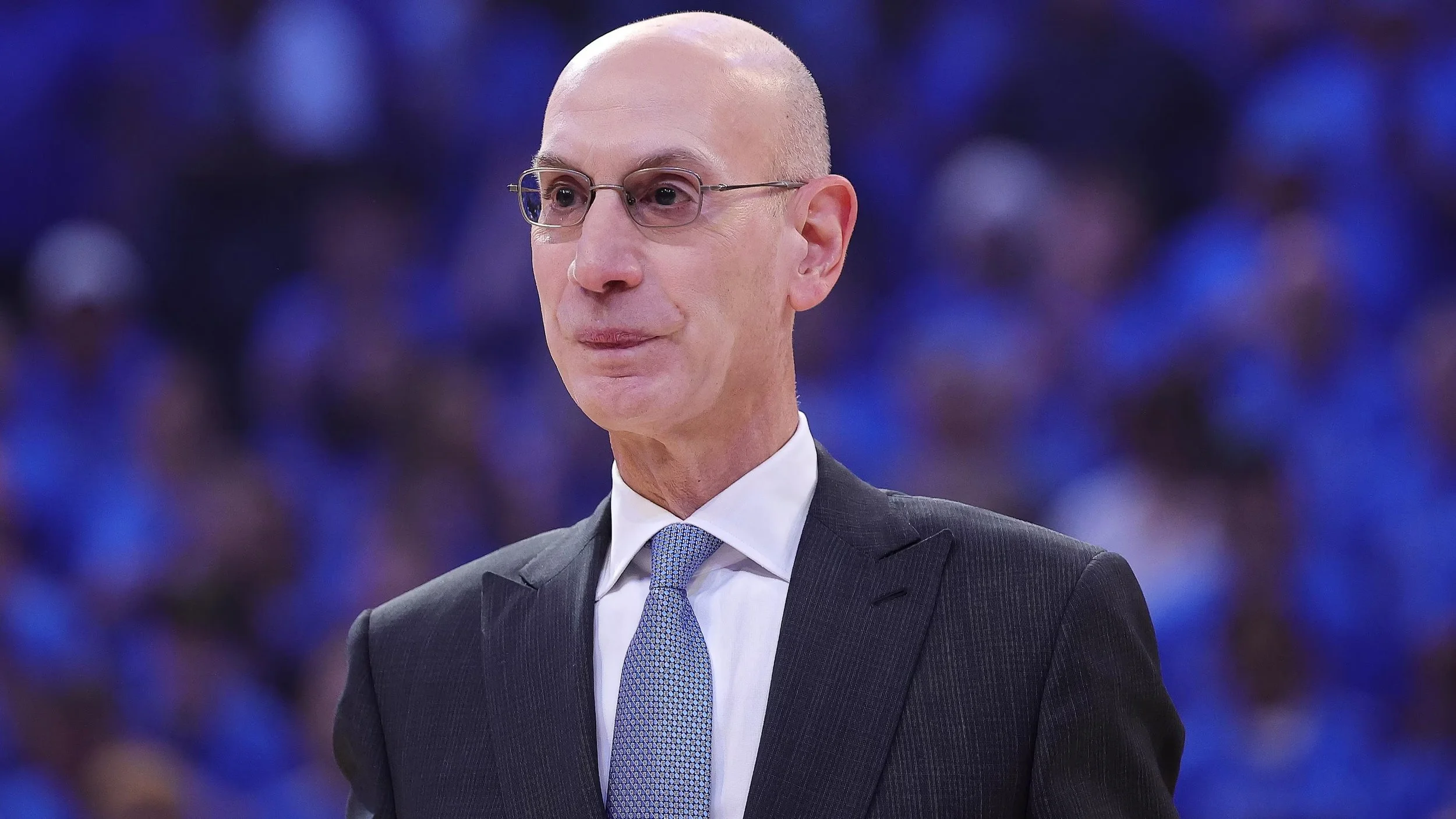
The 3-2-1 Lottery also reflects Adam Silver’s broader vision for the NBA: fewer dead games, fewer cynical rebuilds, and more franchises trying to remain respectable. The league wants hope without humiliation. It wants parity without rewarding theatrical failure. It wants young stars to go to struggling teams, but not necessarily to teams that spent six months turning losing into a corporate philosophy.
Whether the system works will depend on execution, enforcement, and how cleverly front offices adapt. NBA teams are not naïve; they will study every incentive, every percentage, and every loophole. But the league has clearly changed the conversation. Tanking is no longer just frowned upon. Under the 3-2-1 Draft Lottery, it may become mathematically foolish.
For the modern NBA, that is a massive cultural pivot. The draft lottery is no longer a soft landing for failure. It is becoming a pressure chamber for accountability.
Enjoyed the read? Consider showing your support by leaving a tip for the writer
Featured







Follow Us










Laeky’s “caller waiting” is built from emotional exposure, but its production refuses to collapse into fragility. The Australian artist threads syncopated acoustic guitar riffs through understated indie-pop drums, subtle bass, and soft synth textures, creating a frame that feels both restless and suspended. Her sultry, yearning vocal…