
Magi Merlin Steps Into Her Power on Genre-Bending Debut Album POWER HOUSE
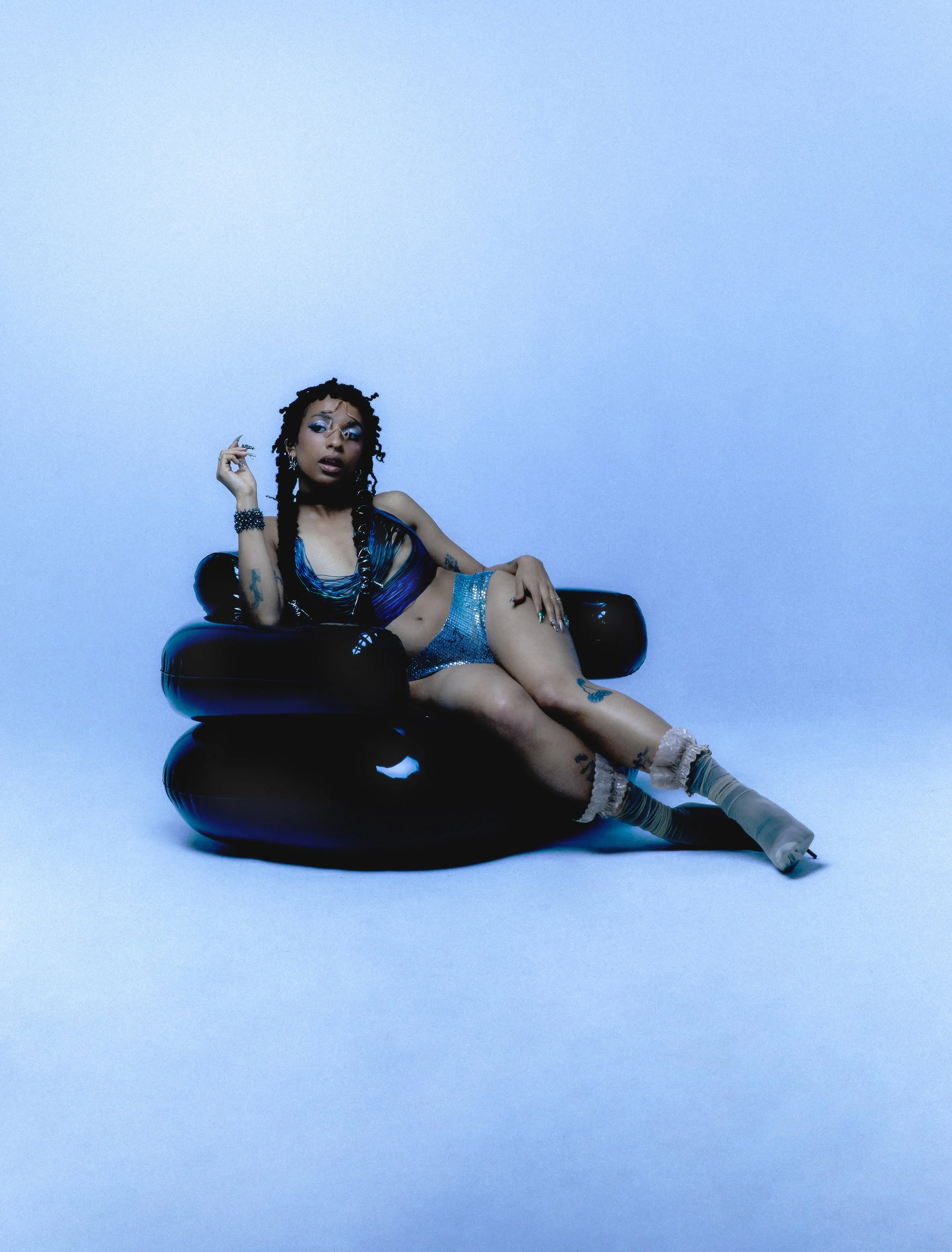

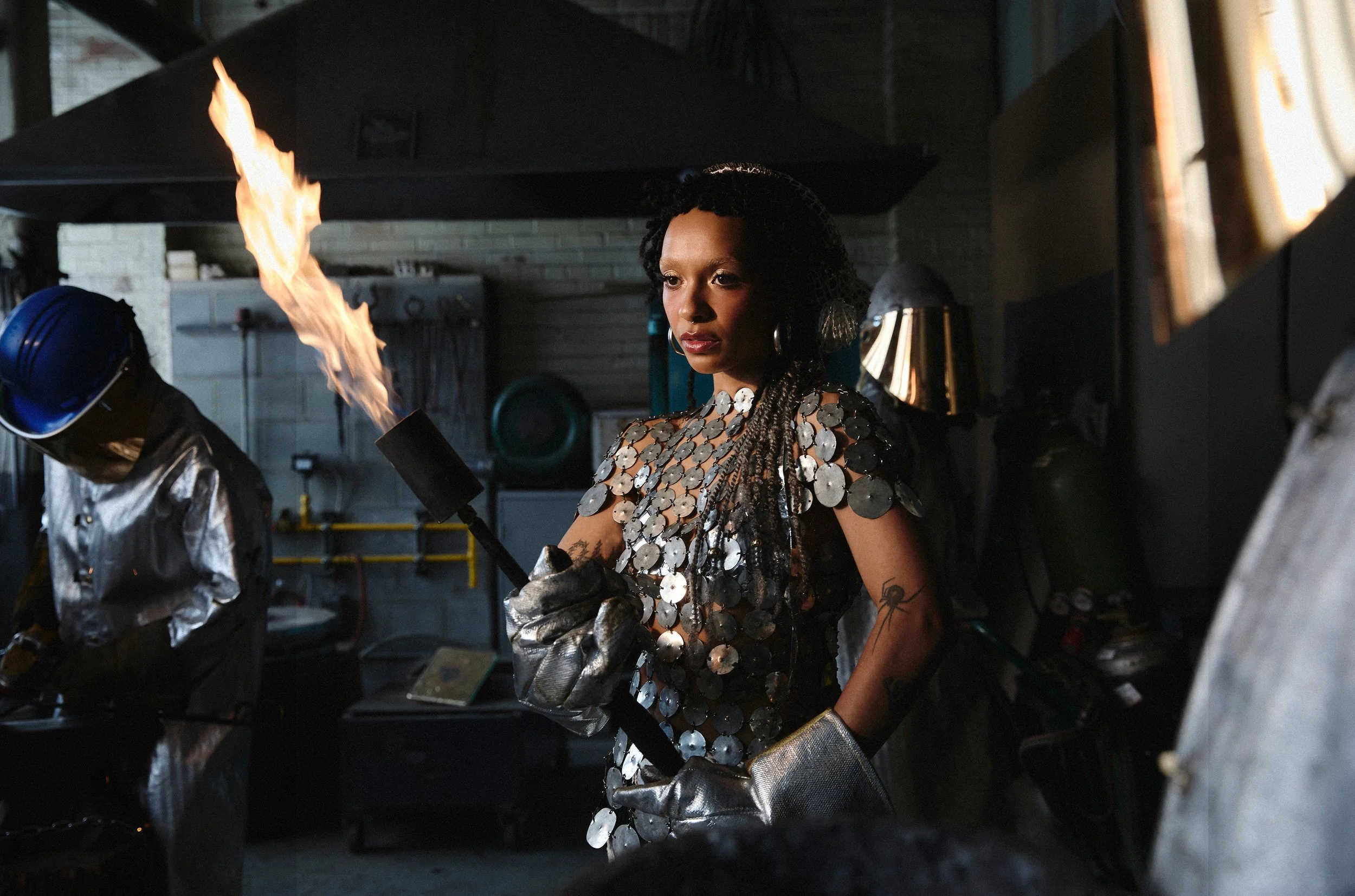
Montreal’s alternative R&B scene has rarely been interested in clean genre boundaries. Magi Merlin pushes that instinct further on “POWER HOUSE,” a debut album that treats R&B, experimental pop, soul, hip-hop and club production as materials to be pulled apart and rebuilt. Released July 10, 2026, through Bonsound, the project contains 12 tracks and is available digitally and on vinyl. The label describes the project as a polished but deliberately unpredictable modern-pop record—an accurate framing for an album that repeatedly changes shape without losing Magi Merlin’s personality at its centre. This is not a cautious debut designed to introduce every side of its creator in an orderly sequence. “POWER HOUSE” unfolds with its own language already established: playful, confrontational, sensual, sarcastic and emotionally alert.
What Is on Magi Merlin’s POWER HOUSE Tracklist?
The album includes:
- Welcome Home
- SpiceKick
- EAT!ME!OUT!
- So Smart
- Thank You!!!
- WHIP
- Crawl
- pixxxie
- Workout
- Salt
- POPSTAR
- Wtvr
Several of those songs introduced the album’s world before its release. “SpiceKick” accompanied the official album announcement in April, while “So Smart” followed in May. “pixxxie” dropped in June as the final advance single. The sequencing reveals how comfortable Merlin has become with contrast. “So Smart” is built around self-compassion and the effort required to treat oneself gently. “pixxxie,” by comparison, uses the familiar “manic pixie dream girl” stereotype to challenge the ways women are reduced to supporting characters in other people’s stories. That movement between tenderness and provocation is central to the album. Magi Merlin doesn’t present confidence as a permanent state. On the project, power can sound euphoric one moment and defensive the next.
A Debut Built Around Reinvention
Magi Merlin has long been associated with alternative R&B, but POWER HOUSE resists being contained by that description. Her earlier work drew from neo-soul, hip-hop, house and ’90s R&B while exploring identity, racism, anger and self-possession. In a previous interview about the Gone Girl EP, she described learning to write from anger instead of automatically turning toward sadness, using that change to create a more unapologetic artistic character.
“POWER HOUSE” feels like the next stage of that process. The confidence remains, but it is now surrounded by brighter pop structures, high-impact hooks and production designed to create physical movement. The album’s polished surface should not be mistaken for conventionality. Songs can begin with recognizable R&B or pop elements before introducing abrupt vocal changes, distorted details or rhythms that refuse to settle into one predictable lane. The result is music that feels immediate without becoming anonymous. That balance is difficult. Experimental music can sometimes prioritize surprise over emotional connection, while mainstream pop can sand away the very qualities that make an artist distinctive. Magi Merlin works between those extremes, using accessibility as a doorway rather than a limitation.
Why POWER HOUSE Matters for Montreal R&B
Montreal has produced a generation of artists comfortable moving between languages, genres and creative communities. Magi Merlin adds another perspective to that ecosystem: alternative R&B that is deeply connected to pop performance but unwilling to adopt a single commercial template. Her presence at Osheaga in 2025 gave her an important hometown platform, while her 2026 schedule includes European festival dates and headline shows in Montreal, Toronto and London. A Montreal performance is scheduled for September 17 at Foufounes Électriques.
Those live opportunities matter because Merlin’s music is designed around personality as much as production. The sharp shifts, humour and confrontational energy of POWER HOUSE can become even more effective when placed in front of an audience. For Canadian music internationally, the album also offers a useful counterpoint to the idea that the country’s R&B identity is defined primarily by Toronto. Montreal’s scene has its own experimental rhythm, shaped by electronic music, indie culture, bilingual creative networks and a strong tradition of genre-crossing performance.
Could Magi Merlin Become Canada’s Next R&B Breakthrough?
The conditions definitely are there, although a breakthrough is never guaranteed. Magi Merlin now has a complete debut album, a recognizable visual identity, an international touring schedule and songs capable of reaching listeners beyond traditional R&B audiences. The next step will depend on whether one of the album’s tracks travels beyond its initial audience through playlists, performances or short-form video. Indeed, Singles like “SpiceKick,” “So Smart,” “pixxxie” and “POPSTAR” provide several possible entry points, but the album’s long-term value may come from how clearly it establishes Merlin as more than a singles artist. POWER HOUSE doesn’t sound like someone waiting for permission to become visible. It sounds like an artist deciding that the breakthrough should happen on her own terms—and building a debut bold enough to make that possibility feel real.
In a word, POWER HOUSE positions Magi Merlin as one of Montreal’s most compelling alternative R&B voices. Across 12 tracks, she combines pop immediacy with soul, club energy and writing that moves between vulnerability and confrontation. The album’s strongest quality is not simply its genre experimentation, but the confidence with which Merlin turns those influences into a world recognizably her own.
Enjoyed the read? Consider showing your support by leaving a tip for the writer
TRENDING NOW








CONNECT WITH US






FEATURED



Laeky’s “caller waiting” is built from emotional exposure, but its production refuses to collapse into fragility. The Australian artist threads syncopated acoustic guitar riffs through understated indie-pop drums, subtle bass, and soft synth textures, creating a frame that feels both restless and suspended. Her sultry, yearning vocal…