
Netflix’s Michael Jackson: The Verdict Revisits the Trial That Still Shapes Pop Culture Memory
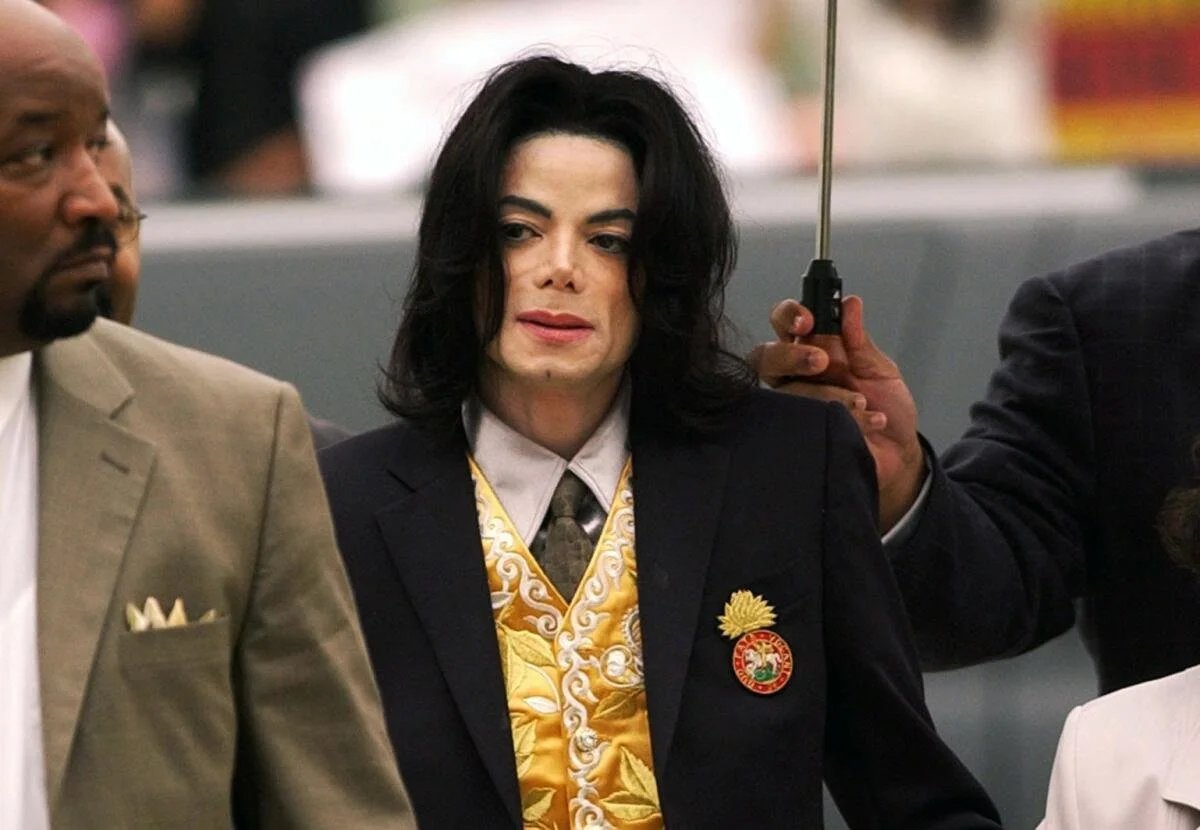
Netflix’s Michael Jackson: The Verdict is not a casual celebrity documentary. It is one of the platform’s most sensitive June releases because it returns to a legal case that still sits at the center of debates around fame, media spectacle, justice and pop-culture memory. The three-part docuseries premiered on June 3, 2026, and revisits Michael Jackson’s 2005 trial, which ended with Jackson’s acquittal on all counts. Netflix describes the series as a courtroom-focused documentary built around people who were inside or connected to the proceedings, including jurors, attorneys, witnesses, media figures and members of Jackson’s circle. That framing is important. This is not a concert film, a career celebration or a simple legacy piece. It is a legal-history documentary about a case that became one of the most closely watched celebrity trials of its era.
Netflix’s Tudum article says the series revisits the case “beat by beat,” using firsthand accounts, archival footage, trial notes and media coverage from the time. The aim, according to the filmmakers quoted by Netflix, was to give viewers a fuller view of proceedings that the public could not watch directly because cameras were not allowed in the courtroom.
That courtroom absence is central to why the trial still attracts attention. Much of the public understanding of the case was filtered through reporters, commentators, fan reaction and global media coverage rather than live courtroom footage. Netflix lists the series as featuring voices from several sides of the proceedings, including prosecution and defense figures, jurors, journalists and people connected to Jackson’s personal and professional circle.
Why This Documentary Is So Sensitive
Any documentary about Michael Jackson’s legal history has to be handled carefully. Jackson remains one of the most influential entertainers in modern music, but his legacy is also tied to serious allegations, public scrutiny and years of cultural argument. Netflix’s description makes clear that The Verdict focuses specifically on the 2005 trial and the courtroom record. The series revisits the charges, the media environment and the outcome without requiring coverage to sensationalize the subject. The most responsible way to write about the docuseries is to separate confirmed legal history from opinion, speculation or fan argument.

The confirmed fact is that Jackson was acquitted on all counts in 2005. The broader cultural reality is that debate around his legacy continues long after his death in 2009. Netflix’s own preview acknowledges that public interest and controversy around the trial have persisted.
The Streaming Strategy Behind the Release
From a Netflix perspective, Michael Jackson: The Verdict fits into the platform’s ongoing investment in true-crime and cultural-history documentaries. The difference here is the scale of the subject. Jackson is not just a music figure; he is one of the most globally recognizable entertainers of the 20th century.
That gives the docuseries immediate search power. Viewers will look for the release date, episode count, interview subjects, trial summary and whether the series includes new perspectives. Netflix says the documentary features new interviews with people involved in or close to the trial, including jurors and media figures who observed the case firsthand.
Indeed, the story is not only about Netflix adding another documentary to its June slate. It is about how streaming platforms continue to revisit defining cultural moments through documentary storytelling — especially moments where celebrity, law and media collided.
Why It Matters for Music Culture
Michael Jackson’s impact on music, dance, video aesthetics and global pop performance is enormous. But modern music culture increasingly asks viewers to examine legacy with complexity rather than flattening artists into heroes or villains.
Michael Jackson: The Verdict enters that space. It does not erase Jackson’s artistic influence, and it does not turn the trial into a simple entertainment spectacle. At least from Netflix’s official framing, the series is presenting itself as a reconstruction of a courtroom event that many people discussed intensely but few actually witnessed firsthand.
That makes it a difficult but important streaming story. The docuseries is likely to attract strong attention because it touches music history, celebrity justice, media ethics and one of pop culture’s most contested legacies. The best coverage should be measured, factual and clear. Michael Jackson: The Verdict is now streaming, and its arrival gives Netflix one of June’s most conversation-heavy documentary releases.
Enjoyed the read? Consider showing your support by leaving a tip for the writer
Featured









Follow Us















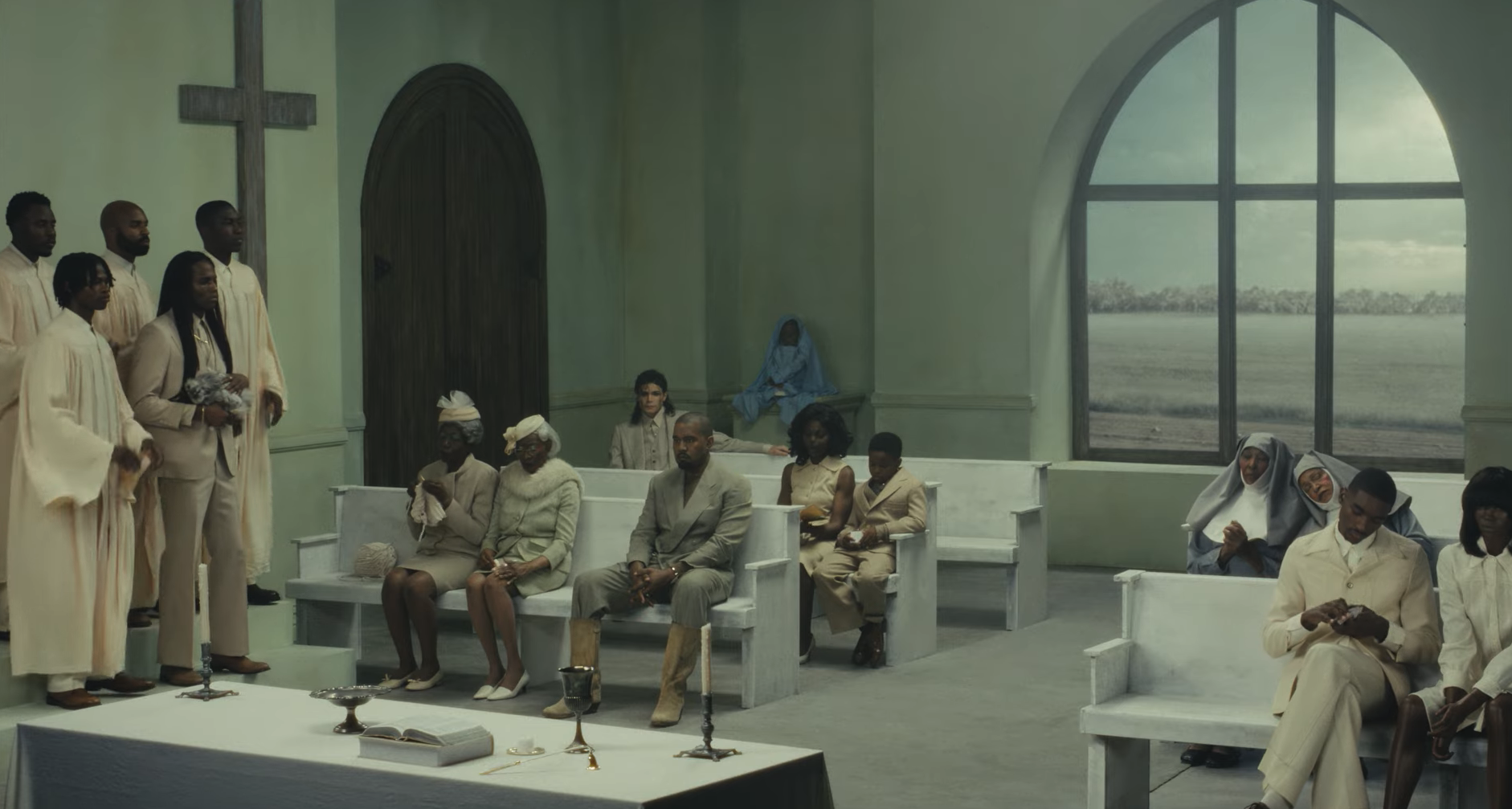



Wendy Bruner and Christopher Grundy construct “Toward Shalom” around warmth rather than spectacle, allowing its ideas of belonging, completeness, and social acceptance to develop inside an intentionally unvarnished frame. Written by Bruner and Monty Jackson and produced…