
Google I/O 2026 Proves AI Agents Are Replacing Traditional Apps
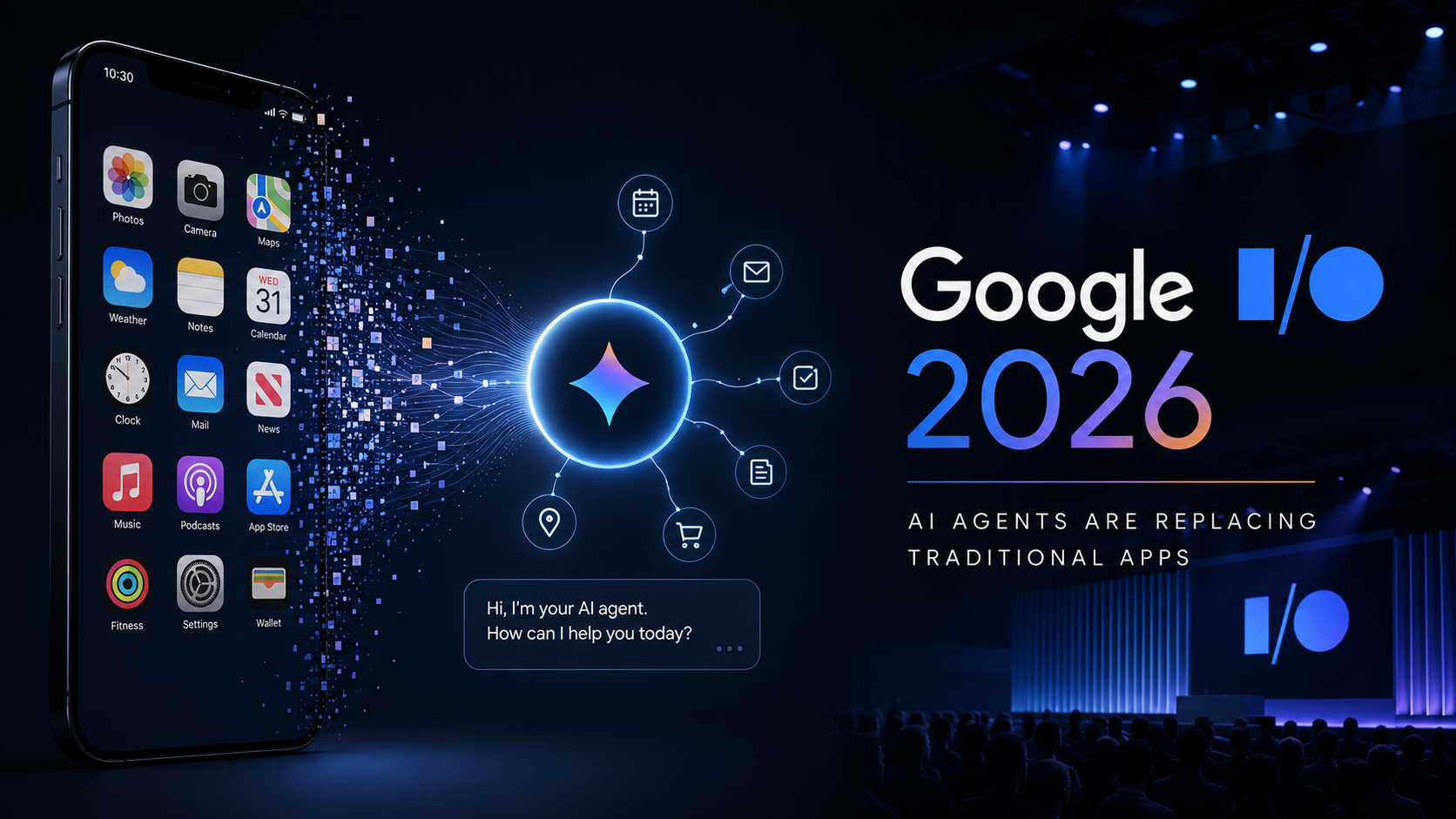
Google I/O 2026 did not feel like another ordinary tech event. It felt like a preview of a post-app internet, where users no longer need to open ten different platforms to complete one simple task. Instead, Google’s newest AI announcements suggest a future where intelligent agents understand what people want, organize the process, and complete actions across multiple services.
For years, apps have controlled digital life. We open one app to search, another to shop, another to write, another to book travel, another to edit visuals, and another to manage email. Google I/O 2026 challenged that familiar structure by showing how AI agents could become the new interface between users and the internet. The biggest difference is simple: traditional apps wait for commands, while AI agents work toward outcomes. A normal app gives you tools. An AI agent can understand a goal, compare information, make suggestions, and help execute the task.
That shift was visible across Google’s announcements. Gemini is becoming more than a chatbot. AI Mode is turning Search into a more conversational and task-driven experience. Universal Cart points toward an agentic shopping future, where users can compare products, collect items, and move through purchases without depending entirely on one retailer’s app. Google Antigravity also suggests that software development is entering an agent-first phase, where developers supervise AI systems that can help build, test, and refine digital products.
This does not mean apps will disappear overnight. People will still use banking apps, streaming apps, social platforms, games, editing tools, and productivity software. However, their role may become less dominant. In the agentic era, apps may operate more like background services, while AI assistants become the main surface users interact with.
For businesses, this change is serious. Visibility may no longer depend only on ranking high in Google Search or convincing users to download an app. Brands may need to become understandable, trustworthy, and useful to AI agents. Product data, reviews, structured information, fresh content, authority, and clear pricing could become even more important.
This also changes SEO. The future may not only be about search engine optimization, but also agent engine optimization. If AI agents recommend products, summarize articles, compare services, and guide users through decisions, businesses must make sure their content can be properly interpreted and selected by those systems.
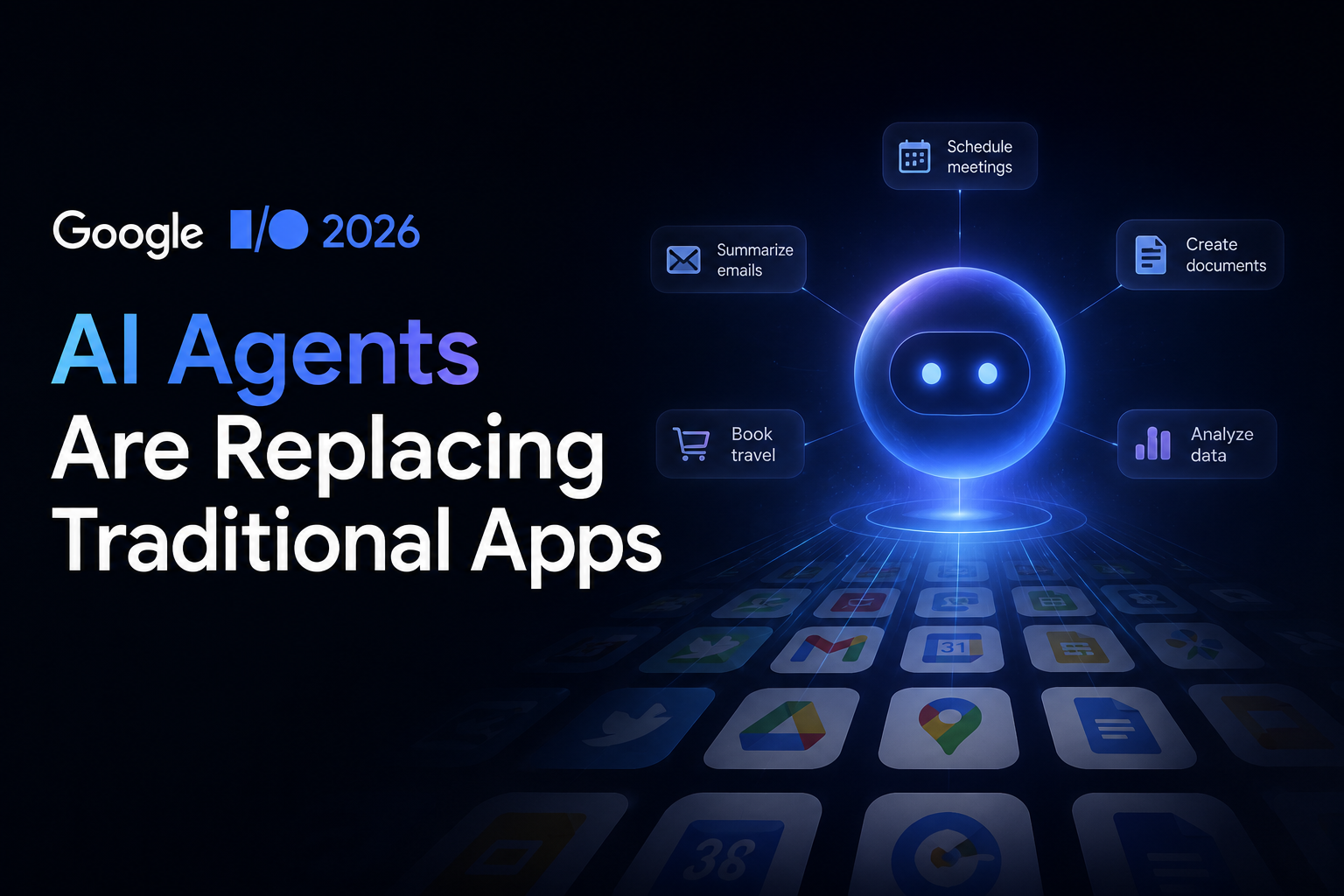
Still, the rise of AI agents brings risks. If users rely too much on assistants, they may visit fewer websites and interact with fewer independent sources directly. That could make the internet more convenient, but also more centralized around the companies that control the most powerful AI platforms.
Ultimately, Google I/O 2026 proved that AI agents are no longer a distant concept. They are becoming the next major layer of digital life. The future is not simply about adding AI features inside apps. It is about AI systems sitting above apps, connecting them, compressing workflows, and helping users achieve results faster.
Traditional apps are not dead. But after Google I/O 2026, it is clear they are no longer the final form of the internet.
Enjoyed the read? Consider showing your support by leaving a tip for the writer
Featured









Follow Us


















Laeky’s “caller waiting” is built from emotional exposure, but its production refuses to collapse into fragility. The Australian artist threads syncopated acoustic guitar riffs through understated indie-pop drums, subtle bass, and soft synth textures, creating a frame that feels both restless and suspended. Her sultry, yearning vocal…