
FIFA’s Official World Cup 2026 Soundtrack Turns Football Into a Global Music Festival
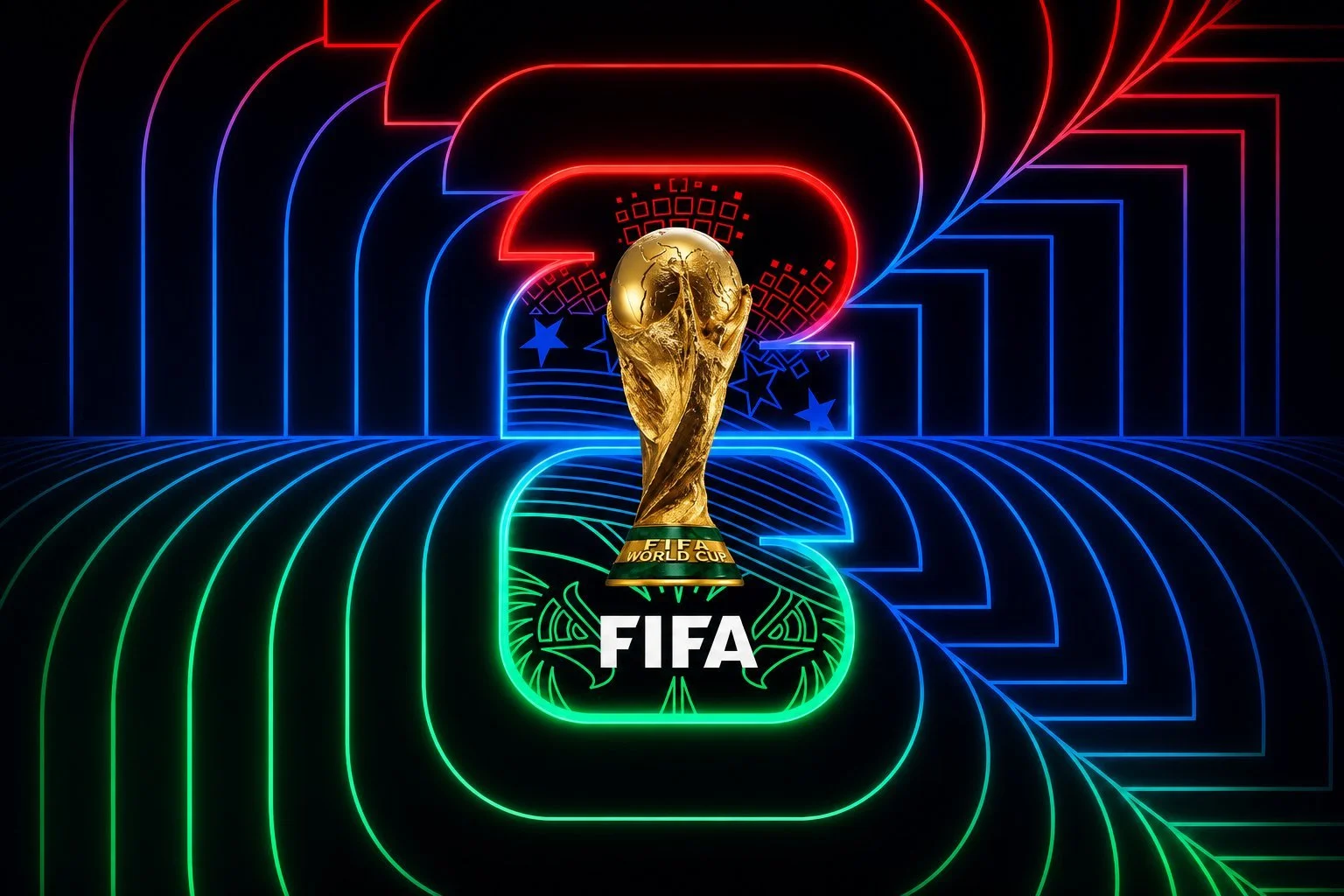
The FIFA World Cup 2026 official soundtrack is not just a playlist for football fans. It is a global music strategy. With the Official FIFA World Cup 2026™ Album, FIFA is turning tournament music into a full-scale cultural event, bringing together stars from pop, hip-hop, Afrobeats, Latin music, dancehall, country, regional Mexican, K-pop, R&B, and global club culture.
That shift matters because World Cup music has always carried emotional power. Songs like “Waka Waka,” “Wavin’ Flag,” “The Cup of Life,” and “Dreamers” became more than tournament records. They became memory capsules. They remind fans where they were, who they watched with, what country they supported, and how football felt during a specific summer. For 2026, FIFA appears to understand that one song is no longer enough. The modern World Cup needs a full sonic universe.
The official album features 18 tracks, making it one of FIFA’s most ambitious music projects yet. Instead of relying on a single anthem to represent the entire tournament, FIFA is building a multi-artist soundtrack that reflects the enormous scale of the 2026 World Cup, which will be hosted across Canada, Mexico, and the United States. That North American setting gives the project a wider cultural canvas: Latin influence, American hip-hop, Canadian pop, Caribbean rhythm, African movement, and global streaming energy all have space to breathe.
Shakira and Burna Boy’s “Dai Dai” sits at the centre of the conversation as the official FIFA World Cup 2026 song. That collaboration makes perfect sense. Shakira already has legendary World Cup history through “Waka Waka,” while Burna Boy brings Afrobeats’ international force into the tournament’s musical bloodstream. Together, they represent both legacy and future: a familiar World Cup icon paired with one of the most influential global artists of the streaming era.
Future and Tyla’s “Game Time” pushes the soundtrack in another direction. The track brings together Atlanta rap confidence and South African pop elegance, giving FIFA a song designed for stadium anticipation, highlight reels, tunnel-walk edits, gym playlists, and fan-made content. It is less traditional anthem and more modern hype record, which may be exactly what tournament music needs in 2026.
The album’s global strategy becomes even clearer with “Goals” by LISA, Anitta, and Rema. That collaboration connects K-pop, Brazilian pop, and Afrobeats in one high-energy package. It feels built for the way music moves now: not through one country or one radio format, but through TikTok clips, YouTube premieres, fan armies, streaming playlists, dance challenges, and multilingual online communities.
FIFA is also leaning into regional identity. Los Ángeles Azules and Belinda bring a Mexican heartbeat with “Por Ella,” while Jelly Roll and Carín León’s “Lighter” connects country, pop, and regional Mexican textures. That blend matters because Mexico is one of the host countries, and Mexican music has become increasingly influential on global charts. The soundtrack is not simply decorating the tournament with local colour; it is recognizing the commercial and emotional power of regional sound.
Elsewhere, the project expands through Daddy Yankee and Shenseea’s “Echo,” Jessie Reyez and Elyanna’s “Illuminate,” Stormzy, Fridayy and Angel on “Blessings,” Ayra Starr and Latto on “Show Me,” Shaggy, Cimafunk and Zema on “Love Always Wins,” and IShowSpeed’s “Champion.” That range shows FIFA trying to speak to several audiences at once: traditional football fans, pop listeners, hip-hop audiences, Afrobeats supporters, K-pop fandoms, Latin music fans, and internet-native Gen Z communities. Indeed, IShowSpeed’s inclusion is especially revealing. A few years ago, a streamer appearing on an official World Cup album might have seemed bizarre. In 2026, it feels almost inevitable. Football culture now lives heavily through livestreams, reaction videos, memes, short-form clips, and online fandom. By placing Speed inside the official soundtrack ecosystem, FIFA is acknowledging that the internet is no longer separate from the tournament. It is part of the stadium.
That is the biggest story behind the FIFA World Cup 2026 official soundtrack. It reflects how sports entertainment has changed. The World Cup is still about national teams, stadiums, flags, goals, heartbreak, and glory. But it is also about music videos, creator culture, opening ceremonies, streaming numbers, brand partnerships, fan edits, and global pop diplomacy. The soundtrack is no longer background music. It is part of the tournament’s identity.
From a music business perspective, the album is also smart. A single official anthem can become iconic, but it can also become divisive if fans do not connect with it. An 18-track album spreads the risk and widens the reach. If one song connects with Latin audiences, another may dominate Afrobeats playlists. If one track becomes a TikTok sound, another may soundtrack national team montages. If one record hits radio, another may become a fan chant. FIFA is no longer betting on one musical door. It is opening many.
The soundtrack also shows how global pop has become more collaborative than ever. Many of the album’s songs are built around cross-cultural pairings: artists from different regions, languages, and genres meeting under the emotional umbrella of football. That approach mirrors the World Cup itself. The tournament’s beauty comes from difference: different flags, styles, chants, histories, and football philosophies colliding in one shared spectacle.
Still, the challenge will be emotional durability. A World Cup song does not become legendary just because it has famous names attached. It has to attach itself to memories. It has to survive the opening ceremony and live inside the tournament. It has to soundtrack goals, victories, upsets, street celebrations, heartbreak, and viral moments. The songs that last are the ones fans adopt as their own.
That is why the FIFA World Cup 2026 official soundtrack is fascinating. It is not only a music release. It is a test of how tournament music works in the streaming era. Can an official album produce a true anthem? Can multiple songs define one World Cup? Can a soundtrack built for global playlists still create the emotional unity that older World Cup songs achieved through mass television culture?
The answer will come once the tournament begins. But on paper, FIFA has built one of its most ambitious music projects ever. Shakira brings history. Burna Boy brings global rhythm. Future brings rap dominance. Tyla brings new-generation elegance. LISA, Anitta, and Rema bring cross-continental pop power. IShowSpeed brings internet chaos. The result is a soundtrack that feels less like a ceremonial accessory and more like a cultural map of 2026. The FIFA World Cup has always been bigger than football. In 2026, its official soundtrack proves that the music around the tournament is becoming just as strategic, global, and commercially powerful as the game itself.
Enjoyed the read? Consider showing your support by leaving a tip for the writer
Featured




Follow Us










Wendy Bruner and Christopher Grundy construct “Toward Shalom” around warmth rather than spectacle, allowing its ideas of belonging, completeness, and social acceptance to develop inside an intentionally unvarnished frame. Written by Bruner and Monty Jackson and produced…