
Bryson Tiller’s “IT’S OK” Brings Club Energy Into His Neo Trapsoul Era
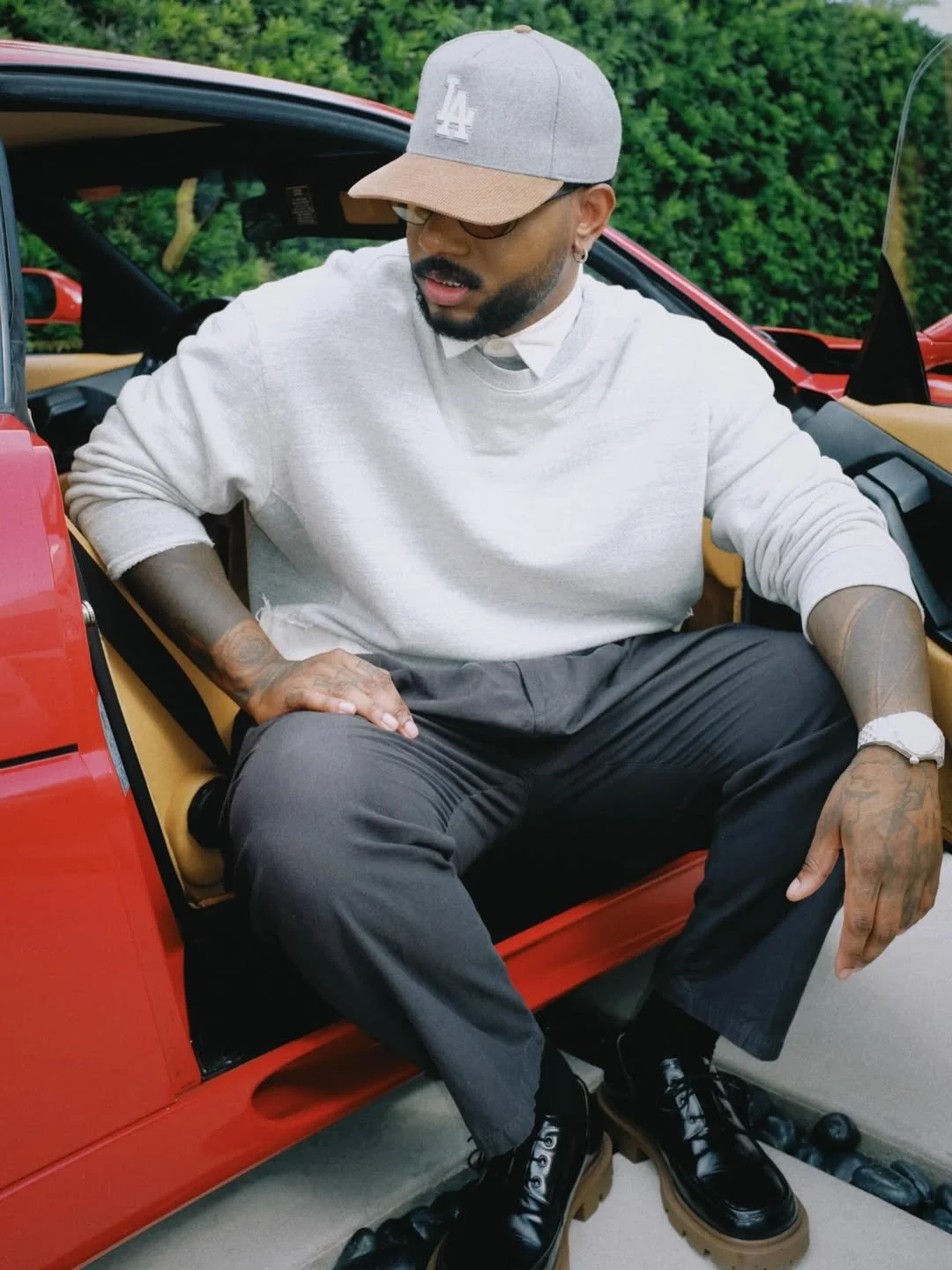
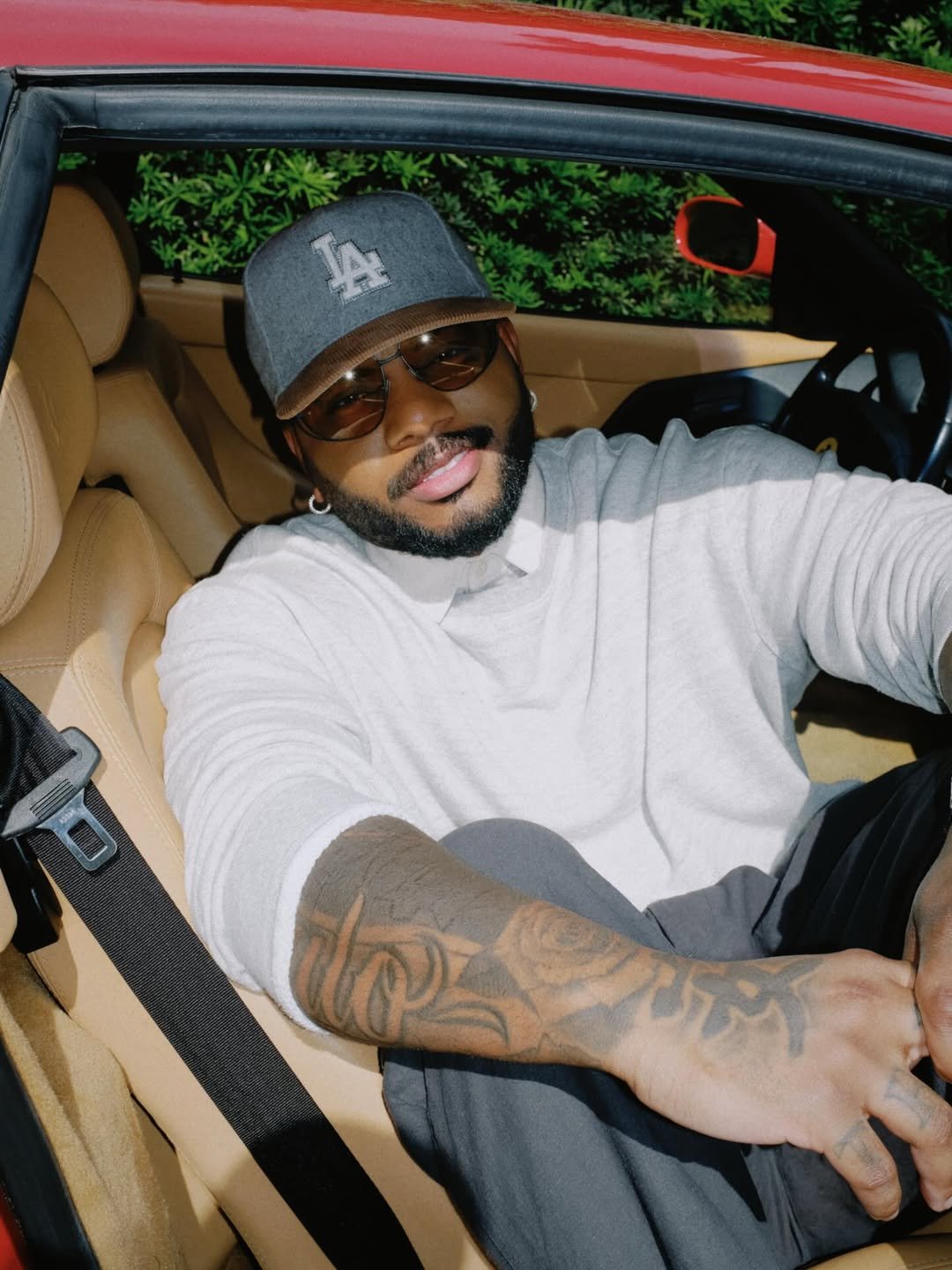
Bryson Tiller is stepping into a new chapter with “IT’S OK,” a single that moves with more bounce, colour, and late-night confidence than some fans may expect from the artist who helped define the moody trap-soul language of the 2010s. Released via Trapsoul/RCA Records, the track arrives as Tiller prepares for his next project and the upcoming Neo Trapsoul Tour, making it feel less like a loose single and more like a strategic door into his next creative season. For years, Bryson Tiller’s name has carried a very specific emotional weather. When listeners think of him, they often think of dim rooms, conflicted romance, half-sung confessions, sparse drums, regret, desire, and the shadowy elegance of T R A P S O U L. That sound became so influential that it quietly shaped a generation of R&B artists who blurred singing and rapping into one nocturnal emotional dialect. But “IT’S OK” suggests Tiller is not interested in simply preserving the old formula. He wants to stretch it.
The single’s biggest surprise is its club-ready pulse. Instead of retreating fully into melancholy, “IT’S OK” leans into movement. The production is upbeat, catchy, and clean enough to travel through nightlife playlists, car speakers, radio rotations, and tour venues. Still, it does not abandon what makes Tiller recognizable. His voice remains the gravitational centre: smooth, slightly guarded, melodic, and emotionally shaded even when the beat pushes toward something brighter. That balance is what makes the song interesting. “IT’S OK” is not Bryson Tiller pretending to be someone else. It is Bryson Tiller testing how much daylight can enter his sound without erasing the mist. The best moments of his catalogue have always lived between confidence and uncertainty. Even when he sounds composed, there is usually emotional residue underneath. On “IT’S OK,” that familiar tension is placed inside a more energetic frame.

The timing also matters. Tiller’s upcoming Neo Trapsoul Tour signals that he understands the weight of his own legacy. The phrase “Neo Trapsoul” is clever because it acknowledges the world he created while suggesting an update. He is not simply returning to 2015 nostalgia. He is trying to modernize the atmosphere that made him important in the first place. “IT’S OK” works as a preview of that mission: familiar enough to satisfy longtime fans, but bright enough to avoid sounding trapped in the past. That is a delicate line for any artist with a beloved debut era. Fans often want the feeling they first fell in love with, but artists need motion to survive. Tiller’s challenge has always been how to honour T R A P S O U L without letting it become a museum. “IT’S OK” answers that problem by keeping his melodic DNA intact while giving the record a more physical, danceable direction.
The song also arrives at a moment when R&B is in an interesting place. The genre is both thriving and fragmented, with artists pulling from Afrobeats, Jersey club, house, trap, alternative soul, pop, and traditional slow-jam textures. A Bryson Tiller single that aims for the club makes sense in that landscape. Modern R&B no longer has to sit still to be emotional. It can move, sweat, flirt, recover, and still carry vulnerability. For Tiller, this new energy may also be practical. A tour needs songs that can change the temperature of a room. His catalogue already has the introspective records, the heartbreak anthems, and the fan-favourite slow burners. “IT’S OK” gives him something more kinetic, a track built to lift the crowd rather than sink them into memory. That makes it valuable not only as a single, but as a live-performance tool.
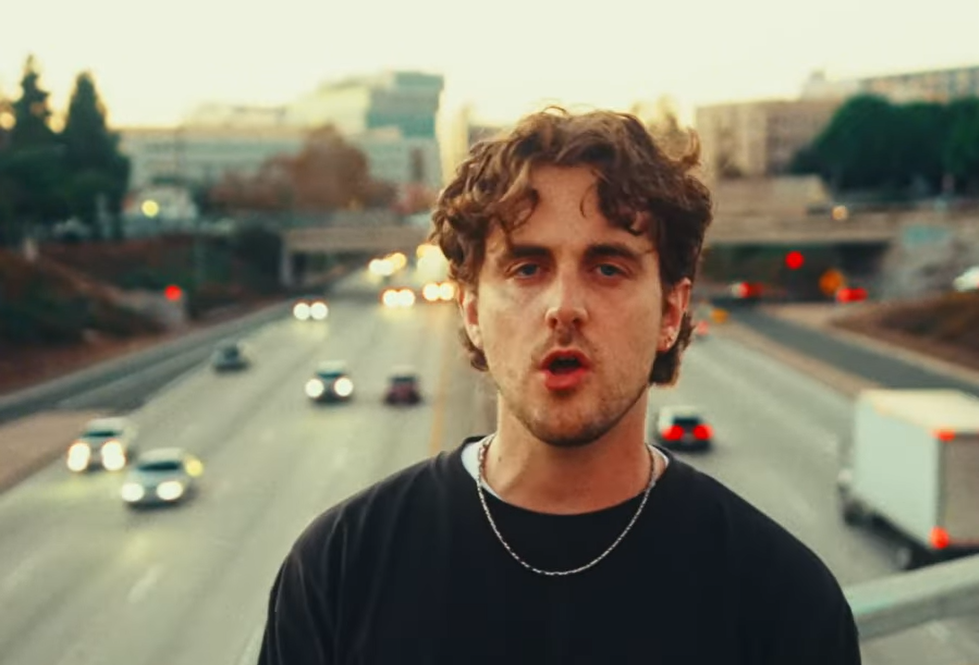
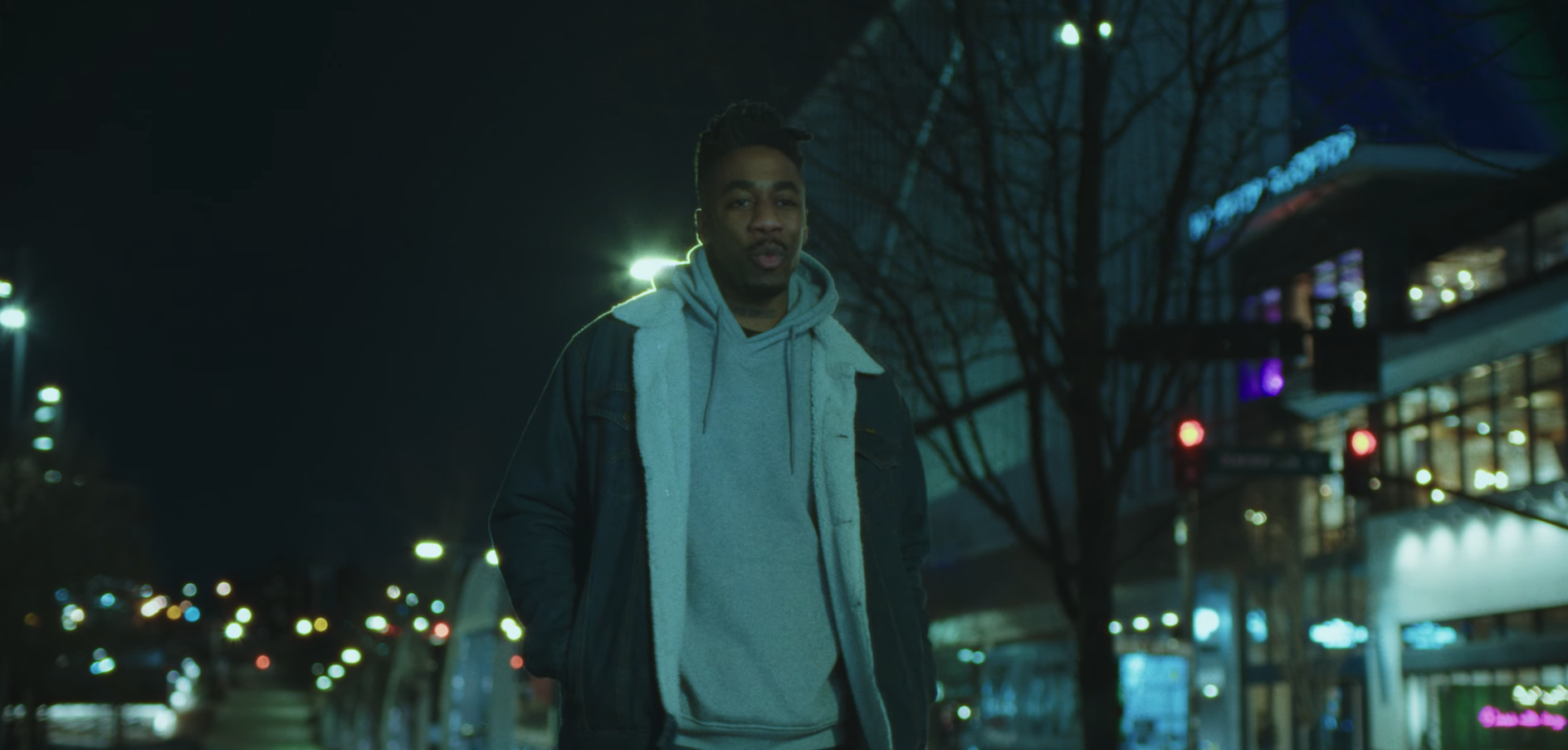
There is also something quietly symbolic about the title. “IT’S OK” sounds simple, almost casual, but in Tiller’s world it can carry multiple meanings. It can be reassurance, dismissal, emotional protection, or the phrase someone says when things are clearly not okay. That ambiguity fits his writing style. He has always been good at turning small conversational language into emotionally loaded material. The official music video also helps frame the release as a full return rather than a quiet upload. In the current music economy, a single needs more than streaming availability. It needs imagery, repeatable moments, social traction, and a reason for fans to talk. “IT’S OK” arrives with that kind of rollout energy, giving the song a stronger chance to become part of Tiller’s next era rather than a forgotten loosie.
What makes the release important is not that it completely reinvents Bryson Tiller. It does not need to. Its value is in how it slightly repositions him. The track shows an artist aware of his influence, aware of his fans’ expectations, and still willing to push the mood into a more open space. That evolution may be subtle, but subtlety has always been part of Tiller’s power. Bryson Tiller’s “IT’S OK” feels like a bridge between the old Trapsoul atmosphere and a more expansive Neo Trapsoul future. It has the melodic cool that made him famous, but it also has enough motion to suggest he is thinking beyond nostalgia. For longtime fans, the song offers recognition. For newer listeners, it offers a clean entry point. And for Tiller himself, it may be the first real glimpse of a bigger, more rhythm-forward chapter. In 2026, Bryson Tiller does not need to prove he influenced R&B. That argument has already been won. What he needs now is to show where that influence can go next. “IT’S OK” is a confident step in that direction: smoother, brighter, more club-facing, but still unmistakably Bryson.
Enjoyed the read? Consider showing your support by leaving a tip for the writer
Featured




Follow Us









ALBI. designs “HEARTBEAT” around propulsion. The Brisbane/Meanjin artist layers syncopated synths, distorted bass, and punchy drums into an alt-pop structure that feels engineered for movement, while her crunchy, soaring vocal adds a roughened edge to the song’s otherwise polished momentum. Produced by Song Higginson, the track…