
Best Cameras for Cinematic Music Videos Without a Film Crew
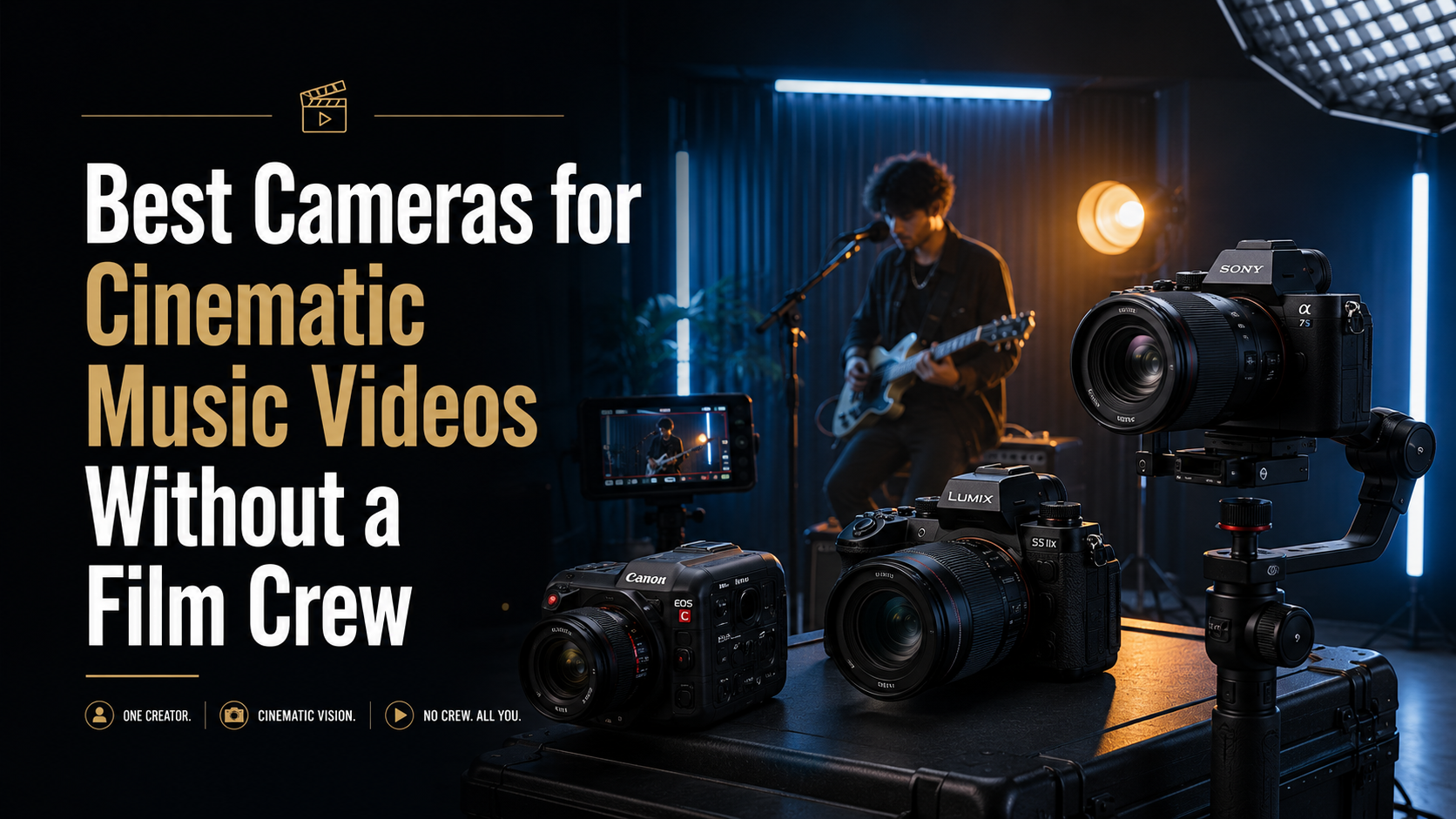
Independent artists no longer need a full film crew to create a cinematic music video. In 2026, a strong camera, a practical lens, decent lighting, a tripod or gimbal, and a clear visual concept can produce footage that feels polished, atmospheric and release-ready. The real advantage is not simply owning an expensive camera. The advantage is choosing a camera that helps one person shoot confidently, move quickly and still capture images with depth, colour and emotion.
For musicians, rappers, singers, producers and visual artists, the camera has become part of the creative toolkit. A music video is no longer just a luxury item after the song is finished. It is part of the rollout. It creates the thumbnail, the teaser, the Spotify Canvas, the Instagram Reel, the YouTube Short, the behind-the-scenes clip and the visual identity of the release. That means artists need cameras that can do more than record clean footage. They need cameras that can make loneliness look poetic, night streets look expensive, studio sessions look intimate, and simple performance shots feel intentional.
The best cameras for cinematic music videos without a film crew are the ones that combine strong autofocus, good dynamic range, attractive colour, reliable video formats and a body small enough to operate alone. A solo artist does not need the most complicated rig in the world. A solo artist needs a camera that can survive real-world shooting: one hand on the camera, one eye on the frame, one budget trying not to collapse.
1. Sony FX30
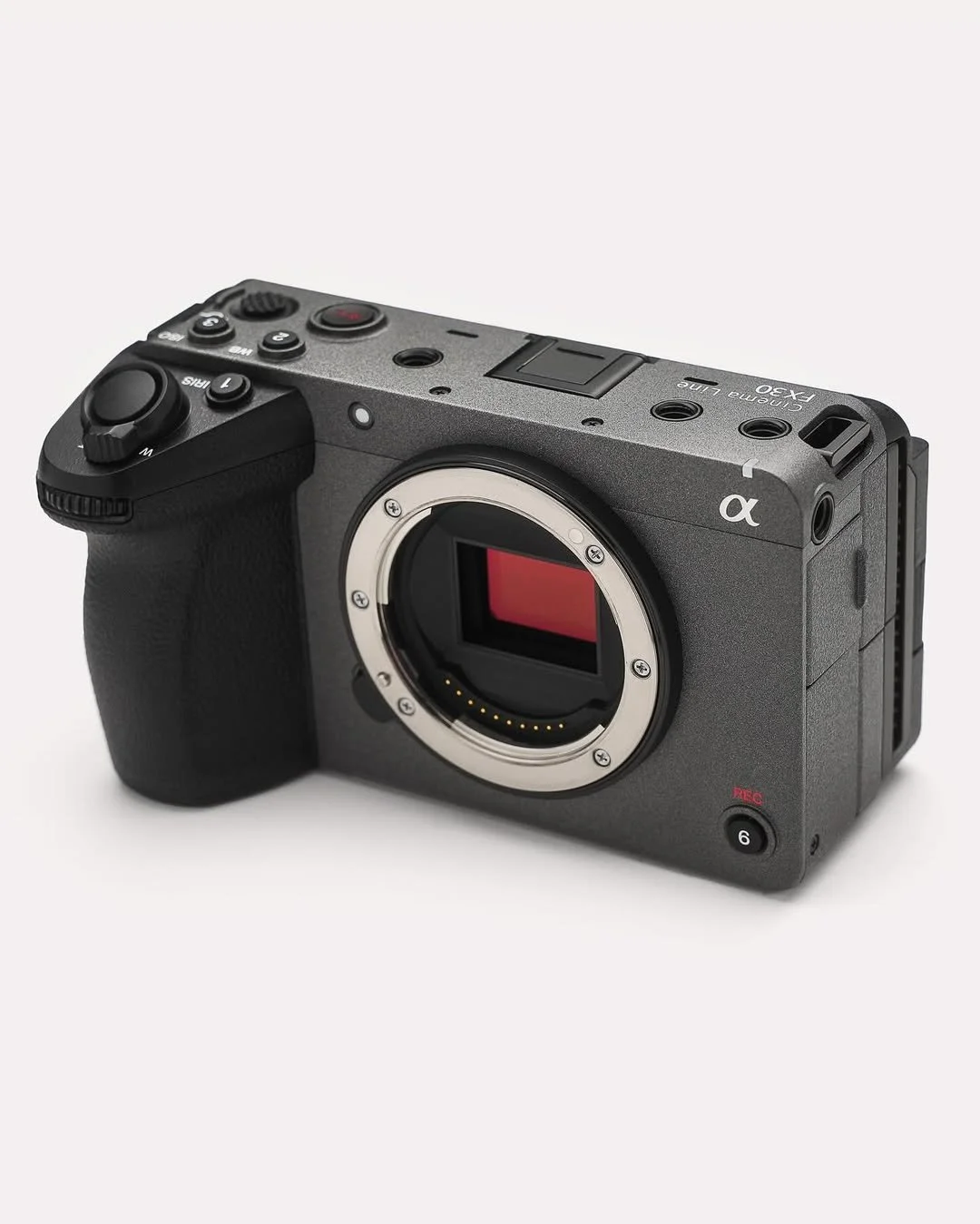
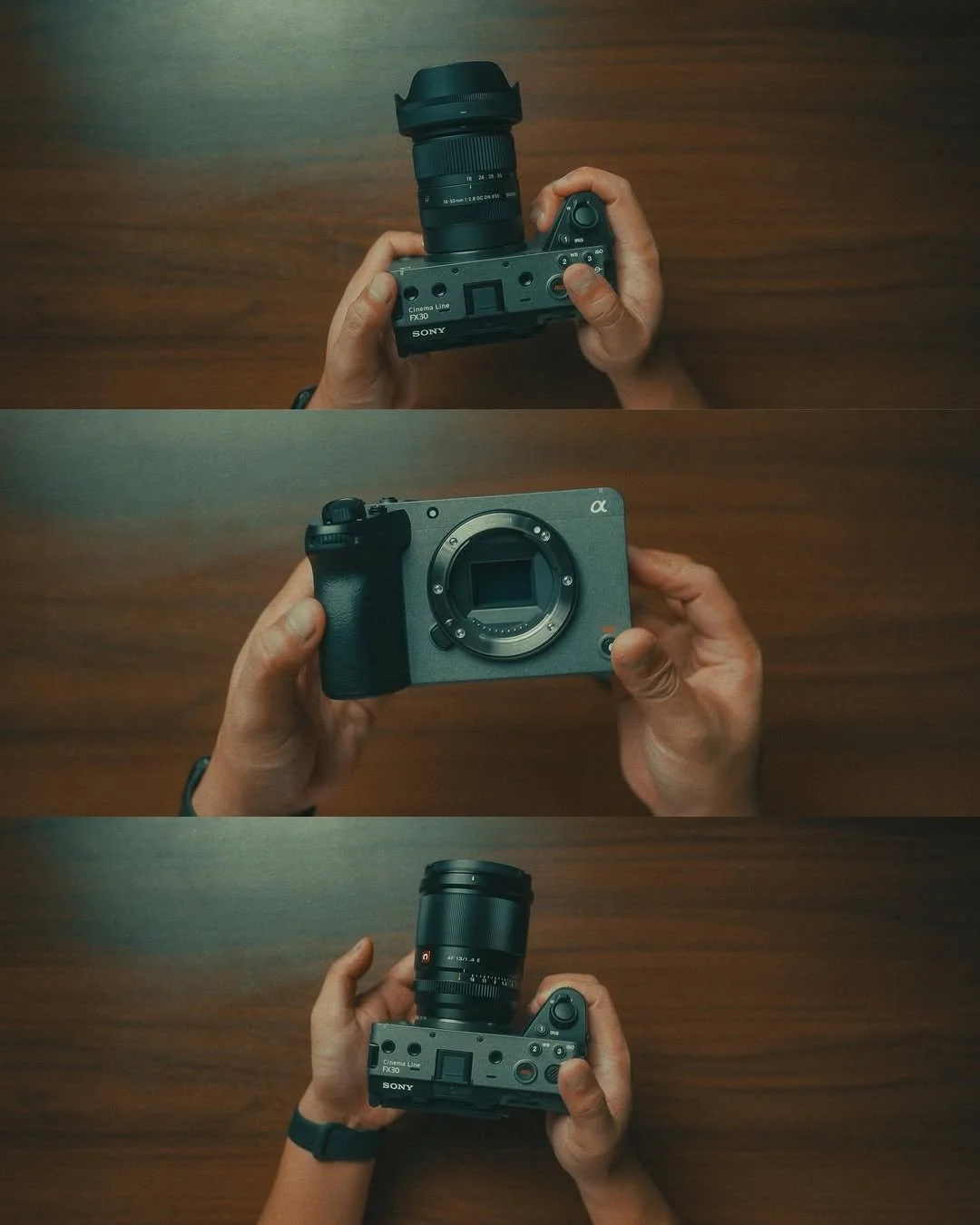
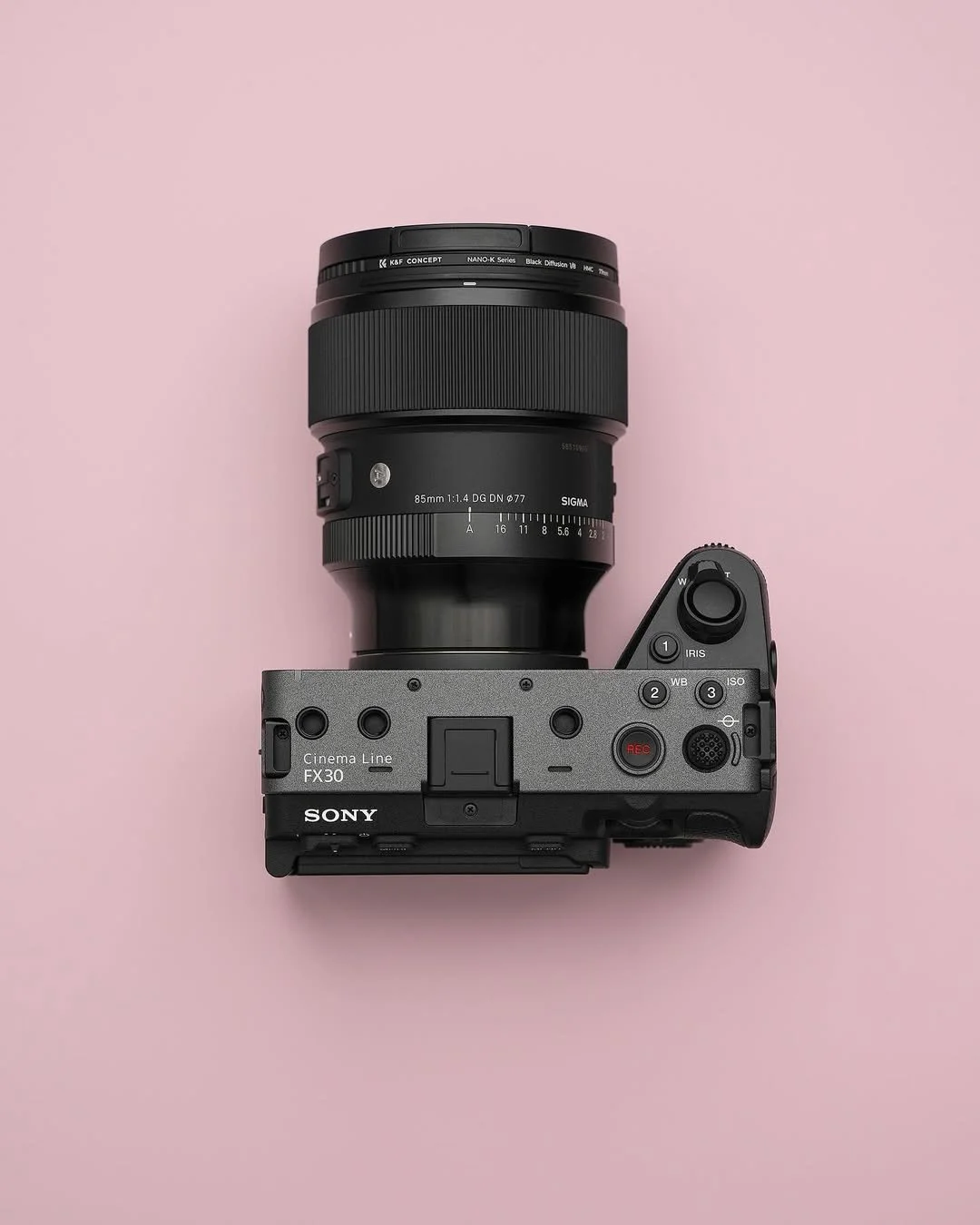
The Sony FX30 is one of the best cameras for independent artists who want serious cinematic quality without jumping into the price range of larger cinema cameras. It is part of Sony’s Cinema Line, which means it is built with video production in mind rather than being a photo camera that happens to shoot video. For music videos, that matters.
The FX30 gives artists a compact Super 35 cinema-style body, strong autofocus, professional video tools, S-Cinetone, Log shooting and excellent flexibility for colour grading. It is especially good for solo creators because Sony’s autofocus system can help keep performers sharp while the camera moves. For one-person music video shoots, this can be a lifesaver.
This camera is ideal for artists who want to shoot moody night scenes, studio performances, slow-motion B-roll, fashion-heavy visuals, narrative scenes and polished YouTube music videos. It also pairs well with compact Sony E-mount lenses, making it possible to build a strong setup gradually.
The main downside is cost. Once you add lenses, batteries, memory cards and stabilization gear, the total setup can become expensive. Still, for artists who are serious about making cinematic music videos regularly, the Sony FX30 is one of the smartest long-term investments.
Best for: serious independent artists, cinematic music videos, solo filmmakers, performance videos, stylized visuals.
2. Canon EOS R8
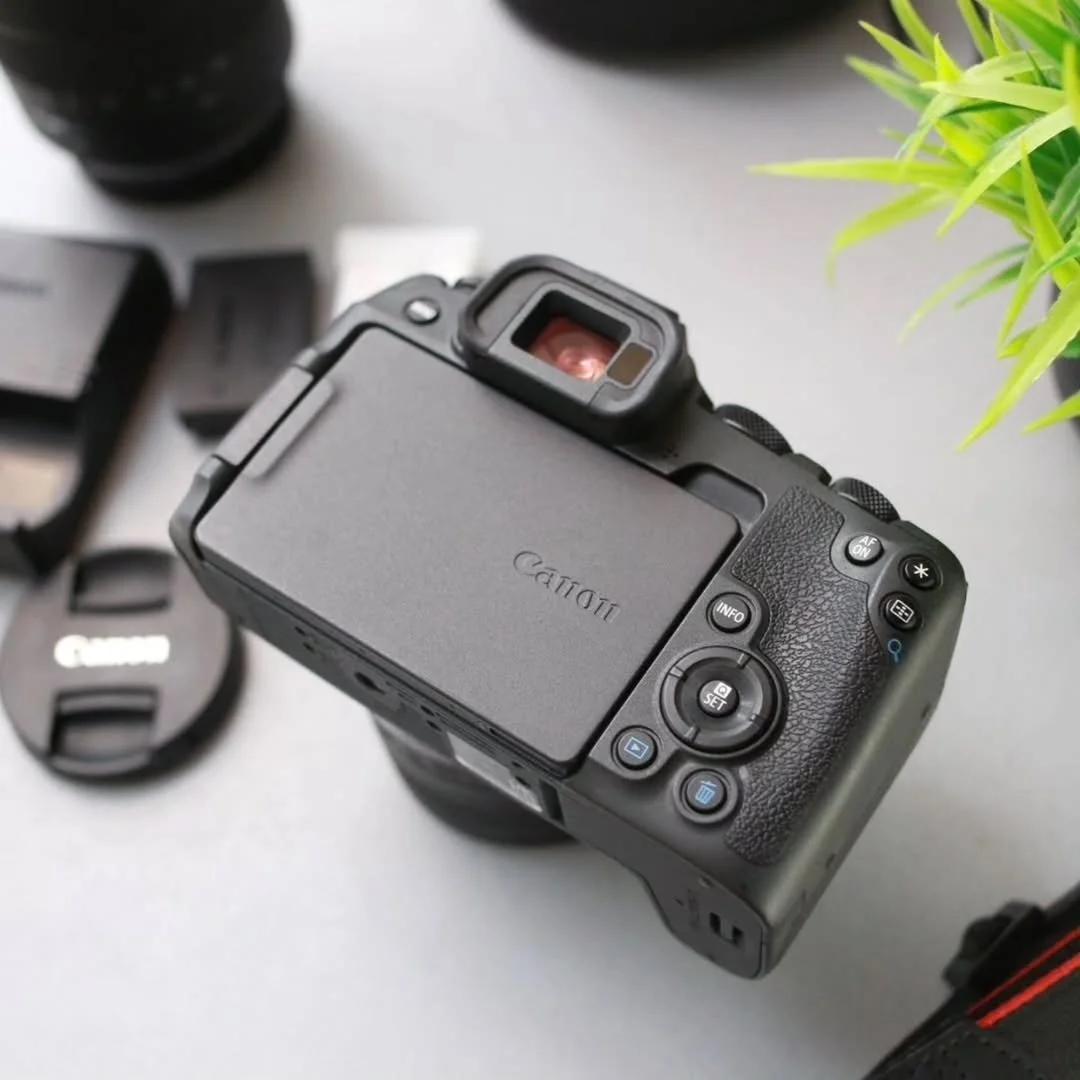
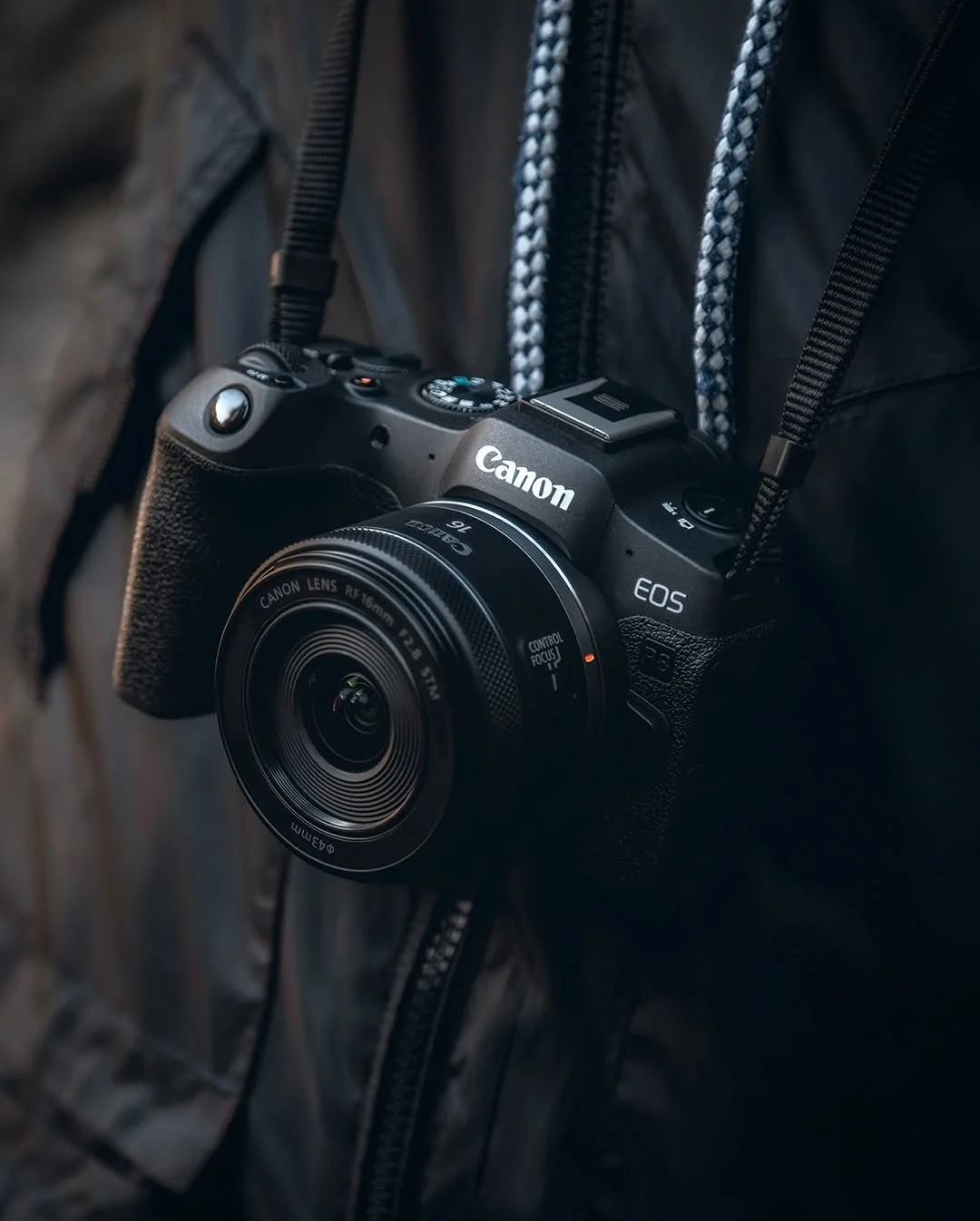
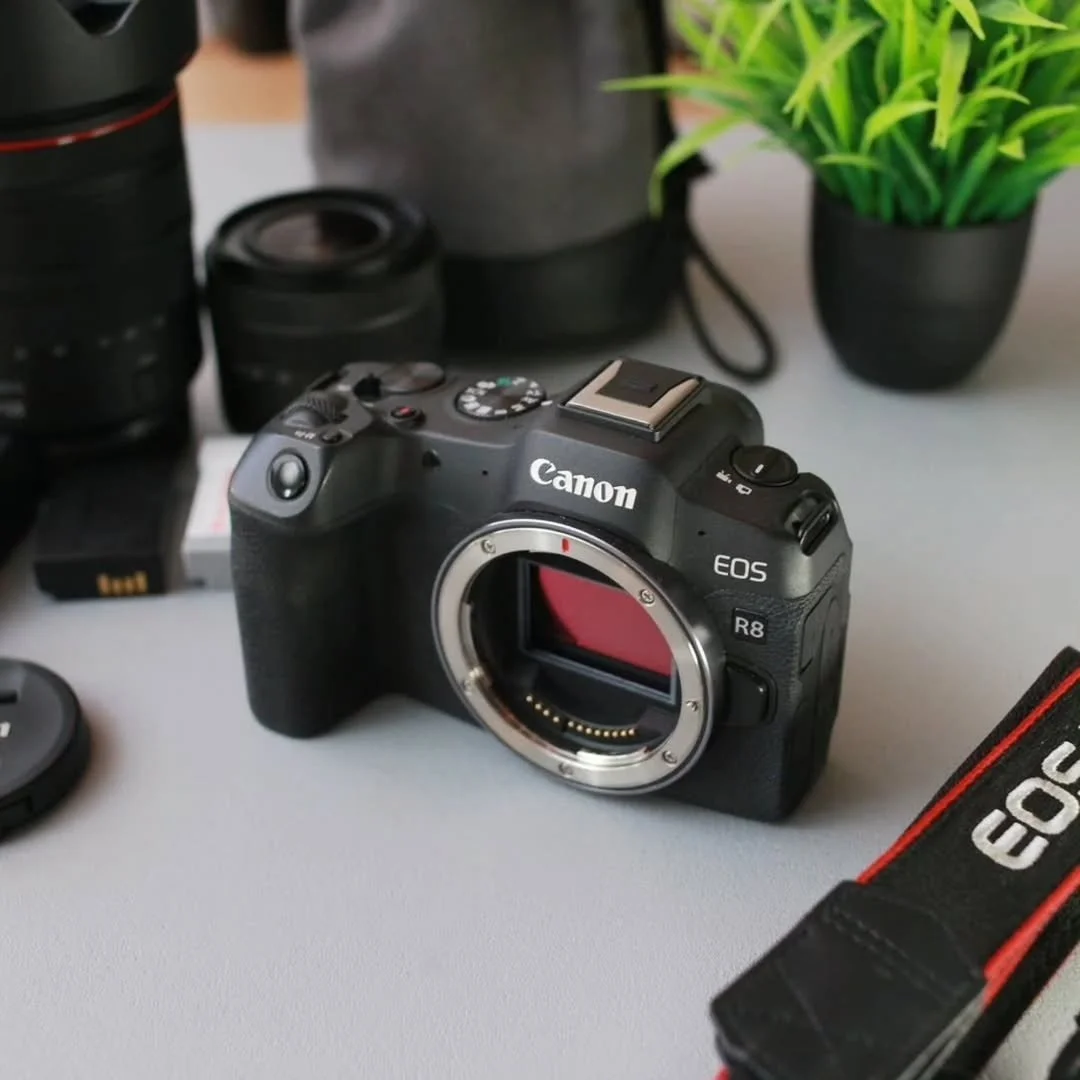
The Canon EOS R8 is a powerful option for artists who want a full-frame cinematic look without buying a much more expensive professional body. Full-frame cameras are attractive for music videos because they can create strong background blur, flattering portraits and a more spacious visual feel. For artists shooting emotional performances, close-ups or night scenes, that look can be very seductive.
The EOS R8 is lightweight, sharp and capable of producing beautiful footage when paired with the right lens. Canon’s colour science is also one of its biggest strengths. Skin tones often look natural and pleasant, which matters for music videos built around performance, fashion and personality.
For solo creators, the EOS R8 is useful because it is not too heavy. You can place it on a tripod, mount it on a gimbal, or shoot handheld for short scenes. Its 4K footage gives artists enough detail for YouTube, social media cuts and promotional visuals.
The biggest limitation is that the EOS R8 does not have in-body image stabilization. That means artists should use stabilized lenses, a tripod, a monopod or a gimbal if they want smoother movement. Still, if your main goal is a beautiful full-frame image, this camera offers remarkable value.
Best for: full-frame music videos, artist close-ups, cinematic portraits, performance scenes, low-budget filmic visuals.
3. Panasonic Lumix S5II
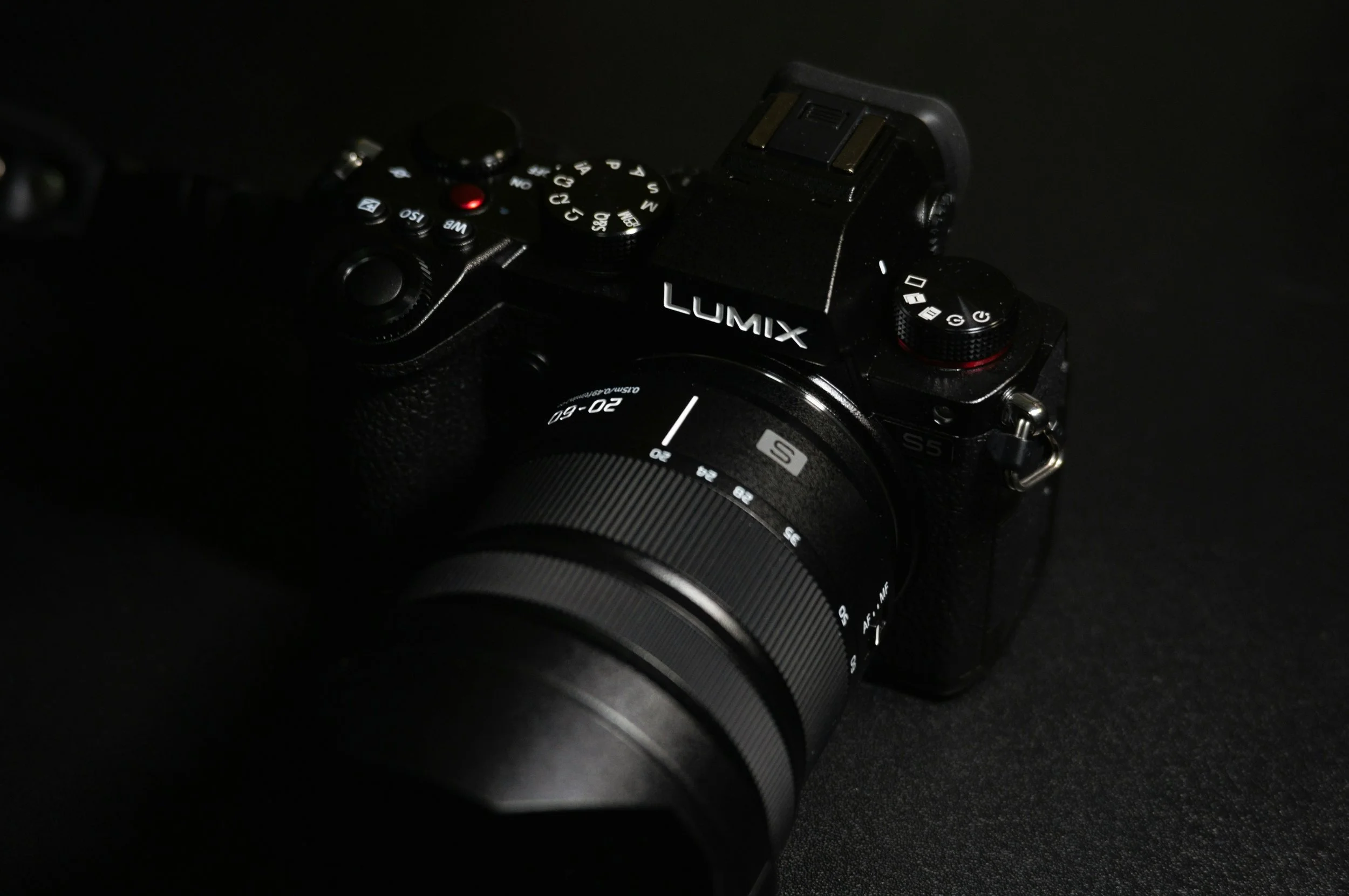
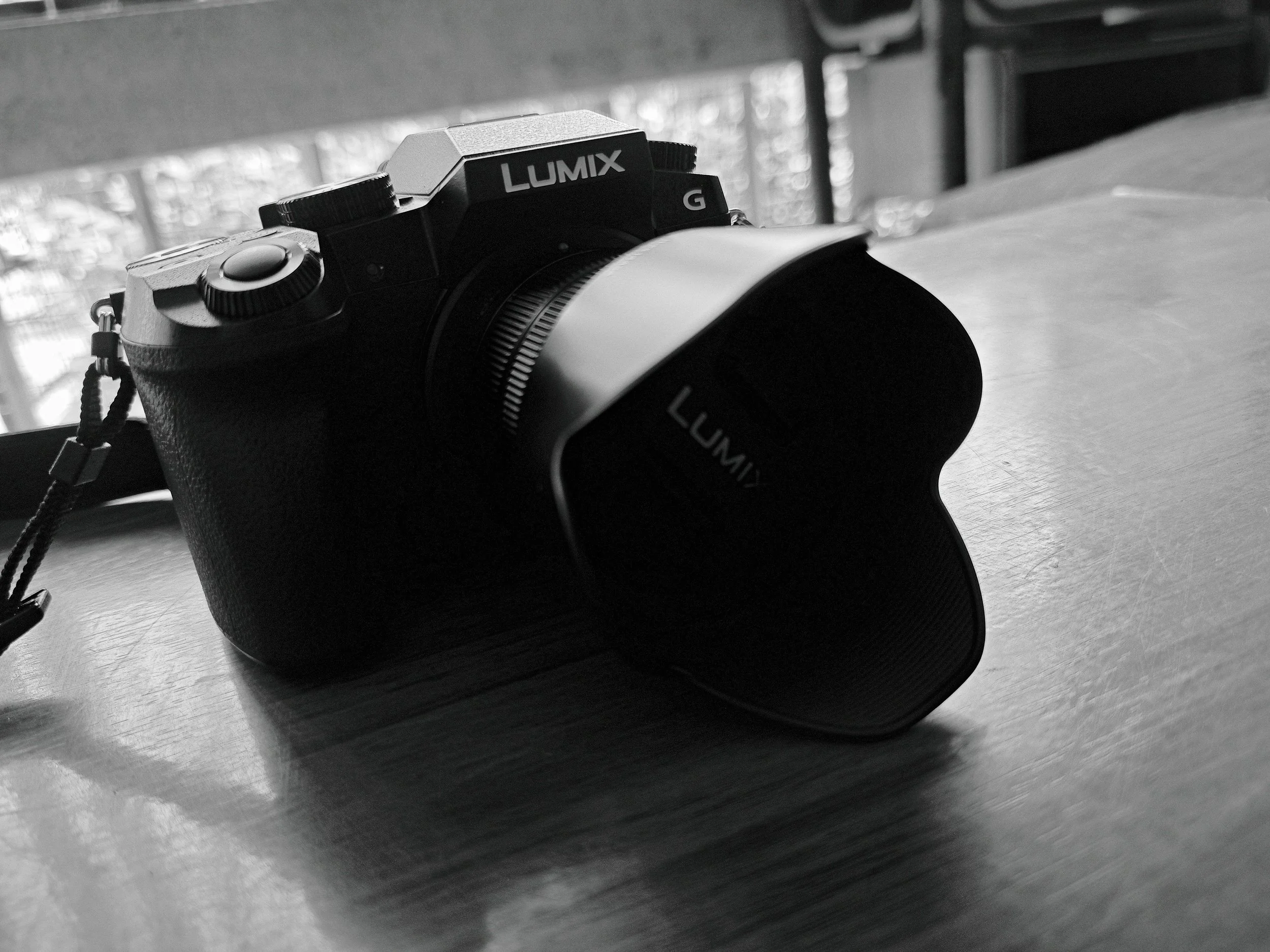
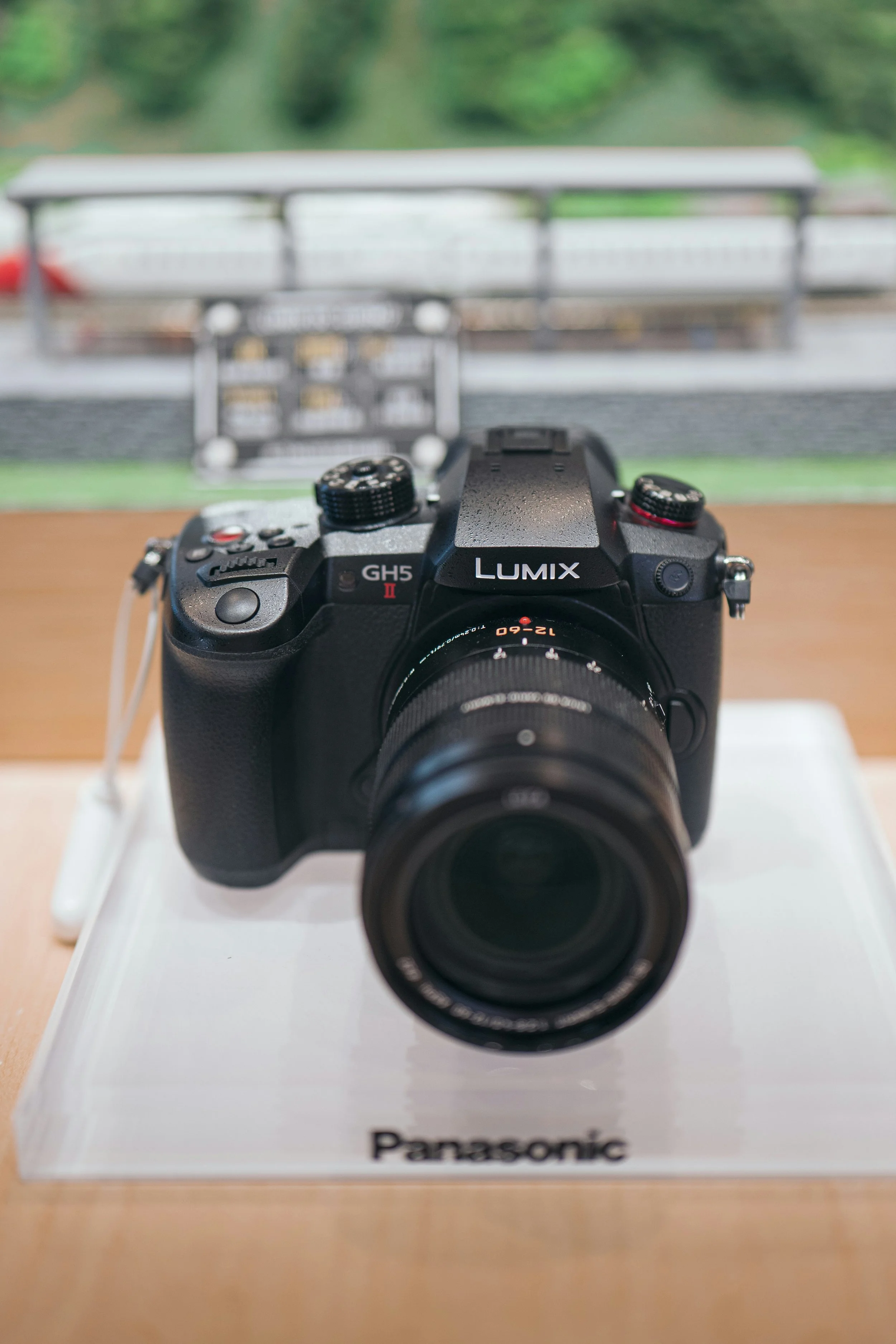
The Panasonic Lumix S5II is one of the strongest cameras for solo music video creators who want a full-frame image, strong video features and dependable stabilization. For artists shooting without a crew, stabilization is not a small detail. It can turn chaotic handheld footage into something more controlled, fluid and usable.
The S5II is particularly appealing because it gives creators a serious video toolkit. It offers high-resolution recording options, strong colour flexibility and a body that feels built for hybrid creators who care about filmmaking. The addition of phase-detection autofocus made this camera much more attractive for people who need to shoot alone.
For music videos, the S5II works beautifully for slow handheld movement, atmospheric outdoor scenes, studio visuals, cinematic B-roll and performance shots. It is a great camera for artists who want to shoot more deliberately, using lighting and framing to create a polished visual world.
The downside is that the full-frame L-mount lens ecosystem can become expensive depending on what you choose. However, for artists who want a serious cinematic tool that does not require a giant rig, the S5II is a formidable choice.
Best for: handheld cinematic shots, full-frame video, solo operators, atmospheric visuals, artists who want stabilization.
4. Fujifilm X-M5
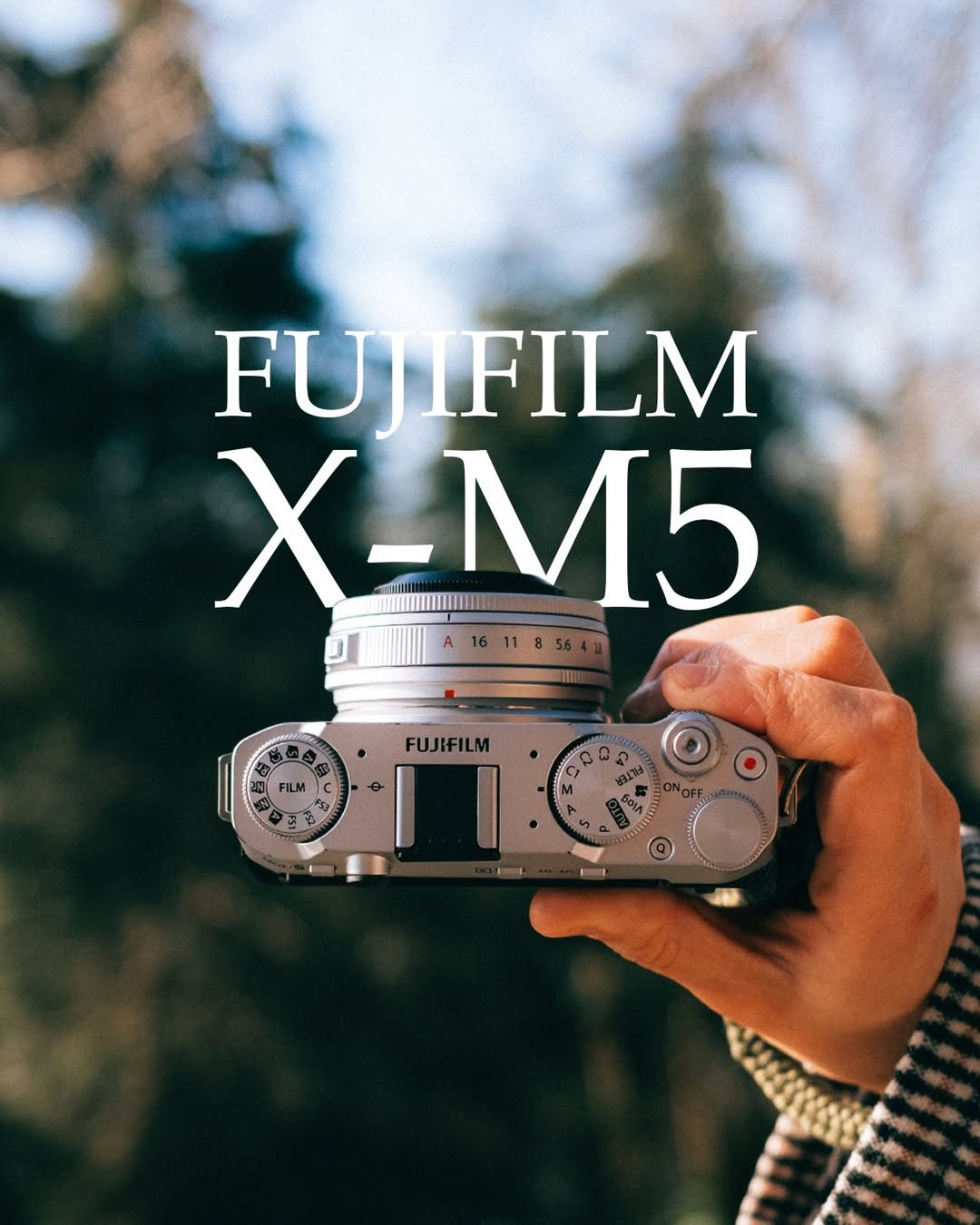
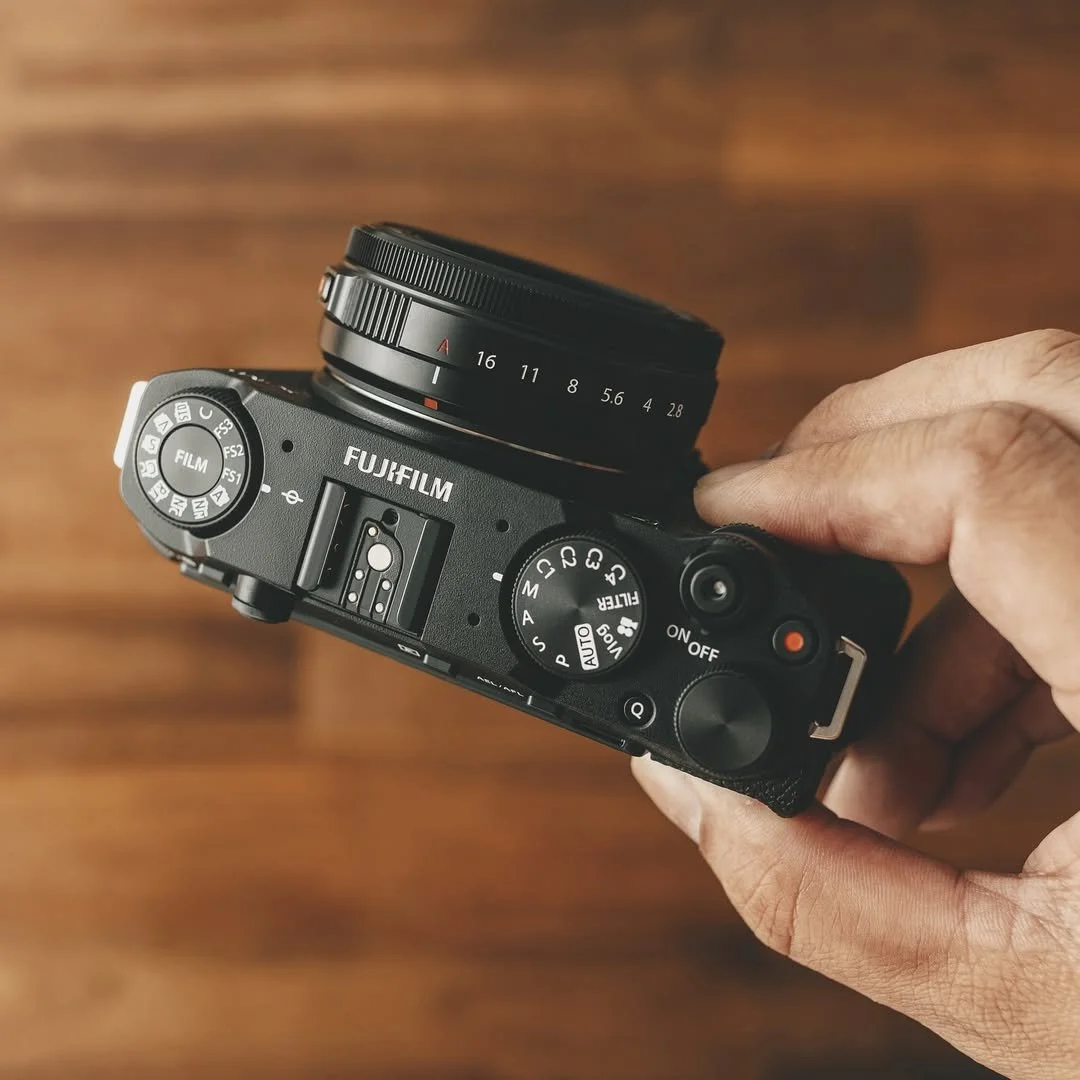
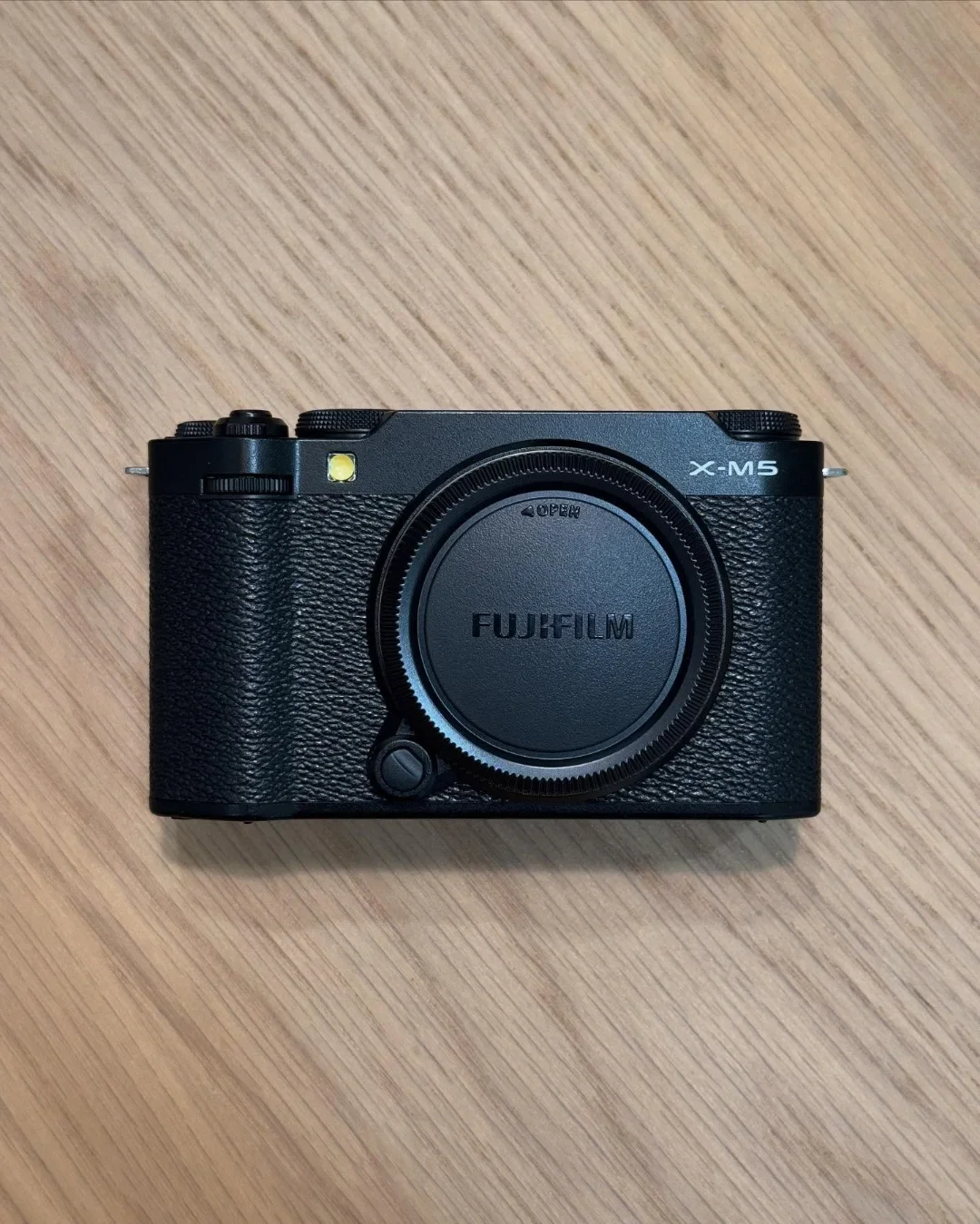
The Fujifilm X-M5 is a strong choice for artists who want their music videos to have personality straight out of the camera. Fujifilm’s colour profiles are a major reason creators love the brand. For musicians and visual artists, colour is not just a technical detail. It is part of the emotion.
The X-M5 is compact, stylish and surprisingly capable for video. It is especially attractive for artists who want a lightweight camera for music video scenes, behind-the-scenes content, short creative films and social media edits. Its image can feel less sterile than some other cameras, especially when using Fujifilm’s film simulations as a creative starting point.
This camera is not the most rugged professional cinema tool, but that is not the point. Its strength is accessibility. It encourages artists to shoot more often. You can bring it to a studio session, a rooftop, a rehearsal room, a fashion shoot or a quiet location and capture footage that feels expressive without building a massive rig.
Best for: colourful music videos, fashion visuals, creative reels, behind-the-scenes content, artists who care about mood.
5. Sony ZV-E10 II
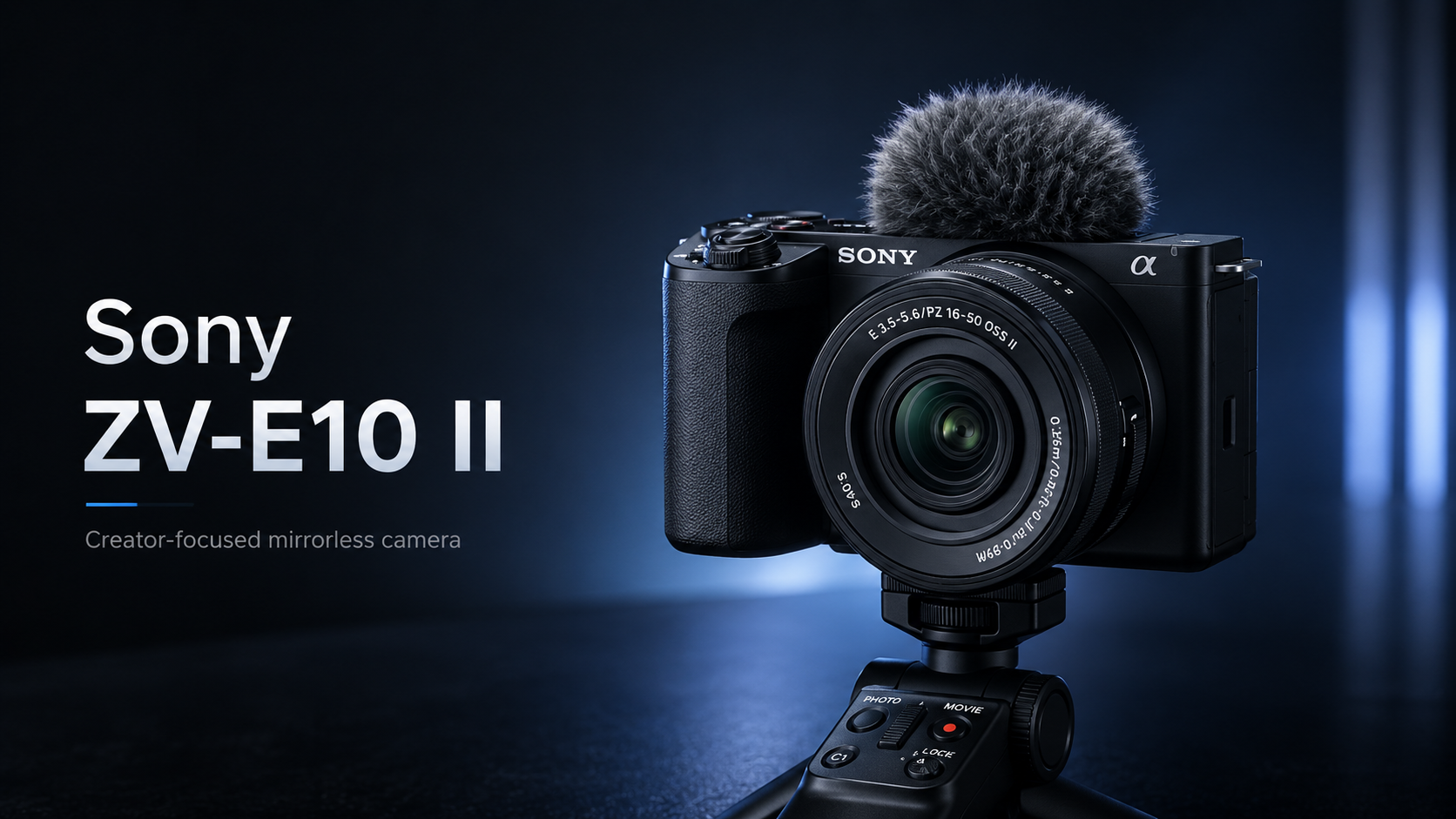
The Sony ZV-E10 II is one of the best beginner-friendly cameras for artists who want to start making better music videos without entering cinema camera territory. It is designed for creators, but it still gives access to Sony’s E-mount lens system, which is one of its biggest advantages.
For artists, the ZV-E10 II makes sense because it is small, practical and capable of strong video quality. You can start with a basic lens and later add a sharper prime lens for cinematic close-ups or a wider lens for handheld performance scenes. That upgrade path matters because many independent artists cannot buy a complete setup immediately.
This camera is especially useful for YouTube music videos, performance clips, studio content, vertical videos and promo footage. It is not as professionally built as the FX30, but it is much more approachable for newer creators.
Best for: beginner music video shooters, YouTube artists, studio clips, social media content, creators building a lens kit.
6. Blackmagic Pocket Cinema Camera 4K
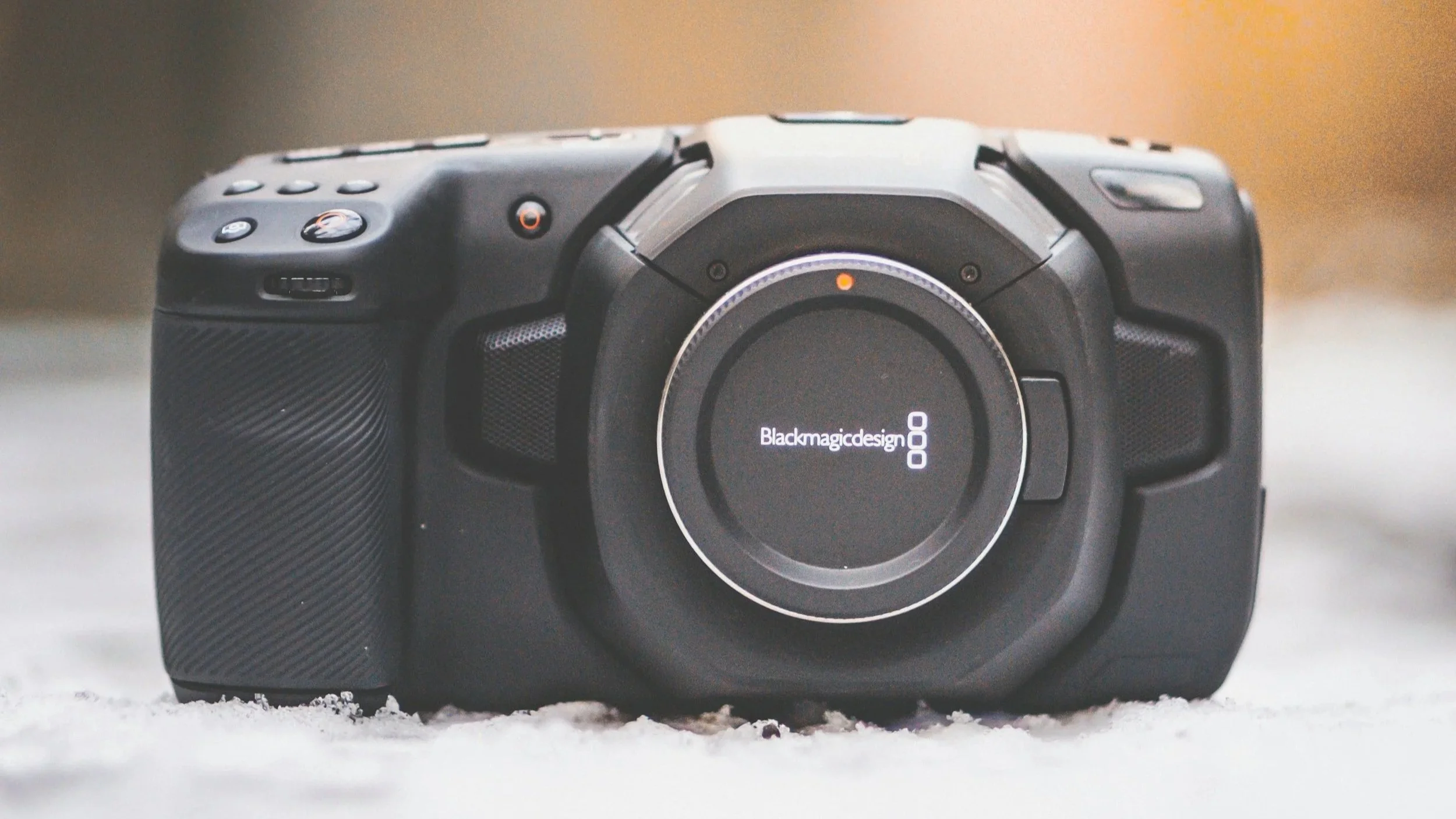
The Blackmagic Pocket Cinema Camera 4K remains a beloved option for creators who want a more cinematic image and are willing to work harder to get it. This camera can produce beautiful, filmic footage, especially when used with good lighting, proper exposure and thoughtful colour grading.
For music videos, the Blackmagic Pocket Cinema Camera 4K can look stunning. It is excellent for narrative visuals, dramatic lighting, moody studio scenes and controlled shoots. Its image has a texture that many creators still love.
However, this is not the easiest camera for solo artists. It requires more attention to focus, battery life, rigging and post-production. It is less convenient than the Sony, Canon and Panasonic options on this list. But for artists who want a serious film look and are willing to learn, it can still be a powerful creative weapon.
Best for: controlled shoots, cinematic storytelling, colour grading, dramatic lighting, artists who want a filmic image.
7. Canon PowerShot V1
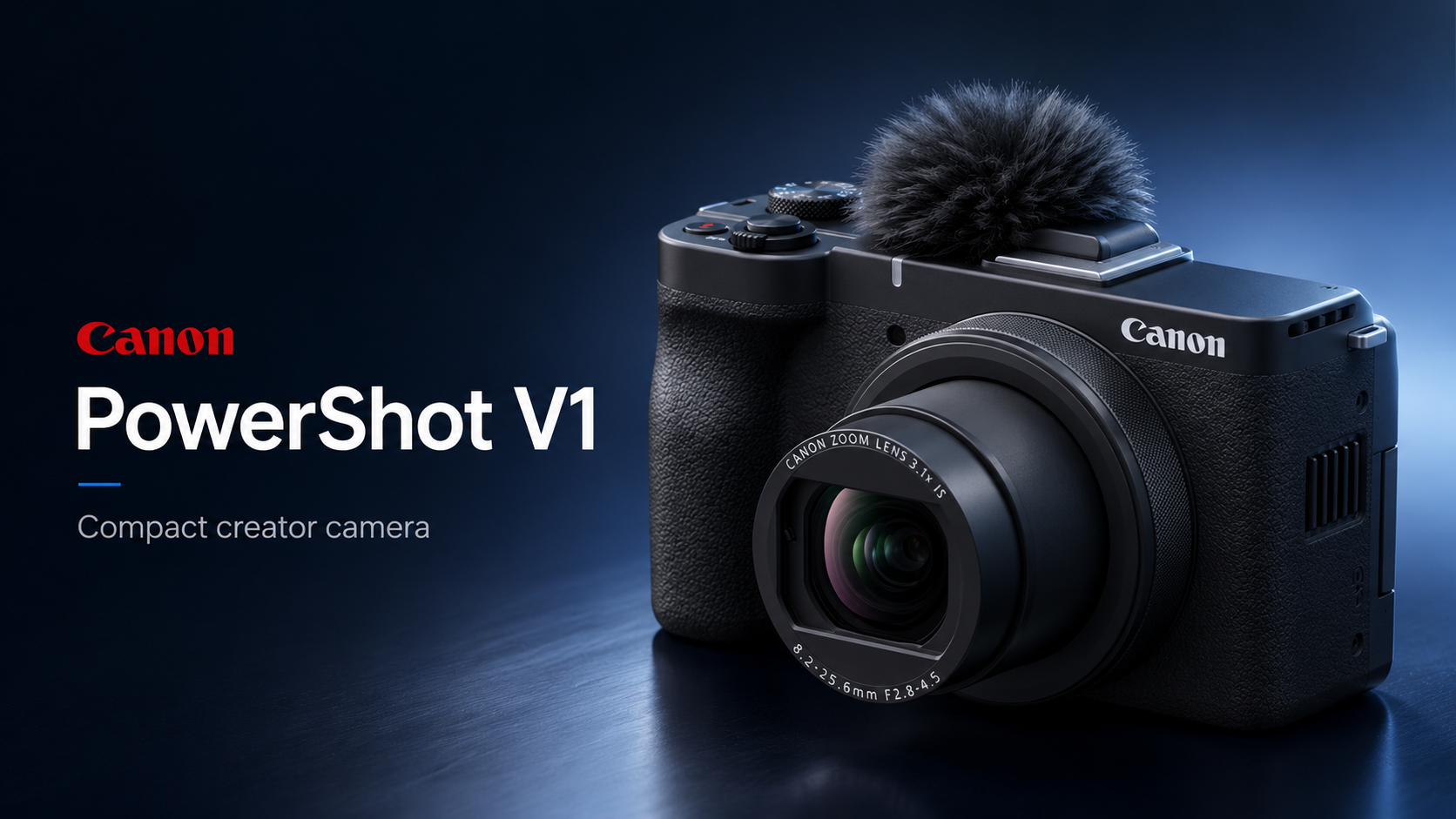
The Canon PowerShot V1 is a strong compact option for artists who want better quality than a phone without managing lenses. This type of camera is ideal for solo musicians who need to shoot performance clips, short music visuals, acoustic sessions, social content and travel footage with minimal setup.
The biggest advantage is convenience. You can carry it easily, set it up quickly and avoid the complexity of lens choices. For artists who are more focused on consistency than technical perfection, that matters. Many independent musicians fail to create content not because they lack talent, but because their setup is too complicated.
The PowerShot V1 is not the same as a cinema camera, but it can be a smart tool for regular music content. A simple camera that gets used every week is more valuable than an expensive camera that stays in a bag.
Best for: quick music visuals, acoustic sessions, social media clips, travel content, artists who want simplicity.
8. DJI Osmo Pocket / Compact Action Cameras
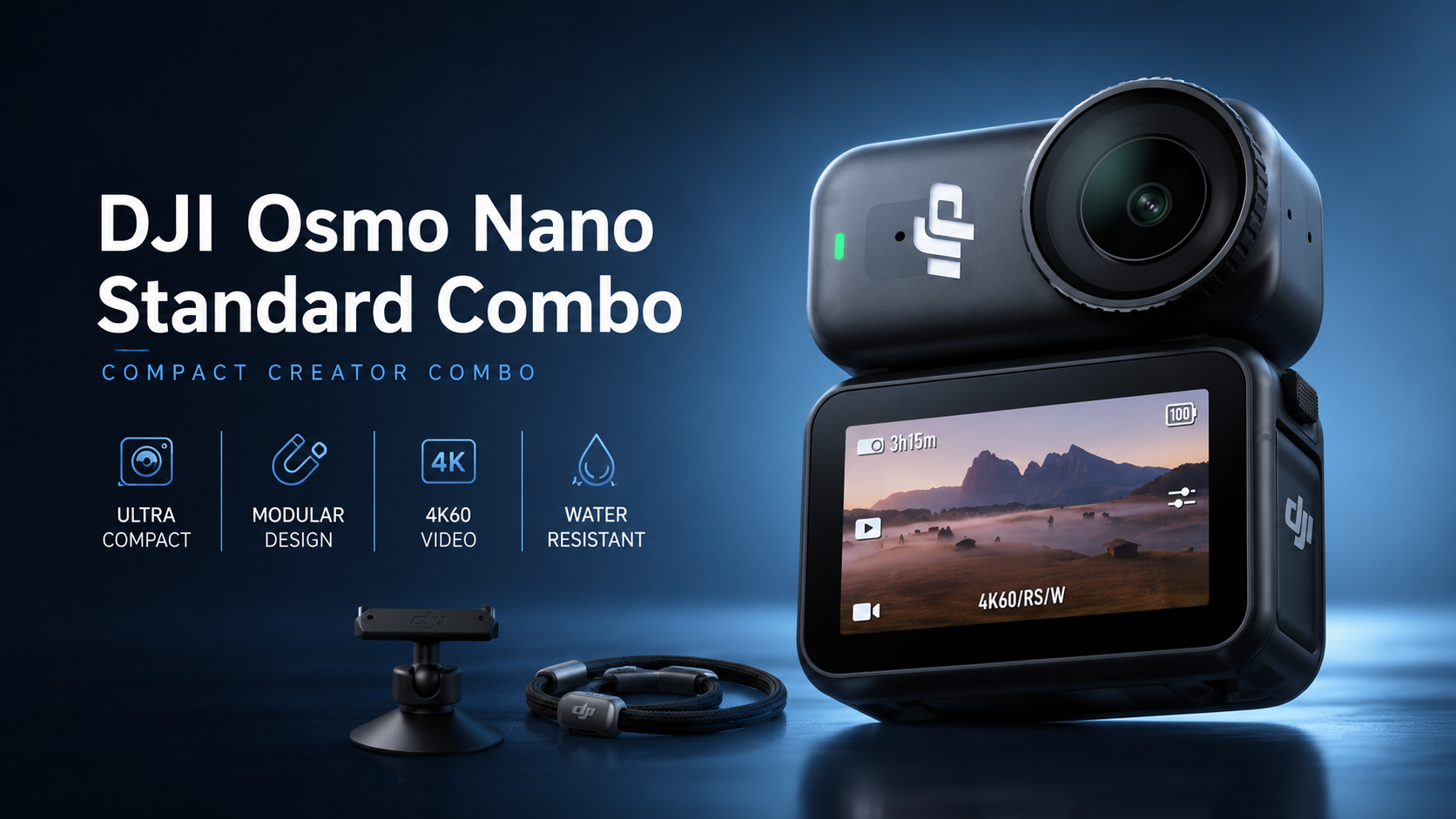
A compact stabilized camera like a DJI Osmo-style pocket camera can be extremely useful for artists shooting without a crew. It is not always the main camera for a full music video, but it can capture movement, street scenes, car shots, backstage moments, dance clips and energetic B-roll in ways that larger cameras cannot.
For low-budget music videos, these small cameras are great for guerrilla creativity. You can use them in tight spaces, on the move, during rehearsals, on sidewalks, in studios or while travelling. They help create motion without needing a dedicated camera operator, dolly or gimbal setup.
The image may not match a larger mirrorless or cinema camera in every situation, but for movement and spontaneity, compact stabilized cameras are very useful.
Best for: moving shots, travel visuals, backstage clips, energetic B-roll, guerrilla music videos.
What Makes a Camera Cinematic for Music Videos?
A cinematic camera is not only about resolution. Many cameras can shoot 4K, but not all 4K footage looks cinematic. The real difference comes from dynamic range, colour depth, lens choice, motion, lighting and how much control the camera gives you in post-production.
For music videos, 10-bit colour is a major advantage because it gives more flexibility when colour grading. Log profiles are also useful because they preserve more highlight and shadow information. Good autofocus matters because performers move, especially in rap videos, dance scenes and handheld shots. Stabilization matters because solo creators often shoot without professional support gear.
Low-light performance is another important factor. Many independent music videos are shot at night, in studios, in bedrooms, in parking lots or under coloured lights. A camera that handles darker environments well can make a small production look more expensive.
Best Lenses for Cinematic Music Videos Without a Crew
The lens is just as important as the camera body. For a cinematic music video, a fast prime lens can completely transform the look. A 24mm, 35mm or 50mm equivalent lens with a wide aperture can create depth, softness and separation between the artist and the background.
For solo creators, a wide-angle lens is useful for handheld shooting and small rooms. A 35mm equivalent lens is great for natural performance shots. A 50mm equivalent lens is excellent for close-ups and emotional portraits. A zoom lens is practical when you need speed and flexibility, but a good prime lens usually gives a stronger cinematic feel for the money.
If you are just starting, do not buy too many lenses. Buy one useful lens and master it. A well-used simple lens can create a stronger music video than an expensive kit used without intention.
How to Shoot a Cinematic Music Video Alone
The secret to shooting a cinematic music video without a crew is preparation. Choose one strong location instead of five weak ones. Build a simple shot list. Film the full performance several times from different angles. Capture close-ups, wide shots, hand movements, walking shots, detail shots and atmospheric B-roll. Use lighting intentionally, even if it is only one LED light, a practical lamp or a neon sign.
A tripod can give your video structure. A gimbal can create movement. Handheld footage can add urgency. Static shots can feel expensive when the composition is strong. The goal is not to imitate a giant production. The goal is to make every frame feel deliberate.
Artists should also think about wardrobe, colour palette and location before filming. A camera cannot fix a weak visual identity. The most cinematic music videos usually have a clear mood: cold and isolated, warm and romantic, dark and aggressive, dreamy and nostalgic, or minimal and elegant.
Final Verdict
The Sony FX30 is the best overall choice for serious independent artists who want cinematic video features in a compact body. The Canon EOS R8 is the best full-frame value for artists who want beautiful depth and strong image quality. The Panasonic Lumix S5II is one of the best options for solo shooters who need stabilization and serious video tools. The Fujifilm X-M5 is ideal for artists who care about colour, style and portability. The Sony ZV-E10 II is the smartest beginner-friendly option for creators building their first serious music video setup.
For artists who want a true filmic image and do not mind a steeper learning curve, the Blackmagic Pocket Cinema Camera 4K is still a powerful choice. For those who need convenience, compact cameras like the Canon PowerShot V1 or stabilized pocket cameras can help create consistent content without slowing the creative process.
The best camera for cinematic music videos is not the one with the most intimidating spec sheet. It is the one that lets you shoot often, move confidently and translate your sound into images. A strong song deserves a strong visual world. With the right camera, even a one-person shoot can look intentional, emotional and cinematic.
Enjoyed the read? Consider showing your support by leaving a tip for the writer
Featured





Follow Us









ALBI. designs “HEARTBEAT” around propulsion. The Brisbane/Meanjin artist layers syncopated synths, distorted bass, and punchy drums into an alt-pop structure that feels engineered for movement, while her crunchy, soaring vocal adds a roughened edge to the song’s otherwise polished momentum. Produced by Song Higginson, the track…