
5 Things to Keep in Mind Before Submitting Your Music to Curators
Submitting music to curators is not just about sending a link and hoping someone falls in love with the song. It is about presentation, timing, professionalism, and making the curator’s job as smooth as possible. Whether you are pitching to blogs, playlist curators, digital magazines, YouTube channels, or independent tastemakers, the way you package your submission can influence how seriously your music is received.
A great song can still be overlooked if the submission feels incomplete, chaotic, or difficult to work with. Curators often receive dozens, sometimes hundreds, of submissions every week. They are not only listening for quality; they are also looking for artists who understand how the editorial process works. Here are five important things to keep in mind before submitting your music.
1. Have a Proper Press Release Ready
Before sending your song, make sure you have a well-written press release or song description prepared. If you are submitting a single, the curator should immediately understand what the track is about, what inspired it, what mood it carries, and why it matters. A short but effective press release can help them enter the world of the song before even pressing play.
Do not just write, “This is my new single, hope you like it.” That gives the curator nothing to work with. Instead, explain the emotional core of the record, the production direction, the genre, the story behind it, and anything that makes it distinct.
If you are submitting an album or EP, go even further. Include a short description for each track. This helps the curator understand the creative arc of the project and gives them context when writing a review. An album is not just a collection of songs; it is usually a world, a mood, a chapter, or a concept. Help the curator recognize that structure.
The easier you make it for someone to understand your music, the better chance you have of receiving thoughtful coverage.
2. Include Quality HD Pictures of Yourself
Your artwork is important, but it is not enough. Curators, especially blog editors, often structure their posts with artist photos, promotional images, banners, and embedded visuals. If you only send cover art, you limit how they can present you.
Always include at least three high-quality HD pictures of yourself or your band. These should be clean, professional, and usable for editorial purposes. They do not all need to look expensive, but they should look intentional. Avoid blurry selfies, low-resolution screenshots, heavily filtered phone pictures, or images with distracting backgrounds.
Think of it this way: the curator is not just reviewing your song; they are presenting your brand to an audience. If you do not provide proper visuals, you interrupt their workflow. Some curators may still ask you for photos, but others will simply move on or find a polite excuse to decline the submission.
Presentation matters. If your music sounds serious, your visuals should support that seriousness.
3. Always Include the Lyrics
Lyrics are not optional. If you are submitting a song, include the lyrics in the same email, document, or press kit. This is especially important if your delivery is atmospheric, heavily stylized, fast-paced, accent-heavy, or mixed in a way that makes certain words less obvious.
Curators should not have to guess what you are saying. It becomes frustrating when a writer publishes a review, quotes or interprets a lyric, and then the artist comes back asking for corrections because the words were misunderstood. That creates unnecessary editing, delays, and awkward back-and-forth.
Providing lyrics also helps the curator understand the depth of the song. Sometimes a track’s meaning is hidden in small details, metaphors, or emotional phrasing. Without the lyrics, those details may be missed entirely.
For albums and EPs, include lyrics for every track being submitted. It shows discipline, organization, and respect for the person reviewing your work.
4. Do Not Wait for Curators to Ask for Materials
One of the biggest mistakes artists make is submitting music with missing information. They send a streaming link, then wait for the curator to request the press release, pictures, lyrics, release date, social links, or credits. By the time the curator has to ask for basic materials, some of the momentum is already gone.
Curators usually work in bursts of inspiration. When they hear something they like, they may want to write about it quickly. If they have to stop and chase you for missing assets, the process slows down. Worse, they might lose interest or move on to another artist who came prepared.
Your submission should include everything upfront: the song or project link, press release, artist bio, lyrics, HD photos, artwork, release date, social links, credits, and any important context. Do not make the curator assemble your story like a scavenger hunt.
A complete submission feels professional. An incomplete one feels like extra labour.
5. Be Mature About Criticism
Not every submission will be approved, and that is part of the process. A rejection does not always mean the curator dislikes you as an artist. Sometimes the song is not the right fit. Sometimes the mix is not strong enough. Sometimes the writing feels underdeveloped. Sometimes the curator simply does not connect with the record.
The worst thing an artist can do is respond with ego, bitterness, or defensiveness. If a curator gives you constructive criticism, receive it with maturity. You do not have to agree with every comment, but you should at least consider whether there is something useful inside the feedback.
Growth requires humility. Every artist, even the great ones, has room to improve. A declined submission can still be valuable if it reveals something about your vocal delivery, production, songwriting, arrangement, branding, or presentation.
If your song is genuinely strong and properly presented, it will eventually land somewhere. But if you treat every rejection like an insult, you may burn bridges before your music has the chance to mature.
Final Thoughts
Music submission is not only about talent. It is about readiness. Curators are more likely to support artists who respect their time, understand the editorial process, and provide everything needed to create a strong feature.
Before you submit your next single, EP, or album, ask yourself: Is my press release ready? Are my pictures high-quality? Did I include the lyrics? Did I provide all important materials upfront? Am I prepared to receive feedback professionally?
A well-prepared submission does not guarantee approval, but it gives your music the cleanest possible entrance. In an industry where attention is scarce and first impressions are ruthless, that preparation can make all the difference.
Enjoyed the read? Consider showing your support by leaving a tip for the writer
Featured




Follow Us








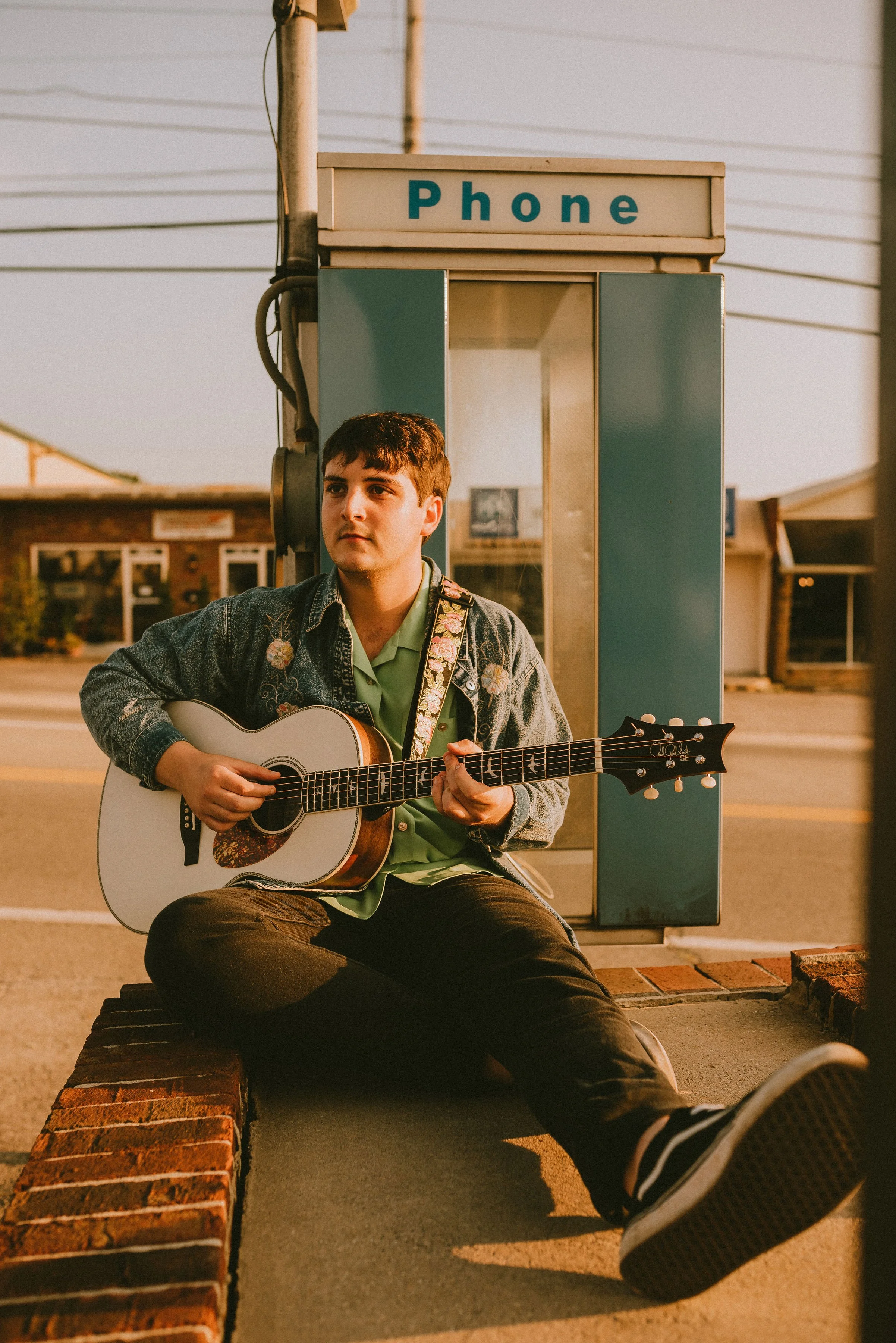
Amistat build “everything in between” from small gestures: breath, friction, restraint, and the quiet pressure of two voices moving as one. The American Indie Folk project is chill, laidback, and vintage in surface tone, but its emotional structure is more exact than casual…