
Winnipeg Rock Quartet CAR287 Release “Looking Through the Lens”, a Roots-Driven Debut Balancing Muscle and Memory

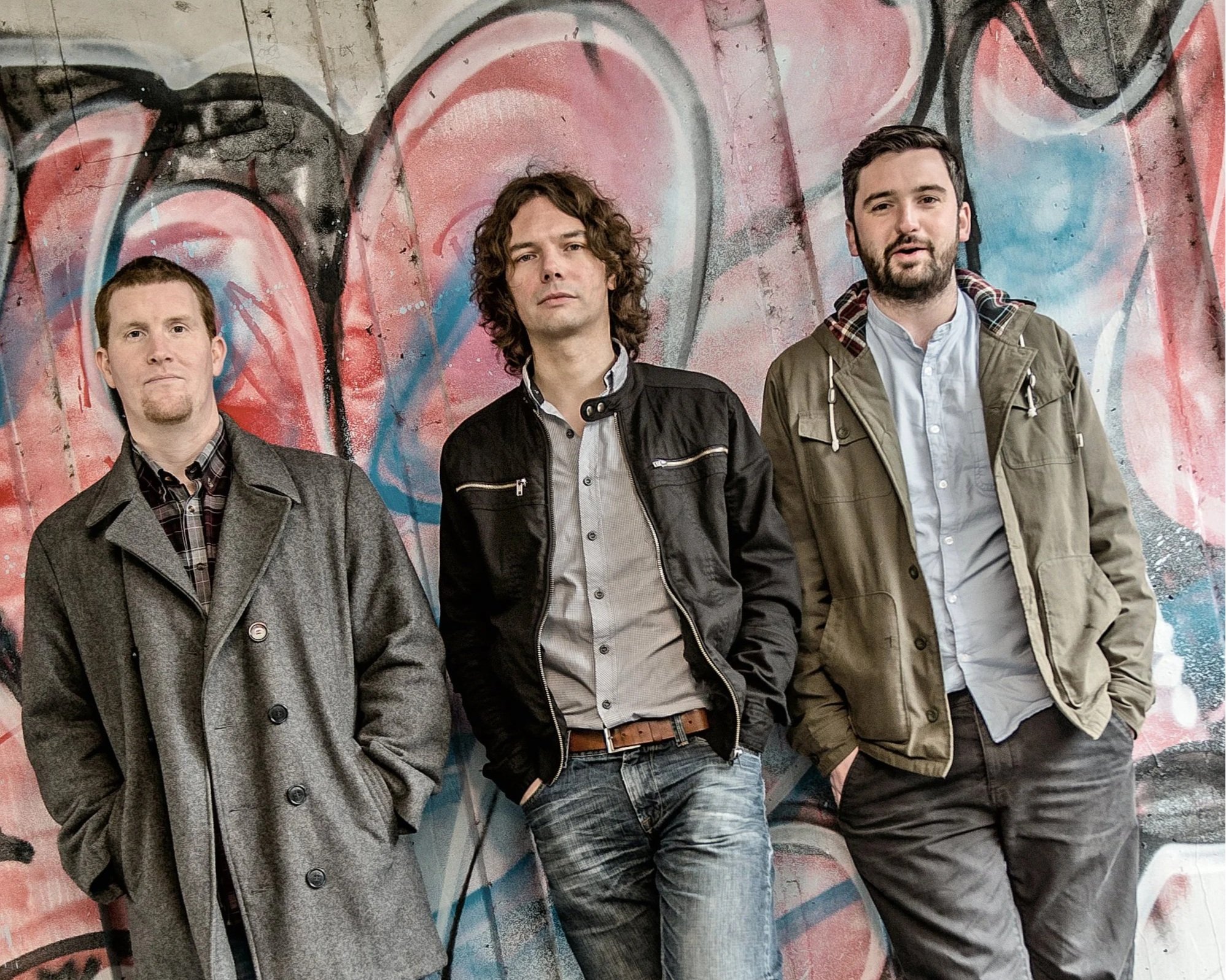
Sparks fly the moment CAR287 release their debut, “Looking Through the Lens,” a record that remembers, argues, laughs, and stitches prairie weather into melody. The Winnipeg quartet—Jay Yarmey (vocals, acoustic guitar), Travis “Trabs” Wog (lead guitar, vocals), Terrence “Terry” Ferguson (bass), and Ryan Olenick (drums, vocals), with Derek Gaboury adding keys and backing vocals—have crafted 13 songs that feel hand-tooled and road-tested, the kind of Canadian rock that smells faintly of spruce, motor oil, and coffee from a gas-station at midnight. Recorded at Private Ear Recording with engineer Derek Benjamin, the album balances rootsy warmth and classic-rock muscle with an alternative tilt, proving that harmonic richness and heavy bass grooves can live under the same roof. Indeed, they thrive.
The band launched the album in Winnipeg on September 20, 2025—including a hometown show at the Times Changed High and Lonesome Club with an afternoon stop at Into The Music. The album opens with “Gateway to the West,” an ode and a dare. The track salutes Winnipeg’s contradictions—mosquitoes, whiteouts, golden statues, Garbage Hill joyrides—and refuses the cheap joke by answering with gratitude. The groove is mid-tempo and springy, acoustic strums framing electric filigree, while the chorus, bright with stacked vocals, makes hometown pride feel like a weather system: bracing, unignorable, oddly warming. In fact, as a mission statement it’s perfect—embrace the cold and make it sing.

“Passing of Days” slows the heart rate and deepens the gaze. Here CAR287 reveal their ballast: a patient rhythm section, piano details from Gaboury that glow like dashboard lights, and a lyric that faces time’s merciless march without flinching. The refrain—“you can’t escape the passing of days”—lands not as despair but as a firm handshake with reality. Moreover, Yarmey’s delivery carries a soft grit, the kind earned by showing up when it’s minus thirty and the sky refuses to color.
“Road Rage Leady” is a jolt of fuel. The band lean into humor and mania—rapid-fire snare, barbed guitars, a chorus that winks while it bares its teeth. It’s the kind of bar-room rocker that grins across the table before revving out into the night, the band’s three-voice attack turning a character sketch into a moshable chant. Then “Muddy Waters” widens the lens to local history: floods, sandbags, helicopter thrum. The rhythm lopes like rising current, while the hook—“Lift the floodgates up, pray the levees hold”—becomes a communal spell. You don’t just listen; you join the line and pass the next sandbag along.
On “The Things They’ll Miss,” nostalgia receives a sharp edit. Instead of syrup, the band uses contrast—rotary phones against TikTok, spokes with playing cards against phone-lit faces—to ask what progress costs. The arrangement is brisk and jangly, a pageant of background vocals and snare pops that keeps the critique buoyant. In addition, the writing is sly; it refuses the grouchy monologue and instead invites everyone to remember what made their knees scuffed and their Saturdays holy.
“Opening Song” is ironically placed mid-sequence, but thematically it fits the record’s thesis: escape velocity. Arpeggiated keys twinkle like those glow-in-the-dark ceiling stars named in the lyric; the chorus climbs while drums open the windows. It’s a single-breath sprint toward a wider horizon. By contrast, “Deep Undercover” slides into shadow—half-time pulse, tremolo guitar, and the ache of secrets carried too long. The band prove they can hush the room without losing their backbone, letting negative space do some of the talking. However, when the bridge cracks open, the drums lift just enough to hint at daylight beyond the door marked “skeletons stored.”
“Highway Strong” does what its title promises: a four-lane anthem with wind in its teeth, designed for two hundred kilometers of frost heaves and yellow lines. Wog’s lead guitar soars without showboating, and Ferguson’s bass drives like good advice—steady, grounded, unafraid of the long haul. “Ideas of a Good Life” tackles modern pressure cookers with candor. The lyric calls out the pharmaceutical carousel and the quiet tyranny of “be okay,” while the band counters with a muscular, minor-key churn. Moreover, the chorus ignites into catharsis, suggesting that naming the weight is step one in setting it down.
“Feel It Coming On” restores buoyancy: bright tambourine, major-key shimmer, and a vocal that grins its way into a crush. The hook is unabashedly singable—“woo hoo hoo”—the kind of refrain that turns strangers into harmony parts. Meanwhile, “Ain’t Nothing Now” takes betrayal to the workbench and sands it into resilience. Acoustic downstrokes meet wiry electric figures; the chorus, hammer-true, declares that lessons learned are scars earned. Indeed, the band’s alchemy is to make hard truths feel playable.
“Back and Forth” might be the album’s thesis on self-discipline: stop doom-scrolling, start doing. The groove buckles down, kick drum forward in the mix, while guitars jab like a friend who loves you enough to be blunt. The bridge—“Break the chains or loosen the reins”—is pure CAR287: plainspoken, humane, set to a climb that makes commitment feel like a chorus you can actually hit. Finally, “Take My Picture” brings the lens of the title into literal focus. The story—homelessness, invisibility, a plea to be seen—rests on a delicate piano motif and a vocal that trembles without breaking. The arrangement refuses melodrama; instead, it dignifies. By the time the coda repeats “Maybe part of me will survive,” the album’s perspective becomes crystalline: songs as photographs, sound as witness.
Credit where it’s due: Benjamin’s recording and mix choices let wood, wire, and voice stay tactile. Drums have air around them; the bass occupies a generous lane without muddying; guitars are present but never plasticky; harmonies arrive like headlights cresting a hill. It’s modern clarity without amputating warmth. Moreover, the sequencing is smart—oscillating between adrenaline and reflection—so that listening straight through feels like a drive that keeps changing sky but never loses road.
What, finally, does “Looking Through the Lens” feel like? It feels like standing on Portage and Main when the wind decides your posture for you—and smiling anyway. It feels like memory that doesn’t scold, love that doesn’t posture, humor that doesn’t punch down. It feels, proudly, like Winnipeg: resilient, neighborly, a little chapped, and stubbornly luminous. CAR287 don’t claim to have reinvented rock; they do something rarer. They make it believable again—close enough to touch, sturdy enough to lean on, and alive enough to follow you home long after the needle lifts.
Enjoyed the read? Consider showing your support by leaving a tip for the writer
TRENDING NOW







CONNECT WITH US





FEATURED



A warm evening rarely announces its memorable moment; it settles in slowly, softening the edges until everything feels suspended. That is the atmosphere The Dada Project creates on “Whispers,” the new single from Diane Arkenstone and David Arkenstone, premiering on our website ahead of its official September 25th release…