
Paddy Boyle Turns Drinking Songs into Reflective Folk Storytelling on “The Sup: Songs About the Drink”
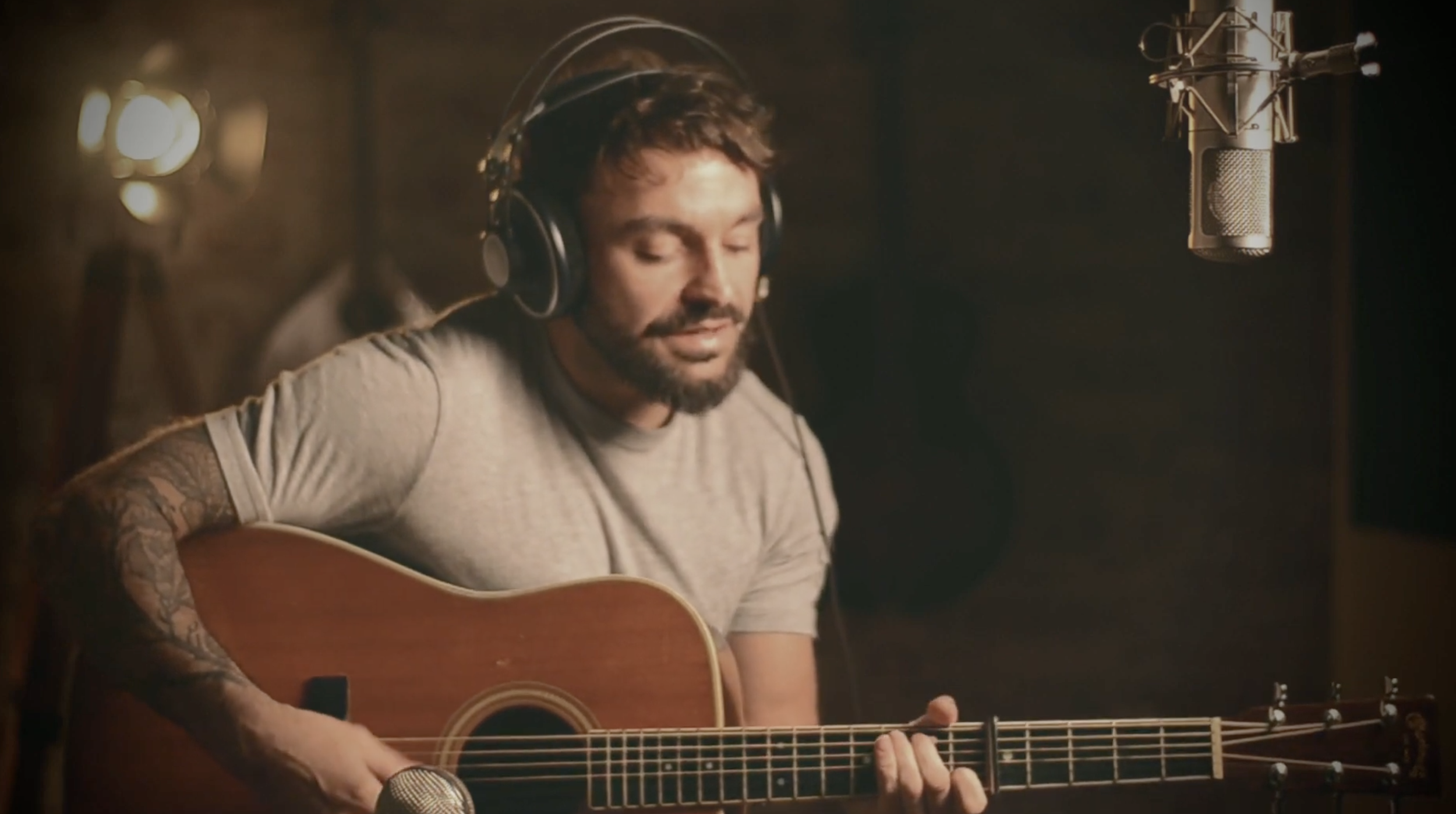
Ontario-based Irish folk singer Paddy Boyle Just unveiled “The Sup: Songs about the Drink,” a debut solo album that treats alcohol not as a cheap emblem of revelry, but as folklore, confession, theatre, and residue. Released on March 10, 2026, the eleven-song project moves with the air of an old kitchen tale passed down after midnight, when laughter has thinned, memory has grown sentimental, and every joke carries a bruise beneath it. Boyle does not simply sing these songs; he curates a small world around them, one that feels part wake, part fireside recital, part exorcism.
Indeed, the album’s central idea could easily have collapsed into novelty. A record devoted entirely to drink risks becoming too on-the-nose, too boisterous, or too tied to pub-room caricature. However, Boyle avoids that trap with admirable intelligence. What gives The Sup: Songs about the Drink its weight is the emotional contradiction stitched into its fabric. These are songs about drinking, yes, but also about consequence, ritual, loneliness, bravado, absurdity, companionship, and the curious myths people build around their own indulgences. The concept feels, as described, almost paternal: a father singing to his children about his younger days, not to glorify his excesses, but to translate them into cautionary folklore and rough-edged wisdom.
The production is central to that achievement. Recorded, performed, and mixed by Boyle himself in a basement in Guelph, Ontario during the summer and autumn of 2025, the album carries an intimacy that polished studio sheen would likely have ruined. There is a homespun grain to the sound, but it never feels undercooked. Rather, it feels lived-in. The arrangements favour restraint over ornament, allowing the songs’ bones to remain visible. Acoustic guitar, mandolin, banjo, harmonica, harp-like textures, and bare vocal harmonies create a palette that is earthy yet faintly spectral. In fact, the record often sounds as though it were lit by candle rather than electricity.
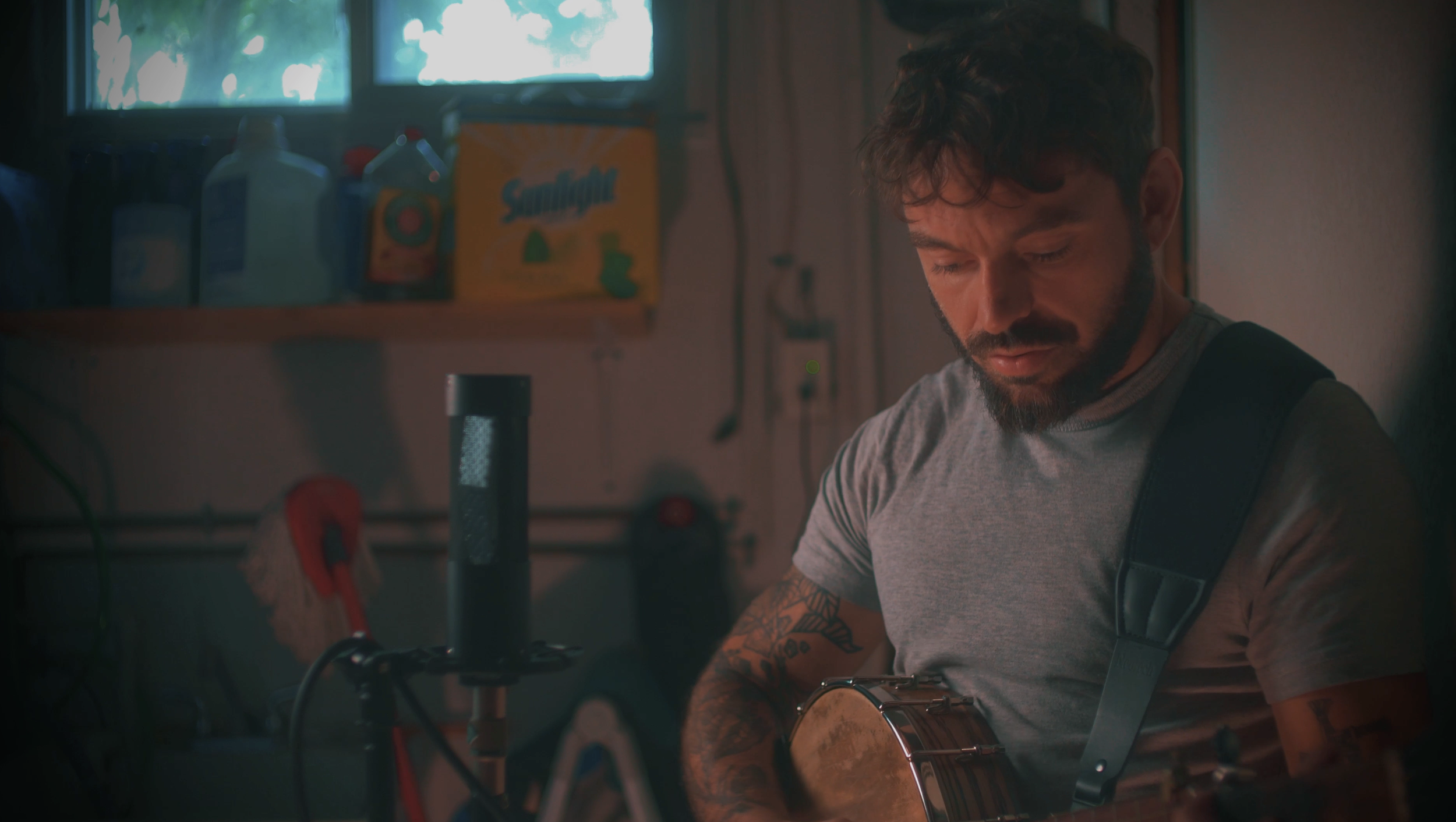
The brief opener, “Drink (Intro),” functions as a cinematic threshold, using wind-like instrumentation and spoken warmth to usher the listener inward. “Johnny Jump Up,” the focus point of the album’s atmosphere, is especially striking in its gentle melancholic harp riffs and Boyle’s sultry, weathered vocal presence. The performance carries the listener somewhere medieval, almost mythic, as though one had wandered into an old tavern at the edge of a fairy wood. Moreover, the lyrics are marvellous in their escalating absurdity. The storytelling is comic on the surface, yet beneath the humour lies an unmistakable portrait of intoxication as surrender, distortion, and reckless enchantment.
A very short glance across the remainder of the tracklist reveals how carefully Boyle sustains the album’s tonal coherence. “The Longford Weaver” leans into proper folk architecture, with acoustic guitar, soft-spoken delivery, and delicate harmonies, while a banjo appearance adds a traditional gleam. “The Humours of Whiskey” and “Clasped to the Pig” continue that measured acoustic intimacy, favouring mature vocal phrasing over theatrical excess. “An Bonnan Bui” and “Dicey Reilly” strip everything down to a cappella performance, and that choice is crucial; both tracks feel hymn-like, proving that Boyle understands silence and human breath as instruments in their own right. “Whiskey on a Sunday” introduces mandolin and harmonica for a slightly more wandering, street-corner texture, while “The Hackler from Grouse Hall,” “The Tinkers Poitin,” and “I’m a Man You Don’t Meet Every Day” deepen the album’s portrait of drink as both social ritual and self-fashioned legend.
Lyrically, Boyle favours plainspoken storytelling over poetic obscurity, yet the simplicity is deceptive. These songs are full of old-world narrative movement, dry wit, and moral ambiguity. He understands that folk music does not need to shout to leave a mark; it merely needs to tell the truth slantwise. There is humour here, certainly, but also fatigue, repentance, mischief, and tenderness. In addition, Boyle’s vocal style deserves praise for resisting melodrama. His voice is not trying to dominate the room. It guides, remembers, and occasionally winces.
What The Sup: Songs about the Drink ultimately exudes is a beautifully paradoxical feeling: warmth wrapped around regret. The listener may smile, sway, and even feel briefly transported into a rustic dream of stout, woodsmoke, and communal song. However, one also senses the clearing of the air that Boyle himself speaks of, the quiet effort to name old demons without inviting them back in. This is what makes the album compelling. Paddy Boyle has made a folk record that feels antique yet emotionally current, modest in scale yet rich in atmosphere. It does not merely recount drinking songs; it humanizes the reasons people sing them at all.
The album is available on Bandcamp as well.
Enjoyed the read? Consider showing your support by leaving a tip for the writer
TRENDING NOW








CONNECT WITH US





FEATURED



Wendy Bruner and Christopher Grundy construct “Toward Shalom” around warmth rather than spectacle, allowing its ideas of belonging, completeness, and social acceptance to develop inside an intentionally unvarnished frame. Written by Bruner and Monty Jackson and produced…