
On Wasted Years, Brian Gallagher Balances Heartbreak, Humor, and Hope Across Eleven Tender Tracks
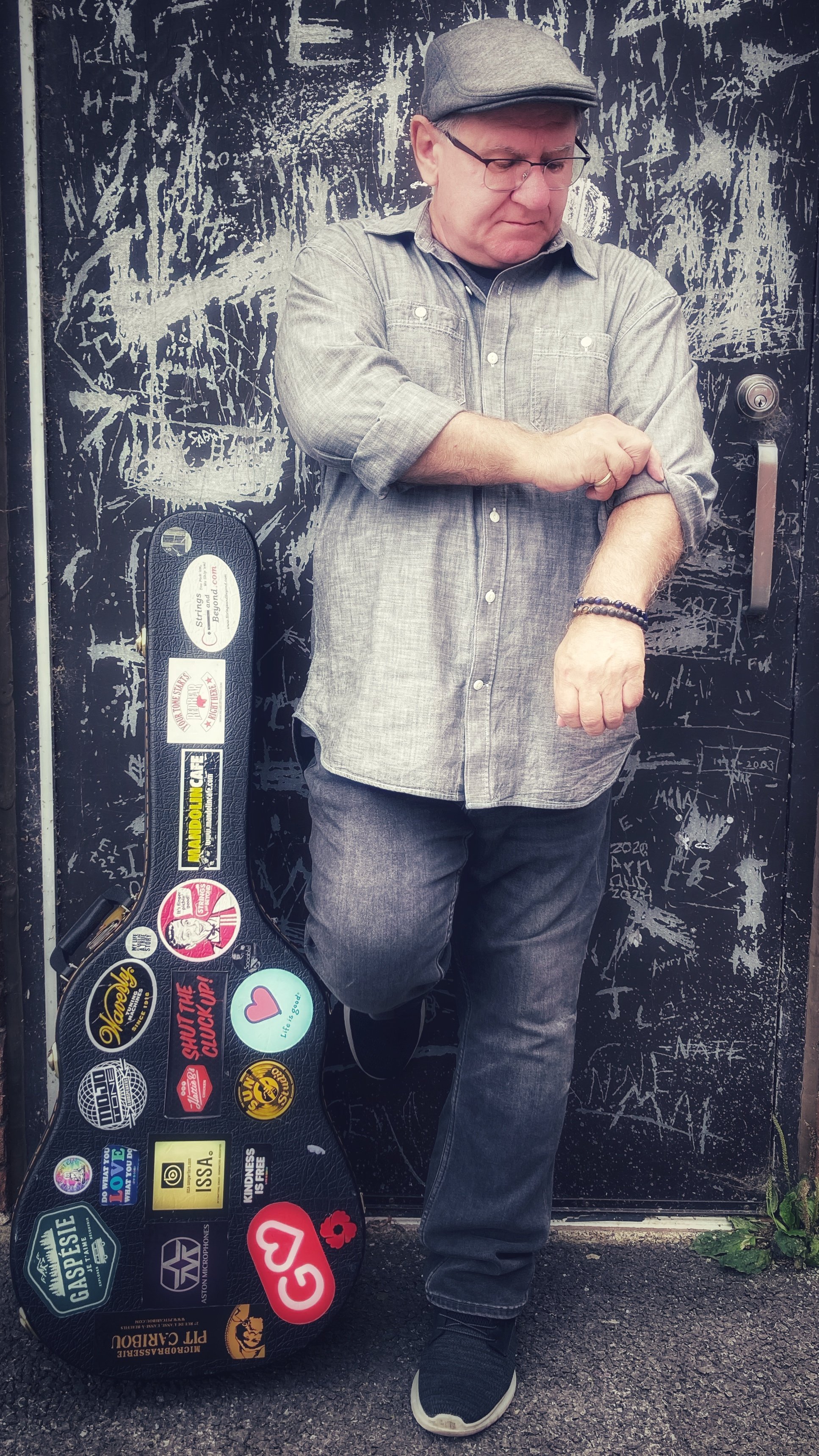

Prairie dusk doesn’t ask for applause; it simply turns the sky to copper and lets you breathe. Brian Gallagher’s forthcoming album, Wasted Years (out October 3, 2025), behaves the same way—quietly luminous, Americana in its poise, indie-folk at its marrow, with just enough indie-pop grit to scuff the edges. It’s a record of human scale: coffee steam on a cold window, highway sunsets, small-town hallways where old sweaters still keep a scent. Indeed, Gallagher—ISS A’s 2024 “International Emerging Male Artist of the Year,” ex-Happenstance songwriter, and recent awards juror—has honed a craftsman’s patience. He builds rooms you can live in, then leaves the door ajar for memory to wander through.
Sonically, Wasted Years favors an intimate palette: fingerpicked guitars and piano trade soft custody of the foreground; bass and brushed drums carry an unhurried heartbeat; violin arrives like weather—never ornamental, always purposeful. Moreover, the production breathes. Songs start close to the bone and expand organically, proof that dynamics are still the most underrated special effect in popular music. Lyrically, Gallagher works in vivid, tactile images—the kind that recall folk and country storytellers—yet he keeps the diction modern and unpretentious. However, a fair caveat: the melodic line occasionally sits too safely inside its comfort zone; the vocal delivery can feel a touch flat on a few verses. In fact, that restraint will read to some as tasteful understatement; to others, it may leave them wishing for a few bolder contours. The storytelling, thankfully, does the heavy lifting.
A very brief tour through the eleven frames:
“After Goodbye.” Everyday objects become reliquaries for heartbreak; the arrangement blooms from voice and guitar to bass, drums, and plaintive violin, embodying resilience without theatrics.
“Wasted Years.” The title track is a slow piano ballad about pride, regret, and the hard work of redemption—strings glowing like banked embers behind a voice counting its losses and naming its hope.
“Manitoba Love.” A highway hymn stitched from Windsor summers and prairie winters; folk-country cadence, chorus built for two-lane sing-alongs, and a horizon that keeps moving back.
“That’s Not Me.” Wry self-interrogation set to a gently rolling groove; black-humor asides keep it human, while the refrain admits identity is a moving target.
“Clear Blue Room. Minimalist and devastating: New Year’s stains, emptied drawers, and a Montreal sweater become a ledger of absence; violin whispers rather than weeps.
“At the End of the World.” Devotion writ cosmic; a steady, almost hymn-like progression that refuses catastrophe its victory and turns apocalypse into a vow.
“Dancing Through the Years.” Mixtape nostalgia with a pulse—old 45s, FM dials, and the democratic magic of shared choruses; a mid-tempo sway that feels like a hand out the window at golden hour.
“Sunday Jenny.” Tongue-in-cheek folk-country two-step; winking wit about the workweek blues and the dream of permanent Sundays—crowd-pleaser written all over it.
“The Lament for Cynthia Rose.” The album’s bruised heart: narrative folk at its most unforgiving, where tragedy is reported with restraint and the fiddle carries what the voice cannot.
“As Long As You’ll Always Be Mine.” A seasons-of-love ballad with a porch-light glow; soft shuffle, easy harmonies, uncomplicated tenderness that earns its simplicity.
“This Is the Last Song.” A candlelit benediction—curtain call language, comet-tail imagery, and a melody that settles like evening on the back steps.
In addition, the sequencing is quietly masterful: grief and grit alternate with warmth and wit, so the album never stalls in one emotional register. The indie-rock hint surfaces not as distortion binges but as attitude—small rhythmic pushes, steelier guitar voicings, the occasional drum emphasis that says, “Stand up straighter.” Moreover, Gallagher’s east-coast roots show in his hospitality: every chorus feels like a chair pulled out for you at the kitchen table.
Call Wasted Years a memoir sung in natural light. It won’t chase you down; it will hold still until you arrive, then hand you back a memory you didn’t know you’d lost. October 3rd is more than just a release date—it’s an invitation to sit with what was, what is, and what might yet be, while the violin draws a fine horizon and the kettle whispers in the next room. Pre-save here.
Enjoyed the read? Consider showing your support by leaving a tip for the writer
TRENDING NOW

CONNECT WITH US





FEATURED

Desiree Choy’s “Never Want It to End” glows with the soft architecture of a perfect evening held just before it disappears. The American, LA-based singer, songwriter, and actress shapes the single through Alternative / Indie R&B and Alt Pop, bringing a chill coastal feeling to a song about wanting…