Los Angeles R&B Artist Torne Creates Expansive Intimacy on New Project “Phases”
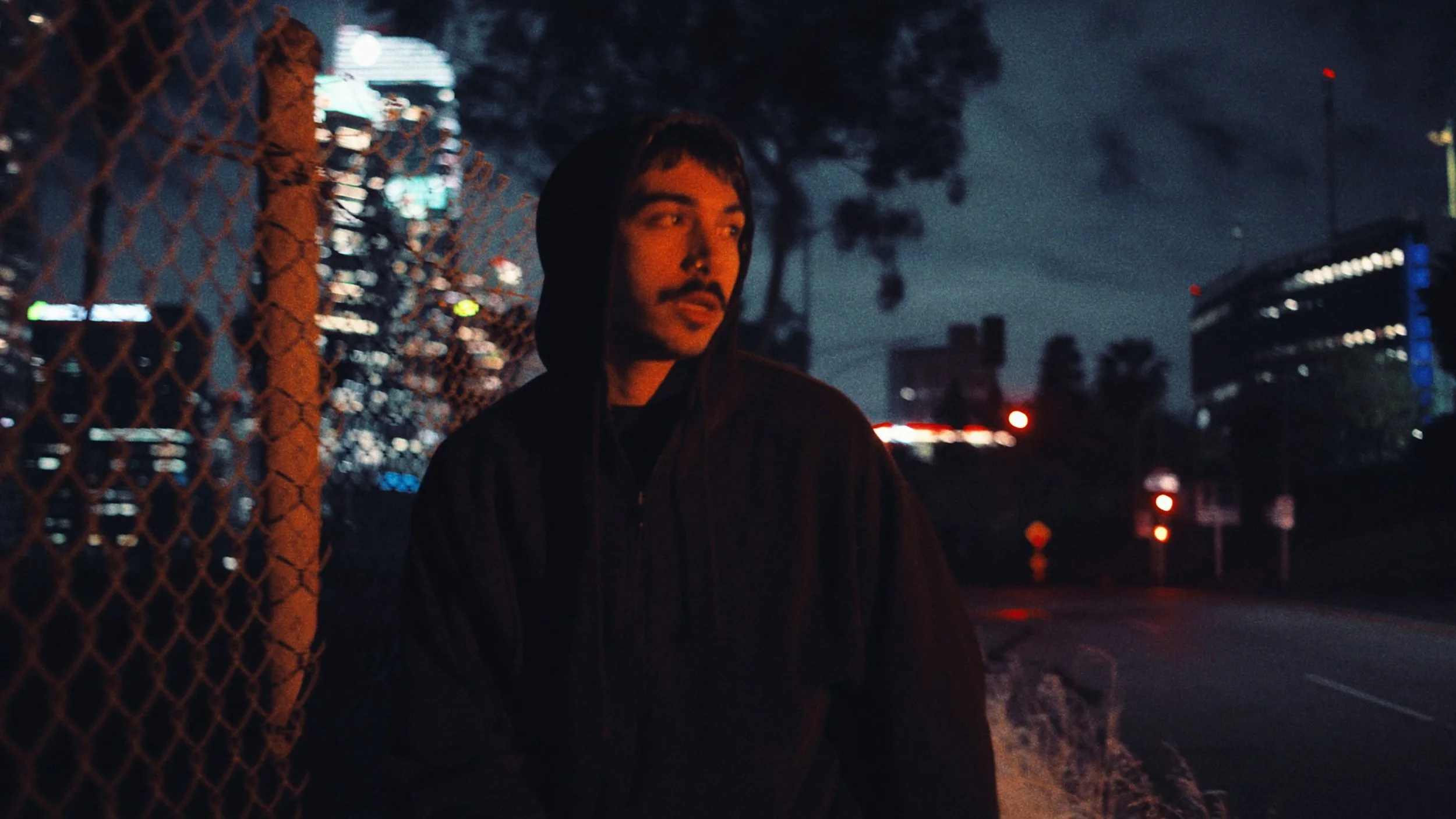
Torne treats memory less like an archive than a landscape on Phases, his 14-track self-produced album released September 4. The Los Angeles artist moves through R&B, soul-pop, indie, electronic music, dance and UK garage without allowing the project to fracture into disconnected experiments. Instead, the album carries a consistent nocturnal atmosphere: acoustic guitar phrases arrive softened by reverb, synths and pads widen the stereo field, piano chords provide warmth, and laidback drums keep the record moving without disturbing its reflective temperament. Torne’s voice is equally flexible. He can sound intimate and hushed in one moment, rhythmically clipped in the next, then suddenly rise into a more soaring register. That elasticity gives Phases its emotional architecture. The record is concerned with transition—relationships changing shape, places becoming memories, identity shifting under pressure—and its production mirrors that theme by constantly moving without sounding restless.
The album’s most distinctive detail is how personal environments become part of the music itself. Field recordings and voice memos gathered across the previous two years are threaded throughout the project as connective material, making certain transitions feel closer to remembered scenes than conventional interludes. Torne also mixed and mastered the album himself, and that complete creative control is audible in the record’s spatial logic. Vocals often sit unusually close while guitars and pads stretch outward behind them; drums can disappear entirely for a few bars before returning with renewed weight. There is a soft grain running through much of “Phases,” particularly when acoustic instrumentation meets lo-fi processing. Rather than polishing away those textures, Torne lets them remain visible. The result is an album that feels expansive without losing intimacy, as though private recordings, late-night thoughts and more polished studio ideas have been assembled inside the same architectural frame.
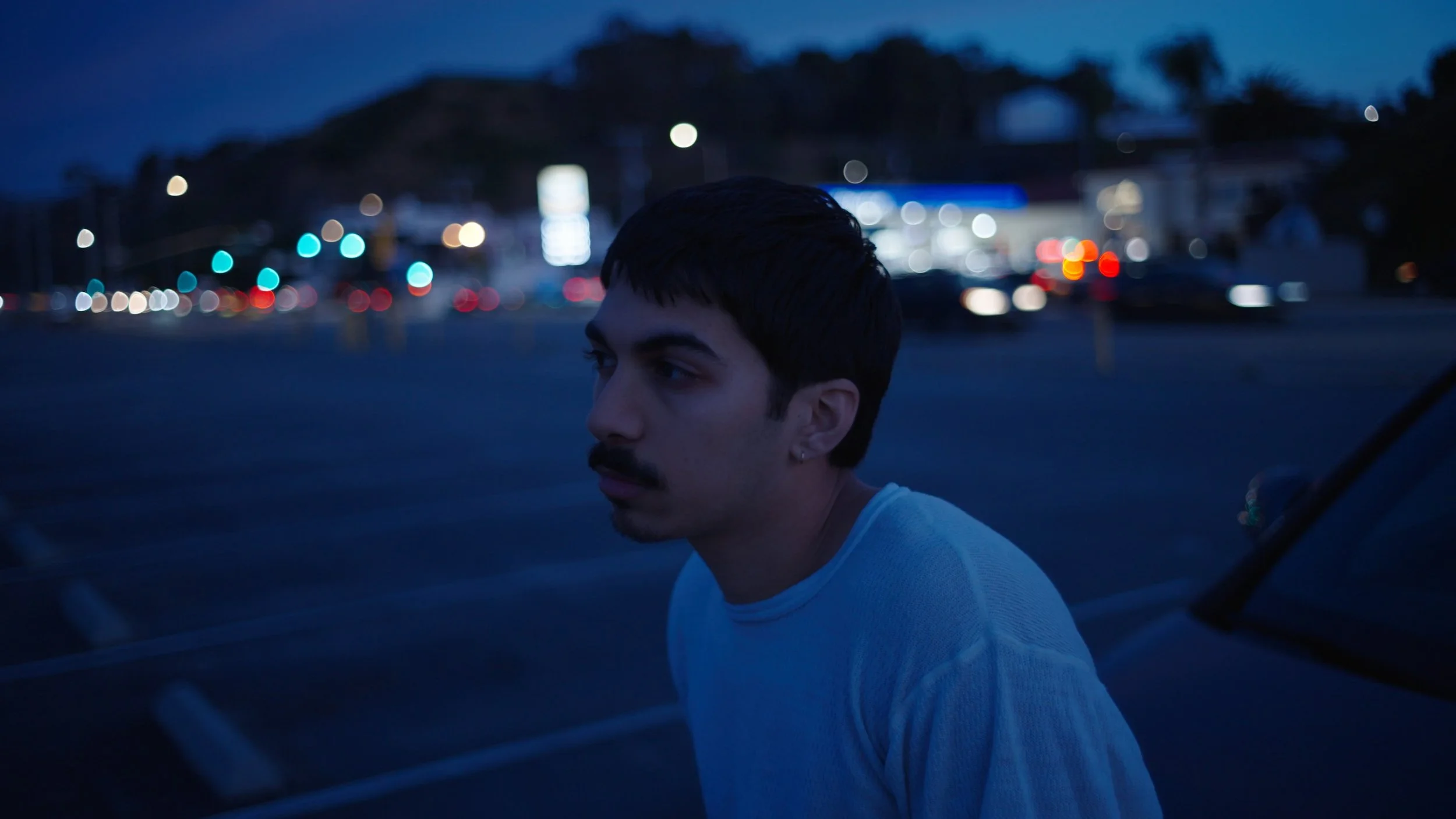
Lyrically, Torne often writes from the point where affection and uncertainty overlap. Romantic devotion appears beside self-questioning, memories of travel sit alongside childhood recollections, and pop-cultural references become personal shorthand rather than decorative name-drops. Anime, video games and cinematic imagery surface naturally within his emotional vocabulary, revealing how contemporary memory is rarely separated neatly from the media surrounding it. That sensibility also keeps “Phases” from becoming overly solemn. Even when Torne is writing about distance, change or emotional imbalance, there is movement in the language and curiosity in the production. The album frequently sounds like someone turning an experience around in their hands, inspecting it from several angles before deciding what it meant.
Track-by-Track Review
“Changes” introduces the record with reverb-heavy acoustic guitar and airy vocal fragments, creating a lo-fi haze beneath Torne’s more commanding R&B-inflected delivery; references to Gon and Killua immediately reveal the personal cultural vocabulary running through the album.
“End Of Time” widens the palette through soulful piano, funk-tinted guitar and relaxed drums, while Torne shifts between high, processed tones and a deeper, charismatic register. “Hxh (Interlude)” functions like an audio postcard, layering intoxicating pads beneath a lo-fi Japanese announcement that evokes the suspended anonymity of an airport terminal. “Hunter, hunter” returns to warm guitar-led R&B, moving between almost weightless calm and syncopated rhythm while childhood memories, animation and physical exhilaration blur together. “superbloom” is more vaporous, built from synth, restrained drums and changing vocal treatments; its drumless passages give Torne’s harmonies room to bloom against the electronic backdrop. “Karma” begins with a rap-like cadence before gradually opening into soulful singing, lush percussion, smooth bass and bright high-register samples, matching lyrics concerned with purpose, transformation and momentum. “Dear, Dancer” closes this first stretch with dense pads, lo-fi percussion and a rougher vocal texture before the beat settles into a more polished R&B-pop framework, allowing desire, migration, distance and memory to occupy the same emotional space.
Those seven songs provide enough of “Phases” to understand Torne’s method without exhausting its surprises. His strength lies in constructing songs that can change genre, vocal posture or rhythmic language while remaining recognizably part of the same world. Acoustic warmth and digital processing repeatedly meet halfway; polished R&B surfaces coexist with imperfect recordings, environmental fragments and nostalgic references. The remaining seven tracks deserve to arrive without advance mapping, particularly because discovery is part of the album’s design. “Phases” ultimately works as a study of movement—between people, places, moods and versions of the self. For listeners drawn to alternative R&B that values atmosphere as much as melody, Torne offers a record whose most compelling quality is its sense of lived space: rooms remembered, journeys recorded, and feelings preserved just before they change again.
Enjoyed the read? Consider showing your support by leaving a tip for the writer
TRENDING NOW



CONNECT WITH US






FEATURED


Colombian multidisciplinary artist Laru builds “Contra el río” around a compelling contradiction: resistance expressed through calm. The experimental Afro-fusion single moves with a laidback pulse, yet its internal design suggests constant forward motion. Gentle drums carry a tribal texture without overwhelming…