
James Linck’s One on One Turns Self-Reflection into Indie R&B That’s Playful, Poetic, and Genuine
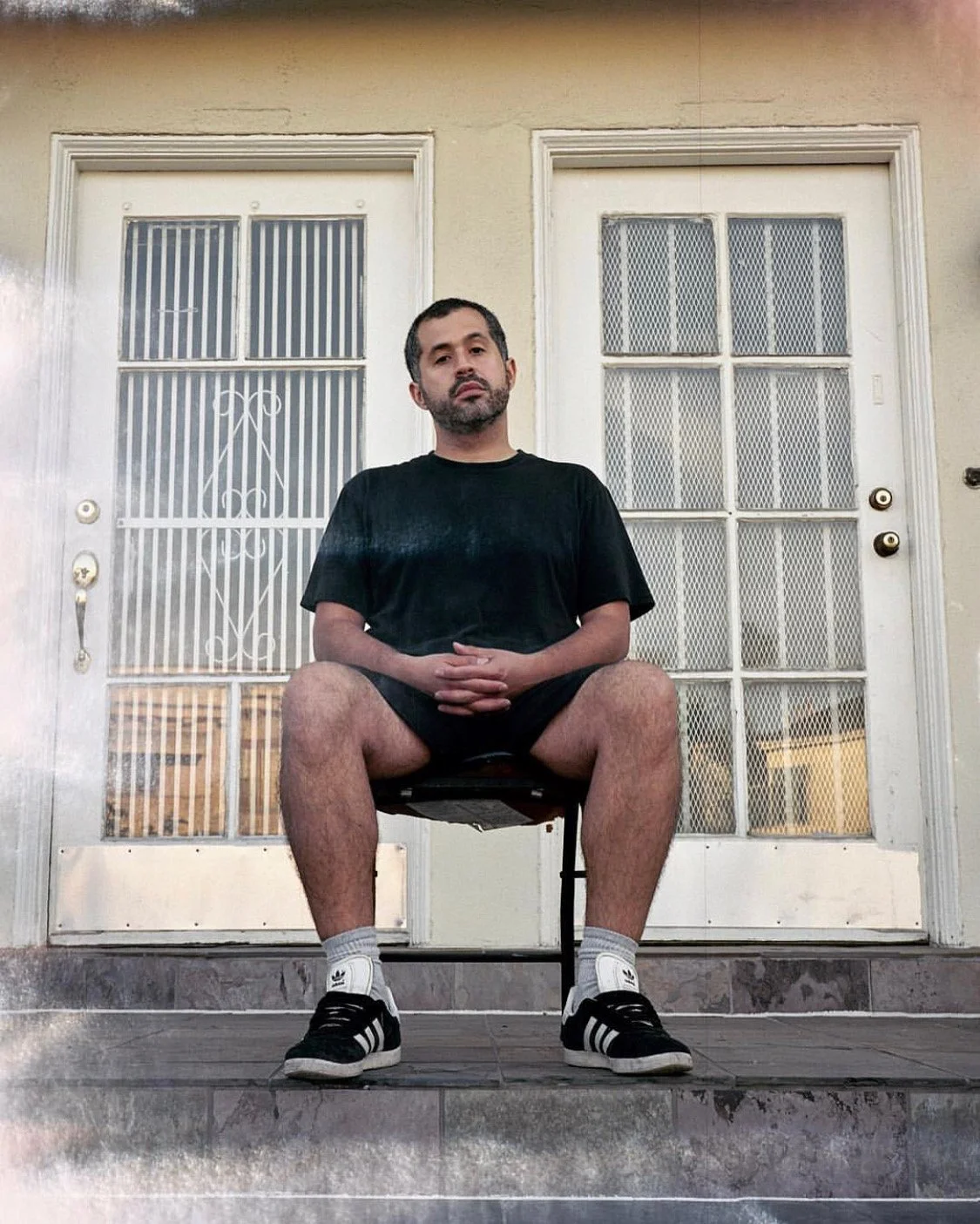
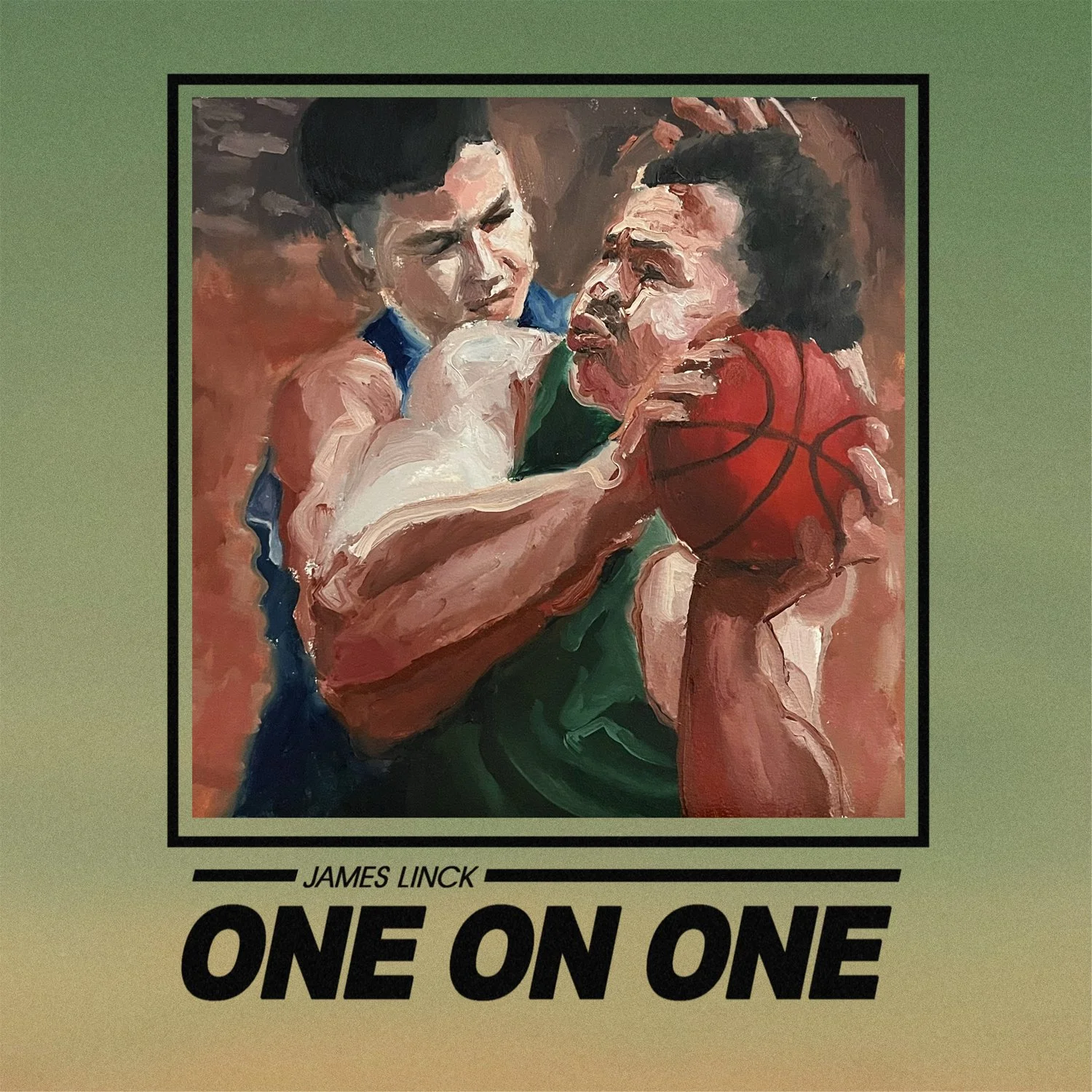
Most mirrors tell the truth only when cracked — James Linck’s latest album “One on One” holds that jagged reflection up to the face and refuses to look away. Billed as a feedback loop of self-confrontation, the record dwells in the in-between: the hesitation between impulse and regret, the breath between a text and its deletion. Sonically, it’s Indie R&B with a hint of alternative Pop by way of playable daydreams—piano chords that feel penciled, not inked; quirky, syncopated drumwork that doodles in the margins; and melodies that flirt with whimsy before admitting the ache. Indeed, Linck’s vocal delivery—processed, elastic, sometimes Auto-Tuned to a chrome sheen—turns the self into both narrator and instrument. However, that heavy tuning occasionally smooths away the frictions his lyrics so carefully stage, polishing rough feelings that might have cut more beautifully if left serrated.
First, the song “Se Mich” opens like a sly thesis statement: playful flutes, mellow keys, and chopped vocal bits orbit a confession about inertia and geography [“hard to change a thing in south east…”]. The groove saunters yet the language sprints—fast breaks, fadeaways, repaved paths—so the arrangement becomes a paradox: buoyant music carrying a brick of memory. In fact, it’s the album’s most complete fusion of hook, imagery, and pocket; the best cut here.
“Reality Bites” keeps the bounce but tightens the lens. Airy pads, kick-clap punctuation, and a bassline that swaggers like side commentary host lines about ghosts, captions, and self-sabotage. The repeated “how I feel” reads like a loading bar for emotions, while the game-console sparkle in the topline melodies adds wry levity. Moreover, the song nails the absurdity of trying to caption a life you haven’t fully lived.
“Robin’s Egg” blends soul and electronica into something weightless but not flimsy. The lyric’s rabbit-out-of-a-hat and “mole in the sun” images translate dissociation into tactile fables, while the long-tunnel mantra turns time itself into percussion. The chorus doesn’t explode; it unfurls—an internal victory parade at half-tempo.
“Endless Horror” drapes its indie-R&B skeleton in lo-fi silk: mellow riffs, curious percussive accents, pad swells. Yet the writing refuses gloomy cosplay. “Hard rain but a new day comes” repeats like a stubborn thesis, then the verse pivots to penitence, pretence, and the bucket you keep trying to put something in. The track works like a sly pep talk interrupted by a thunderclap. However, the vocal processing here nudges toward over-homogenized; a few more unvarnished passes would have deepened the bruise.
“Student of Life” is the dashboard anthem—late-80s pop DNA reframed with sly modernity. The lines about Camrys, parenthetical math, and TV tears capture how adulthood can feel like extra credit you never signed up for. In addition, the hook turns ambivalence into choreography: even failure scans as tuition paid. The mix is kinetic without crowding, though the Auto-Tune again risks sanding off some of the song’s rueful grain.
“Reframe” is the record’s cinematic cut. Soulful keys and a clever drum lattice make room for Rorschach lyrics—flowers in ink blots, credits that cascade, feelings that won’t stay as long as the day. Indeed, the writing here is vivid yet precise, translating mental snapshots into moving pictures. When the chant “reframe” arrives, it feels less like a hook and more like a therapy assignment set to groove.
“Pre” signs off with synth brass, laid-back drums, and a bassline that winks. The words juggle gratitude and escape plans, comic-book symbols and global south detours, “style after style” with “no attachment in it.” It’s gracious, slippery, and a little haunted—a networking handshake delivered with existential side-eye. Moreover, the repetition of “appreciate you making time” undercuts bravado with real warmth; the song bows without bowing out.
Across seven tracks, the musical grammar is consistent yet not monotonous: hand-drawn pianos, curious textures, drum programming that prefers elastic snap to brute force, and melodies that thread earworm charm through introspective corridors. Linck writes in bright fragments—ribbons, captions, robins’ eggs, hallways—then splices them into emotional circuitry that feels both personal and portable. In fact, One on One’s greatest strength is its humane scale: even at its most stylized, the songs sound like conversations you could actually have with yourself at 2 a.m.
If there’s a limit, it’s the uniform reliance on vocal processing; the chrome sometimes quiets the quiver. Yet the trade-off is a cohesive aesthetic that mirrors the album’s thesis: the self as signal routed through successive filters, learning what survives each pass. By the final fade, James Linck has pulled off a nimble balancing act—playful but pensive, catchy but self-questioning, a feedback loop that, mercifully, resolves into something like forward motion.
Enjoyed the read? Consider showing your support by leaving a tip for the writer
TRENDING NOW

CONNECT WITH US





FEATURED

Rob Aspinall builds “Keeps On” from restraint rather than release, letting its emotional weight gather slowly inside a mellow alt-soul framework. The Melbourne artist, multi-instrumentalist and producer shapes the track with soft piano keys, gentle guitar and bass phrases, ethereal pads, and relaxed R&B drums…