Psychic Fever and JP THE WAVY Bring Hook-Ready Swagger and Club Precision to “Just Like Dat”
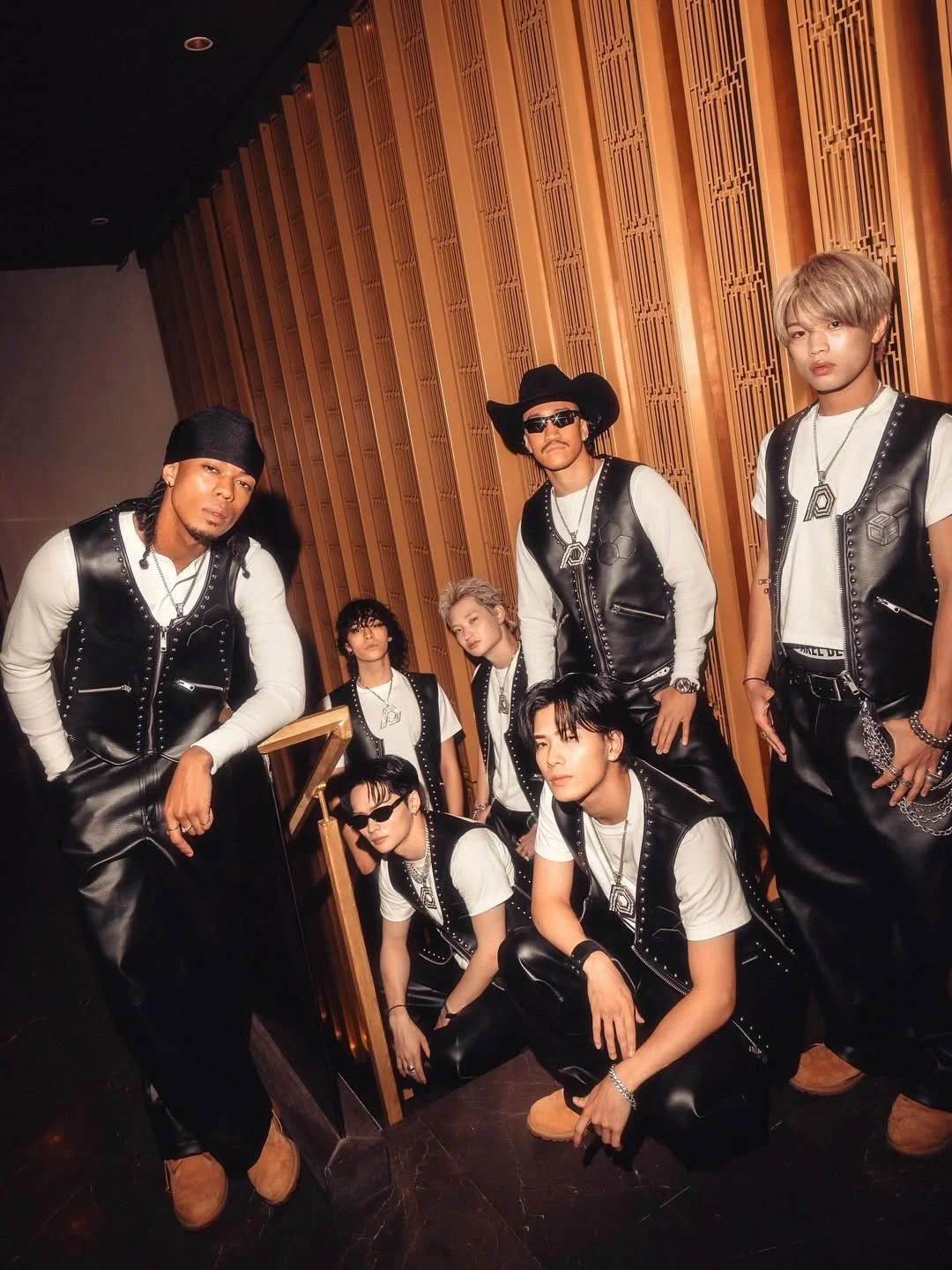
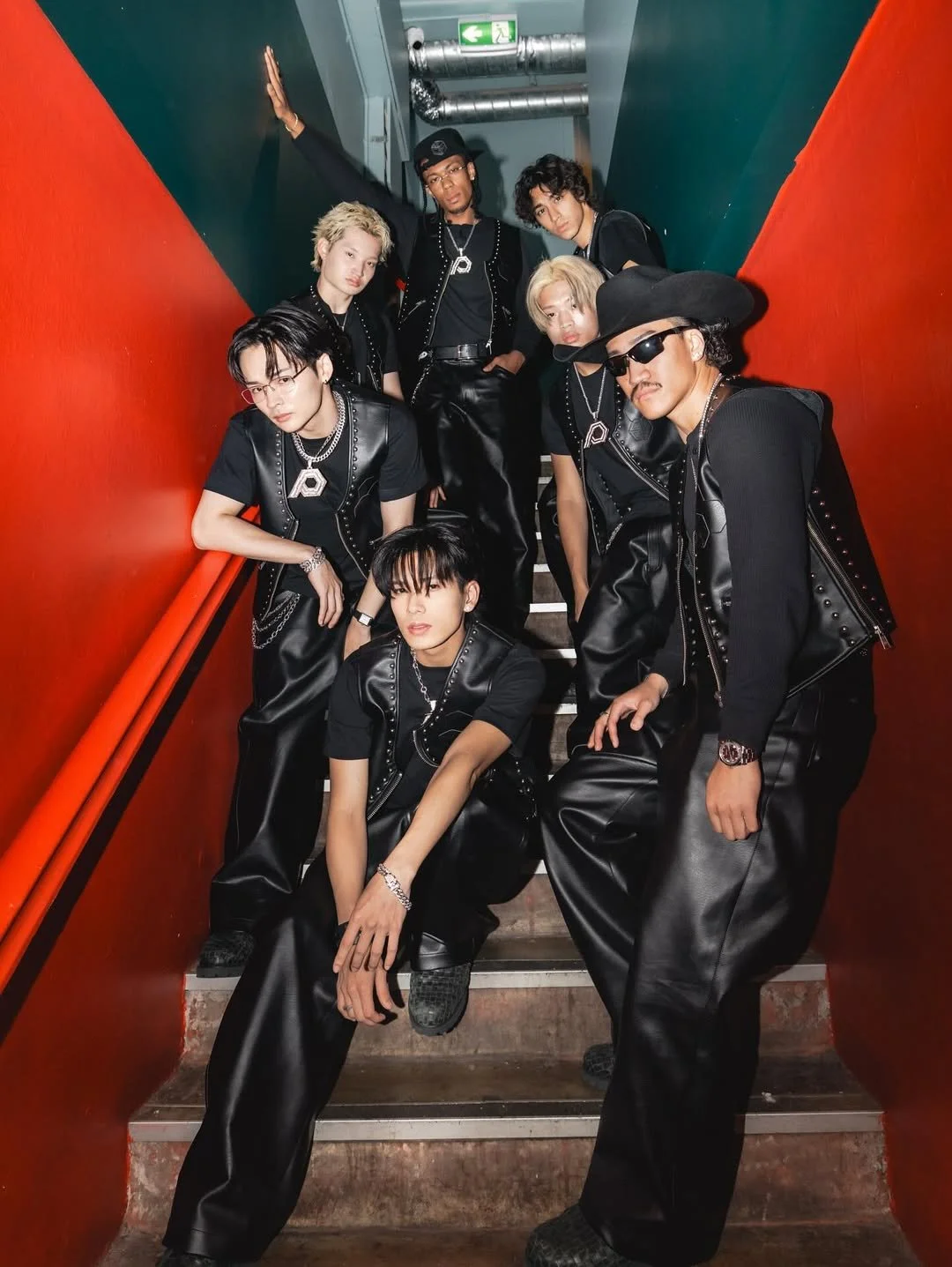
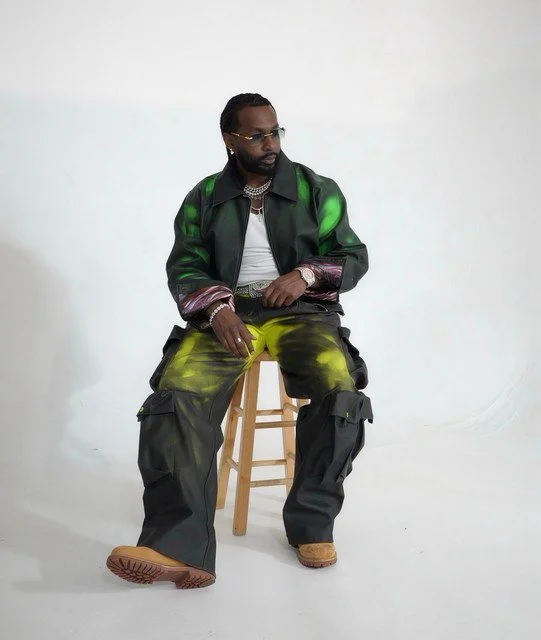
Psychic Fever from Exile Tribe waste no time on “Just Like Dat”—they let JP THE WAVY slide in first, rapping with that billboard-sized charisma before the chorus even has a chance to clear its throat. That sequencing matters: it turns the single into a moving entrance, not a gentle introduction, and it suits this commercial-pop chassis perfectly. The production reads like glossy signage at night—synth lines skimming overhead, brass stabs flashing like chrome, and heavy hip-hop drum-work keeping the whole thing athletic rather than sugary. Even when the melody brightens into full J-pop uplift, the bass stays firm and well-lit in the mix, giving the vocals a suave runway instead of a cloud. The result is genuinely engaging: rhythm-forward, hook-clean, and designed to feel breezy without ever going weightless.
Lyrically, the track plays the classic “no hesitation” romance with a bilingual snap—prepared, forward-moving confidence (“止まんないで前進”) offset by flashes of fixation and urgency (“1秒でも早く気付いて欲しい”). That push-pull—big-league bravado, ride-or-die devotion, and the quick heat of a crowded room—lands because the arrangement is disciplined: verses tighten, the chanty refrains widen, and the recurring “do it just like that” works as rhythmic architecture, not filler. If the dancing in the visual presentation feels slightly dated, it’s only because the audio is sharper than the styling; the song itself feels current in its mix geometry and performance pacing. “Just Like Dat” ultimately proves Psychic Fever can package pop radiance with club-grade impact—and make it look effortless.
Enjoyed the read? Consider showing your support by leaving a tip for the writer
TRENDING NOW

Molly Valentine’s “Mannequin” arrives with the kind of debut confidence that feels fully imagined rather than merely promising. The UK artist introduces herself through a piece of alt-pop theatre that is lush, dark, and emotionally poised, balancing…
Kiki Rowe’s “Fool” lands with the kind of smooth confidence that doesn’t need to raise its voice to be heard. The Mississauga native has been building a reputation as a true double threat—equally comfortable shaping a song from the writing…
Alva Lys’ “Dancing with my Shadow” moves the way late-night thoughts do—soft around the edges, but strangely precise in how they land. Framed as alternative pop with a laidback pulse, the single carries…
Bor Luos turns a deeply personal idea into something warmly universal on “PARADOX,” a single that balances laidback charm with genuine emotional weight. Blending alternative pop and indie R&B, the track moves with an easy, feel-good…
A midnight engine does not roar; it purrs, hypnotizes, and persuades the road to disappear beneath it. That is the strange, nocturnal magic Adam Bogdan brings to “Omega Soul EP,” a project that moves with the confidence of underground dance…
Soul Filter’s “Letters To Myself” is the kind of single that wears its vulnerability plainly and turns that honesty into its strongest feature. Coming out of Summerside, PEI, the band leans into a familiar late-90s alternative spirit while giving it a cleaner…
Certain songs earn their strength not by raising their voice, but by refusing to bend beneath disappointment. Georgie Najar’s “Whatever” carries that kind of quiet resolve, arriving as a laid-back blend of folk pop and alt-pop that turns private frustration into something coolly self-possessed. The New York singer-songwriter has built….
Hope often arrives with less fanfare than despair, yet it can sound far more persuasive when carried by conviction. Matt Hansen’s “Vision” leans into that idea with an energised blend of folk pop and adult contemporary clarity, offering a song that…
Mista-Ree, J.O.Y., and Cherry Blaster come together on “Blue Avenue Pt. II” with the kind of chemistry that makes a groove feel instantly lived-in. Framed by alternative funk and disco-R&B, the track leans into movement without sacrificing polish…
A cracked bell can still summon the whole village; its beauty simply arrives with a bruise in the tone. David Hobbes’ “Tomorrow Man (EP)” kind of carries that same lived-in resonance — not immaculate, not overly perfumed, but strangely persuasive because of its imperfections…