
FNF Kenno’s "Baby, Don’t Drown In The Wave" Turns Toxic Romance Into a Nocturnal Confession


A riptide doesn’t announce itself with a roar; it whispers, then tugs—softly at first—until you realize you’ve been drifting for miles. That’s the emotional physics powering Baby, Don’t Drown In The Wave, a 12-song album from FNF Kenno that feels less engineered for playlists than for confession. Kenno’s hip-hop and rap approach is deceptively relaxed: melodic hooks glide over rhythmic verses, yet the project carries an undertow of self-protection, as if every chorus is a hand reaching out while every bar quietly weighs whether it’s time to let go. Indeed, the sequencing behaves like a late-night conversation where the room is dim, the phone screen is too bright, and sincerity arrives in fragments—half tenderness, half warning.
Production-wise, the album is painted in plush, nocturnal tones: piano motifs that shimmer and bruise, basslines that move with a slow, deliberate swagger, and drums that often choose restraint over spectacle. That minimalism isn’t emptiness; it’s negative space—an arrangement philosophy that leaves room for implication, for pauses that say what pride refuses to articulate. Moreover, Kenno’s vocal layering tends to function as mood-lighting: stacked harmonies soften sharp truths, while his nonchalant cadence keeps heartbreak from becoming melodrama. The overall vibe is cozy but unsettled, the musical equivalent of a warm hoodie worn during an argument you’re trying to end peacefully.
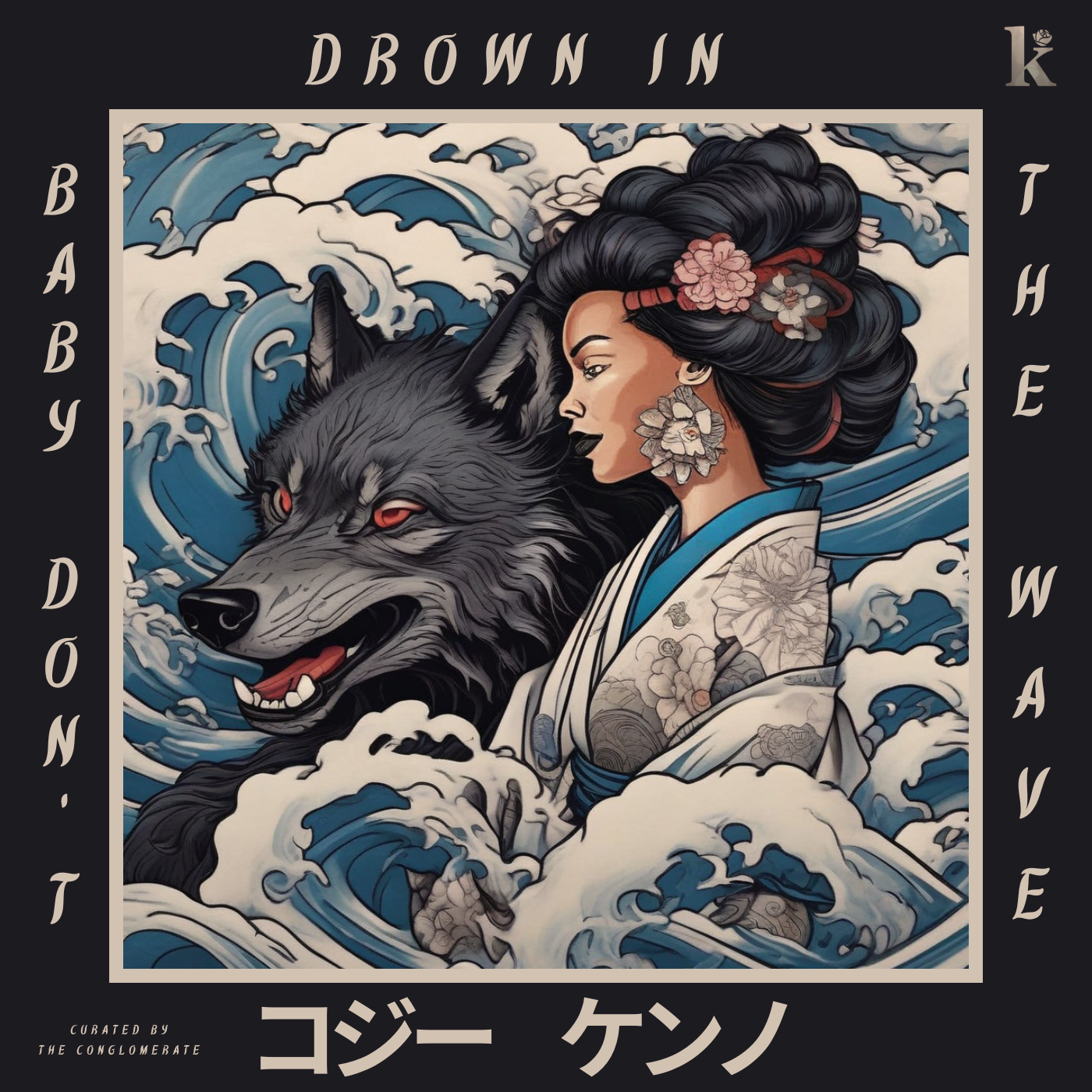
A quick run through the first half reveals how carefully Kenno sets the stage. “Bae Watch” opens with layered vocals wrapped around colorful piano keys and a groove that overlaps and drifts, creating a vaporous comfort. The infatuation is real—generous, even—yet it’s delivered with the cautious optimism of someone who has promised the world before and remembers the cost. “Kast Away” pivots into mellow, melancholic keys and laid-back drums, letting Kenno sound cool-headed while he draws a boundary. The writing lands because it’s specific: he calls out the imbalance of a relationship where one person keeps taking, and the other keeps “proving” love until proof becomes poverty.
Then “$weetest Thing” slides into a 90s R&B tint—more texture than nostalgia-bait—while Kenno raps with a smooth, unhurried flow. In fact, the track’s tension is its thesis: longing versus ambition, pleasure versus commitment, the hunger for “bread” shadowing the hunger for real intimacy. “Call Me” softens into a late-night-drive palette—gentle piano, tender drums—framing a no-strings arrangement that still aches with emotional gravity. The invitation is casual, but the subtext isn’t: when pride is asked to step aside, feelings inevitably walk in.
“No Emotions” keeps the drums minimal and lets spacey synth chords breathe, while the chorus layers vocals in a way that nods toward introspective rap lanes (the Isaiah Rashad/Kendrick-ish haze) without imitation. However, the track’s chill exterior hides an intimate scene—comfort offered in the middle of sorrow—suggesting that “emotionless” is sometimes just exhausted. “2Late” closes this first act with catchy pads, soft harps, and a slow, hard-hitting pulse; Kenno confesses regret and the desire to be more than temporary. The writing feels bruised but adult: accountability isn’t a grand speech here—it’s a quiet admission that timing can be its own betrayal.
The remaining six songs are best left unopened for the listener to discover, because the album’s second half works as consequence: what happens after the boundaries, after the bargaining, after the brave talk in the dark. Ultimately, “Baby, Don’t Drown In The Wave” reads as a cautionary romance—an album about a toxic love with real warmth inside it, the kind that makes leaving feel unnatural even when staying is corrosive. The title becomes the final moral: don’t dissolve your identity in a relationship’s turbulence; when the tide keeps pulling you under, because choosing air is not cruelty—it’s survival.
Best experienced on headphones during a night walk, a rainy-window commute, or that liminal hour when you’re alone but not lonely—when the world quiets down enough for your thoughts to speak clearly. Consequently, Kenno’s album narrates the moment you decide you’re done romanticizing the drowning.
Enjoyed the read? Consider showing your support by leaving a tip for the writer
TRENDING NOW








CONNECT WITH US





FEATURED



Desiree Choy’s “Never Want It to End” glows with the soft architecture of a perfect evening held just before it disappears. The American, LA-based singer, songwriter, and actress shapes the single through Alternative / Indie R&B and Alt Pop, bringing a chill coastal feeling to a song about wanting…