
Giuseppe Cucé weighs memory, desire, and regret on “21 Grammi,” a Sicilian indie-pop diary staged as cinema.
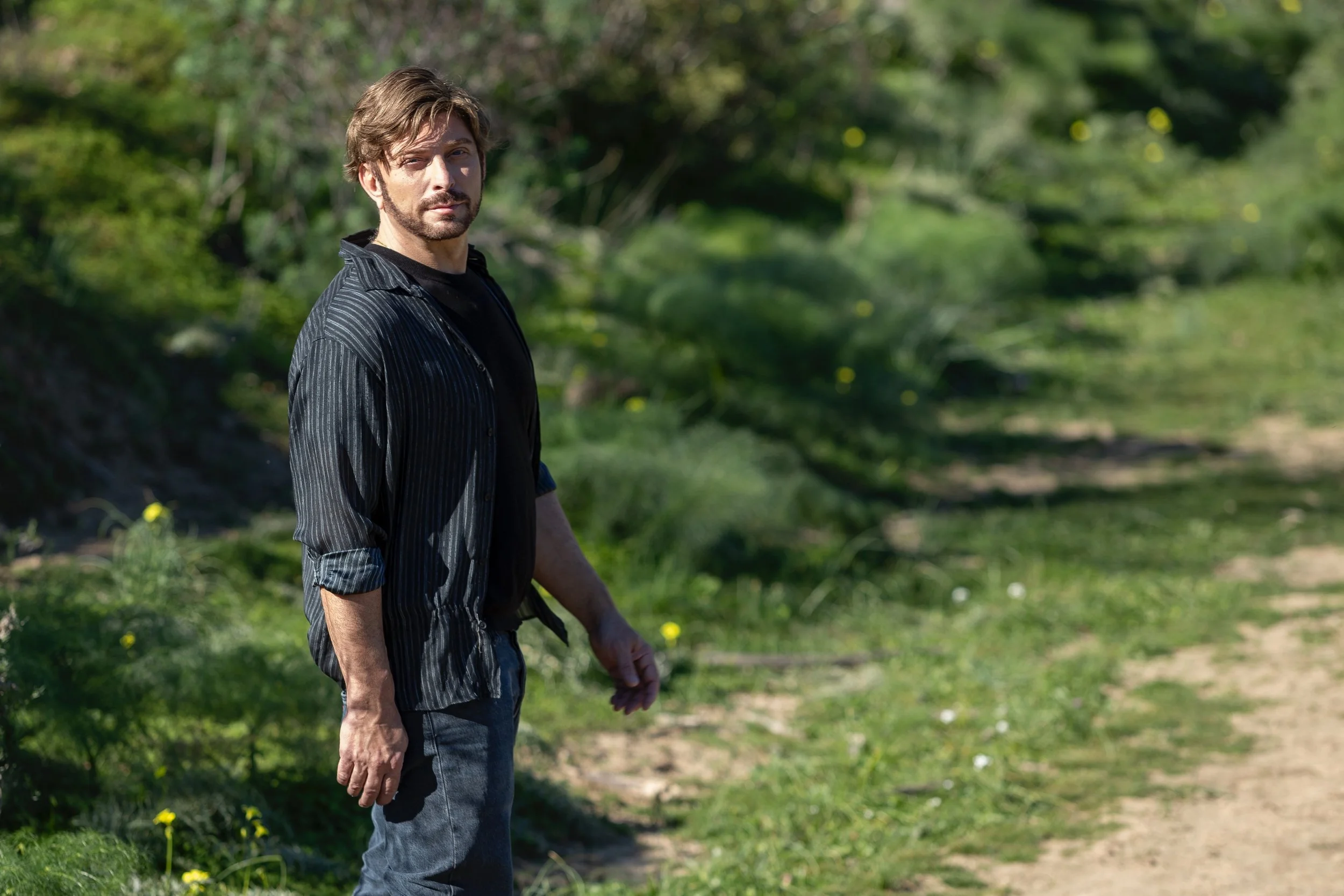
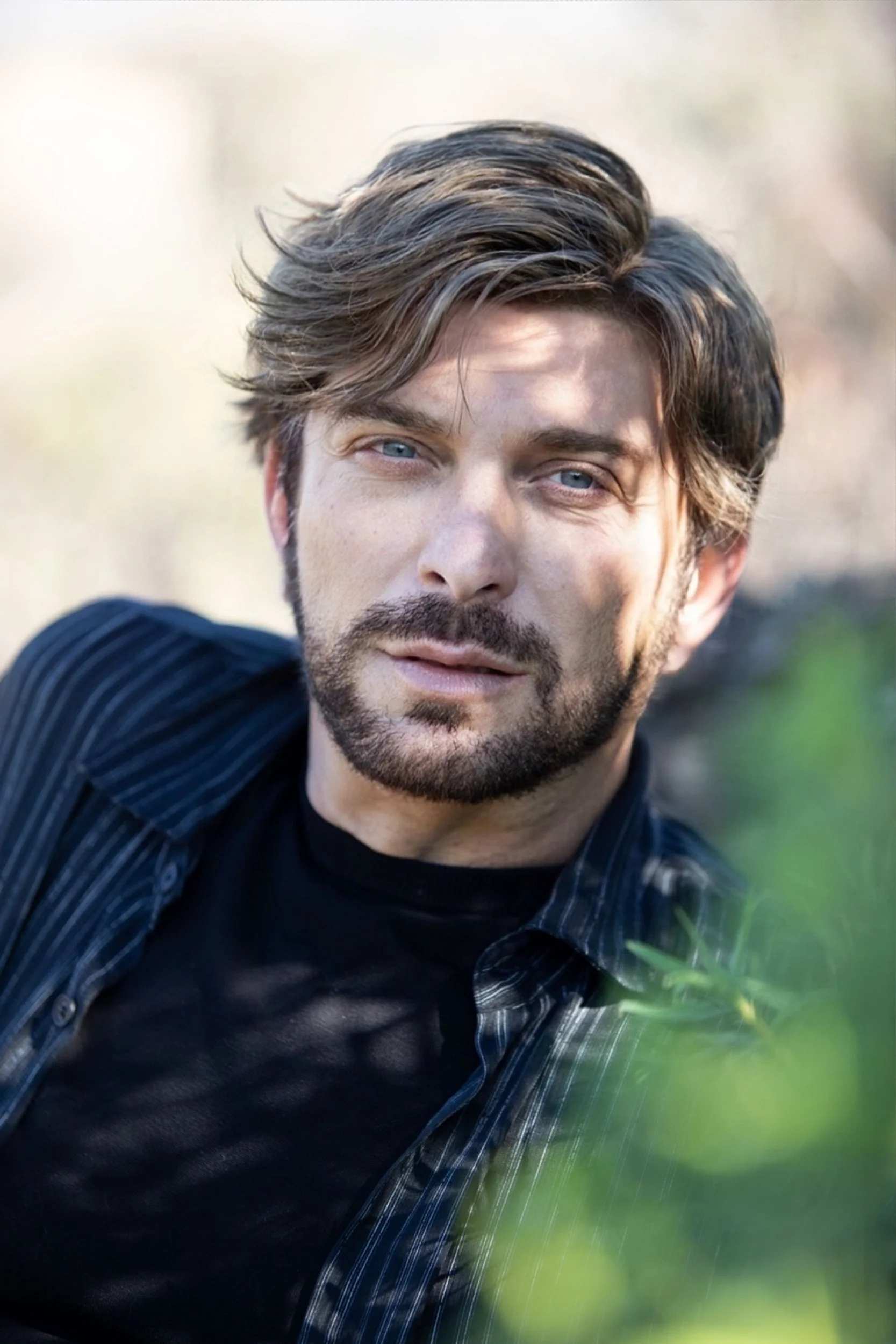
They say the soul weighs twenty-one grams; Giuseppe Cucé answers by asking how much memory, desire, and regret weigh when they start singing. 21 Grammi is his response—a nine-song indie-pop cycle that treats that old myth not as a scientific claim, but as a poetic measurement of everything we drag through life and refuse to drop. The result is a record that feels at once theatrical and deeply human, a Sicilian diary staged as cinema. Released via TRP Vibes and distributed by EGEA Music, and recorded at TRP Studios in Catania, it extends Cucé’s cantautore roots into a more cinematic, international language without abandoning his Mediterranean warmth.
Sonically, “21 Grammi” is an elegant balancing act: indie-pop at its core, but laced with soul inflections, Latin colours, orchestral strings and subtle modern production touches. Indeed, producer Riccardo Samperi sculpts a soundstage that feels almost tactile—brass and flutes are allowed air, drums breathe like a live band in a small theatre, while pianos and cellos sketch a chiaroscuro around Cucé’s voice. In fact, the sequencing turns the album into a rising and falling emotional arc, alternating dance-floor sway and quiet confession so that neither ever numbs the listener.
“È tutto così vero” opens the record with a jolt of life: salsa-kissed horns, crisp percussion and a Tele-novela sense of drama, where love, rum and merengue become tools of survival as much as celebration. “Ventuno” immediately shifts the temperature—a tender, indie-rock-brushed ballad where Cucé’s dreamy delivery floats over guitars and piano, while the lyrics catalogue the body in grams, as if weighing each limb to understand what a soul is made of. “Dimmi cosa vuoi” turns relational uncertainty into a soaring pop plea: it begins in hushed piano intimacy, then blossoms into a mid-tempo anthem where overdoses of feeling are offered not as danger but as devotion.
Moreover, the middle of the album is where the “cinematic” tag feels most earned. “Fragile equilibrio” rides a groovy, keyboard-driven rhythm that feels almost carefree, yet the lyrics speak of tarot cards, fractured mirrors and a Dorian Gray-like portrait burning slowly in the background—a reminder that joy, here, is never entirely uncomplicated. “La mia dea” slows the pulse into a luminous hymn to a protective, almost mythic feminine figure, draped in piano and cello; the pact with time and death that runs through the text gives the arrangement a waltzing, timeless quality. “Cuore d’inverno,” with its broader drums and TV-theme sweep, stages the classic Italian tension between passion and disincanto: the sun warms the face while the heart remains locked in winter.
In addition, “Tutto quello che vuoi” injects a playful, folk-pop swagger. Acoustic guitars open the scene, then the band enters and suddenly life becomes theatre: neighbours with bombs, paper explosives in the kitchen, elephants falling from pedestals and a slumbering volcano all parade through the verses. The groove stays light, but the subtext—our complicity in the chaos we inhabit—keeps the track from turning into mere whimsy. “Una notte infinita” returns to nocturnal introspection: piano and strings cradle a voice suspended between abandonment and stubborn hope, as if trying to decide whether a sleepless night is punishment or revelation. Finally, “Di estate non si muore” closes the circle with a shimmering, rhythm-driven piece where summer, conscience, mafia shadows and mythic imagery collide; you feel both the tourist postcard and the wound beneath it.
Lyrically, Cucé writes as a painter of scenes rather than a diarist of slogans. He favours dense, imagistic stanzas—streets, volcanoes, saints, circuses, university radios, childhood memories—over direct statement, trusting listeners to stitch meaning between lines. Indeed, there is something quietly courageous in his refusal to simplify; even the catchiest choruses carry philosophical friction, whether he’s singing of fragile balances, infinite nights or actors trapped in their own stories. At times the theatricality borders on operatic, yet the arrangements keep it grounded: brushes on snare, small string ensembles and intimate piano voicings ensure the drama never hardens into melodrama.
What makes 21 Grammi resonate, beyond its conceptual neatness, is how physically it makes the listener feel their own interior weather. You can dance to È tutto così vero, yet there’s always a faint sting in the trumpet lines; you can float through Ventuno and still sense the ache of wanting to trade legs for wings. However, this is not a record that chases easy catharsis. It prefers to sit in ambivalence—the moment just after the carnival, the second before the door finally opens, the heartbeat pausing between winter and sun.
As an indie-pop statement from contemporary Italia, Giuseppe Cucé’s 21 Grammi is both accessible and quietly idiosyncratic: a concept album you can hum along to, and a heartfelt confession dressed as a small, perfectly sequenced drama. You leave it not with answers about what a soul weighs, but with the uncanny sensation that your own might have shifted slightly—lighter in places, heavier in others, and unmistakably more awake.
Enjoyed the read? Consider showing your support by leaving a tip for the writer
TRENDING NOW



CONNECT WITH US





FEATURED



Desiree Choy’s “Never Want It to End” glows with the soft architecture of a perfect evening held just before it disappears. The American, LA-based singer, songwriter, and actress shapes the single through Alternative / Indie R&B and Alt Pop, bringing a chill coastal feeling to a song about wanting…