Cam Ezra’s Dead Internet Captures the Anxiety of the Algorithm Era in a 16-Track Fever Dream
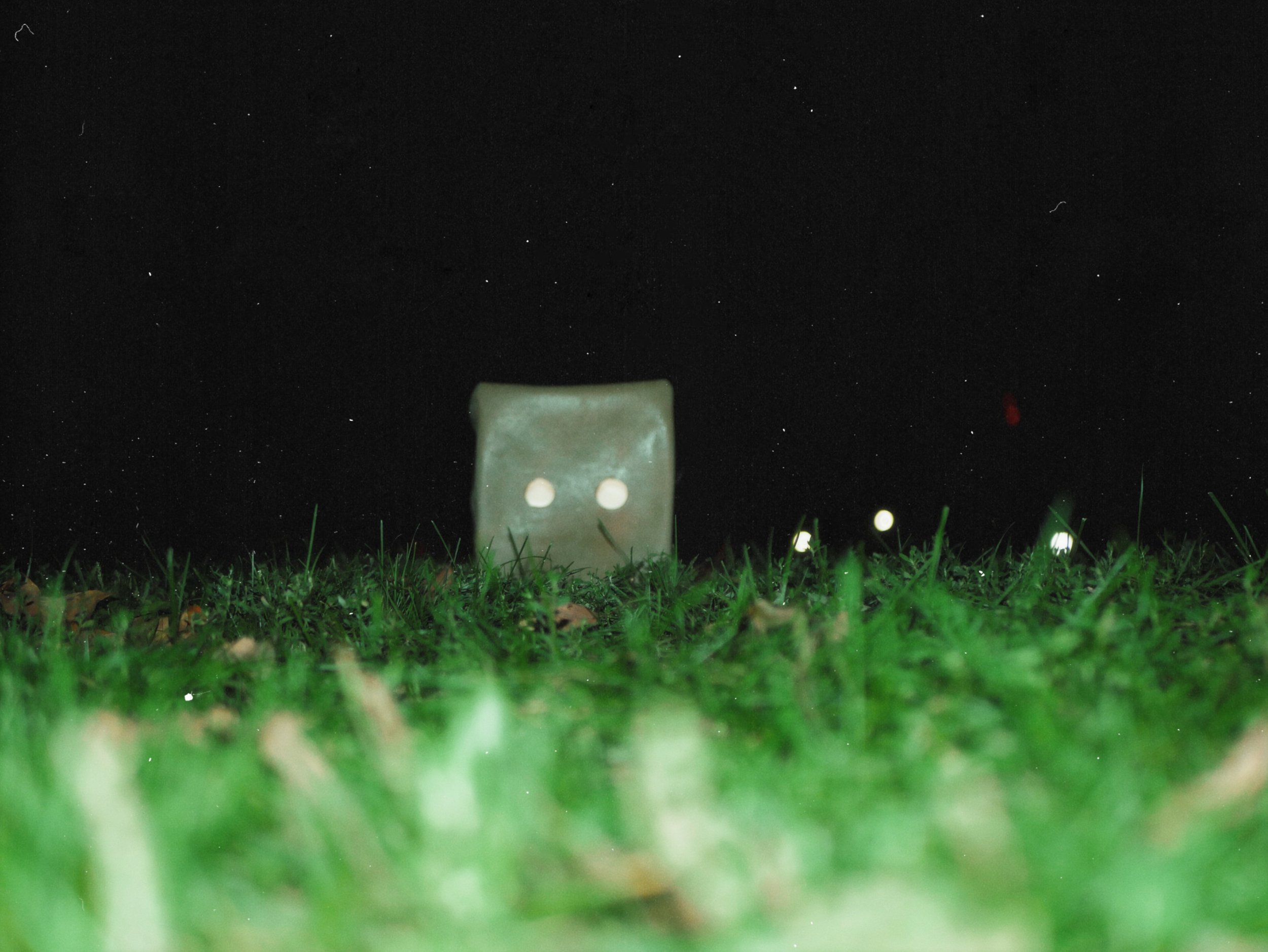
A moth will circle a streetlamp until dawn, not because the light is kind, but because it is magnetic—and Dead Internet, Cam Ezra’s 16-track plunge into electro-rap and cloud rap, behaves with that same hypnotic danger. Ezra’s world is lit by screens, paranoia, and late-night algorithmic dread; you don’t simply listen to this project so much as you wander into it, blinking, as if your own thoughts have been auto-completed by a machine with a conscience problem.
Cam Ezra, an artist who treats genre the way a hacker treats firewalls, frames Dead Internet as both aesthetic and thesis. Indeed, the album is a digital labyrinth where rock grit, pop sheen, and rap cadence collide, then fragment, then recombine. The production often stacks two or three rhythmic identities in a single track—beats folding into beats, switch-ups arriving like sudden pop-up windows—so the listener is rarely granted the comfort of predictability. In fact, that restless architecture is one of the record’s sharpest virtues: it captures the sensation of modern attention itself, tugged between tabs, notifications, and spiraling inner monologues.
Lyrically, Ezra doesn’t spoon-feed a clean narrative. Instead, he cultivates a fog of conspiracy, confusion, fear, anxiety, and ego—an emotional operating system running too many processes at once. Moreover, the ambiguity feels intentional: meaning is less a delivered package than a puzzle the listener assembles from fragments. The writing favors mood over manifesto, implication over instruction. It’s the kind of project where a line can feel like a confession one moment and a glitch in the next, which suits the album’s central preoccupation: what happens when reality begins to resemble corrupted data?
Arrangement is the engine here. Pads and synths behave like atmospheric pressure—quietly shaping the emotional weather—while bass and 808s punctuate the space with heavy punctuation marks. Ezra’s taste for gloomy textures gives the album an alluring nocturnal tint; even when the tempos bounce, the palette stays shadowed, as if every melody has a bruised underside. However, the same experimental ambition that makes the project compelling also introduces friction. The melodic direction can feel scattered, and the vocal delivery leans on Auto-Tune in a way that occasionally blurs emotional clarity. When the processing becomes the performance, intimacy risks being traded for effect. In addition, several tracks would land harder with a more consistent melodic hook—something repeatable enough to let the audience latch on and sing along, rather than simply admire the sonic spectacle from a distance.
Still, the album’s opening stretch establishes its identity with confidence. Here’s a brief look at the first five tracks, which function like a guided tour through Ezra’s digital terrain—five doorways, five different temperatures of unease.
“Crown Vs Pedesal” arrives with intriguing hip-hop construction, then surprises with a poignant 808 that enters mid-performance like a dramatic plot twist. The Trippie Redd-adjacent gloom is palpable, while the pads and synths feel like mist curling around streetlights. The result is seductive and slightly haunted—music that makes you feel stylishly paranoid.
“Complx” opens with a bass gesture that nods toward DJ Mustard’s crisp bounce, then pivots into something more Travis Scott-shaped, dusted with jazzy soul. Indeed, it’s a display of versatility: trap energy, rock attitude, and pop accessibility share the same room without fully agreeing on the furniture.
“Devil Wears Resale” intensifies the murk. Distorted vocals and shadowy production create a claustrophobic thrill, yet the constant structural changes can make the track feel almost too volatile, as though the floor keeps moving just as you find your footing. Some listeners will love that chaos; others may crave a steadier spine.
“Trash Day” blends Kid Cudi-like introspection with Travis Scott-style atmosphere. Subtle synth pads and cozy, bedroom-leaning drums make it warmly immersive—then, true to Ezra’s habits, a major switch yanks you into a new scene, like stepping through a hidden door in a familiar hallway.
“Terrariums” tilts toward a pop-ish, clout-rap hybrid with road-trip ease and bright rhythmic bounce. It’s replay-friendly, smooth enough to glide over asphalt. However, the vocal sits a bit too far back, slightly restrained under distortion; a more upfront, cleaner delivery could make the hook strike with sharper immediacy. Even so, its vibe is buoyant—a rare pocket of daylight inside the album’s otherwise neon dusk.
Ultimately, Dead Internet is less a collection of songs than a curated psychological climate. It’s experimental, sometimes unruly, occasionally short on pure catchiness—yet undeniably distinctive. Cam Ezra builds a shifting universe where the listener feels both exhilarated and unsettled, as if the music is asking a quietly terrifying question: Are you hearing a human voice, or a beautifully rendered imitation?
Enjoyed the read? Consider showing your support by leaving a tip for the writer
TRENDING NOW







CONNECT WITH US





FEATURED


Laeky’s “caller waiting” is built from emotional exposure, but its production refuses to collapse into fragility. The Australian artist threads syncopated acoustic guitar riffs through understated indie-pop drums, subtle bass, and soft synth textures, creating a frame that feels both restless and suspended. Her sultry, yearning vocal…