
Chris Rusin Finds Quiet Strength and Urgent Grace in Acoustic Reflection “Time to Love”

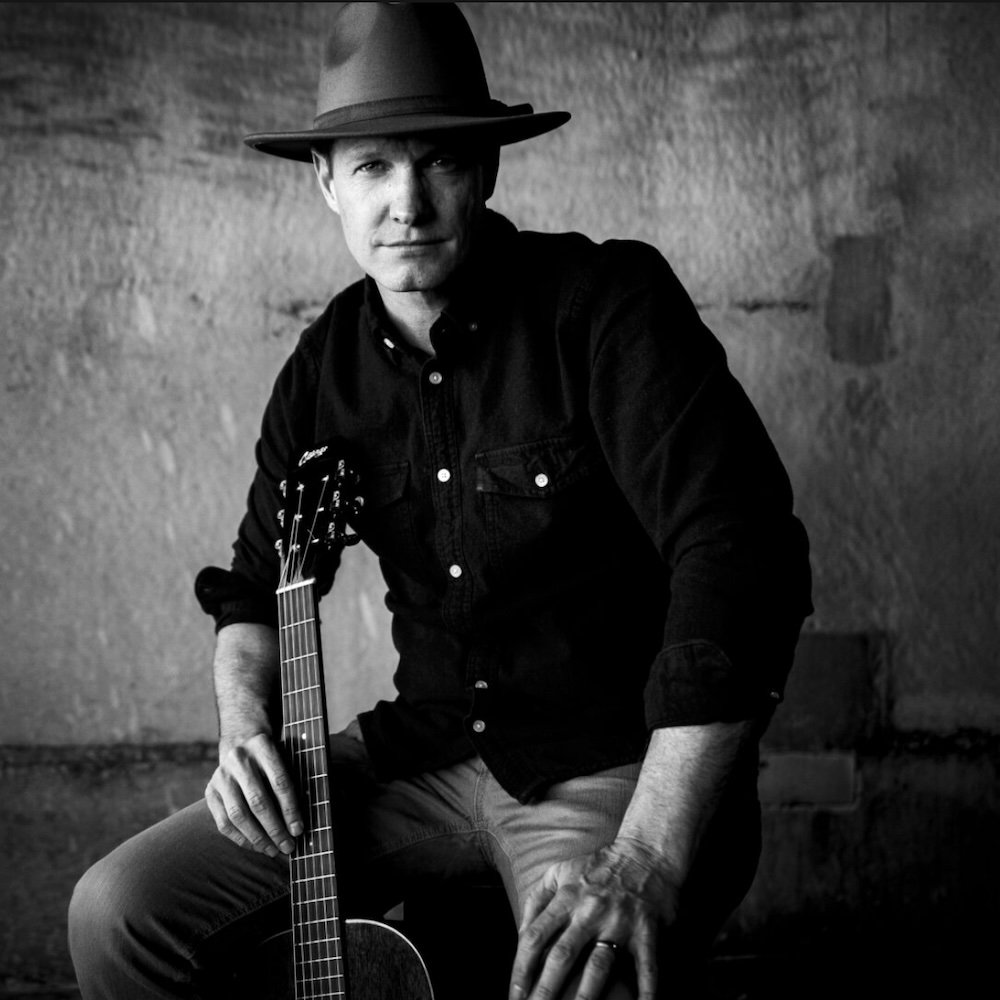
Like an old pine’s shadow stretching across dawn-soaked snow, Chris Rusin’s “Time to Love” interrogates mortality with the disarming hush of a porch-light confession. Born in rural Kansas, tempered on Minnesota lakes, and now perched beside the Colorado Rockies, the troubadour pares his arrangement to marrow: finger-warmed guitar filigrees and a voice seasoned by mountain air and chemotherapy sutures. No percussion intrudes; each hoarse syllable settles against silence the way sleet taps a frozen pane.
Rusin’s narrative is unsentimental yet luminous. Childhood reverie—the nocturnal whistle of freight cars, the moon’s ribbon across water—is revisited from a hospital’s afterglow. Dreams of a future lover mutate into a plea for latitude: minutes to embrace, to exhale, to simply remain. The chorus’s paradox (“a train out there that just keeps rolling”) opposes inexorable external motion to his temporarily stalled heart, crafting tension without melodrama.
For listeners, the effect is narcotic calm laced with adrenal sorrow. Cozy melodic riffs flicker like hearth embers; the vocalist seems to perch on the listener’s collarbone, breathing homilies straight into nerve endings. When the closing couplet repeats “Time to live, time to love,” it functions less as cliché than covenant—an ice-etched pact between fragility and resolve. That every streaming penny funnels toward cancer research deepens the track’s ethical gravity.
Objectively, “Time to Love” proves how bare acoustic songwriting can inflate hush until it becomes symphonic. Subjectively, it leaves us staring at our own night-black lakes, counting the luminous minutes still left to spend.
Enjoyed the read? Consider showing your support by leaving a tip for the writer
TRENDING NOW

CONNECT WITH US



FEATURED



Rob Aspinall builds “Keeps On” from restraint rather than release, letting its emotional weight gather slowly inside a mellow alt-soul framework. The Melbourne artist, multi-instrumentalist and producer shapes the track with soft piano keys, gentle guitar and bass phrases, ethereal pads, and relaxed R&B drums…