
Why Some Artists Peak Too Early — And Others Age Like Fine Wine

In music, success can be a strange and treacherous blessing. Some artists arrive with volcanic force, dominate a season, own the charts, become unavoidable, and then slowly fade into the cultural attic. Others move differently. They may start quietly, stumble publicly, disappear for years, or evolve through awkward transitions, yet somehow grow richer, deeper, and more fascinating with time. The question is not simply why some artists become famous. The more interesting question is why some artists survive fame.
The music industry loves the mythology of the overnight star, but longevity is rarely accidental. It is psychological, strategic, emotional, and creative. An artist who peaks too early often does not fail because they lack talent. Many of them are wildly gifted. They fail because their identity becomes frozen around the moment that made them successful. Meanwhile, artists who age like fine wine learn how to change without losing their essence. They understand that relevance is not about chasing youth forever; it is about remaining emotionally legible to the times.
The first danger of peaking early is artistic imprisonment. When an artist becomes successful with a specific sound, image, hairstyle, attitude, or lyrical formula, the market rewards repetition. Fans want the feeling they first fell in love with. Labels want predictable returns. Playlists want recognizable branding. Social media wants an easy caption. Before long, the artist becomes trapped inside their own breakthrough. What once felt fresh begins to feel taxidermied. This is where many careers quietly decay. The artist keeps trying to recreate the original magic, but the magic was partly born from innocence, hunger, risk, and timing. You cannot perfectly reproduce the conditions of your first cultural explosion. A debut hit often carries the electricity of discovery. The second, third, and fourth attempts can feel like a photocopy of a lightning bolt.
However, artists with long careers tend to understand that reinvention is not betrayal. Reinvention is maintenance. It is how the spirit avoids corrosion. The greatest artists do not necessarily abandon who they are; they widen the architecture. They introduce new textures, new collaborators, new subject matter, new production choices, and new emotional registers. They allow their audience to grow with them instead of begging the audience to remain permanently young. That is one reason some artists age beautifully. They stop performing the version of themselves that once pleased everyone and start investigating the version of themselves that is still alive. This is a difficult transition because audiences can be possessive. Fans often say they want authenticity, but many really want familiar authenticity — the same wounds, the same energy, the same costume, the same chaos, repeated with slight variations. True longevity requires the courage to disappoint people temporarily.


There is also a psychological difference between artists who seek validation and artists who seek evolution. Validation is addictive because it offers immediate proof: streams, applause, comments, sold-out shows, chart positions, viral clips. Evolution is slower and more uncomfortable. It often involves uncertainty, silence, failure, and criticism. Artists who depend entirely on validation may struggle when the public gaze shifts elsewhere. Artists committed to evolution can survive periods of invisibility because their identity is not completely dependent on attention. This is why fame can be creatively dangerous. Early fame can interrupt the natural process of artistic development. Instead of experimenting privately, the artist must mature in public. Every mistake becomes content. Every era becomes a verdict. Every stylistic detour is treated like either genius or catastrophe. Young artists, especially, can become so consumed by maintaining momentum that they never get the quiet required to become better.
The artists who last usually develop an internal compass. They listen to the world, but they do not let the world become their only instrument. They can absorb trends without becoming servants to them. They know when to collaborate with the present moment and when to resist it. This balance is rare. Move too far away from the times and you risk irrelevance. Chase the times too desperately and you become embarrassing. Longevity lives in the elegant middle: contemporary enough to breathe, distinct enough to matter.
Another major factor is emotional range. Some artists peak early because their entire brand is built around one feeling: heartbreak, rebellion, sensuality, arrogance, melancholy, innocence, rage, or youthful excess. That feeling may be powerful, but if it never expands, it becomes a cage. Human beings change. The audience changes. A 19-year-old artist can build a career on confusion and desire, but at 40, the same posture may feel strangely artificial unless it has evolved into wisdom, irony, reflection, or complexity. Artists who age like fine wine learn to metabolize time. They do not pretend age is not happening. They use it. Their writing becomes more observant. Their performances become more controlled. Their silence becomes more meaningful. They understand that maturity does not have to mean dullness. In fact, maturity can make an artist more dangerous because the chaos becomes refined. The fire remains, but now it knows where to burn.
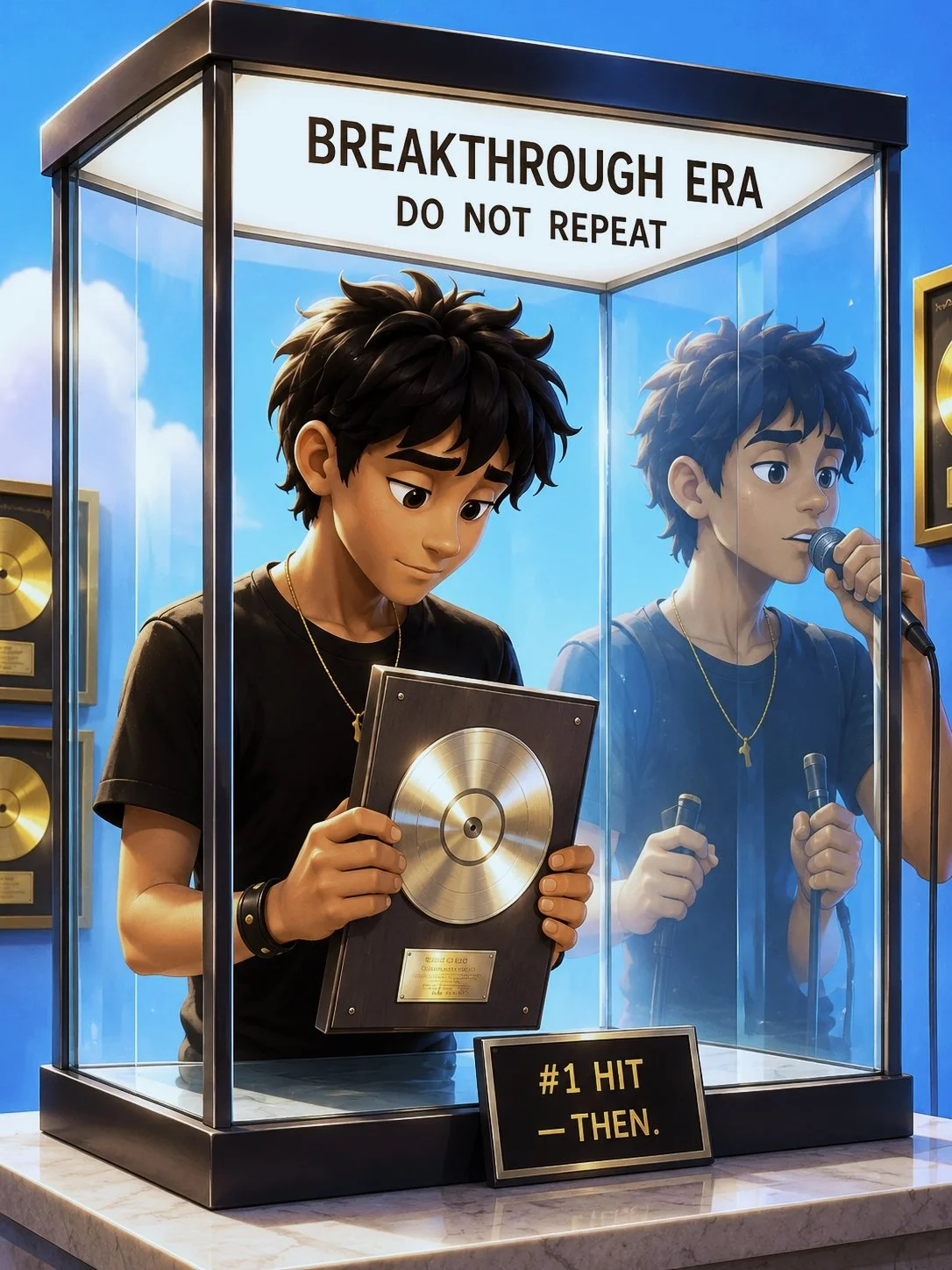
The music itself also has to deepen. Longevity is often built on craft, not just charisma. Charisma can launch a career, but craft sustains it. A memorable face, viral personality, or seductive aesthetic may open the door, but songwriting, vocal control, production instincts, live performance, world-building, and taste determine whether people keep returning. The artist who cannot improve eventually becomes a souvenir. This is why some technically modest artists outlast more obviously gifted ones. Talent matters, but taste may matter more. Taste tells an artist what to remove, what to protect, when to simplify, when to risk ugliness, when to avoid the obvious chorus, when to let silence do the emotional labour. Many early-peaking artists have talent but poor taste management. They either overindulge every impulse or outsource too much of their identity until nothing intimate remains.
The industry itself can also accelerate premature peaks. When a new artist starts gaining attention, the machinery often demands more: more singles, more content, more interviews, more collaborations, more visibility, more personal exposure. The artist becomes a product before they become a person with a sustainable creative system. This creates burnout, but it also creates artistic thinness. When every private emotion is converted into marketable material, the inner life can become depleted. By contrast, long-lasting artists often understand the importance of mystique. They do not give everything away. They let the music carry some of the burden. They create distance, not out of arrogance, but out of preservation. In an era of constant accessibility, restraint has become a luxury. The artist who knows when to disappear can return with more force than the artist who never leaves the feed.
Reinvention, however, must be organic. Audiences can smell desperation. When an artist abruptly adopts a trend without emotional conviction, it feels like a costume change in a burning room. Real reinvention usually emerges from lived experience. It feels inevitable in hindsight, even if it was surprising in the moment. The best reinventions do not scream, “Please accept my new era.” They whisper, “This is who I had to become.” There is also a distinction between relevance and popularity. Popularity is numerical. Relevance is cultural. An artist can have a massive hit and still feel strangely irrelevant if the work does not alter conversation, emotion, style, or imagination. Another artist can sell less and remain deeply relevant because they influence how others think, dress, write, produce, or feel. Artists who age like fine wine often understand this distinction. They are not always chasing the biggest number; they are protecting the deepest resonance.

Longevity also requires humility. Not the performative humility of award-show speeches, but the practical humility of staying teachable. The artist must be willing to learn from younger musicians without imitating them clumsily. They must accept that their old instincts may not always work. They must allow collaborators to challenge them. They must be able to admit when the world has shifted. Ego can preserve confidence, but unchecked ego embalms creativity.
At the same time, lasting artists need stubbornness. Too much humility can make an artist shapeless. The public does not need another person who simply absorbs whatever is fashionable. The artist must retain a stubborn nucleus, a private signature that survives every era. The production may change. The visuals may change. The audience may change. But somewhere inside the work, there must be an unmistakable pulse.
This is perhaps the secret of artists who age like fine wine: they evolve around a centre. They do not mutate randomly. Their growth has continuity. Even when they shift genres or aesthetics, there is still a recognizable emotional philosophy. The listener may not hear the same drums, synths, guitars, or vocal effects, but they can feel the same soul looking through a different window.
Meanwhile, artists who peak too early often confuse branding with identity. Branding is external: colours, logos, poses, taglines, public narratives. Identity is deeper: values, obsessions, wounds, humour, fears, spiritual temperature, artistic appetite. Branding can make people notice you. Identity makes them care over time. When the brand ages but the identity was never fully developed, the career begins to feel hollow.
Another overlooked factor is adaptability to failure. Every long career contains flops, miscalculations, awkward albums, weak singles, bad press, and misunderstood experiments. The difference is how the artist responds. Some panic and retreat into imitation. Some blame the audience. Some overcorrect so violently that they lose their voice. Others study the failure without letting it define them. They use embarrassment as compost. That ability to survive embarrassment may be one of the most underrated ingredients of longevity. Reinvention often looks foolish before it looks visionary. The artist has to withstand the strange middle period where old fans are confused, new fans are unconvinced, and critics are sharpening their little knives. If the artist cannot tolerate that discomfort, they will keep returning to safer versions of themselves until the culture moves on.
The psychology of sustaining relevance is therefore not glamorous. It requires patience, self-knowledge, resilience, curiosity, and selective delusion. An artist must believe deeply in their own vision while remaining aware enough to refine it. They must care about the audience without becoming obedient to it. They must protect their humanity in an industry that rewards constant extraction. They must know when to be prolific and when to be silent.
In the end, some artists peak too early because success teaches them the wrong lesson. It convinces them that the moment that made them famous is the only moment worth repeating. Others age like fine wine because they understand that a career is not a monument; it is a living organism. It must shed skin, repair tissue, absorb weather, and sometimes grow in strange directions.
The artists who last are not always the loudest, trendiest, or most immediately adored. They are the ones who keep becoming. They treat time not as an enemy, but as an instrument. And when that happens, ageing does not diminish the art. It seasons it.
Enjoyed the read? Consider showing your support by leaving a tip for the writer
Featured





Follow Us








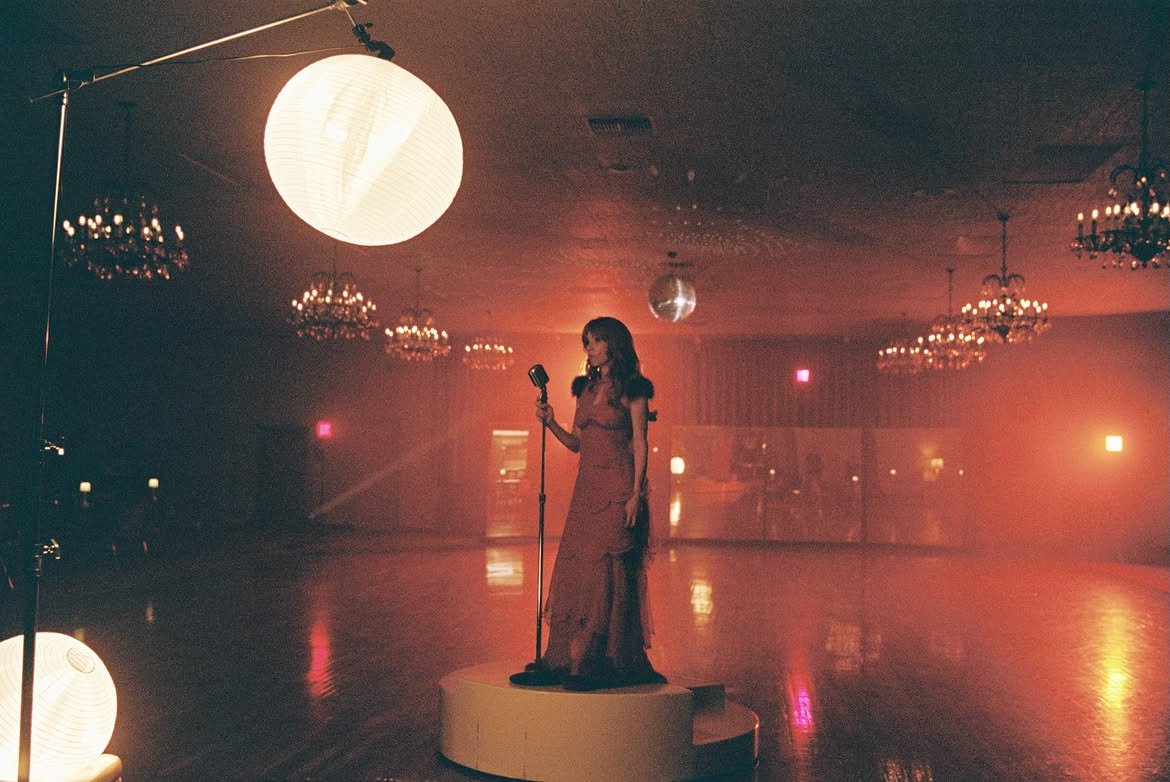
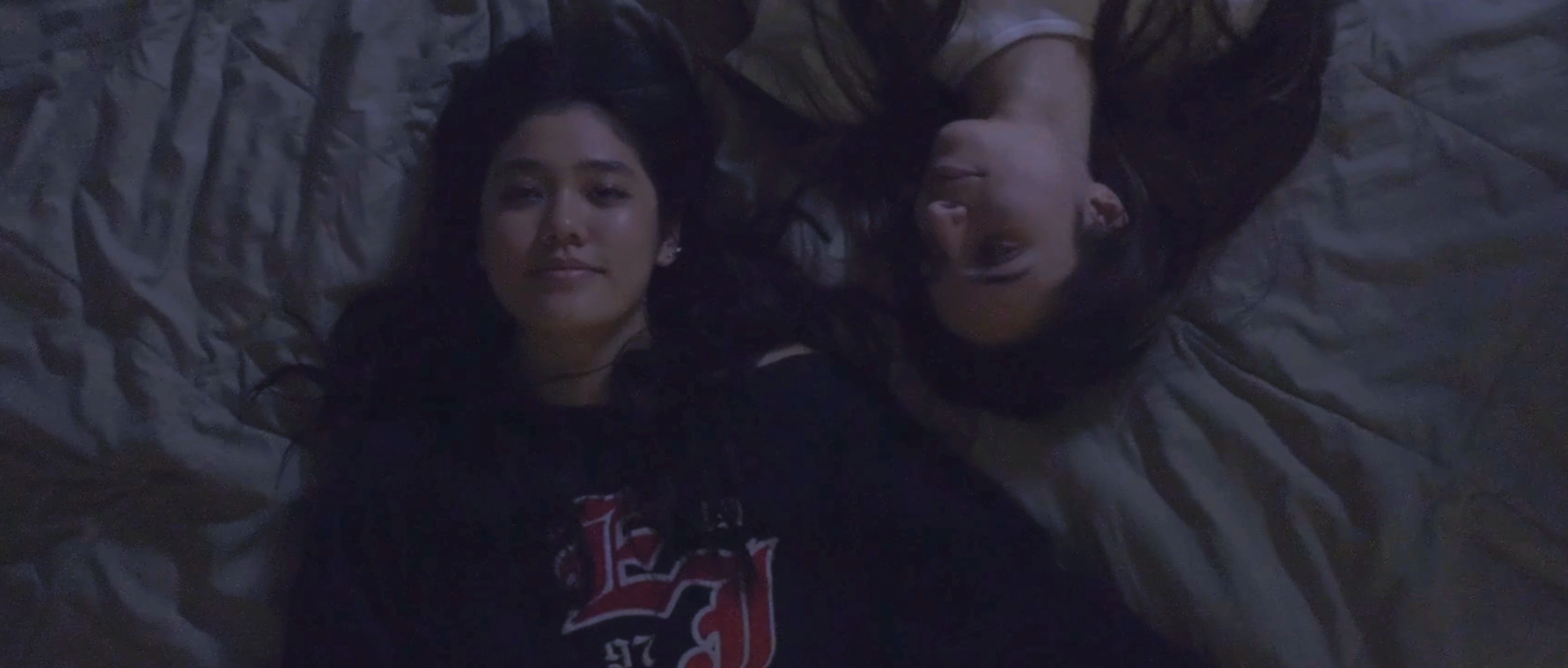





Laeky’s “caller waiting” is built from emotional exposure, but its production refuses to collapse into fragility. The Australian artist threads syncopated acoustic guitar riffs through understated indie-pop drums, subtle bass, and soft synth textures, creating a frame that feels both restless and suspended. Her sultry, yearning vocal…