
Could Drake and BTS Ever Collaborate? The Iceman Lyric Fueling Fan Theories
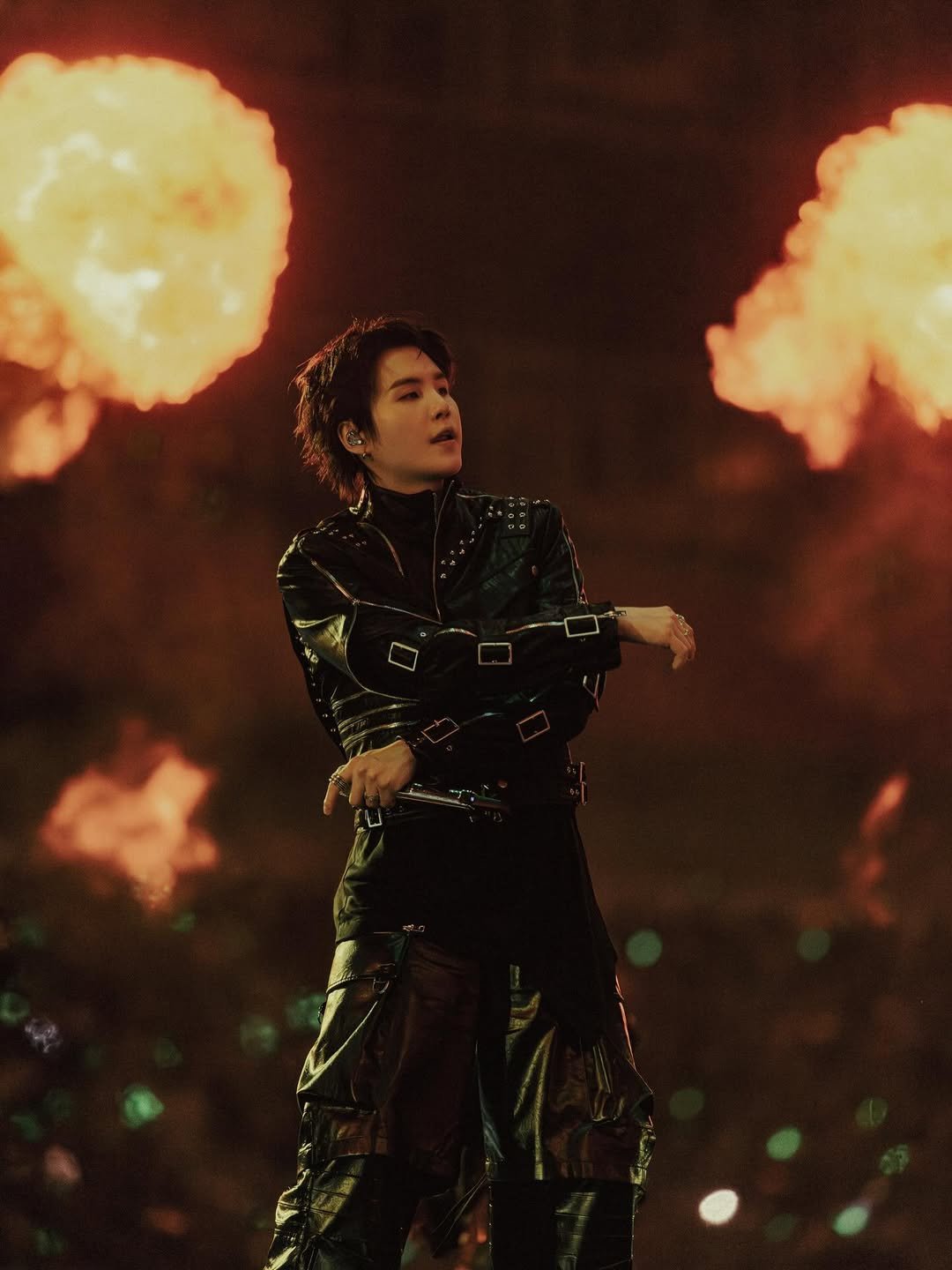
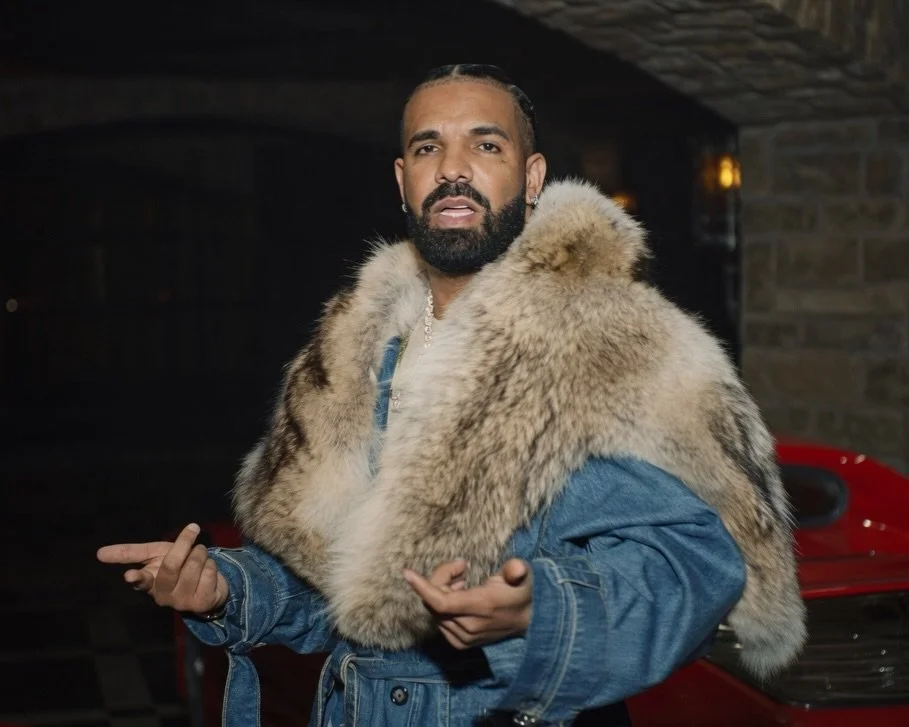
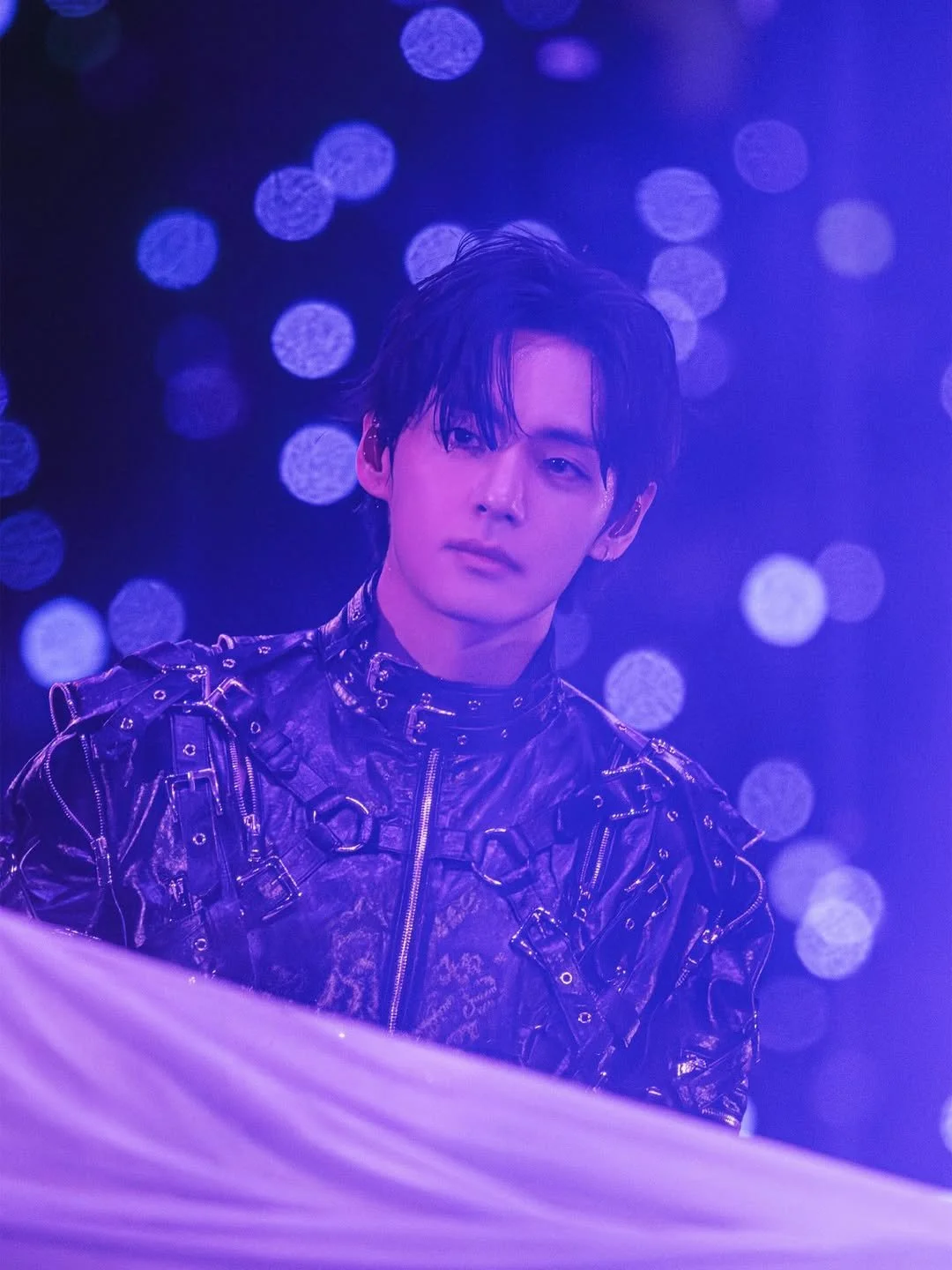
Drake has never needed much to turn the internet into a forensic laboratory. A single bar, a casual name-drop, or a half-mysterious reference can suddenly become the foundation of hundreds of theories, TikTok edits, quote tweets, fan debates, and speculative think pieces. That is exactly what happened after listeners noticed a BTS reference on Drake’s Iceman track “Make Them Cry,” a moment that immediately sent fans into collaboration mode. According to recent reports, the lyric appears on the album opener and has generated split reactions online, with some fans treating it as a harmless compliment and others wondering whether it could be a soft-launch toward something bigger.
The question now is simple but fascinating: could Drake and BTS ever collaborate?
On paper, the idea sounds improbable, almost like a glitch in the pop-cultural matrix. Drake represents the moody, hyper-confessional architecture of contemporary rap and R&B, while BTS operate as one of the most powerful global pop machines of the last decade. Yet in today’s music economy, that contrast may be exactly why the pairing makes sense. Pop is no longer governed by clean genre borders. Hip-hop, K-pop, Afrobeats, Latin pop, R&B, UK rap, and electronic music now move through the same streaming bloodstream, where unexpected collaborations are often rewarded with massive conversation.
Drake mentioning BTS on Iceman matters because he is not simply naming another famous act. He is referencing a group whose career has become symbolic of global recognition, fan loyalty, and delayed Western validation. BTS spent years building an international empire before many traditional American institutions fully understood their scale. Drake, despite being one of the most commercially dominant artists of his generation, has also been navigating a strange late-career phase where his legacy is being reinterpreted, challenged, and dissected in real time. That is why the BTS reference feels sharper than a throwaway line. It connects two different versions of fame: the outsider who became unavoidable, and the superstar who still feels misunderstood.
A Drake and BTS collaboration would not be impossible from a musical standpoint. Drake has always been comfortable absorbing global sounds, whether through dancehall, Afrobeats, UK rap, house, or melodic R&B. BTS, meanwhile, have long experimented with hip-hop, pop-rap, EDM, soul, disco, and alternative pop. Their catalogue already contains enough rhythmic elasticity to meet Drake halfway without sounding forced. The real challenge would not be genre. It would be chemistry.
For the collaboration to work, it could not feel like a corporate export product assembled by executives in expensive rooms. It would need emotional specificity. Drake is strongest when he sounds wounded, reflective, paranoid, seductive, or quietly triumphant. BTS are most effective when their polished pop framework still carries sincerity, struggle, friendship, ambition, or self-questioning. A generic “global anthem” would probably disappoint both fanbases. But a nocturnal R&B-pop track with Korean and English verses, atmospheric production, and a melancholic hook? That could actually be volcanic.
The most natural configuration might not even involve all seven BTS members. A Drake collaboration with RM, Jung Kook, V, or j-hope could feel more musically plausible depending on the direction. RM could meet Drake in a reflective rap space. Jung Kook could bring sleek pop melodicism. V’s smoky vocal tone could fit beautifully inside Drake’s late-night aesthetic. j-hope could offer rhythmic brightness and movement. Interestingly, Billboard and Rolling Stone reported that BTS members j-hope and V reacted to Drake’s BTS shoutout, adding more fuel to the online discussion.
Still, fan excitement should not be confused with confirmation. A lyric is not a contract. A name-drop is not a studio session. Pop culture has trained listeners to treat every reference as a breadcrumb, but artists often mention each other simply because the name fits the emotional or symbolic meaning of the song. In this case, BTS may function less as a collaboration clue and more as a metaphor for being globally visible yet still “discovered” differently by different audiences.
That said, the fantasy is not baseless. Drake and BTS occupy the same rare category of artist: they do not just release music, they create weather systems. A collaboration between them would instantly dominate search engines, social media timelines, streaming debates, and fan communities. It would also be a major cultural event because it would merge two of the most intense fandom ecosystems in modern music. For Drake, it could reinforce his global fluency at a moment when public narratives around him remain complicated. For BTS, it could mark another high-profile bridge between K-pop and North American rap/R&B.
The smartest version of this collaboration would avoid spectacle and aim for mood. Imagine a minimalist beat, deep bass, soft keys, crisp percussion, Drake delivering restrained verses about fame and distrust, while BTS members answer with melodic passages about distance, identity, and being seen too late. Not maximalist. Not plastic. Not an obvious radio grab. Something elegant, nocturnal, and emotionally bruised.
So, could Drake and BTS ever collaborate? Yes, absolutely. Will it happen because of one Iceman lyric? That remains pure fan speculation for now. But the fact that one line was enough to ignite this level of conversation says everything about the current music landscape. In 2026, a collaboration does not begin in the studio. It begins as a theory, then becomes a meme, then becomes a demand. And sometimes, when the noise gets loud enough, the industry listens.
Enjoyed the read? Consider showing your support by leaving a tip for the writer
Featured

Follow Us







Laeky’s “caller waiting” is built from emotional exposure, but its production refuses to collapse into fragility. The Australian artist threads syncopated acoustic guitar riffs through understated indie-pop drums, subtle bass, and soft synth textures, creating a frame that feels both restless and suspended. Her sultry, yearning vocal…