
As Arkha Corvus Enters the Frame, Gachiakuta Solidifies Its Place as a Canon for Black Anime Audiences
Gachiakuta doesn’t ask for a seat at the table— it rearranges the furniture. In a season crowded with heavy hitters, this grimy, kinetic series has become the show the Black anime community won’t shut up about, and for good reason: it finally treats Black characters not as exotic garnish but as magnetic drivers of the plot—cool, layered, and canon. The result is a rare alignment of representation, swagger, and genuinely good storytelling.

The temperature shifted in episode 4 with the formal introduction of Semiu—a poised Black woman working the Cleaners’ front desk with the air of a field general. Beyond her vital instrument (those eerie, insight-granting glasses), the episode’s staging makes her queerness legible; she’s glimpsed leafing through a magazine of half-clothed women, a wink that fans and press immediately clocked, with outlets calling her a canon lesbian. In English, she’s voiced by Kenneisha Thompson—another small but meaningful correction to the long history of mismatched casting. Representation here isn’t a press-release footnote; it’s onscreen, embodied, and stylish.
If the Cleaners are the show’s moral spine, their enemies—the Raiders—are the barbed wire wrapped around it. The Raiders aren’t just randos in masks; they’re an antagonistic guild diametrically opposed to the Cleaners’ mission, built from “Givers” who weaponize their keepsakes for havoc rather than protection. That structural rivalry gives Gachiakuta its ideological snap and explains why every hallway conversation can ignite into a war of worldviews.
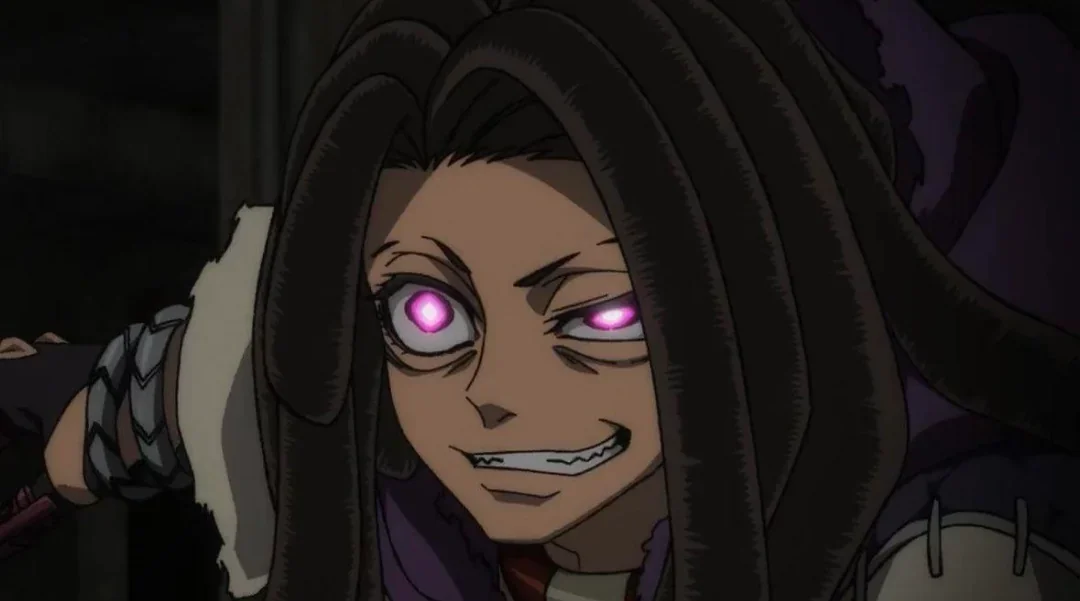
Enter episode 6 and Jabber Wonger, the deranged showman whose combat reads like choreography from a fever dream—drool, dreadlocks, and a grin that says “pain is a playground.” The episode uses Jabber as both mirror and provocation: his sadism sharpens Rudo’s growth, turning a raw talent into a purpose-shaped blade. Coverage and recaps underline how the fight escalates from taunts to surgical brutality—proof the show can do spectacle without losing its thematic thread. And yes, Jabber does try to make off with our boy; the escape only fails because another Raider yanks him back. It’s messy, vicious, and unforgettable.
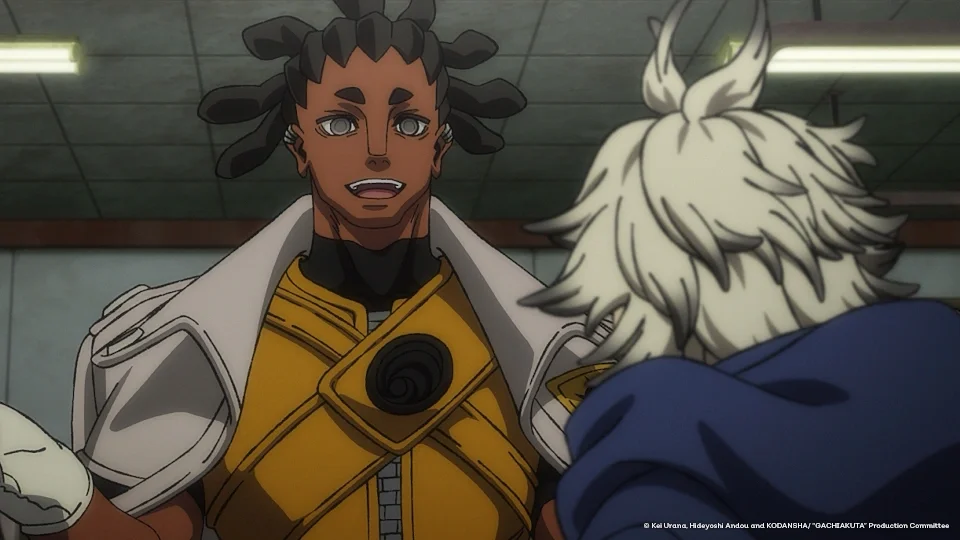
Then episode 8 drops the ace: Arkha Corvus, boss of the Cleaners. He steps in with quiet authority, dreads crowned like a laurel of earned respect, and speaks to Rudo with the composure of a man who’s seen the world’s worst and chosen to build anyway. In a single appearance, Arkha reframes the show’s power map: leadership that looks like us, moves like us, and refuses the tired tropes of caricature or comic relief. The dub seals it—Arkha is performed by Gabe Kunda, whose baritone brings gravitas without theatrical bloat. The community’s fixation isn’t just hype; it’s hunger being met. We finally get to wonder not if he’s strong, but how that strength manifests when it’s time to throw down.

What makes all this land is the way Gachiakuta entwines aesthetics with identity. Semiu’s cool competence, Jabber’s unnerving hedonism, Arkha’s measured command—these aren’t “diversity skins” plastered over stock roles. They feel authored. They carry texture. And they’re voiced, in the dub, by Black actors whose performances color inside and outside the lines. That matters to an audience that’s spent decades loving anime while waiting to see itself rendered with the same care given to everyone else. As one fan put it on Facebook, “Took some decades but now we have a lot of anime that depict us in a cool and creative way.” The broader media conversation backs it up: Black viewers are a significant slice of the anime fandom, and studios are finally programming with us in mind.
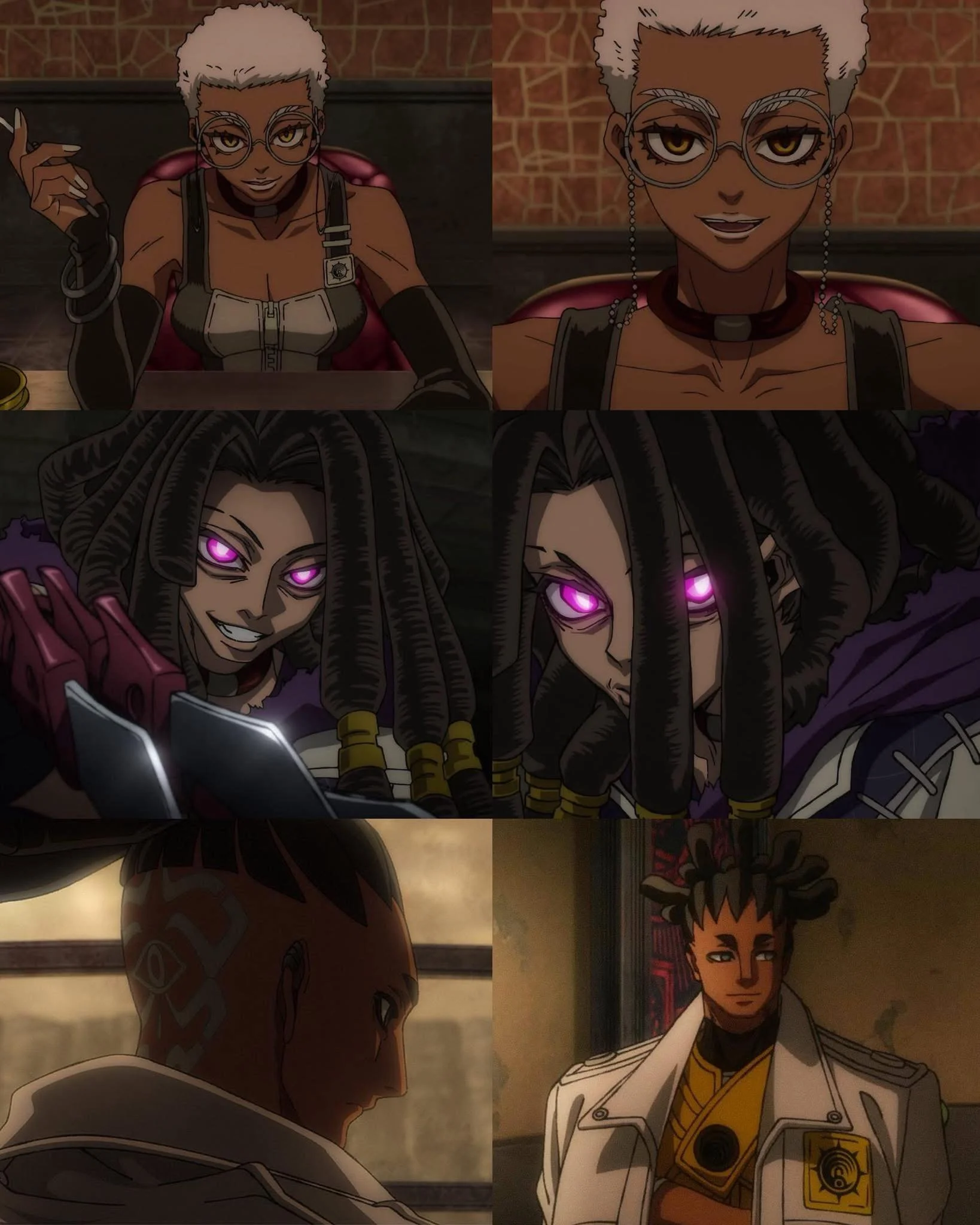
Zoom out and you see why timelines are buzzing. Gachiakuta multiplies the points of identification—queer Black womanhood that isn’t tokenized; a villain whose design and menace spark debate; a Black leader who commands the room without having to audition for it. The show doesn’t beg for legitimacy; it asserts it, then invites you to keep up. And with Arkha’s true abilities still under wraps, anticipation is doing what anticipation does: compounding.
Indeed, the show’s momentum inside Black anime circles stems from this reciprocity. It offers characters whose identities are neither apology nor provocation, whose magnetism comes from competence, wit, and consequence. Semiu enlarges the everyday. Jabber corrupts it with operatic pleasure. Corvus reorganizes it by simply entering the frame. The result is a world where Blackness is not a subplot but a structuring presence.
If Gachiakuta continues on this vector—eschewing tokenism, dignifying complexity, and letting power reveal itself rather than announcing it—we’re not just watching another seasonal winner. We’re watching a canon crystallize. And when Corvus finally unveils his full arsenal, the question won’t be whether the internet breaks; it will be what new vocabulary we invent to name the force of being seen this well.
Featured





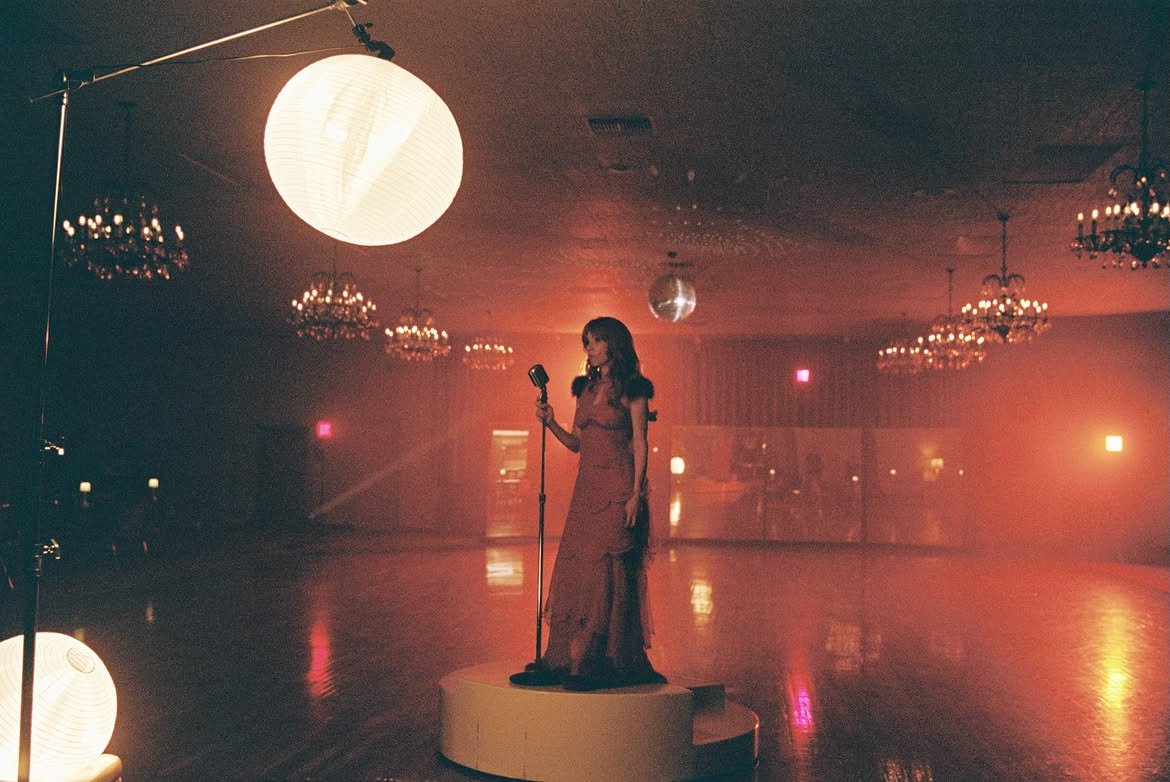
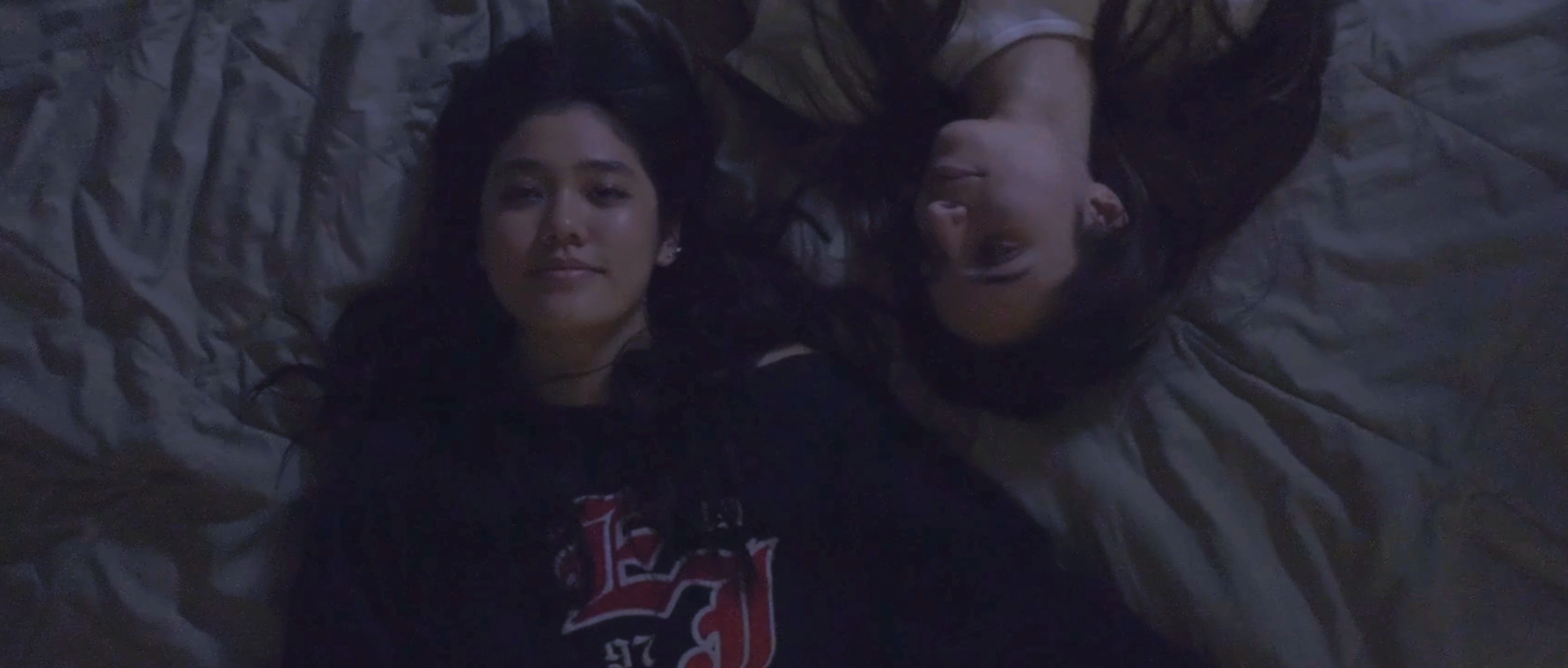



Desiree Choy’s “Never Want It to End” glows with the soft architecture of a perfect evening held just before it disappears. The American, LA-based singer, songwriter, and actress shapes the single through Alternative / Indie R&B and Alt Pop, bringing a chill coastal feeling to a song about wanting…