
5 Costly Mistakes That Stop Music Artists From Reaching Their Goals


A lot of artists believe great music should naturally open doors. In reality, that is rarely how the industry works. Talent helps, of course, but talent without structure often leads nowhere. Many promising artists stay stuck not because they lack ability, but because they approach their career too casually, too emotionally, or too blindly. Music is art, yes, but once you want real growth, it also becomes presentation, business, timing, relationships, and endurance. Here are five mistakes that quietly block many artists from moving forward.
1. Releasing Music Without a Real Plan
One of the biggest mistakes artists make is dropping music with no rollout strategy behind it. They spend weeks or months creating a song, then upload it and expect the record to magically travel. No teaser campaign, no content calendar, no release timeline, no pre-save push, no outreach to blogs or playlist curators, and no post-release support. That is not a release plan. That is wishful thinking.
A song deserves a proper setup before it arrives. Artists need to think beyond the upload date. What happens two weeks before release? What content will build anticipation? Who is being contacted? What story is attached to the record? What happens after launch day? Without a plan, even a strong song can disappear into the void. The industry rewards preparation more often than spontaneity.
2. Neglecting Branding and Visual Presentation
Another major mistake is having no real branding. Too many artists want coverage from blogs, curators, and media platforms while presenting themselves with weak imagery, poor cover art, random photos, or no clear artistic identity at all. That immediately makes the project feel less serious.
Presentation matters. Bloggers and curators are not just listening to music; they are also thinking about how that artist will look on their platform. A strong press photo, a polished cover, and a recognizable visual identity make it easier for them to feature you. Nobody wants amateur-looking assets attached to their brand, especially if they are trying to maintain a certain standard or aesthetic.
This also applies to press releases. When submitting music, artists should not just send a link and hope for the best. A proper press release helps frame the story, mood, inspiration, and relevance of the release. It gives writers and curators something to work with. Without proper branding, imagery, and professional assets, artists make it harder for people to take them seriously, even when the music itself has potential.
3. Ignoring the Business Side of Music
Many artists fail because they focus only on the art and completely overlook the business. Yes, great music matters. But so do marketing, budgeting, metadata, contracts, release timing, and audience development. The artists who grow tend to understand that music is not just expression. It is also infrastructure.
A common delusion is expecting cheap or free promotion from everyone around you. That mindset holds artists back. In this business, nobody owes you their time. Even if your sound is incredible, many marketers, bloggers, playlist curators, and PR people still may not care if you are asking them to work for free or to invest energy into your release without a reason. Their time is valuable, and your music is one of thousands competing for attention.
Artists also need to stop acting shocked when friends do not post every release or campaign. Your friends are not your marketing team. They have their own lives, priorities, and sometimes even competing ambitions. That does not always mean bad blood; it simply means you cannot build your career on personal expectations. Stop waiting for unpaid loyalty to do the work of a real strategy. At some point, if you believe in your craft, you need to invest in proper promotion and hire people who know how to move a project forward.
4. Refusing to Network and Build Real Relationships

Too many artists isolate themselves, either because of pride, fear, awkwardness, or the belief that the music alone should speak. But careers are not built in a vacuum. Refusing to network is one of the fastest ways to limit your growth. Networking does not mean begging or acting fake. It means building genuine relationships with producers, engineers, DJs, tastemakers, bloggers, curators, event organizers, and other artists. Those connections can lead to collaborations, placements, introductions, performances, and opportunities that would never appear otherwise. A lot of progress in music happens through trust and familiarity. People work with artists they remember, respect, and believe in.
An artist who never reaches out, never supports others, and never stays connected often ends up invisible. Relationships matter in every industry, and music is no exception. Sometimes one good connection can save years of trial and error.
5. Giving Up Too Quickly After a Failure
This last mistake ruins more careers than bad music ever could: quitting too early. Sometimes an artist does everything right. They build a plan, create good visuals, invest in marketing, network properly, and still the song flops. Meanwhile, everyone around them swore it was a hit. That happens more often than people think. A failed release does not always mean the song was bad. Sometimes the timing was wrong. Sometimes the campaign missed the mark. Sometimes the audience was not ready. Sometimes the strategy simply failed. But one flop should not convince you that the whole dream is dead.
Artists need to remember they are not just pushing one song. They are building a long-term business, and that business could eventually become something massive. Real careers are not made by one release alone. They are built through adaptation, resilience, and repetition. If a strategy fails, learn from it, refine it, and try again. Giving up after one disappointment is often the most expensive mistake of all.
Final Thoughts
A lot of artists stay stuck because they treat music like a hope rather than a structure. No release plan, no branding, no business mindset, no networking, and no resilience after setbacks — that combination kills momentum fast. The truth is, reaching your goals in music takes much more than talent. It takes discipline, self-investment, professionalism, and the ability to keep moving when results do not come instantly.
The artists who last are usually not just the most gifted. They are the ones who learn how to think bigger than the song.
Featured




















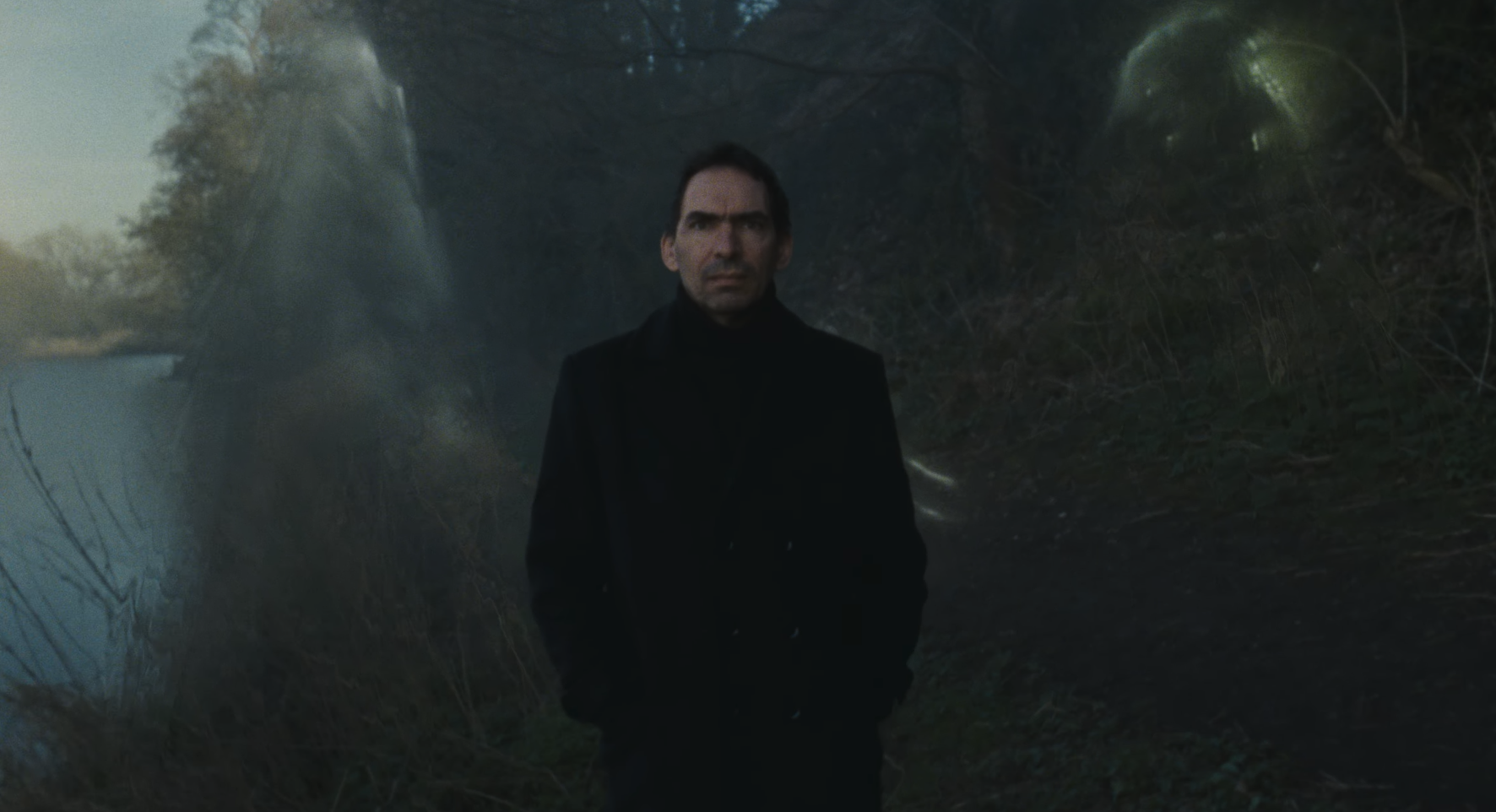





A warm evening rarely announces its memorable moment; it settles in slowly, softening the edges until everything feels suspended. That is the atmosphere The Dada Project creates on “Whispers,” the new single from Diane Arkenstone and David Arkenstone, premiering on our website ahead of its official September 25th release…