
Put Labit on your radar now: “SOL” is the lived-in, cinematic debut that makes the case.

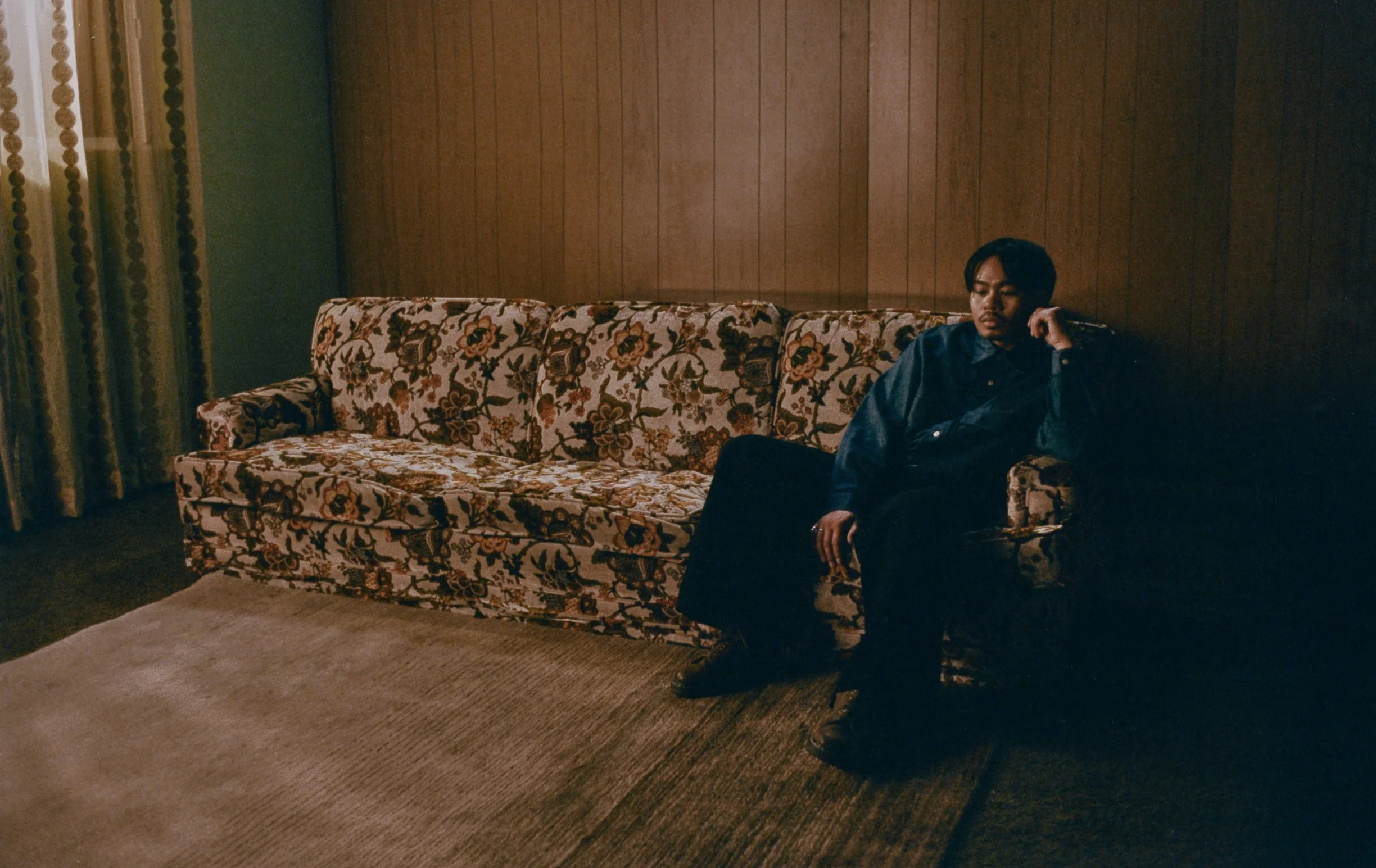

Picture a kitchen window at 6 a.m.—steam on the glass, a Buick idling in the driveway, and somebody’s grandmother humming a melody that never learned how to fade. That’s the light Labit bottles on “SOL,” a widescreen, 18-song mosaic named after his grandmother Solita—a record that transmutes kitchen-table wisdom, late-night truth-talks, and second chances into something warm enough to live in. Indeed, the Filipino-American singer-songwriter doesn’t just posture; he converses. The result feels both lived-in and cinematic, a diary written with a filmmaker’s eye and an R&B singer’s patience. Moreover, “SOL” announces an artist who can thread folk-pop intimacy, R&B silk, and pop-rock adrenaline without tearing the fabric. Consider this your notice: Labit is an artist to watch closely, firmly on our Radar.
The album’s architecture moves like a day—the hush of dawn, the nervous comedy of noon, the clarity of evening. In fact, recurring motifs—cars, kitchens, seasons—land like scene markers, while the production leans on honeyed vocals, tactile guitars, and analog textures that glow rather than glare. However, the consistency of tone never calcifies into sameness; Labit changes velocity often, allowing a folk sketch to grow into a pop widescreen, or an R&B confession to resolve with singer-songwriter candor. In addition, his writing is conversational in the best way—specific enough to taste, generous enough to share.
Our favorite moment, unsurprisingly, is the title song, “SOL.” It opens like a prayer whispered into piano keys—tender, soul-washed chords that invite you to breathe slower. Labit’s voice sits upfront, unforced, amber-toned, carrying a vow of singular devotion: “I am only me…only me for you.” Then the hook lifts—the cello rises like a column of light, synths catch the breeze, and the whole room exhales. Indeed, it’s the kind of arrangement that refuses cheap theatrics; everything is earned. You don’t just hear a chorus; you feel a ceiling learn to breathe. The vibe is devotional without sermon, sensual without smoke—music as careful architecture, built for consolation and clarity.
“PRETTY” slides in from another angle: gentle acoustic riffs orbit a laid-back indie-pop drum groove with a hint of hip-hop swagger. The lyric—love as practiced craft rather than glossy montage—humanizes the romance, laughing at the mess while fighting for the marrow. Moreover, Labit sings the word “pretty” like a dare, as if to say the point of love isn’t prettiness but durability. The track’s secret is balance: guitar and drums keep orbit, while his vocal glides with suave restraint. However, when the bridge widens, the cadence tilts toward daylight—proof that resilience can sound like a hook.

If “SOL” and “PRETTY” are the North Star and the compass, the album’s most popular cuts plot the constellations around them:
“CLEANING OUT THE FRIDGE” (with Emily Rowed) is radical honesty disguised as a folk duet: two voices, a feather-light bass, and acoustic guitar that sounds mic’d close enough to catch the grain. It plays like couples therapy conducted in 3 minutes—doors opened, shelves emptied, air cleared on the clothesline. Indeed, the tenderness is the point; the arrangement declines to overwork the wound. You leave not with a moral but with two people choosing rebuild over rupture.
“MANGOES AND RICE” turns nostalgia into a living room—sweet folk-laced guitar, soft pads in the hook, and a tender drum on the second verse that nudges the memory forward. It’s an intimate love letter to growing up Filipino-American, rendered as conversation with a sibling, a community, a younger self. In fact, the song’s miracle is scale: the details feel local (sun on skin, family counsel), yet the ache reads universal. Moreover, Labit’s slightly raspy edge gives the melody grain, the way film stock gives a scene more truth than glassy 4K ever could.
“FEBRUARY” shifts the palette toward soul and R&B while keeping the folk bones visible. Guitar riffs and ethereal pads form an aura around a confession that sounds like it slipped out at 2 a.m. and refused to be taken back. The groove is patient, mid-tempo, chest-open. However, patience doesn’t mean passivity; when the hook lands—“the kind that you get one time all your life”—it lands with the quiet audacity of commitment. You can hear why this one travels; it’s romantic without cosplay, intimate without oversharing.
“LEADS (ME TO YOU)” is the album’s pop-R&B charmer—catchy, clean-lined, and memorably phrased, a cousin to that sleek Bieber-adjacent lane without feeling borrowed. On streaming platforms, it sits just behind “February,” which makes sense: verses move with conversational snap, while the chorus funnels the record’s thesis into one idea—every detour, every bruised goodbye, every sunrise, leads me to you. Moreover, the production is modern without trend-chasing: tight drums, bright topline, and a mix that leaves oxygen around the vocal.
The album’s tempo play keeps you on your toes. “PARALLEL” is pure pop propulsion—rhythmic strums, upbeat drums, piano sparks—its video reframing a “song-in-the-back-seat” moment in a family Buick LeSabre, a sly nod to Grandma Sol. In addition, “ALL MY PLANTS ARE DYING” revs toward pop-rock, a kinetic sprint with folk DNA still peeking through the sleeves. Anxiety hums in the lyric, but the arrangement converts panic into motion; sometimes agency is just a drum pattern that refuses to stall. And for the late-night faithful, “BETTER” pours R&B warmth over careful percussion—a quiet argument for choosing the right person during a chaotic season.
What ultimately distinguishes SOL is not just versatility but coherence. Labit can glide from folk-pop miniature to R&B mid-tempo to pop-rock sprint, yet his fingerprint never smudges: conversational writing, familial imagery, a voice that prefers candor to performative ache. Indeed, the record sounds like a home you keep discovering new rooms in—18 of them, to be exact—each one softly lit, thoughtfully arranged, and open to visitors who take their time. However, don’t mistake gentleness for smallness; there’s scale here, and ambition, and a storyteller learning how to turn private weather into communal shelter.
By the final fade, you’re not impressed so much as invited. You’ve met a grandmother by name, heard a kitchen sing, watched February turn permanent. Moreover, you’ve witnessed a young artist finding a syncretic language—folk for the memory, R&B for the body, pop for the streetlight. We’ll say it plainly because the music already has: Labit is an artist to watch closely, and SOL is the reason he stays on our Radar. In fact, it’s the kind of album that doesn’t end; it lingers—like sunlight on a counter, waiting for you to come back for seconds.








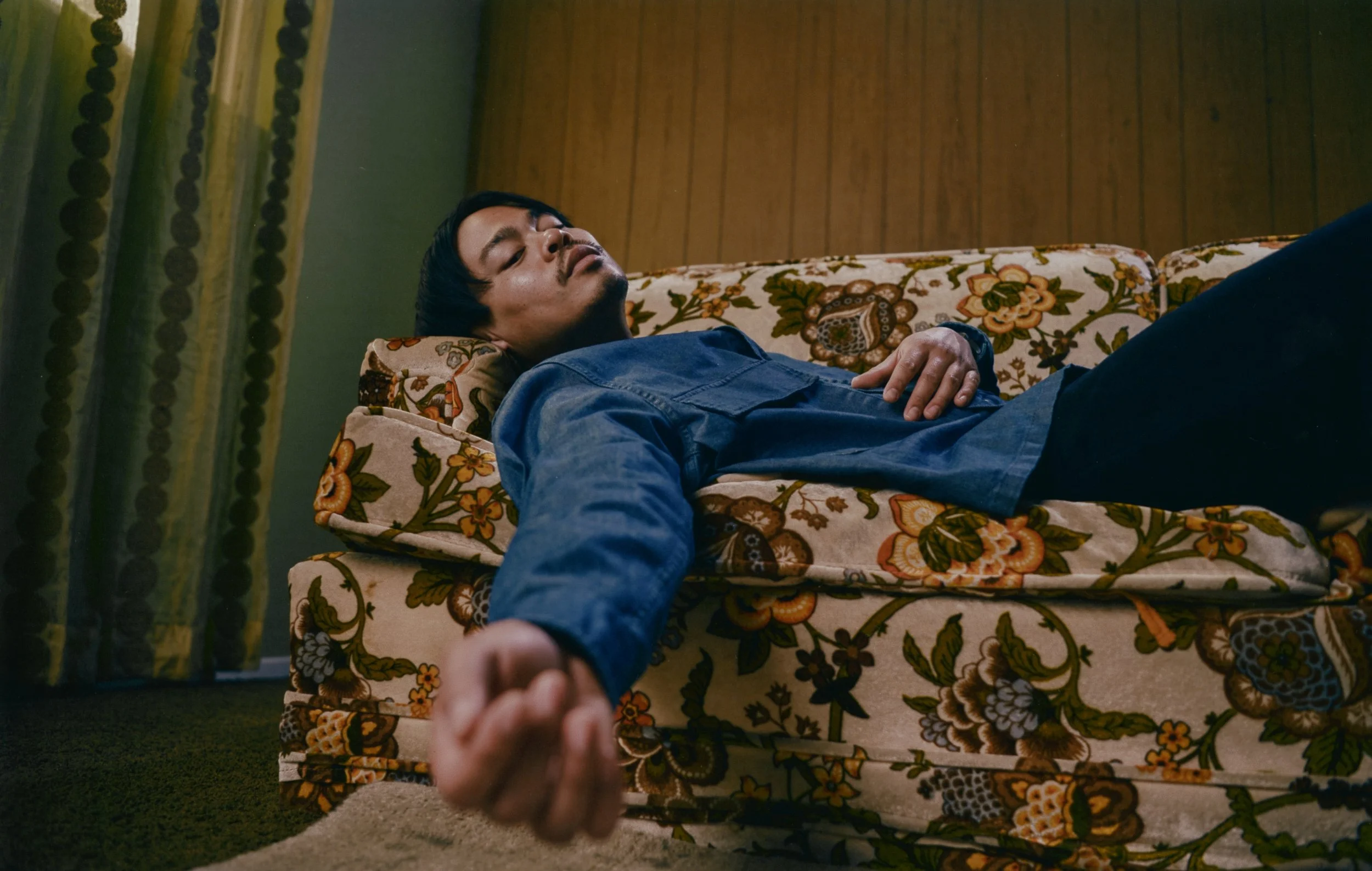




















There are easier ways to go viral than being mistaken for Druski, but Paul Bill Jr. is making the situation work in his favour. The singer-songwriter has been getting increased attention across social media after clips from his “Prettiest Girl In The Room” music video started circulating online. The reason was almost comically immediate: a remarkable number of viewers thought they were watching…