
Tear kim Releases “I can’t do anything,” a Soulful Pop-Rock/K-Pop Lullaby for Restless Nights
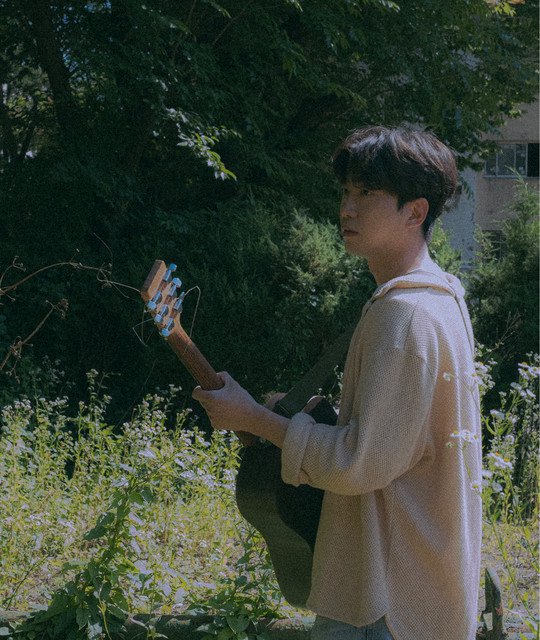
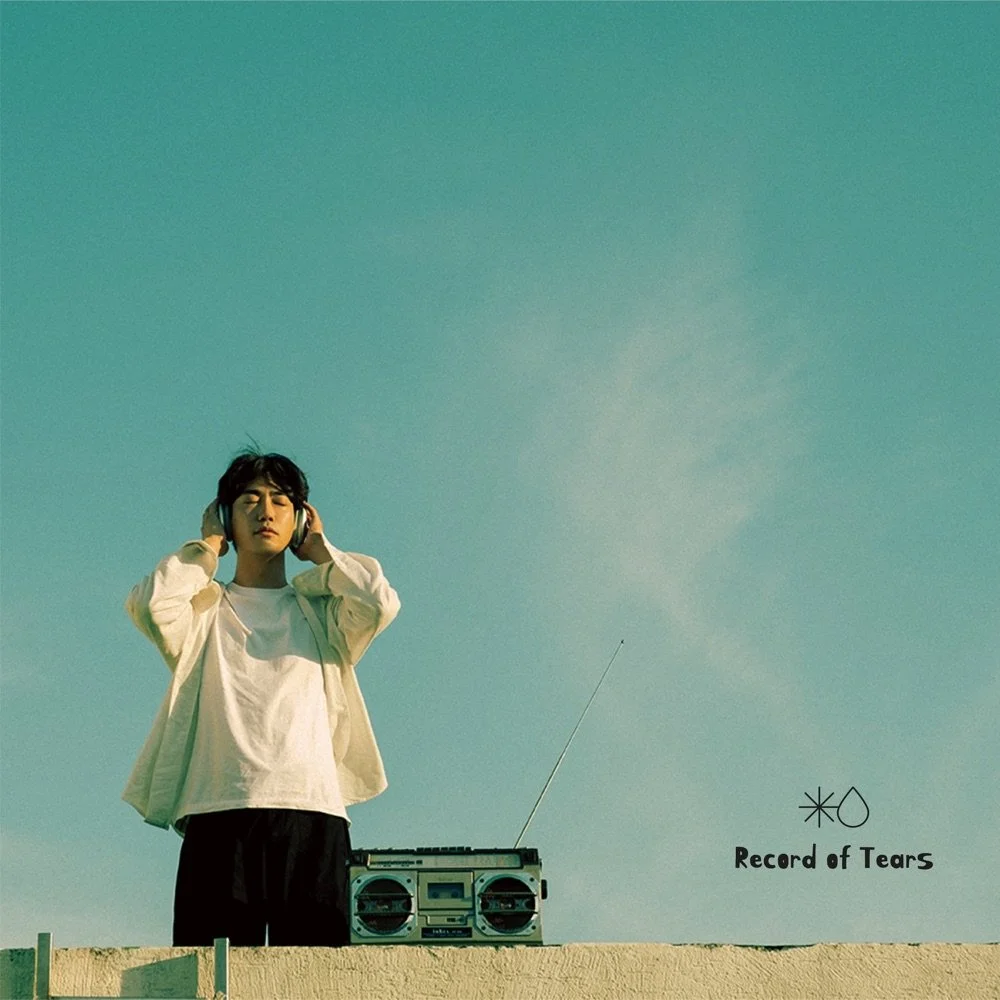
Some nights feel sewn from static and unsent messages; Tear kim releases “I can’t do anything,” a Pop-Rock/K-Pop lullaby for those hours when even turning off the light seems like heavy machinery. The title is not melodrama but diagnosis—an ambient paralysis rendered with exquisite restraint. Soft vocals hover just above the mix, carried by mellow guitar riffs, featherweight drums, and a tranquil bassline that moves like a tide you can’t quite see but always hear. The arrangement never begs for attention; it breathes, lets silence do some of the storytelling, and then returns like a thought you tried to set down but couldn’t.
The lyric’s architecture is elegantly circular: a mantra of incapacity—“아무것도 못해요”—reframed each time the memory of a vanished love loops back. Indeed, the song’s power resides in its economy: simple phrases accrue meaning, turning the refrain into a quiet spell that slows the heart and clarifies the ache. Rhetorical questions (“그댄 왜 나를 사랑하지 않아요?”) flicker like streetlights on wet asphalt—revealing, then receding—while the voice tilts between confession and self-repair, never straining, never sermonizing.
Production choices mirror the emotional thesis. The guitars are diaphanous rather than jangly; the drums are brushed, almost sotto voce; pads gently widen the horizon without crowding it. Moreover, the bass behaves like a caretaker, offering gravity when the vocal threatens to drift. Nothing here is ornamental; everything is proportioned to intimacy. It’s easy to imagine the track closing an anime episode: a slow pan over night trains, lingering city neon, the credits gliding upward while the singer’s breath skims the frame. The vibe is laid-back and soulful, not because the pain is small, but because it’s finally named. What lingers is a delicate paradox: exhaustion rendered as grace. “I can’t do anything” doesn’t chase catharsis; it curates stillness until the listener discovers it on their own. However, the stillness is not empty—it’s restorative, a soft bench at the edge of the mind. By the last note, you haven’t escaped the feeling; you’ve learned how to hold it without breaking.
Enjoyed the read? Consider showing your support by leaving a tip for the writer
TRENDING NOW



CONNECT WITH US





FEATURED



Rob Aspinall builds “Keeps On” from restraint rather than release, letting its emotional weight gather slowly inside a mellow alt-soul framework. The Melbourne artist, multi-instrumentalist and producer shapes the track with soft piano keys, gentle guitar and bass phrases, ethereal pads, and relaxed R&B drums…