
Tamar Berk’s New Album “ocd” Balances Fuzzed Guitars and Honest Lyrics in a Cinematic Alt-Pop Song Cycle
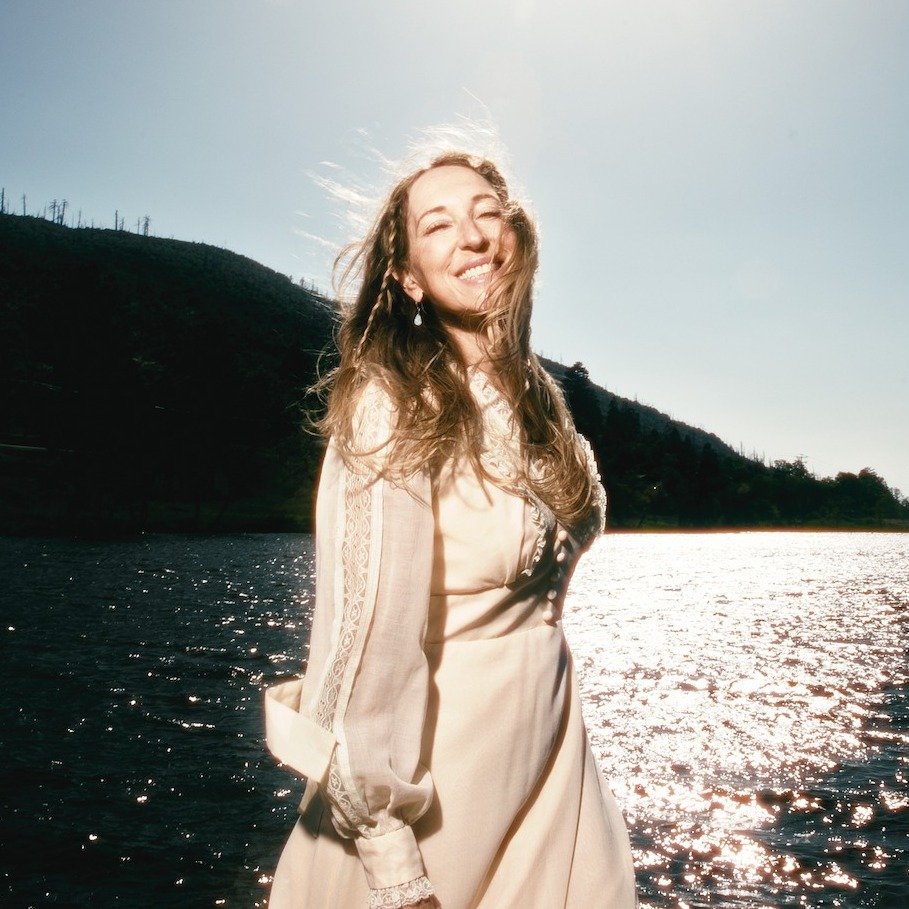

Call it the musician’s paradox: the more you tidy your mind, the messier the melody gets. Tamar Berk’s new album “ocd” embraces that paradox with mischievous clarity, delivering a suite of indie-rock and alt-pop miniatures where fuzzed guitars, Wurlitzer swirls, and trumpet flickers orbit lyrics that read like annotated margins of a sleepless notebook. Indeed, Berk’s fourth wall is thin: her voice is close-miked and conspiratorial, confessing in lowercase while the band hums like a nervous system.
What impresses first is the design. The production favors reverb halos and warm saturation, yet the arrangements avoid bloat: guitars scratch and shimmer without swamping the piano, synths flicker like hazard lights, and drums stay human—roomy, slightly unquantized, alive. Moreover, Berk’s classical piano upbringing and Disney-honed sense of melody meet the restless curiosity of the Beatles and Bowie, the frankness of Liz Phair, the tender chiaroscuro of Elliott Smith. In fact, “ocd” is catchy almost by accident; hooks behave like coping mechanisms, recurring until they rewrite the mood.
A brisk, human-scaled tour of its twelve frames:
“Stay Close By.” Dark electric riffs under tranquil drums; a gentle plea for proximity that turns indecision into a cruising chorus.
“OCD.” The focus single: Wurlitzer swells, teasing synths, trumpet gleam—groove as compulsion, mantra as medicine (“over and over and over”).
“You Ruined This City For Me.” A fast-paced indie-rock sprint, movie-ready and neon-edged, where geography becomes an ex you keep running into.
“There Are Benefits to Mixed Emotions.” Joy Division on the stereo, ambivalence elevated to philosophy; harmonies make uncertainty feel luxurious.
“Time Zone.” Long-distance ache scored by a patient build and a tasteful guitar solo; the drums pivot just when the heart clenches.
“Any Given Weeknight.” Beatles-brushed nostalgia—PBR, jukebox glow, and that hushed ache of remembering precisely how alive you felt.
“I Had a Dream I Was Lost in an Auditorium.” Piano and pulse stage anxiety’s theater; negative energy becomes a melody you can breathe through.
“Indiesleaze 2005.” Sardonic, mid-tempo strut; lists, laughs, and a cracked mirror held up to a scene’s empty calories.
“My Turn Will Come.” Cello shadow, pads, late-arriving drums; a patient ballad that refuses to romanticize collapse while reaching toward light.
“I’m in the Day After.” The replay song—catchy riff, steady backbeat—where regret becomes inventory, then instruction.
“Tell Me Why.” Acoustic folk minimalism with harmonica—childlike questions confronting adult violence and faith with startling clarity.
“Ghost Stories.” Soft piano, brushed drums, a low synth undertow; closure as candlelight, naming the unsaid before letting it go.
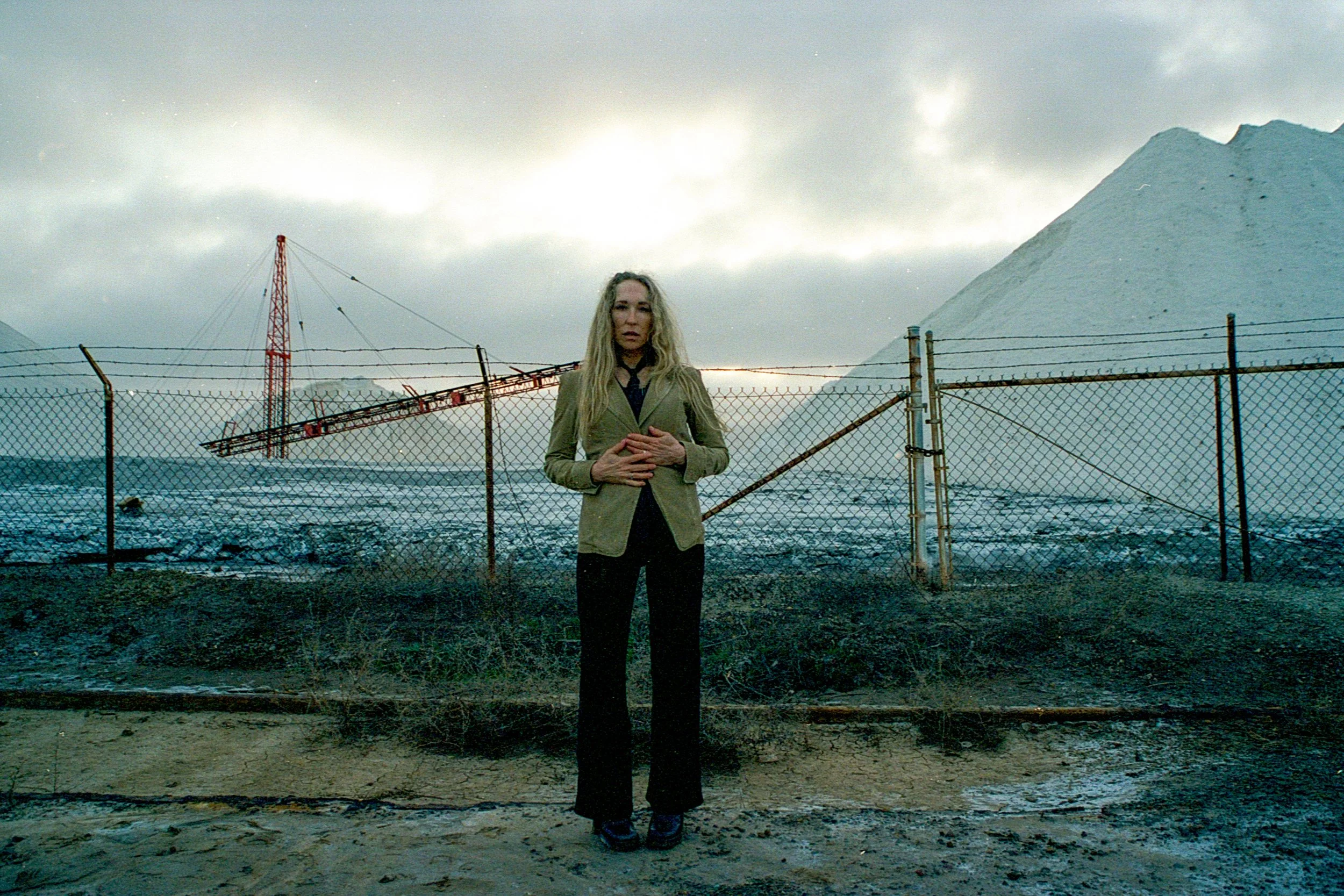
The through-line is Berk’s lyrical precision. She favors plain speech over ornament, then tilts a phrase until it glints: tables for one, location toggles, the ordinary nouns of modern life turned into weather. Moreover, repetition becomes dramaturgy; the loops are never lazy—each return adds inflection, like tracing over a line to make it darker. In Addition, the trumpet appearances function as emotional punctuation, bright commas in sentences that might otherwise run on.
How does it feel? Wired yet tender. The album holds a quiet intensity, the kind you sense in someone holding it together in public and exhaling in the car. It’s moody without sulking, melodic without sugar, melancholy with a sly grin. These are songs you can drive to, fold laundry to, cry to, or—if you’re lucky—sing to someone who’ll actually listen. However, cohesion comes with trade-offs. Several mid-tempo cuts share a similar atmospheric palette; one wishes for a truly skeletal outlier—a dry, voice-and-guitar demo left raw—or a feral tempo spike to widen the arc. “Indiesleaze 2005,” sharp as it is, occasionally leans so hard into satire it risks flattening its target. Still, these are modest quibbles in a sequence that understands its own pulse.
The human center remains unmistakable. Berk does not dramatize overthinking as spectacle; she writes from inside the spiral and treats melody as a handrail. In fact, the record finds humor in the loops and grace in the smallness—coffee shops, corner bars, late drives across mismatched clocks. By the closing hush of “Ghost Stories,” you don’t feel cured; you feel accompanied. Tamar Berk’s ocd doesn’t promise to tidy your head. It offers something better: a soundtrack for living with it—beautifully, imperfectly, over and over and over.
Enjoyed the read? Consider showing your support by leaving a tip for the writer
TRENDING NOW


CONNECT WITH US





FEATURED



Rob Aspinall builds “Keeps On” from restraint rather than release, letting its emotional weight gather slowly inside a mellow alt-soul framework. The Melbourne artist, multi-instrumentalist and producer shapes the track with soft piano keys, gentle guitar and bass phrases, ethereal pads, and relaxed R&B drums…