
Steve Haley opens the door on himself with “Secret Knock,” an intimate ledger of unfinished thoughts
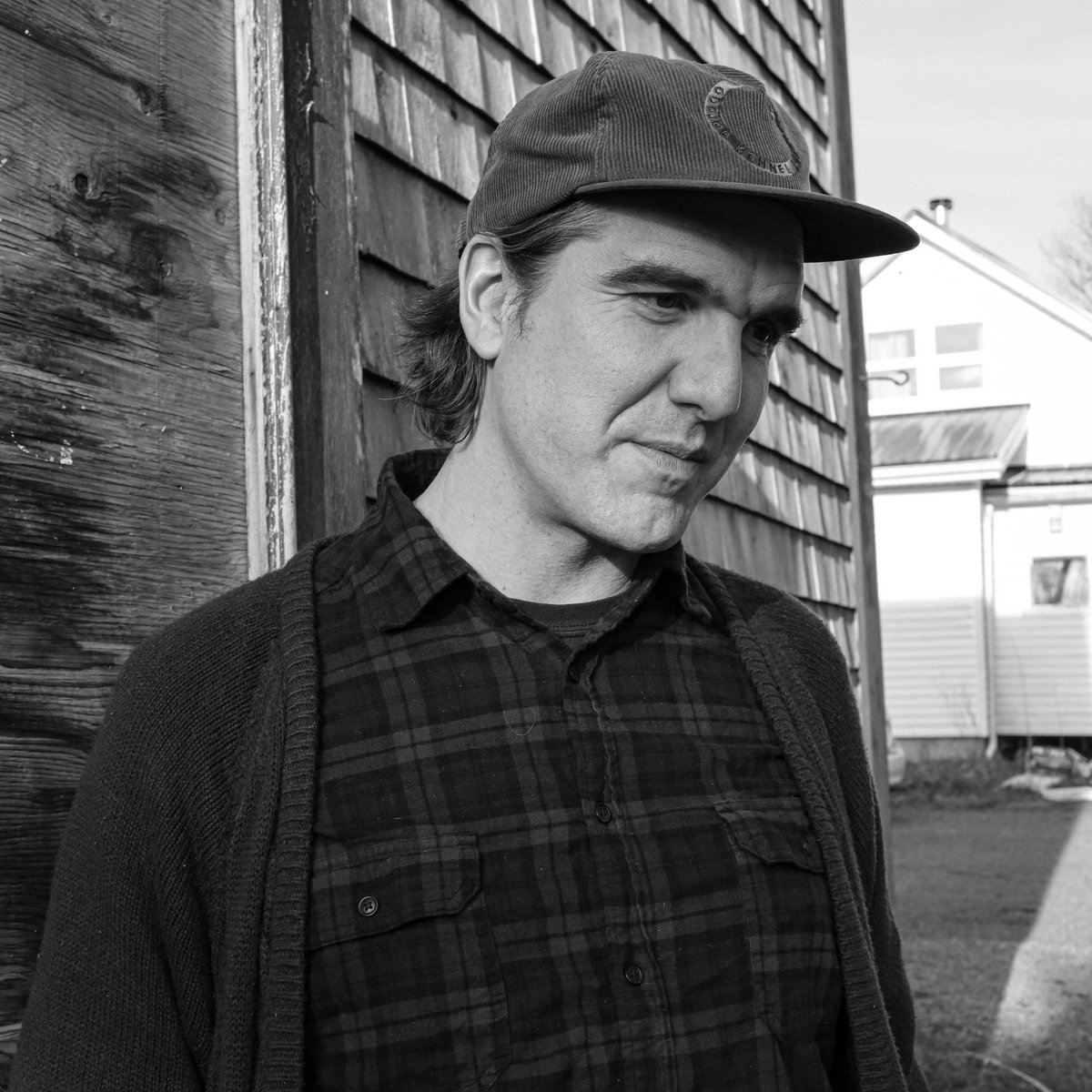
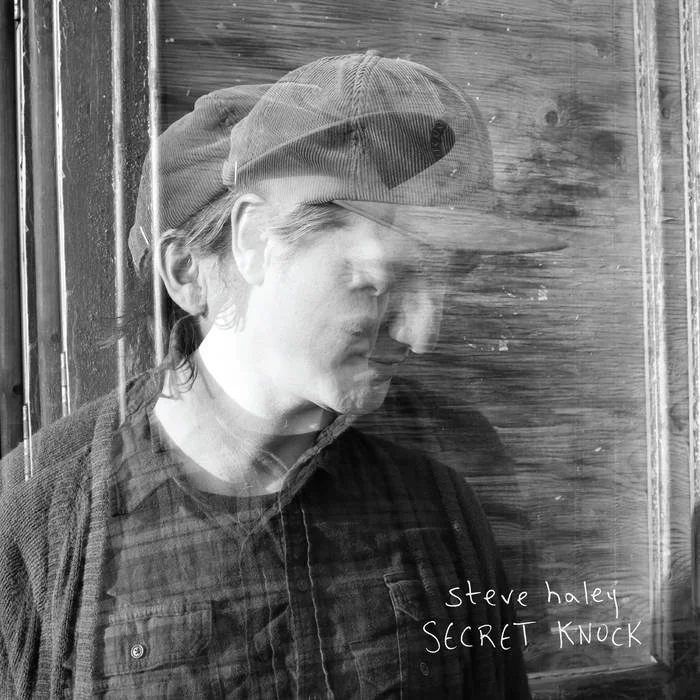
A secret knock is a strange kind of honesty: it admits there’s a door, admits there’s fear behind it, and still asks to be let in. That is the quiet dare at the heart of Steve Haley’s LP, “Secret Knock.” The record’s eleven songs move between adult contemporary warmth, alt-pop curiosity, and indie-folk intimacy, but the real through-line is vulnerability: this is a long-delayed conversation with himself that we’re allowed to overhear. Indeed, the LP feels less like a product and more like a private reckoning finally given permission to breathe.
Haley has spent years writing through fictional lenses, yet Secret Knock is the moment where the masks are gently set aside. The lyrics orbit mortality, religion, anxiety, and the small rituals of domestic living: bedtime fears, meteor showers, family houses, imagined lovers. Musically, the production walks a fascinating line between home-recorded roughness and carefully sculpted detail—tremolo guitars, tender organs, ghostly harmonicas, and the occasional stylophone shimmer. In fact, the slight imperfections in the recording become part of the emotional architecture, reminding you there’s a real human being on the other side of the speakers, not a polished algorithm.
The title track, “Secret Knock,” opens the album like a hesitant confession. The melody drifts forward with such fragility it feels as though it might crumble in your hands, mirroring a narrator haunted by love and, on a meta level, by all the songs Haley never dared to release. It’s a ghost story, but the apparitions are memories and unwritten verses. “Lettin’ It Spill” then nudges the tempo upwards, riding a fragile, folk-streaked vocal over tremolo guitar and slow-moving, liquid phrases; the song sways with a country-tinged ease, as if the narrator has finally decided that emotional leakage is a virtue. Moreover, “For The Stars” extends that openness toward the listener, its melody unfolding in such an inviting arc that you almost instinctively begin to hum along—one can easily imagine a room full of strangers turning into a makeshift choir.
The album’s dream logic crystallizes on “I dreamed you,” a song that recounts an affair that exists entirely in sleep. There’s a calm, hypnotic quality to the arrangement: gentle organ washes, patient pacing, and a subtle tightening of focus when the instrumentation briefly strips back, as though the dream suddenly snaps into high definition. It feels both deeply personal and oddly universal; anyone who has woken from a dream with residual longing will recognize the emotional hangover. In addition, “Hard To Put A Finger On” pares everything down to guitar, voice, and harmonica, leaning into a traditional folk vernacular. The slight lo-fi ambience—room noises, tiny imperfections—underscores the unsettling lyrics about childhood fear and the pressure to perform obedience; it is intimate to the point of discomfort.
“Dark Soul” might be the record’s quiet centerpiece. Haley’s voice here is crystal clear, gently softened by reverb, singing a melody that feels both resigned and strangely buoyant. The lyrics describe pouring time and energy into a kind of emotional black hole, yet the rhythm carries a lightly optimistic bounce, suggesting that acknowledgment itself is a step toward liberation. There are playful details for attentive ears—a sly nod to Elton John, and a ghostly sound that appears just after the fade, like an afterthought that refuses to stay buried. However, the record never becomes clever for its own sake; these flourishes deepen rather than distract.
Later, “When I Die” returns to a rawer, homemade palette, letting Haley reflect on life and death with disarming directness. It reads and sounds less like a philosophical essay and more like a conversation at the kitchen table, the kind that unexpectedly leaves your eyes stinging. “Pop’s Dream” follows as a fleeting vignette: the vocal, soaked in reverb, feels as though it’s drifting in from another room, adopting a childlike tenderness to match its nostalgic subject. At under two minutes, it’s a brief apparition—beautiful, if slightly tantalizing in its brevity. Moreover, “Burned Bright” grounds everything in communal warmth: banjo twang, subtle cello, and a campfire-like groove that conjures friends sharing stories under a night sky where the past and present glow together.
The penultimate “Driftwood” stretches Haley’s melodic range, dipping into satisfyingly low notes while a warm, plucked bass and spare rim-shot beat create a sense of patient movement. A ghostly backing vocal shadows the lead line, while the harmonica slips in and out with unforced organic charm, never feeling like a gimmick. It sounds like walking a familiar shoreline at dusk, recognizing every rock but sensing that something in you has shifted. Finally, “When It All Ends” closes the album on a halting, contemplative note. There is a generous amount of space in the mix, punctuated by a wavering, almost spectral stylophone that flutters at the edges, turning domestic scenes—meteor showers, rabbit-hole evenings—into surreal polaroids of ordinary life on the brink of change.
By the time Secret Knock ends, you don’t feel as though you’ve been given a grand thesis; you feel as though someone has trusted you with their unfinished thoughts. The blend of adult contemporary smoothness, alt-pop curiosity, and indie-folk earthiness creates a sonic environment that is cozy yet quietly unnerving, like sitting in a familiar living room while old ghosts politely reintroduce themselves. Indeed, Steve Haley’s great achievement here is not just writing strong songs, but allowing his own haunted stories to finally leave the safety of his head. As a listener, you step away feeling oddly lighter, as if his act of letting it spill has given you permission to do the same.
Enjoyed the read? Consider showing your support by leaving a tip for the writer
TRENDING NOW





CONNECT WITH US





FEATURED



Love Ghost built Cintas Perdidas around movement—between countries, languages, genres, and emotional states. Created during a period when frontman Finnegan “Finn” Bell left the United States and immersed himself in Mexico, the 15-track album began as raw…