
Pēlikel Release "Okay, Maybe," a Montreal-Made EP Balancing Indie-Folk Intimacy and Cinematic Adult Contemporary Warmth
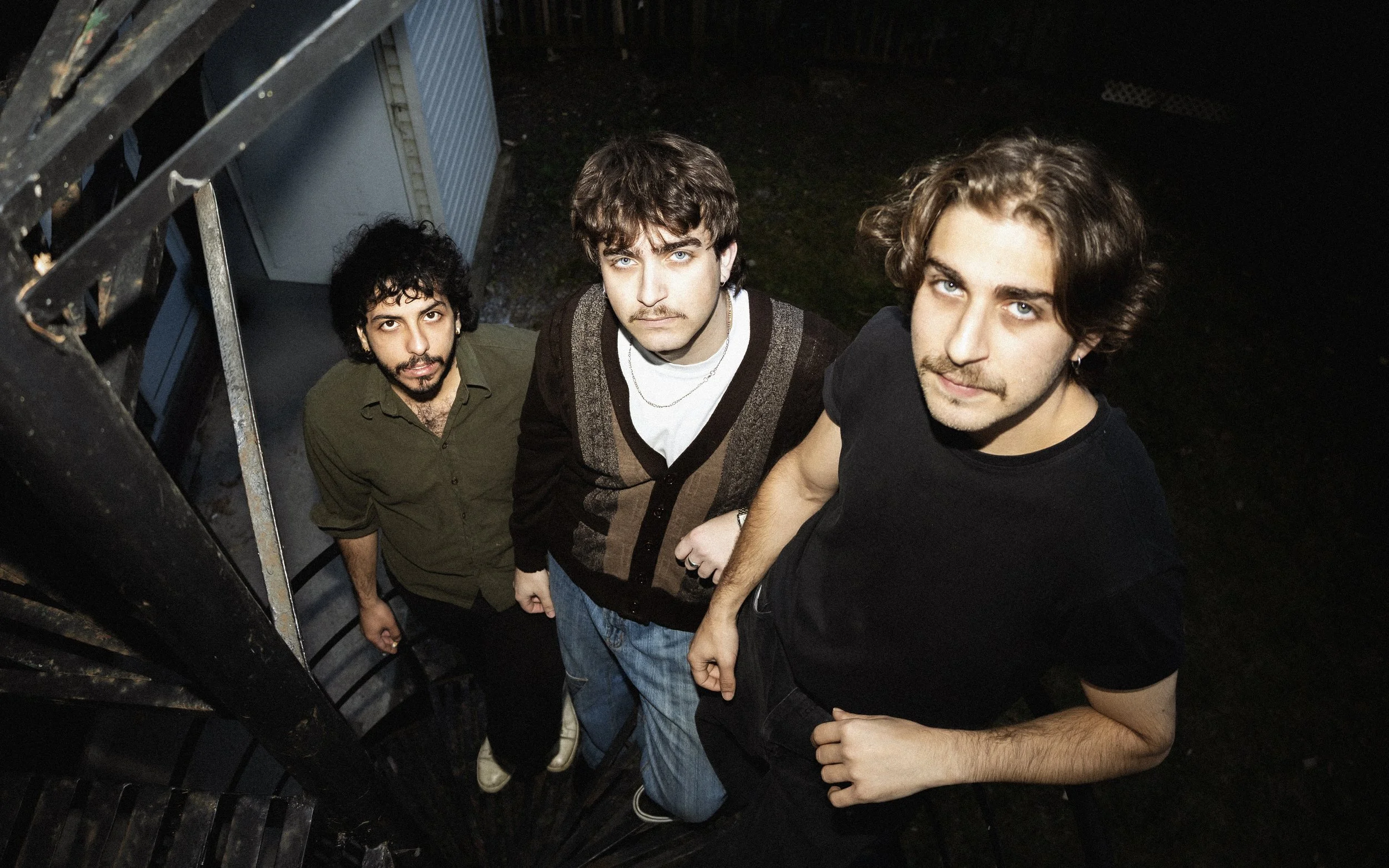
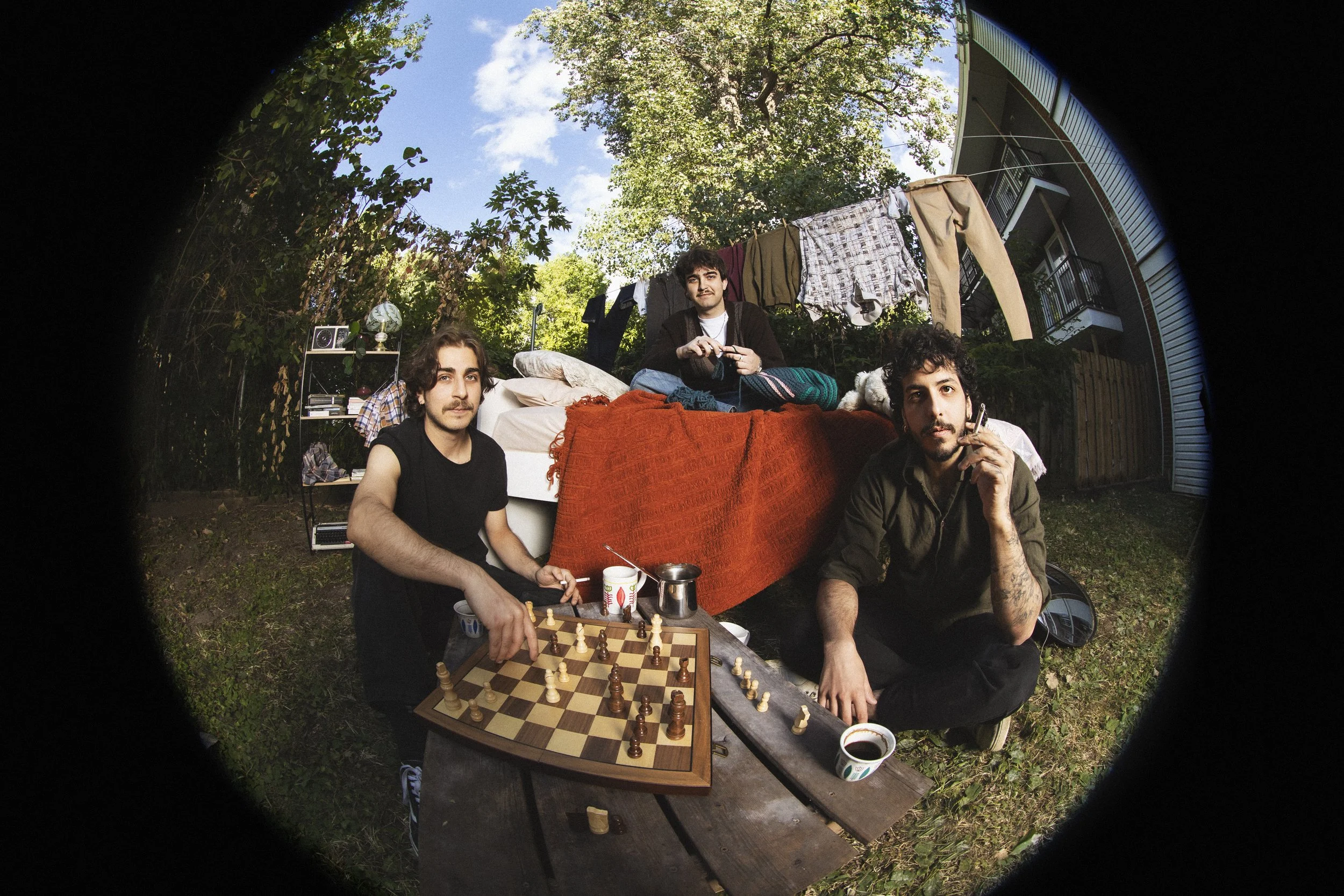
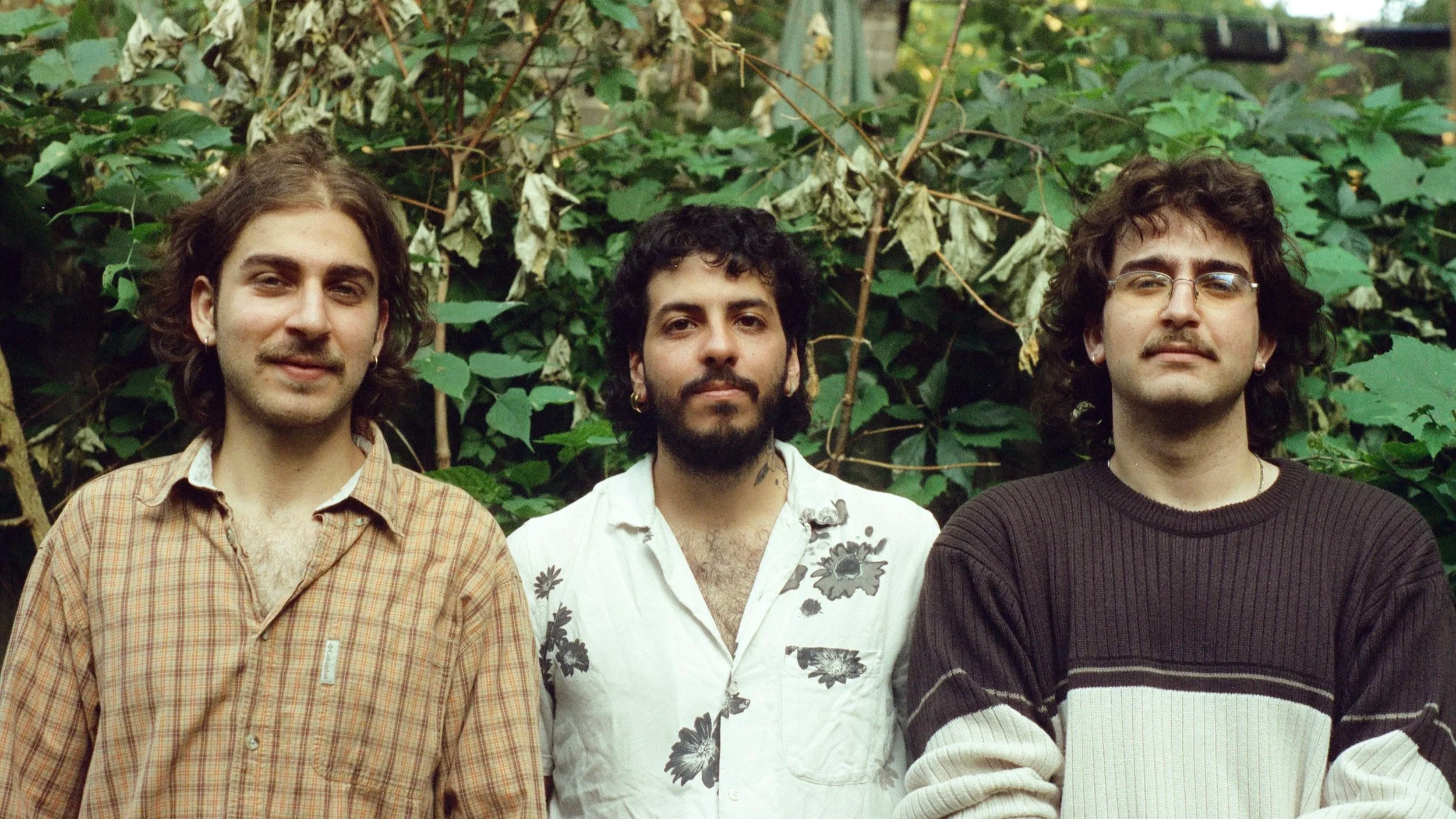
Call it a weather report for the soul: Pēlikel’s EP project “Okay, Maybe” scans the horizon, names the clouds, and stays outside long enough to be rained on. The Montreal-based Lebanese trio—Joey Semaan, Kevin Semaan, and Roy Andraos—shapes a compact, 27-minute cycle where Adult Contemporary warmth meets indie-folk candor and faint indie-rock voltage. Recorded at UQAM – Pavillon de Musique (2024) with early sketches at Triptych Studio (2022), the EP bears the fingerprints of hands that listened before they played: produced by Pēlikel with demo help from Charbel Haddad, mixed by Simon L’Espérance, and mastered by Richard Addison at Trillium Sound. The result is intimate yet widescreen—cinematic not because it shouts, but because it breathes.
Indeed, the record’s arc moves from anesthetized drift to lucid feeling. You hear it in timbre before you catch it in words: strings that murmur like a second conscience, violins that steady the pulse, a rhythm section that enters like weather rather than machinery. Lyrically, Pēlikel favors elemental emblems—fire, sky, clouds, currents—so that mortality and mercy can talk to one another without melodrama. The writing is reflective and imagistic, occasionally austere, as if the band wanted to polish each phrase only to the point where it still shows fingerprints.
A short track-by-track Breakdown:
“Bits of Space” opens as a hush: acoustic guitar, soft bass, a ghosting cello, no drums. The vocals confide rather than performs; questions (“How can I become the owner of the void?”) set the emotional grammar. The choice to keep percussion out grants the track a devotional stillness, though momentum flirts with stasis—an elegant prelude that risks being too well-behaved for restless ears. However, its restraint makes the later swells elsewhere feel earned.
“Another Fall” starts as a low-lit folk miniature and upgrades itself by degrees into an 80s-tinted indie-pop canter—subtle percussion becomes a more assertive kit, electric guitars etch the margins, and a vignette of departing seasons (“The little birdie leapt… women in coats…”) gives the arrangement narrative torque. Moreover, the mix keeps transients crisp without sterilizing the room air; if anything, cymbal sheen runs a hair bright, a forgivable glow for a chorus that needs sky.
“Aether Voyage” is where the EP tries on propulsion. Acoustic calm lifts into a brassy indie-rock sail, a soft fanfare that refuses bombast. Lines about floating through the aether and learning gravity are matched by a patient build—snare, guitar, then a gentle brass gilding—that suggests acceptance is not a crash but a glide path. The outro densifies; the vocal tail occasionally brushes against the instrumentation, yet the friction reads as personhood rather than clutter.
“Cumulus Humilis” may be the thesis statement: a folk hush that grows into pop-rock altitude, anchored by the refrain, “White cloud, sorely, I simply hover / With the weight of the sky on my shoulders.” Bitar’s drumming gives heft without swagger, letting the guitars do the weather work. Additionally, the repetition of the chorus edges on incantation; some listeners will crave an extra harmonic left turn, though the insistence suits the lyric’s meteorological fatigue.
“Mind the Rip Current” functions as a folkish vignette—medieval filigree, violin and flute twining around a gently cheerful riff while the text warns against the undertow of appetites. Consider it a palette cleanser with teeth: buoyant on the surface, briny underneath. The EP is often described as six songs; this piece sits convincingly as the hinge scene, a brief caution between deeper dives.
“Back to You” closes like a light finally choosing to be soft. Fingerpicked guitar meets small-room drums, discreet pads, a brushed violin—layers that swell without crowding. References to Orpheus and “the kiss of light” give mythic grammar to an ordinary longing, and the repeated title phrase works like footsteps rounding the corner home. The mastering grants low-end warmth and unhurried headroom, so the last held vowel doesn’t clip or curdle; it lingers, then leaves.
What coheres across the EP is an ethic of proportion. Pēlikel knows when to leave oxygen in a bar line, when to let a harmony shadow the melody for a single syllable, when to let a cello speak one note longer than comfort allows. The sonic palette—acoustic guitars, occasional brass, quietly luminous pads—feels curated rather than lavish. Furthermore, the band’s existential imagery never hardens into posture; even the grand metaphors are domesticated by tactile detail: coats in cold weather, a lawn freshly mowed, eyelids soon too heavy.
Limits? A few. The softness that makes these songs hospitable occasionally sands away edge; certain crescendos arrive exactly where you expect them, and a verse or two could risk more melodic asymmetry. Yet the trade-off is a durable hospitality: a record that invites second listens not through spectacle but through honest craftsmanship. Okay, Maybe is a modest title for a work this sure of its weather. By the end, the shrug has become a promise: okay, maybe we can live with both ache and light. And if you’ve ever stood under a bruised sky and waited for a cleaner shade of blue, you’ll recognize the posture Pēlikel holds—head tilted, lungs open, ready to call the next forecast by its true name.
Enjoyed the read? Consider showing your support by leaving a tip for the writer
TRENDING NOW


CONNECT WITH US





FEATURED



Rob Aspinall builds “Keeps On” from restraint rather than release, letting its emotional weight gather slowly inside a mellow alt-soul framework. The Melbourne artist, multi-instrumentalist and producer shapes the track with soft piano keys, gentle guitar and bass phrases, ethereal pads, and relaxed R&B drums…