
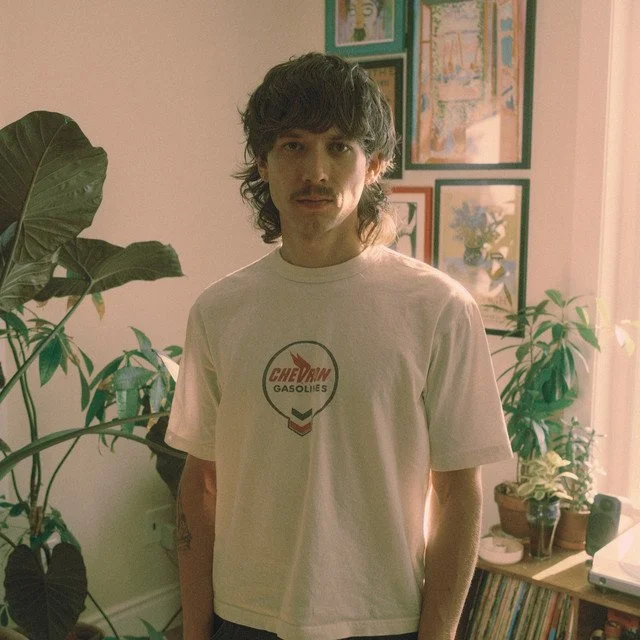
On His Debut Album “Idling High,” Jake Cassman pairs folk earth with Pop-rock spark.
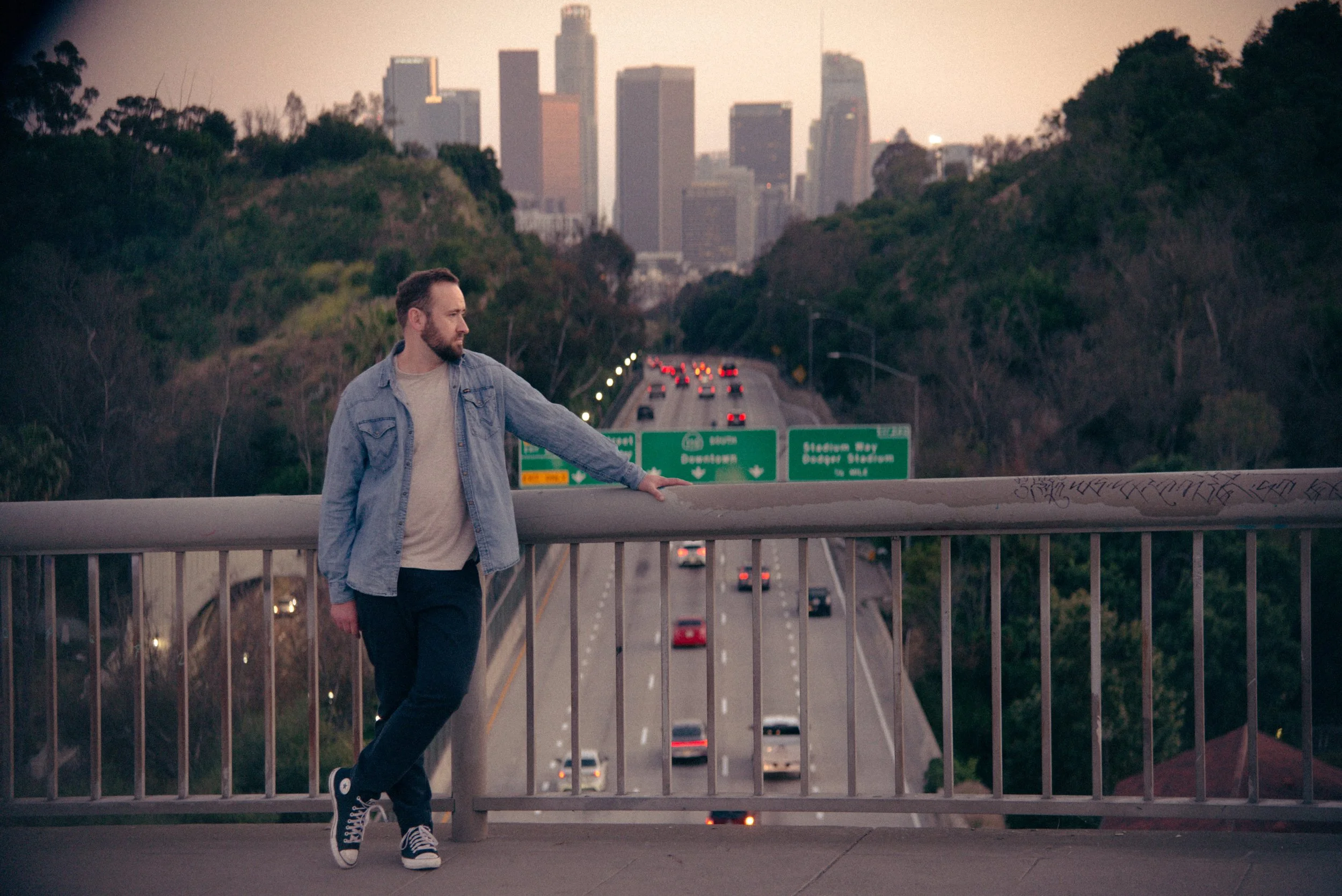
Picture a roadside bonfire licking a Pacific dusk—contained, glowing, and just risky enough to feel alive. That’s the temperature of Jake Cassman’s “Idling High,” a debut album that treats malaise like tinder and lights it with a dark, sidelong grin. The California homecoming is audible: freeway-bright guitars beside canyon-echo pianos; folk earth under indie-rock boots. Cassman writes like a teacher with a night gig and a busker’s instincts—crafty, humane, and alert to the room—so even the heaviest subjects arrive with a handshake rather than a sermon.
What steadies the record is tone. Cassman interrogates depression, stagnation, and that queasy hush of modern drift, yet he always leaves a window cracked for air. The punchlines surface precisely when the ache peaks, which means catharsis comes by laughter, not melodrama. The arrangements favor gradual ignition: a single riff lights the wick, then bass, claps, violin, or synths are added until the song holds its flame. You hear Tom Petty’s unhurried stride, Counting Crows’ open-throated melancholy, Jason Isbell’s plainspoken grit, and a contemporary urgency that refuses nostalgia’s soft focus.
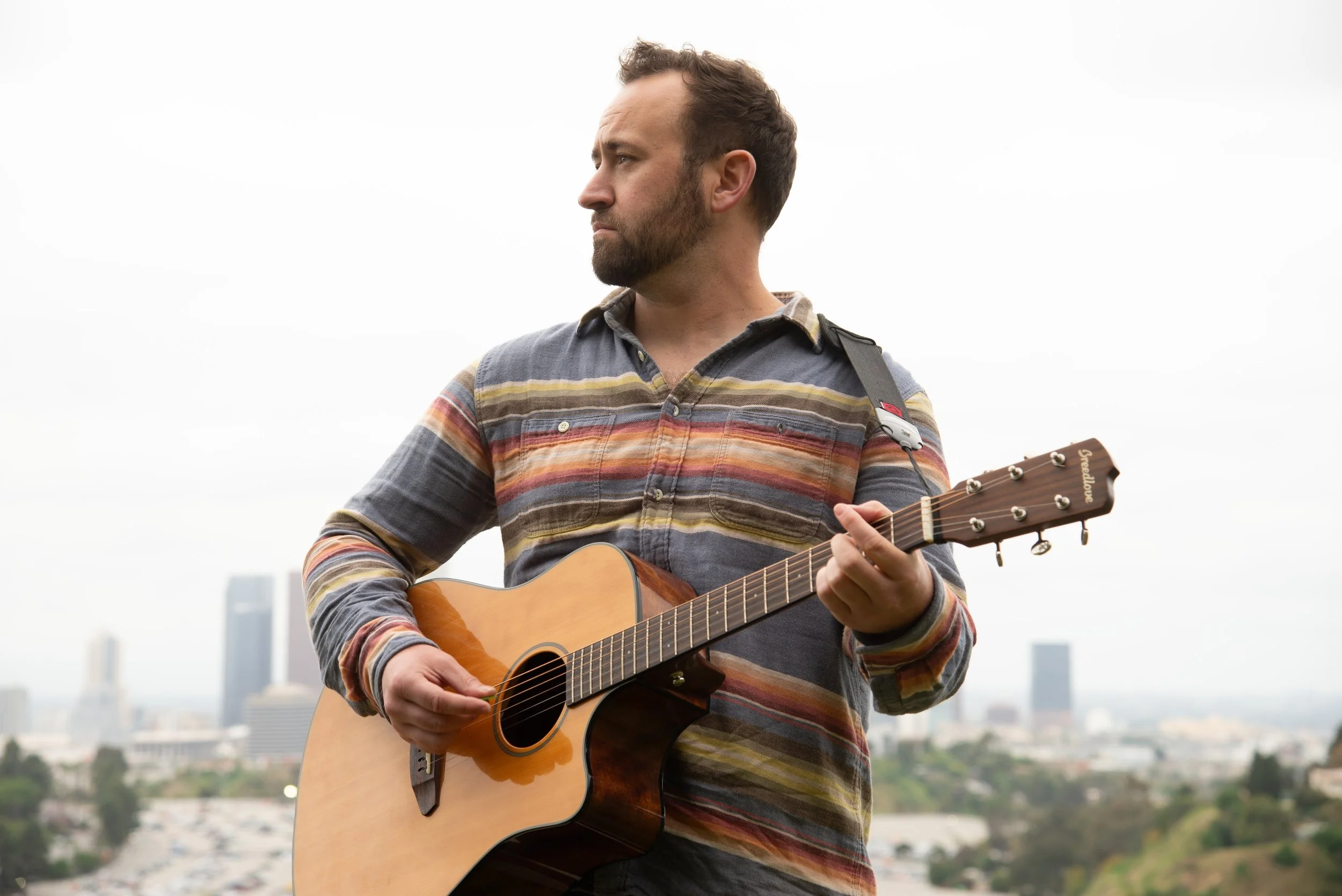
The highlight, “October Burning,” doubles as weather report and thesis. Acoustic guitar and banjo flicker like embers, soft bass and laid-back drums move the smoke, and Cassman frames California’s fires alongside a loneliness epidemic with unforced ache. The line “no one wants to burn alone” reads less like a hook than a civic reminder; isolation is tinder, and connection the only firebreak. The melody sits in a conversational register that flatters his grain, keeping the performance honest while the writing does the lifting. It’s prescient without hectoring, and it lingers like air that has passed through something unbearable and survived.
A brief track-by-track map sketches the terrain. “Controlled Burn” starts with gentle guitar and a bottle held to the wind, then grows—ethereal synth, bass, violin, brushed drums—until acceptance sounds earned rather than declared. “Thanks for Waking Me Up” is pedal-down indie rock: electric riffs and piano nudge upbeat drums while the vocal leans into cheeky gratitude. “Asking for a Friend” turns intrusive thoughts into a hooky confession; terse guitar figures and subtle keys support a laid-back pocket where the jokes cut deepest. “I Think I’m Happy” opens on churchy piano and slow claps, then blooms into pop-rock swagger—Elton-ish chord lift under a lyric that celebrates being “somebody at all.” “Anna, I’m Not Interesting” threads tender folk with mid-tempo drums and a soulful bassline; the hook catches because the voice refuses to plead. “We All Look the Same” widens the lens to asphalt America—piano and guitar scoring straight-line roads and crooked promises as the lyric dismantles bootstrapped myths. “Where Do I Start?” begins stripped—lone electric, 2 a.m. questions—then accumulates percussion, acoustic strums, bass and wisps of harmony until the anxiety has a spine to lean on. “Can You Be OK?” offers pop-folk balm—subtle synths, laid-back drums, and hooky harmonies asking whether maturity can coexist with grief. “Trying to Mourn a Friend of Mine” dances despite itself, the rhythm section coaxing hips while the lyric eulogizes a younger self with mordant wit. Closing the circle, “I’m Still Here” floats on Rhodes haze and patient drums, a gospel-tinged benediction where the quarter-life confession refuses collapse and chooses endurance.
Across these songs Cassman’s lyrical camera favors plain images that gather consequence—photo-booth tantrums, blackout curtains, bottles singing in the wind—so listeners recognize their own rooms in the frame. His sense of humour humanizes the darkest corners; we laugh, then notice our shoulders have dropped. The production is versatile and intentionally modest—LA-canyon folk filtered through contemporary indie with the occasional 808-leaning minimalism—so the story and voice stay centre-weighted.
Not everything ignites. A few choruses land on familiar progressions, and the vocal line can flatten into a generic midrange on “Can You Be OK?” and stretches of “Asking for a Friend,” where a sharper contour might have elevated the feeling. Likewise, “Where Do I Start?” sometimes leans on riffing we’ve heard before. However, the album’s emotional accuracy keeps these moments from dulling the edge; even when the instrumentation seems predictable, the writing arrives clean, self-aware, and kind.
“Idling High” ultimately plays like a road record for people who haven’t left the apartment—a compact campfire for the doom-scroll era. You come for the sing-along relief, you stay for the wry companionship, and you leave with a handful of lines that stubbornly survive the shower. The project’s real currency is care: a humane gaze, a sly joke, and the stubborn belief that heat shared is heat survived. If the question is how to live with the flames, Cassman’s answer is quietly radical—don’t deny the fire; invite someone to watch it with you.
Enjoyed the read? Consider showing your support by leaving a tip for the writer
TRENDING NOW





CONNECT WITH US





FEATURED


ALBI. designs “HEARTBEAT” around propulsion. The Brisbane/Meanjin artist layers syncopated synths, distorted bass, and punchy drums into an alt-pop structure that feels engineered for movement, while her crunchy, soaring vocal adds a roughened edge to the song’s otherwise polished momentum. Produced by Song Higginson, the track…