
Jennifer Harper Releases “Soul Alive,” an 11-Track Album That Blends Piano-Driven Pop with Devotional Calm
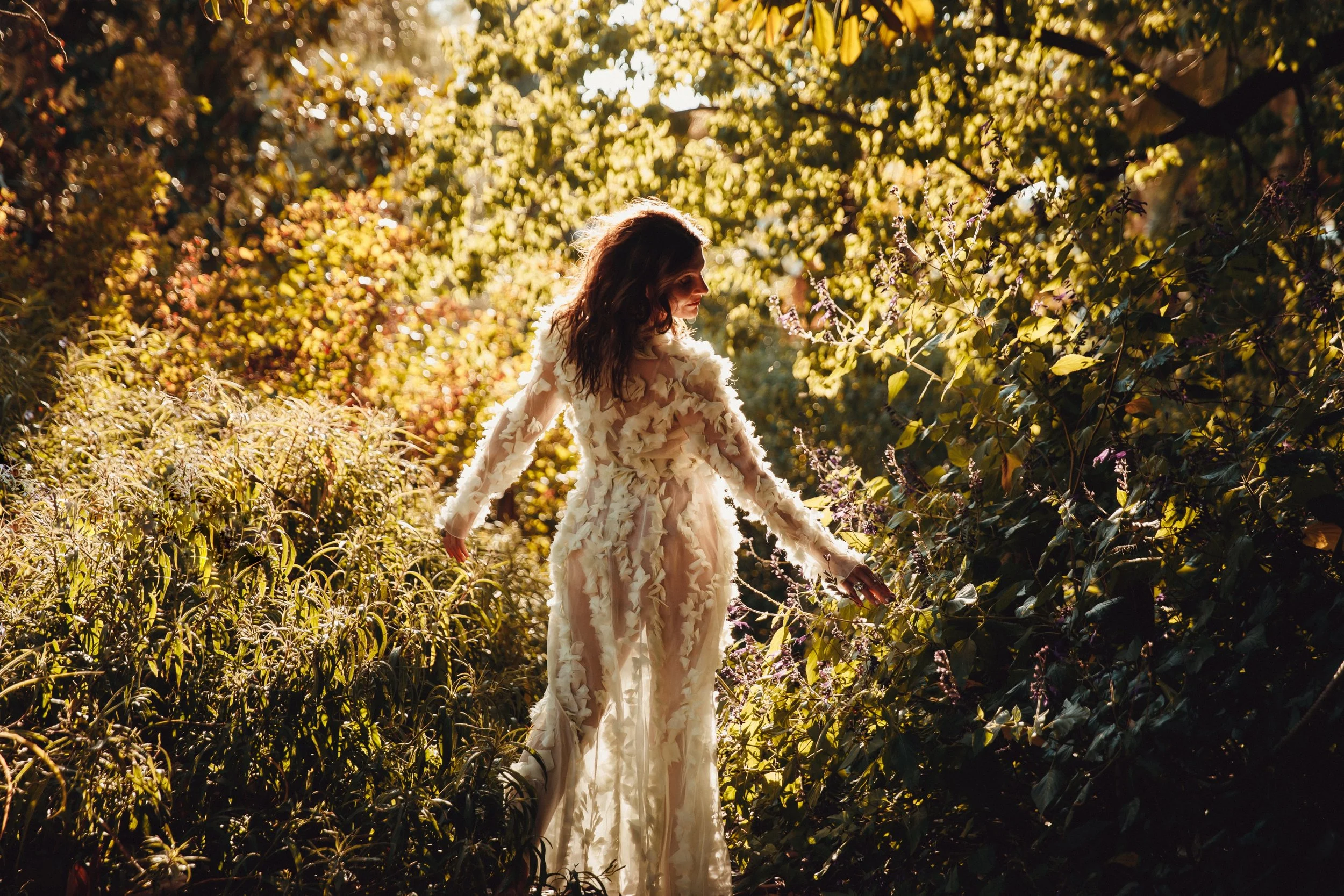
Candles don’t heal; the way you breathe beside them does. On her new album project “Soul Alive,” pianist and singer-songwriter Jennifer Harper turns breath into architecture—piano motifs rising like lanterns, melodies locating their own pulse until the room remembers how to feel. The Adult Contemporary/Indie Pop grammar is classic, yet the intention is devotional: a third album that treats song as ceremony, produced with warm clarity by Matt Anthony and animated by Harper’s longstanding practice of Nichiren Buddhism. Indeed, you hear a life arranged for balance—gardens, mountain air, city shadows—folded into a suite of eleven pieces that escort the listener inward rather than merely forward.
Harper’s piano is the protagonist, her voice the confidante. She favors unhurried harmonies, lofi-brushed drums, and organic timbres—pads, brass, cello—so nothing crowds the lyric. In fact, the mixes err on intimacy: air around the keys, consonants softened just enough to feel close without blurring intent. The writing leans toward “sacred storytelling through sound,” not as a slogan but as practice—plain-spoken encouragements, devotional imagery, small epiphanies lifted by arrangement rather than rhetorical flourish.

A brief constellation of tracks: “Change Is Coming” sets the compass with mid-tempo lift—lofi drums, sultry lead, and harmonies that blossom in the hook like sunlight breaking through kitchen blinds. “Goodbye” follows as a handwritten letter at a well-tuned piano: cozy voicings, tender pads, and restraint that refuses to cheapen parting. “Remembrance” begins with spare keys and hushed percussion, then blooms into an ‘80s-tinted drum pattern over tranquil bass—melancholy, yes, but forward-leaning. The title cut, “Soul Alive,” arrives fully upright—grand piano, confident vocals, and drummer Tal Bergman’s elegant engine room giving the chorus a cheerful, mid-tempo buoyancy.
Moreover, “You’re a Star” wraps encouragement in soft kicks, pads, and a brass/cello hush—a lullaby with shoulders. “I Am a Queen” strips the kit entirely; piano and silken voice frame a short speech of empowerment that feels like morning mirror work—unadorned, necessary. In addition, “Beautiful Earth” widens the colour field with synth and brass over slow kick and shaker/cymbal filigree; it scans as a gratitude hymn. Harper’s cover of Bruno Mars’ “Talking to the Moon” is reframed with piano and a whisper of indie guitar—chill, affectionate, and refreshingly unshowy. “Mary Magdalene” offers a contemplative vignette—pads and gentle harmonies suspending time. “Floating” lives up to its name—mellow riffs, lofi percussion, and cello lending ballast to drift. Finally, “Butterfly” flutters on subtle brass, near-invisible drums, and airy synth, a closing benediction about change that lands on tiptoe.
The album’s feel is pastoral-urban: night walks after the dishes are done, winter light pooling on hardwood, a river’s steady grammar inside a downtown apartment. Harper’s voice is steady rather than showy, carrying warmth and weathered kindness; when she pushes, it’s to illuminate, not to impress. The rhythmic language remains measured, inviting calm focus rather than adrenaline. However, cohesion occasionally shades into predictability—one or two mid-tempo pieces (“Starlit” moods surface in “Goodbye” and “Remembrance”) could have benefited from a bolder dynamic swell or a riskier bridge. “I Am a Queen,” drum-less by design, might feel static to listeners craving a late-track lift. And the “Talking to the Moon” readaptation is reverent more than revisionist; adventurous ears may wish for a sharper harmonic left turn.
Even so, the work’s medicine is its steadiness. Harper writes as a guide rather than a guru, crafting rooms where you can lay your burdens down long enough to name them. Matt Anthony’s production keeps the spiritual tactile; you can hear fingers, felt, and breath. The presence of collaborators—Bergman’s title-track drive, the textural brass/cello threads—deepens the palette without diluting authorship.
Released September 5, 2025, “Soul Alive” arrives as an independent statement that feels personal and portable: eleven songs for commutes, meditations, or the quiet five minutes you steal before the house wakes. Indeed, the promise isn’t spectacle but recalibration. The sky outside may change by the hour; here, the center holds.
Enjoyed the read? Consider showing your support by leaving a tip for the writer
TRENDING NOW







CONNECT WITH US





FEATURED



Desiree Choy’s “Never Want It to End” glows with the soft architecture of a perfect evening held just before it disappears. The American, LA-based singer, songwriter, and actress shapes the single through Alternative / Indie R&B and Alt Pop, bringing a chill coastal feeling to a song about wanting…