
Italian Rapper Ari Selva and Vaynex Blur Vintage Hip-Hop and Cinematic Production on Camera Di Pressione
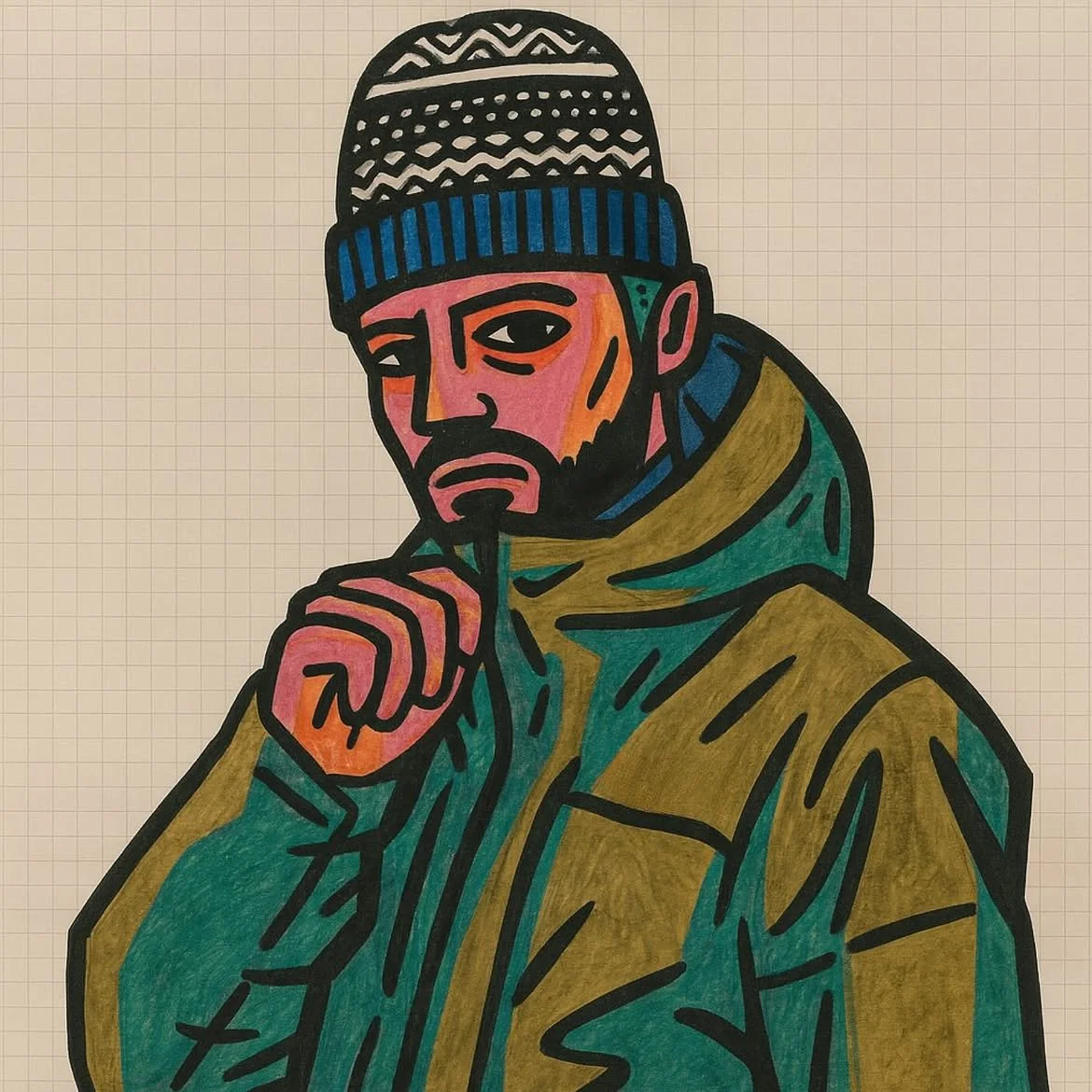
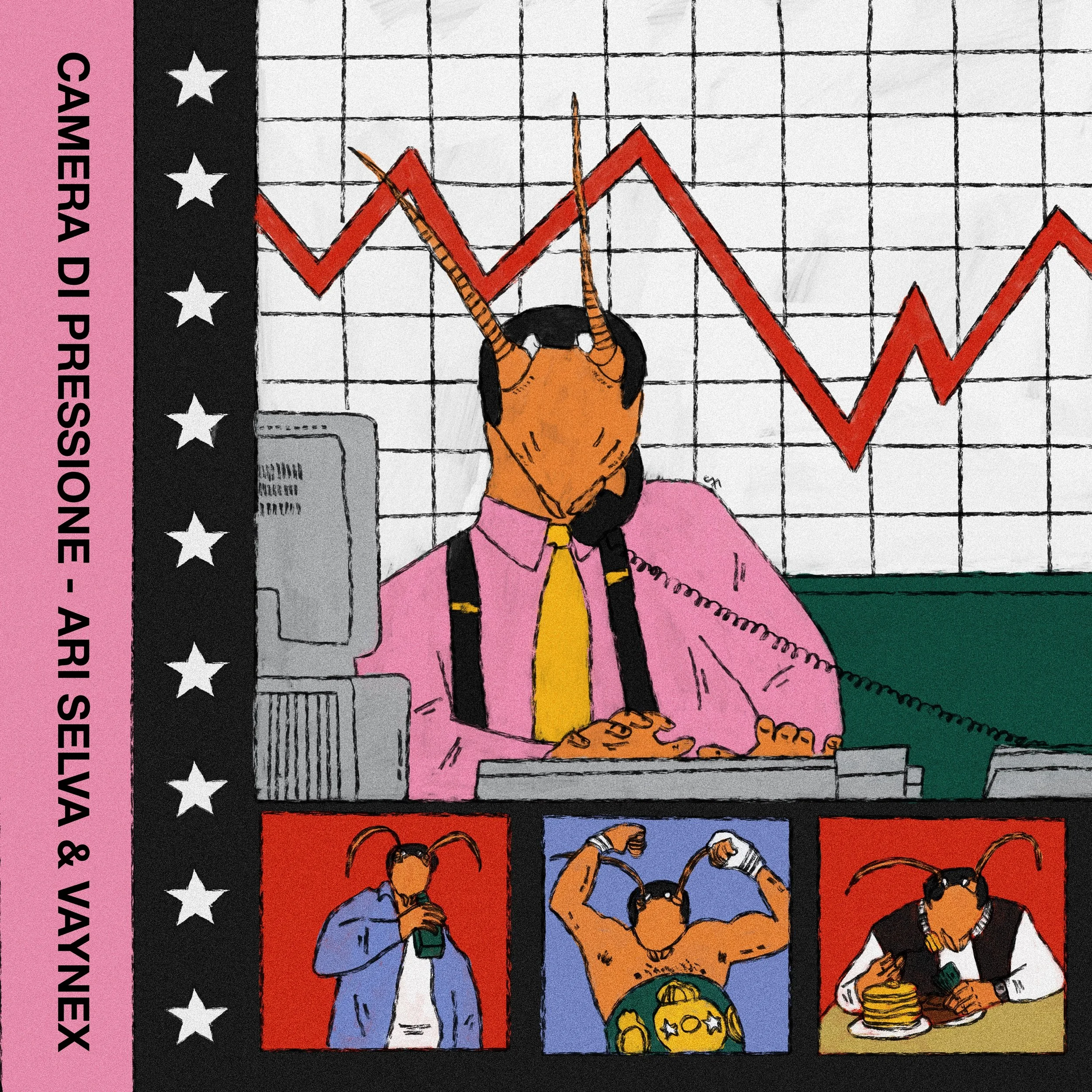
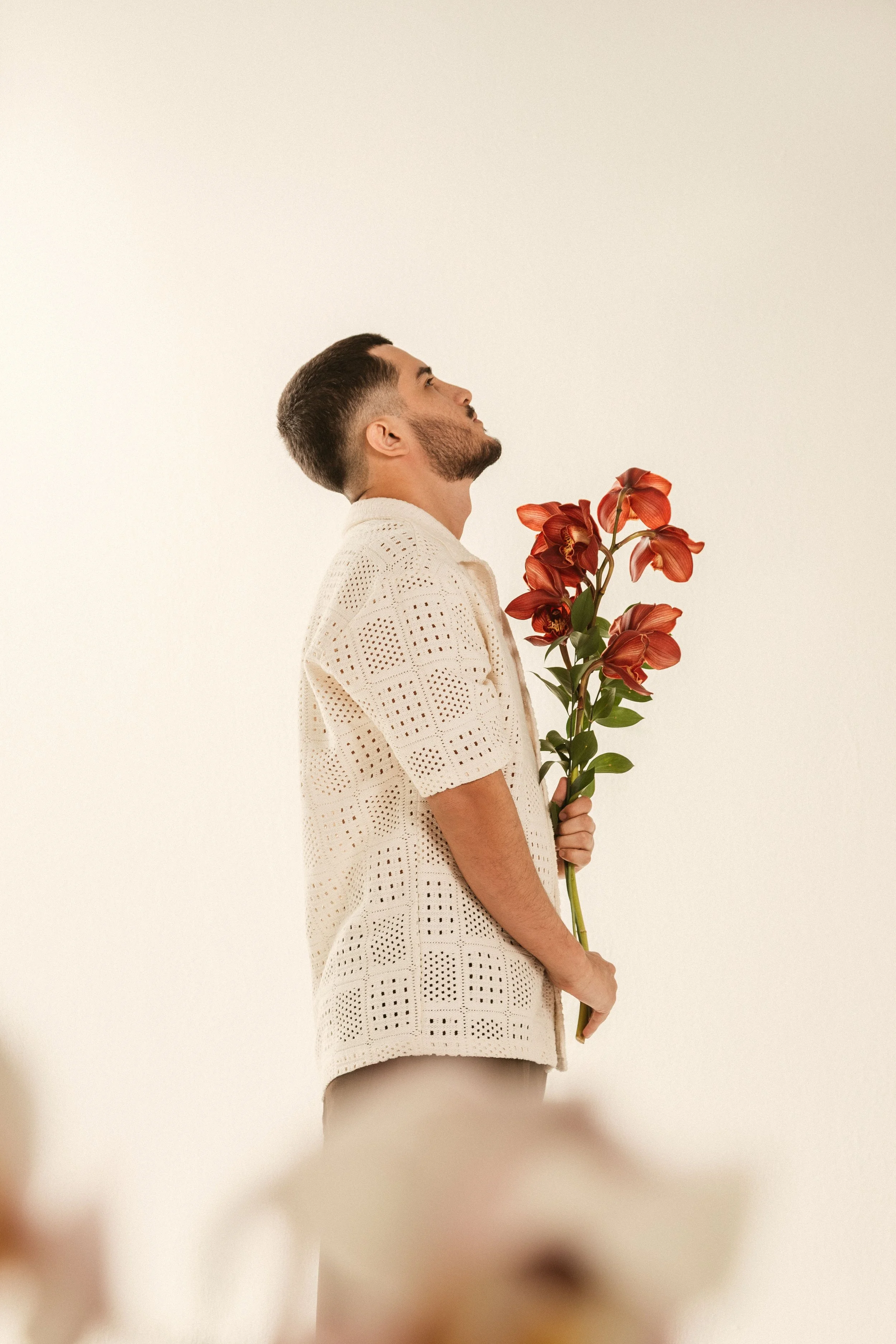
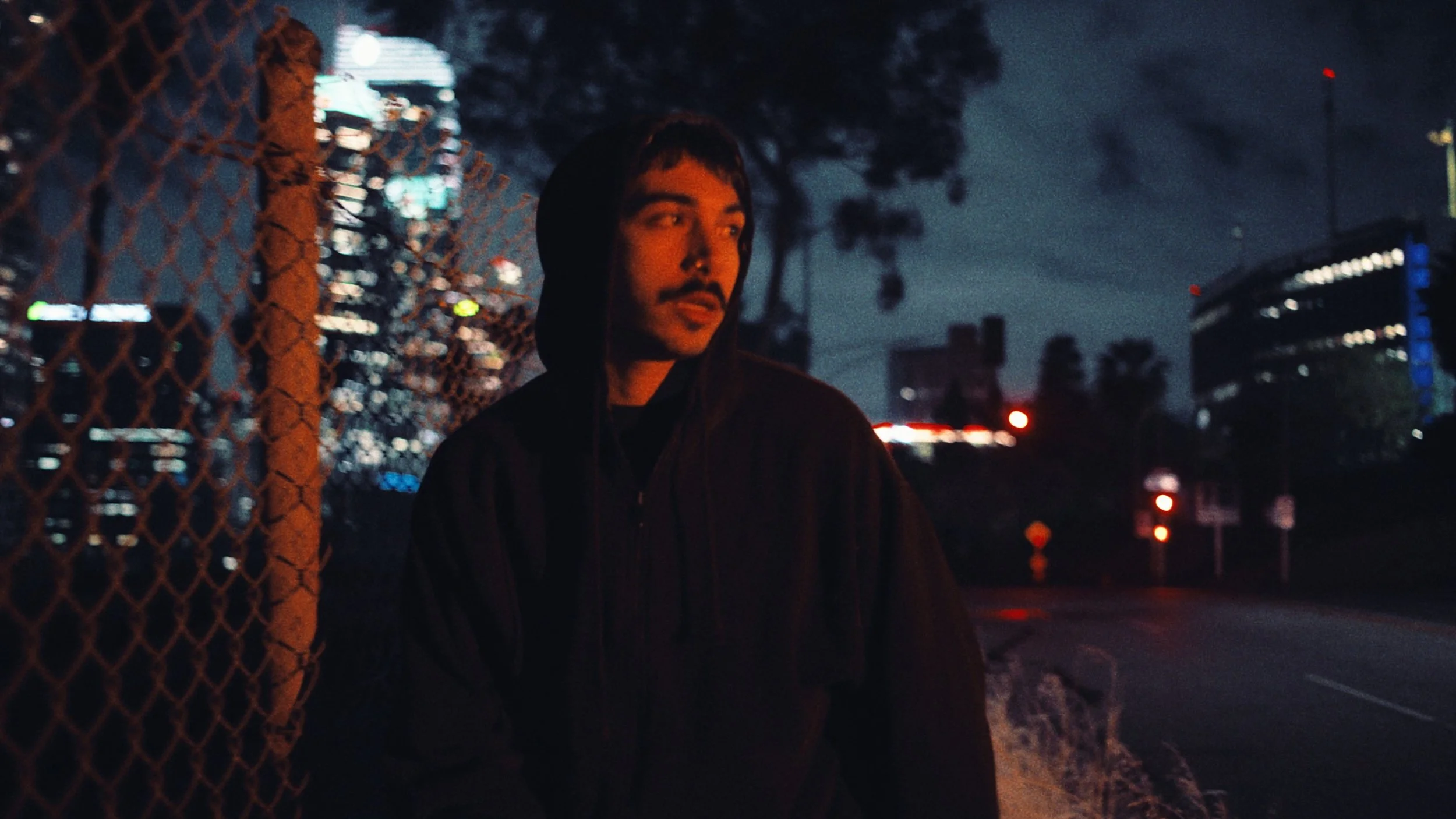
Pressure changes the way a room sounds. Doors feel heavier, silence gets suspicious, and ordinary objects start carrying menace. Italian rapper Ari Selva and Swiss producer Vaynex understand that psychology on Camera Di Pressione, an eight-track collaboration built from dense writing, cinematic production and a constant sense of internal friction. The record is rooted firmly in hip-hop, but it refuses to settle for straightforward boom-bap nostalgia. Vintage drums knock with restraint, soulful synths and piano chords hang in the air like residue, and subtle basslines keep the low end moving without overcrowding the mix. Selva’s Italian-language delivery brings another layer of personality, shifting between laidback charisma, punchy assertion and moments of soaring intensity. Vaynex’s production is equally important to the album’s identity. He leaves grit around the edges, lets certain textures feel worn or imperfect, and uses atmosphere almost like another instrument. On “Siamo In Diretta,” crowd ambience, strange sound effects and an Asiatic-tinged synth turn the song into something theatrical before the old-school drums lock in. “Niente Che Mi Tenga” moves toward a more soulful register with guitar sampling and pumping percussion, while “La Veglia” keeps things linear and mid-tempo, creating a colder, more severe frame for Selva’s imagery. “Lo Scarafaggio” sinks even deeper into gloom, using dusty drums, synth and subtle bass to create tension through repetition rather than force.
That tension is where the duo become most interesting. Selva’s writing is packed with sharp images, dark humour, everyday detail and sudden philosophical detours, while Vaynex gives those ideas just enough space to breathe without losing momentum. “Enclave (L’Ora D’Aria)” punches harder, driven by a sick organ-synth figure and more animated drums, giving Selva room to sound defiant and almost confrontational. “Piromani” keeps the rhythmic energy but shifts the emotional temperature, folding intimacy, waiting, memory and exhaustion into a more reflective frame. Then “Sulla Punta Della Lingua” changes the texture again, opening with heavy pads and lo-fi percussion before developing into something smoother and almost R&B-adjacent. Selva’s voice follows that movement, keeping its grit while drifting closer to melody. The sequencing works because the album never confuses cohesion with sameness. Each beat feels like part of the same world, yet the room keeps changing shape: one track is smoky and crowded, another stark and exposed, another almost tender. Vaynex understands that cinematic production does not always need oversized drama. Sometimes a worn synth, a restrained kick, or a strange ambient detail can do more psychological work than a wall of sound. By the time “La Siberica Scilla” arrives, the album has already stretched its vocabulary without breaking character. Its soulful production keeps the hip-hop core intact while allowing Selva to move between rapping and singing, closing the project with a looser sense of motion.
Across all eight tracks, Camera Di Pressione feels less like a collection of songs and more like a pressurized environment built from memory, irritation, humour and survival instinct. The strongest production choices are often the quietest ones: a synth that sounds slightly corroded, a sample that feels half-remembered, a drum pattern that refuses to overstate itself. That restraint gives Selva’s performance more weight, especially when his delivery shifts from conversational to sharp-edged without warning. The result is a record that feels old-school in discipline but modern in atmosphere. Ari Selva and Vaynex do not chase spectacle; they build tension slowly, let details accumulate, and trust the listener to sit inside the pressure long enough to feel how the walls move.
Enjoyed the read? Consider showing your support by leaving a tip for the writer
TRENDING NOW
CONNECT WITH US






FEATURED


Pressure changes the way a room sounds. Doors feel heavier, silence gets suspicious, and ordinary objects start carrying menace. Italian rapper Ari Selva and Swiss producer Vaynex understand that psychology on Camera Di Pressione, an eight-track collaboration built from dense writing…