
Gracie Convert Unveils “babe pourquoi t’es comme ça?” — A Bilingual Slow-Burn of Love and Lucid Restraint

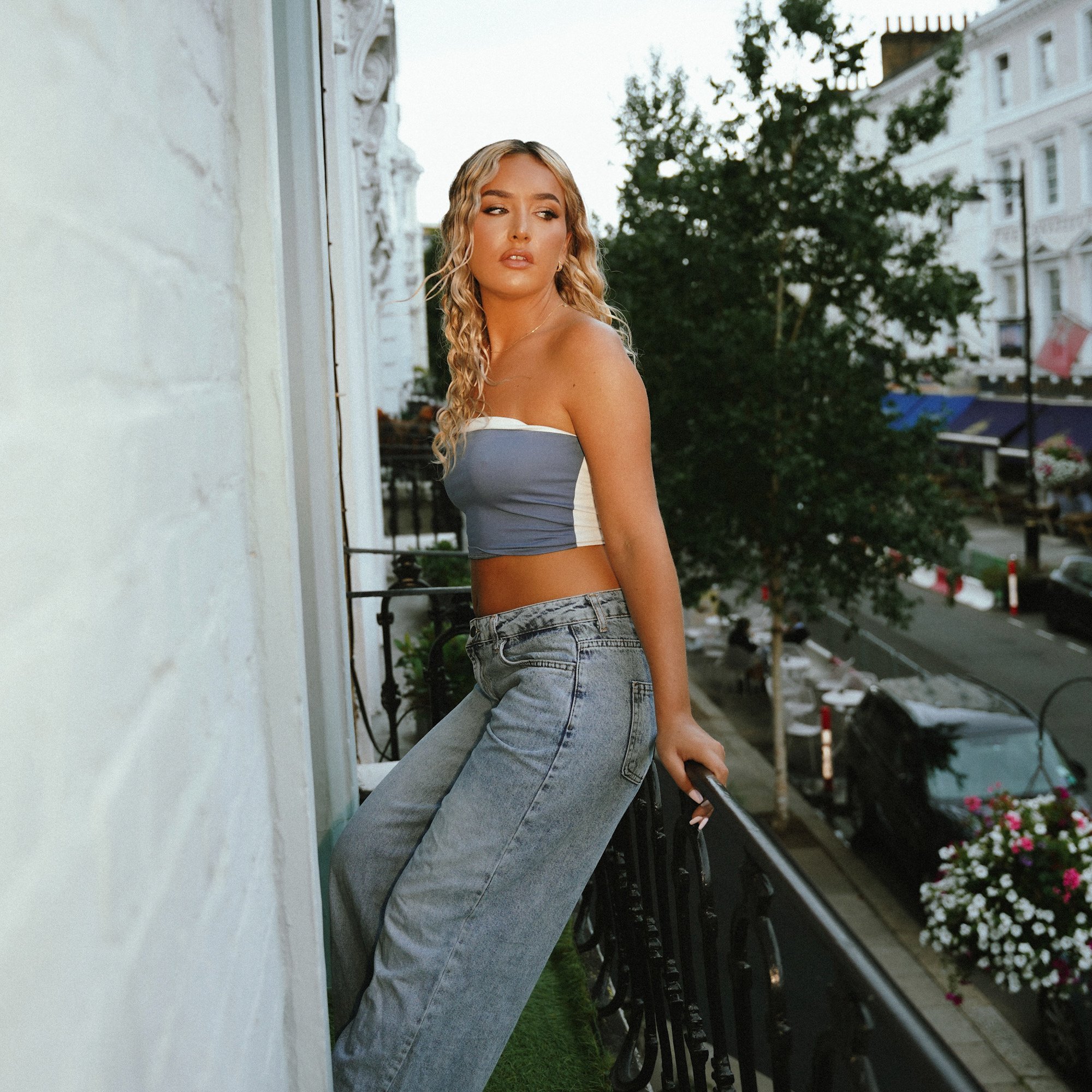
Sparked like a midnight telegram, Gracie Convert releases “babe pourquoi t’es comme ça?”—a bilingual confessional disguised as a lounge mirage. It’s chill, poised, and luminous. The London-based British-French artist, co-producing with Jack Seagal, braids bossa-nova sway with jazzy filigree, then lets woozy synths and velveteen pads breathe between phrases. At first, the piano sketches soft chiaroscuro; later, punchy, well-poised drums enter as if the heartbeat finally catches up to the thought.
Convert’s vocal—sultry, warm, and delicately rasped—whispers questions that the title translates without ceremony: “babe, why are you like that?” Her delivery favors intimacy over spectacle, the tone of someone exhaling truth rather than throwing it. Funk-laced bass licks glide through the mix, giving the melancholy a subtle lift, while bilingual lines flicker like streetlights on wet concrete, guiding the narrative without announcing themselves.
The lyric spirit navigates love, trust, and that small quake named trepidation. Rather than litigate the past, the song observes it—cool-eyed, undramatic, precise. Each chorus opens a window; by the final pass, the air feels lighter, as if the room has remembered how to ventilate itself. You don’t so much listen as recline into it. Shoulders drop; time dilates; the city grows less hostile. Objectively, this is Indie R&B executed with lucid restraint: structure clean, harmonies tasteful, dynamics disciplined. Yet the record’s power lies in its afterglow. When the drums recede and the piano returns to a hush, a solvency remains—the kind only earned by asking the right question softly, and daring to hear the answer.
Enjoyed the read? Consider showing your support by leaving a tip for the writer
TRENDING NOW


CONNECT WITH US





FEATURED



Rob Aspinall builds “Keeps On” from restraint rather than release, letting its emotional weight gather slowly inside a mellow alt-soul framework. The Melbourne artist, multi-instrumentalist and producer shapes the track with soft piano keys, gentle guitar and bass phrases, ethereal pads, and relaxed R&B drums…