
Dax Unleashes Raw Vulnerability and Lyrical Fire in “I Hate That I Love You”


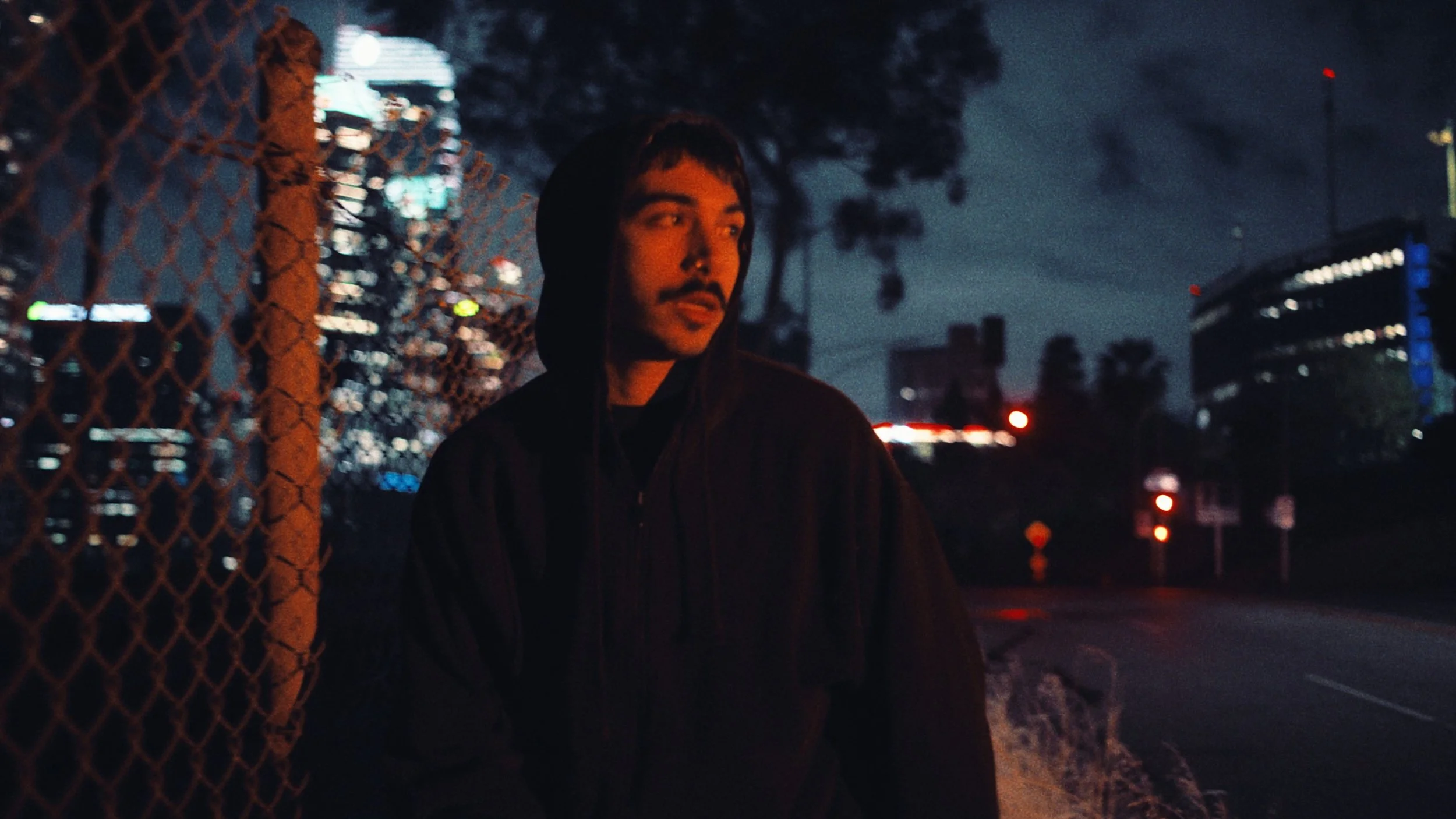
Steak-tartare sorrow meets craft-beer catharsis when Dax’s song “I Hate That I Love You” floods the headphones, a storm of melancholic guitar riffing tethered to a half-time boom-bap skeleton. The Canadian wordsmith lets barbed couplets bleed across the instrumental like arterial paint strokes on a monochrome canvas: each confession coagulates, then drips anew, echoing the cyclical nature of obsession. His flow is both serrated and conversational, vaulting from whispered regret to throat-scorched fury without sacrificing diction, and the refrain lands like a fist wrapped in velvet—soft to the ear, bruising to the psyche.
The production, surprisingly airy for such lyrical gravity, threads nylon-string melancholia through trap percussion, granting listeners a paradoxical levitation even as the narrative sinks deeper. Guitar glissandos pour emotion into the track, and Dax magnifies them with diamond-sharp imagery: kidneys, quicksand, tattoos turned tombstones. One almost tastes metal on the tongue.
Yet perfection wavers. The mix occasionally buries lower harmonics, letting snares cut but leaving bass timid; a stronger low-end punch could have mirrored the thematic weight. Lyrically, the second verse teeters on melodramatic excess—“They could cut off both my arms” feels less vulnerable than theatrically grandiose—threatening to dilute earlier sincerity.
Still, the single succeeds as a cathartic purge masquerading as a chill drive tune. It reminds us heartbreak is rarely tranquil; it is heavy, jagged, necessary. By the final fade, the listener carries a beautifully toxic souvenir: empathetic bruises humming beneath freshly ironed optimism. Play it loud, heal softly, and honour every painful echo with grace.
Enjoyed the read? Consider showing your support by leaving a tip for the writer
TRENDING NOW






CONNECT WITH US



FEATURED



Colombian multidisciplinary artist Laru builds “Contra el río” around a compelling contradiction: resistance expressed through calm. The experimental Afro-fusion single moves with a laidback pulse, yet its internal design suggests constant forward motion. Gentle drums carry a tribal texture without overwhelming…