
American Artist Don’t Date Kate Shapes a Retro-Pop Identity on “Sorry So Sloppy”
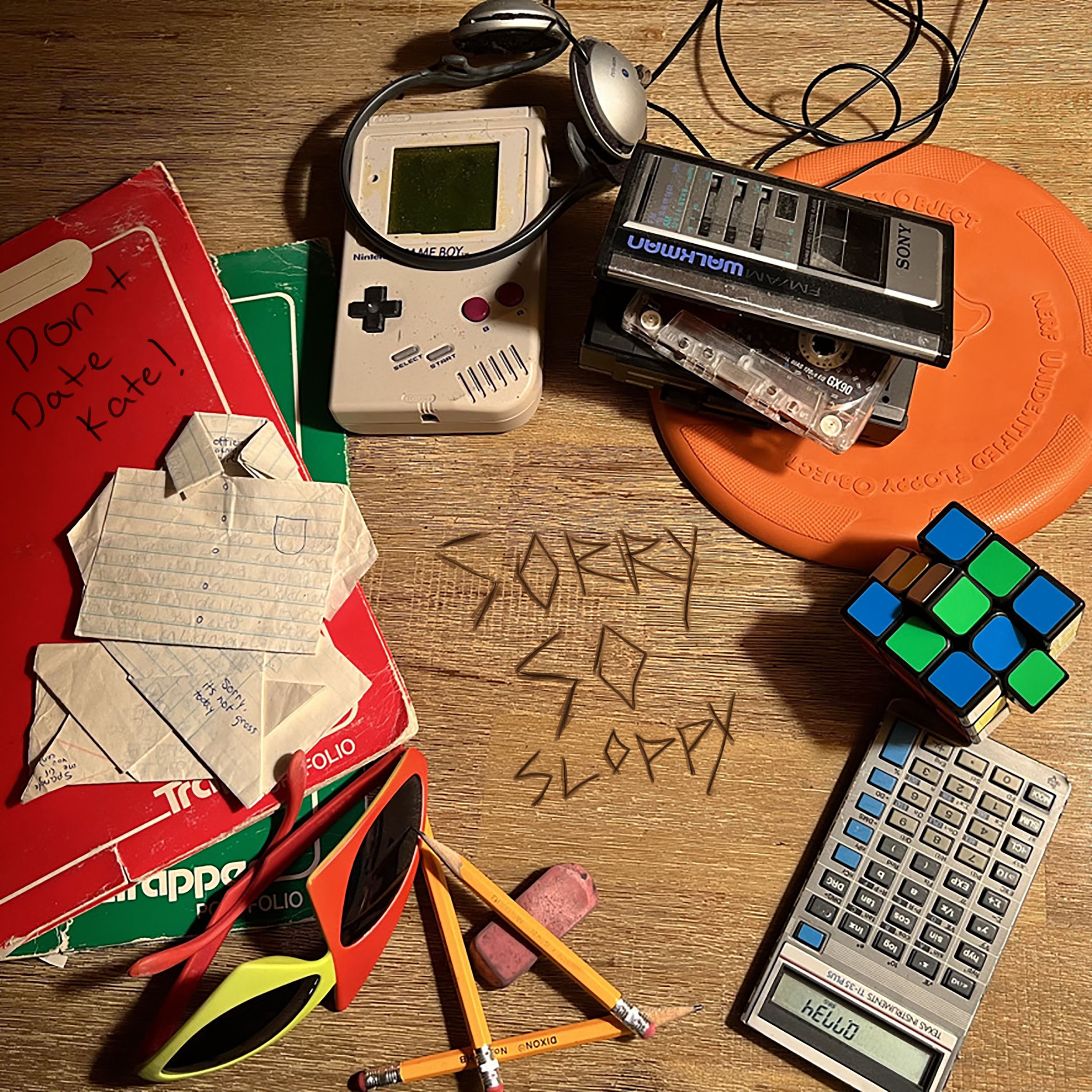
Don’t Date Kate’s Sorry So Sloppy is the kind of album that makes more sense once you stop expecting it to sit neatly inside one genre. Across nine songs and roughly 28 minutes, the American project moves between indie pop, funk, rock, and unmistakable traces of ’80s pop, with synthesizers, basslines, retro drum choices, and eccentric vocal ideas constantly reshaping the mood. The sequencing is intentional, almost resembling a workout: the tempo begins high, pushes upward, then gradually settles into something closer to a cooldown. That approach gives the album momentum even when the songs themselves travel in different stylistic directions. Much of the writing circles around relationships, friendship, and everyday personal interactions, but Don’t Date Kate rarely approaches those subjects with excessive seriousness. There is humor embedded in the project, along with a certain willingness to sound strange, loose, or slightly theatrical. The artist has previously been described as something of a meeting point between Billy Joel and Depeche Mode, largely because of the emphasis on storytelling alongside prominent synth work. It is less a literal sonic comparison than a useful clue to the creative mindset behind the music. Sorry So Sloppy is clearly fascinated with melody, narrative, retro textures, and personality, even if the execution occasionally feels rough around the edges.
That personality becomes particularly visible throughout the album’s first half. “Mushroom Man” immediately brings out the project’s more playful and humourous side, mixing catchy keyboards, funky synth tones, grooving bass riffs, indie-pop drums, and saxophone accents that give the track an animated, almost mischievous quality. The vocals lean into the same lighthearted energy, and the production feels less concerned with perfection than with enjoying the moment. “Supernova” moves into stranger territory, combining playful bass work, plucked sounds, and an intentionally quirky vocal performance. It is probably one of those songs that will divide listeners, but the willingness to experiment is part of its appeal. “Dream I Hold On To” pulls the album more directly toward the 1980s, especially through its instrumental construction. The nostalgic character is easy to recognize, though the vocal performance could have benefited from greater control, stronger melodic phrasing, and cleaner tuning. “Sparks” continues that retro thread with spacious pads, synth layers, and drums that recall older pop production techniques. The songwriting itself is interesting, and there are good ideas inside the arrangement, but more polished engineering and a stronger vocal treatment would have allowed the song to reach its full potential. These imperfections appear throughout the record, yet they also underline something important about Don’t Date Kate: the songs feel made by someone exploring ideas rather than simply chasing a contemporary formula.
Moreover, “Sergeant Major” pushes the album toward old-school rock, while keeping enough indie-pop influence in the arrangement to stop it from feeling entirely nostalgic. The track would benefit from a refined mix and greater separation between its elements, but its energy feels sincere. There is no sense that the performance has been overly manufactured, and that rawness fits an album whose personality depends partly on spontaneity. “Mischivious Eyes” shifts once again, this time leaning into funk with a pop sensibility. Its bassline carries much of the track’s appeal, giving the rhythm a groovy, physical quality that encourages movement almost immediately.
By the time these first six songs have finished, Sorry So Sloppy has already shown most of Don’t Date Kate’s musical vocabulary: retro pop textures, funk rhythms, flashes of rock, humor, storytelling, synth-heavy arrangements, and a willingness to let imperfections remain visible. The vocals and engineering still have room to evolve, but the album is rarely anonymous. That matters. There is a recognizable person behind these songs, with specific tastes, jokes, influences, and creative instincts guiding the experience. Rather than explaining every corner of the record, it feels more appropriate to leave “Wave Riders,” “Mosaic,” and “Once Upon” untouched. Don’t Date Kate has already offered enough clues. The final three songs are better experienced without a map.
Enjoyed the read? Consider showing your support by leaving a tip for the writer
TRENDING NOW




CONNECT WITH US






FEATURED


Wendy Bruner and Christopher Grundy construct “Toward Shalom” around warmth rather than spectacle, allowing its ideas of belonging, completeness, and social acceptance to develop inside an intentionally unvarnished frame. Written by Bruner and Monty Jackson and produced…