
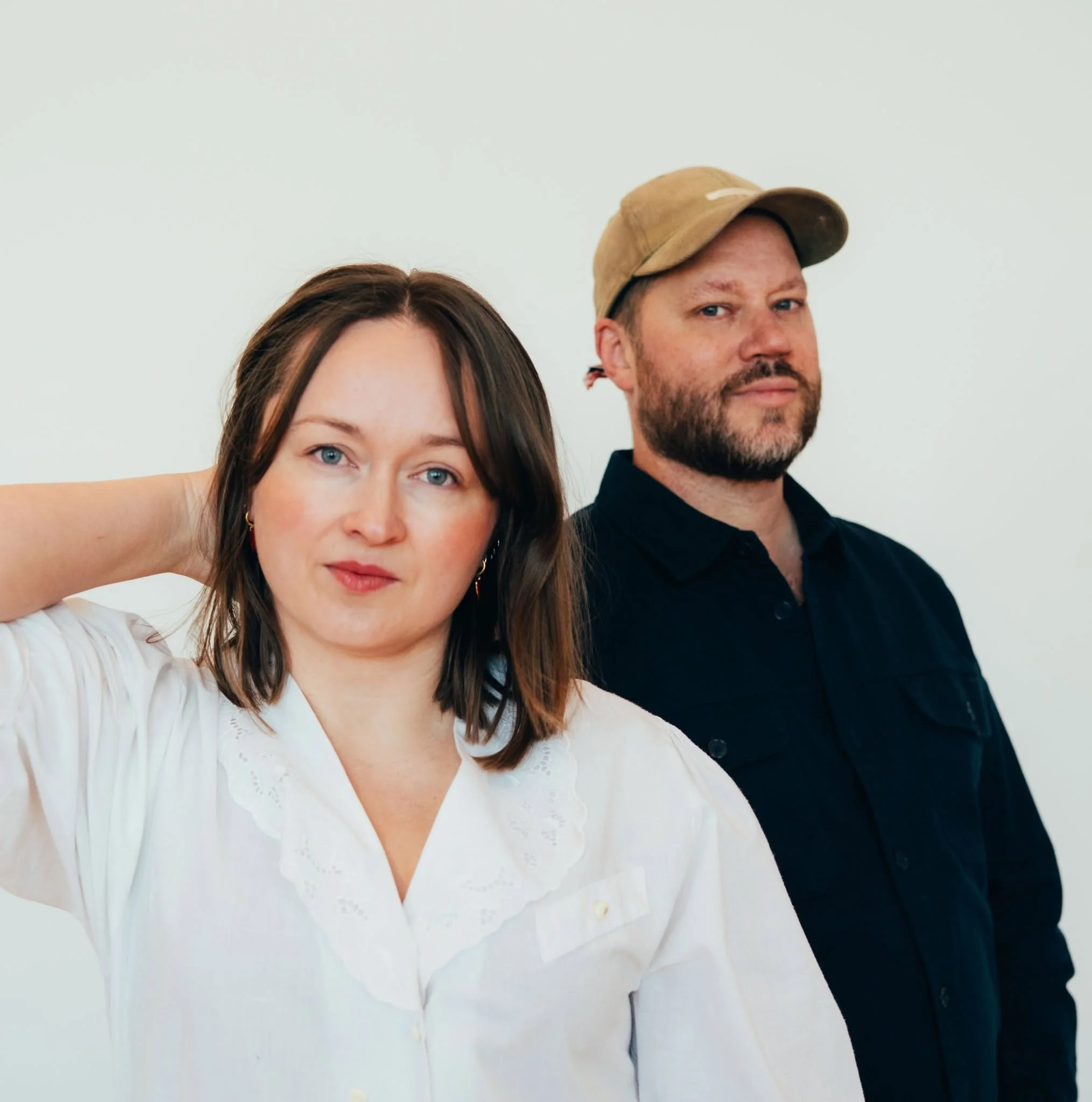
Australian Female Trio PEPTALK Turns Pain Into Shimmering Pop Catharsis on “Bad People”
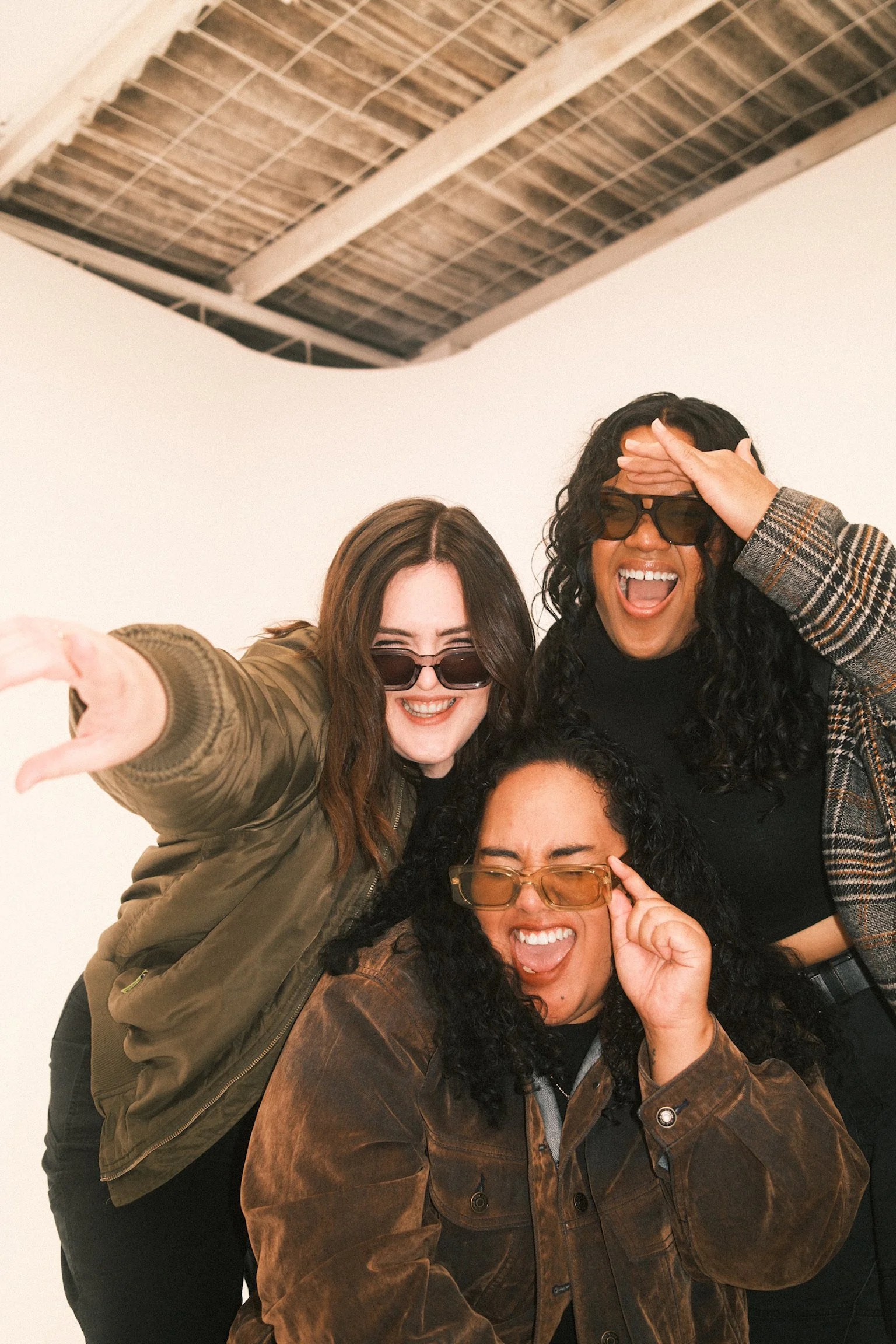

Australian trio PEPTALK turn emotional fallout into shimmering pop catharsis on “Bad People,” a buoyant single that pairs difficult subject matter with an effervescent indie-pop and electro-pop framework. Built around glossy memorable synths, punchy 80s-inspired drums, and a contemporary sheen, the production creates a tension between movement and memory. The song sounds bright for a late-night drive, yet its lyrical core is bruised, unsettled, and intimate. PEPTALK’s vocal performance is central to that contrast: the lead carries a poignant, sultry restraint while layered harmonies widen the chorus and give its central mantra an almost communal quality. Rather than framing the aftermath of a harmful encounter through simple villain-versus-victim language, “Bad People” captures the tangled psychology of self-questioning, misplaced responsibility, and the desperate need to make sense of something that refuses to sit neatly in the past. That emotional ambiguity gives the track far more depth than its radiant surface initially suggests.
Lyrically, the song is effective when it depicts trauma as repetition rather than resolution. References to flashbacks, relocation, sleepless recollection, and being left alone in a hotel room make the narrative feel immediate without turning it into spectacle. The recurring idea that a bad decision does not automatically equal personal fault becomes the song’s emotional anchor, while the repeated insistence on “knowing better” reveals how easily self-blame can survive even when logic says otherwise. By the bridge, PEPTALK arrive at a more compassionate realization: the past cannot be rewound, only reconsidered. That makes the final refrain feel less like denial and more like somebody trying to interrupt an unhealthy internal loop. Musically polished but emotionally raw, “Bad People” succeeds because its upbeat pulse never trivializes the story underneath it. Instead, the contrast makes the vulnerability hit harder, turning a painful reckoning into sleek, melodic pop with emotional afterglow.
Enjoyed the read? Consider showing your support by leaving a tip for the writer
TRENDING NOW



CONNECT WITH US







FEATURED



Laeky’s “caller waiting” is built from emotional exposure, but its production refuses to collapse into fragility. The Australian artist threads syncopated acoustic guitar riffs through understated indie-pop drums, subtle bass, and soft synth textures, creating a frame that feels both restless and suspended. Her sultry, yearning vocal…