Paris WYA Turns Perfectionism into Quiet Defiance on the Indie Pop Single “Mannequin”
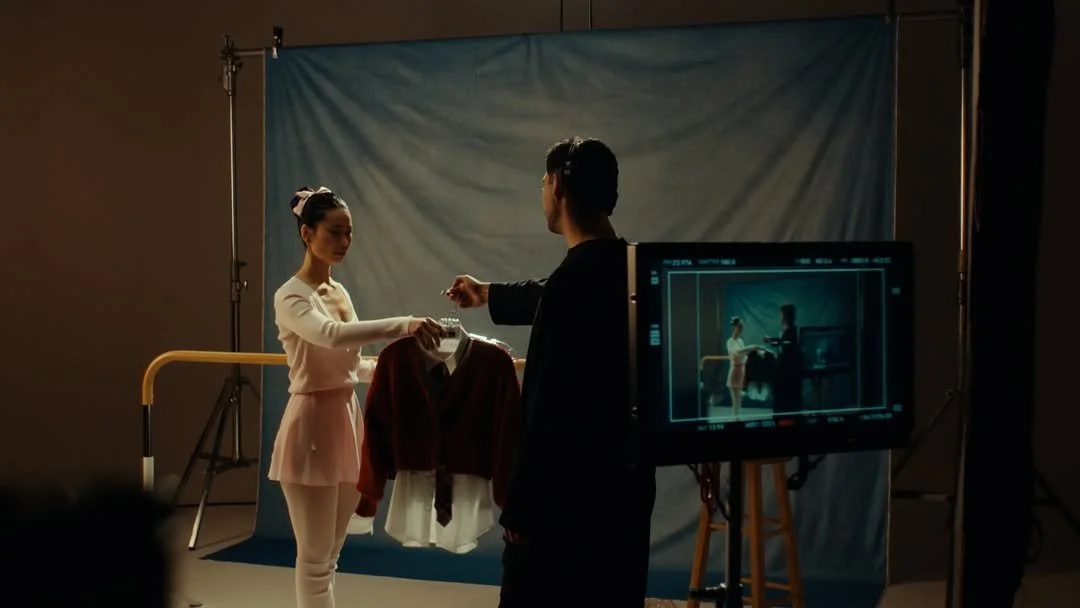
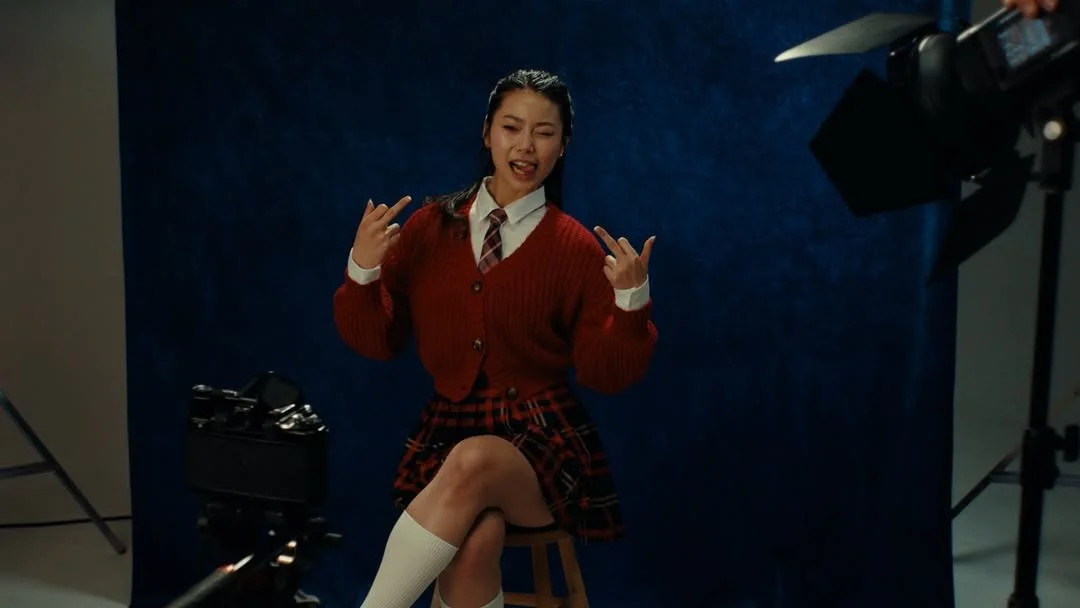
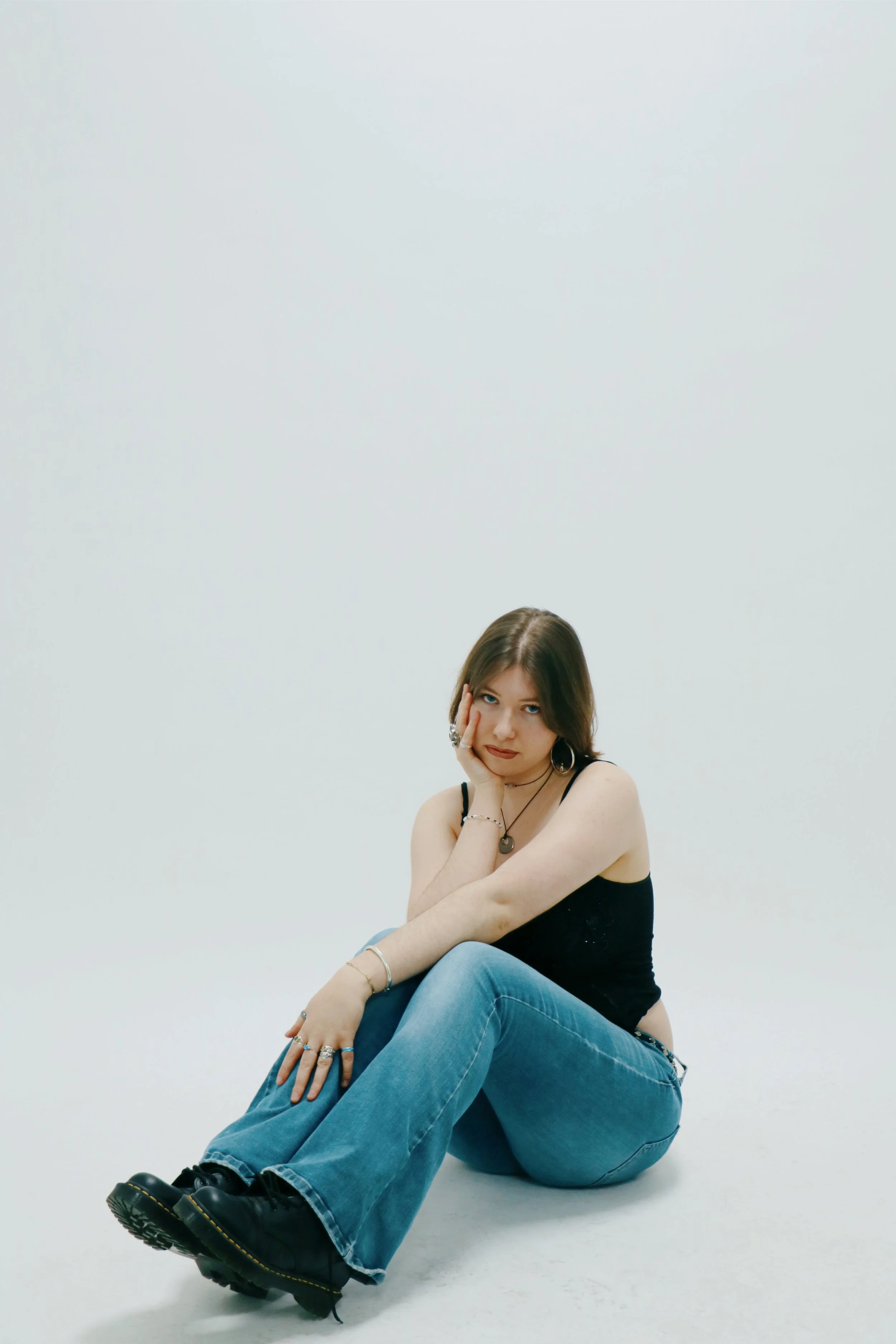
Paris WYA’s single “Mannequin” is indie pop with a quiet pulse and a clear point of view—an unglamorous confession wrapped in something glossy enough to sting. Globally raised and artistically multidisciplinary, she uses the single as a self-portrait of life under polish: the pressure to be impressive, composed, and “perfect,” even when that perfection starts to feel lifeless. The song’s core idea is immediately relatable without being generic—existing on display, shaped by expectations, then slowly realizing you’ve been performing a version of yourself that doesn’t actually fit. With graduation and a full pivot toward music on the horizon, “Mannequin” carries the tension of an in-between chapter: not broken, just ready to be rewritten.
Sonically, the track matches that emotional posture with restraint. Gentle guitar riffs form the foundation, warm and patient, while Paris’ velvety, silky vocals sit confidently in the mix, never forcing intensity, just letting the meaning accumulate. The laidback drums add edge in a measured way—enough snap to keep the song from drifting into daydream territory, but still soft enough to preserve its calm. What stands out most is her control: she delivers the lyrics like someone finally naming a feeling they’ve been carrying for years. There’s also a visual-minded elegance to the record—no surprise given her ties to fashion and art—yet it never feels like aesthetic for aesthetic’s sake. “Mannequin” works because it’s personal, specific, and quietly defiant: a polished song about refusing to stay polished into someone else’s shape.
Enjoyed the read? Consider showing your support by leaving a tip for the writer
TRENDING NOW
Grief has a way of sanding life down to its barest grain, until only the essential remains—breath, belief, and the quiet insistence to keep going. Annie Whitson steps into that stripped-back clarity on “You Alone (Worthy),” an Adult Contemporary devotion…
A long-distance love is basically Wi-Fi for the heart: the bars look good until the signal starts acting up. That’s the tension Elle Murphy bottles on “Time Zone,” a laidback Alternative R&B cut that still moves with purpose, and the first flag planted…
Matt Storm’s “words don’t describe” arrives with the calm confidence of an artist who knows silence can be part of the arrangement. Landing somewhere between Alternative R&B and indie pop, the single borrows a 90’s-leaning psych-rock…
Jamie Fine’s new single “good things come in two’s” is built like a neon-lit room with clean sightlines: every element is placed to make impact fast, then linger. The electric guitar riffs function as the track’s steel beams—bright, angular, and repetitive in a way that stabilizes the whole structure…
Paris WYA’s single “Mannequin” is indie pop with a quiet pulse and a clear point of view—an unglamorous confession wrapped in something glossy enough to sting. Globally raised and artistically multidisciplinary, she uses the single as a self-portrait…
Kojo Kay’s “THE BOYZ ALL WENT TO JUPITER” plays like a late-night transmission from the edge of the city—half flex, half fever dream. The Canadian artist steps into hip hop’s weirder corners and pulls cloud-hop textures into a track…
A cracked bell can still summon the whole village; its beauty simply arrives with a bruise in the tone. David Hobbes’ “Tomorrow Man (EP)” kind of carries that same lived-in resonance — not immaculate, not overly perfumed, but strangely persuasive because of its imperfections…
Molly Valentine’s “Mannequin” arrives with the kind of debut confidence that feels fully imagined rather than merely promising. The UK artist introduces herself through a piece of alt-pop theatre that is lush, dark, and emotionally poised, balancing…
Kiki Rowe’s “Fool” lands with the kind of smooth confidence that doesn’t need to raise its voice to be heard. The Mississauga native has been building a reputation as a true double threat—equally comfortable shaping a song from the writing…
Mathias Julin’s “Could You Lie” is engineered as a slow-opening room: piano keys placed up front like soft furnishing, slightly melancholic in tone, inviting you to sit with the uncertainty before the track widens. The arrangement understands pacing…