
Luke Armstrong Turns Masculine Vulnerability Into Bright Indie Pop on “Boys Don’t Cry”
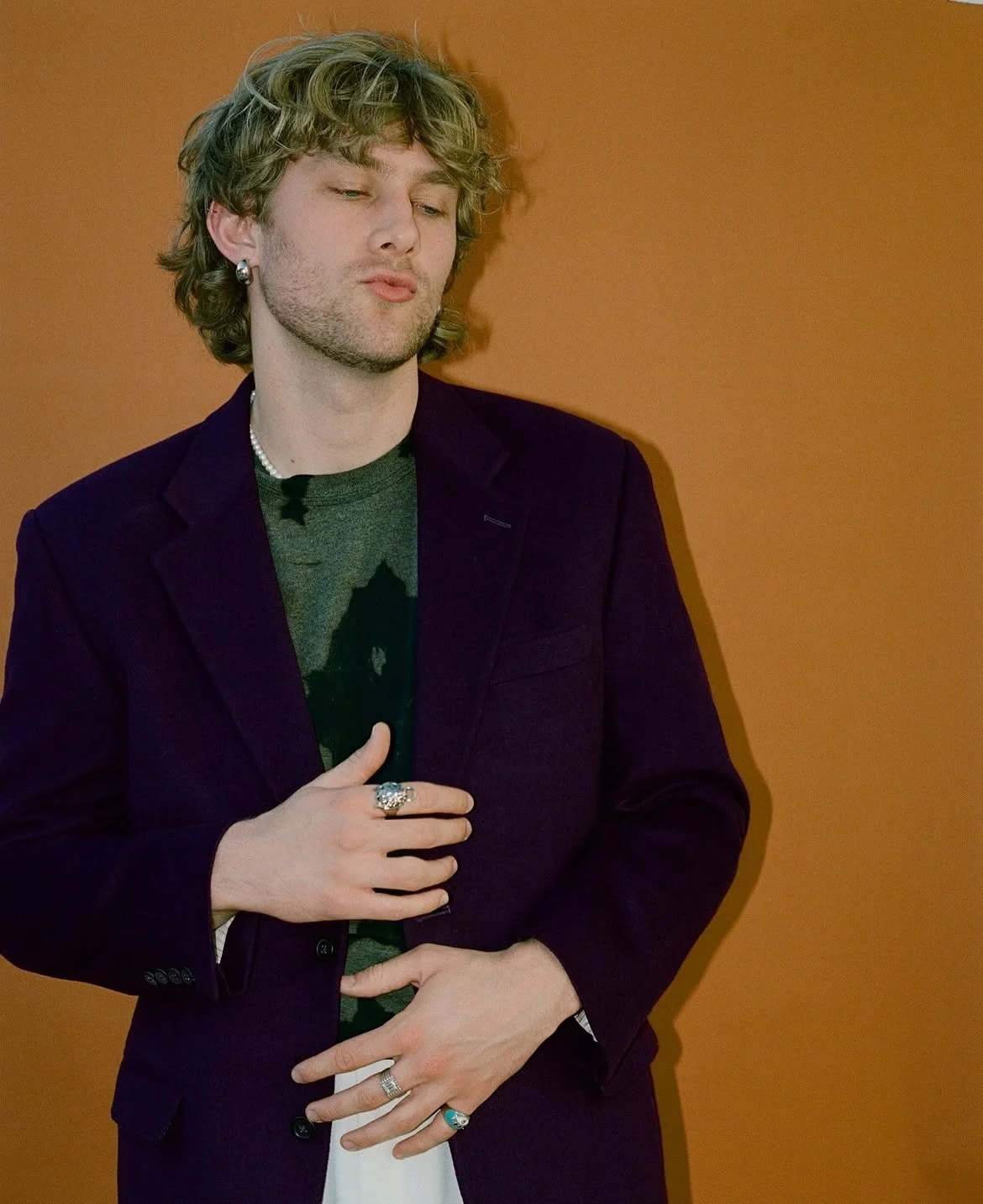
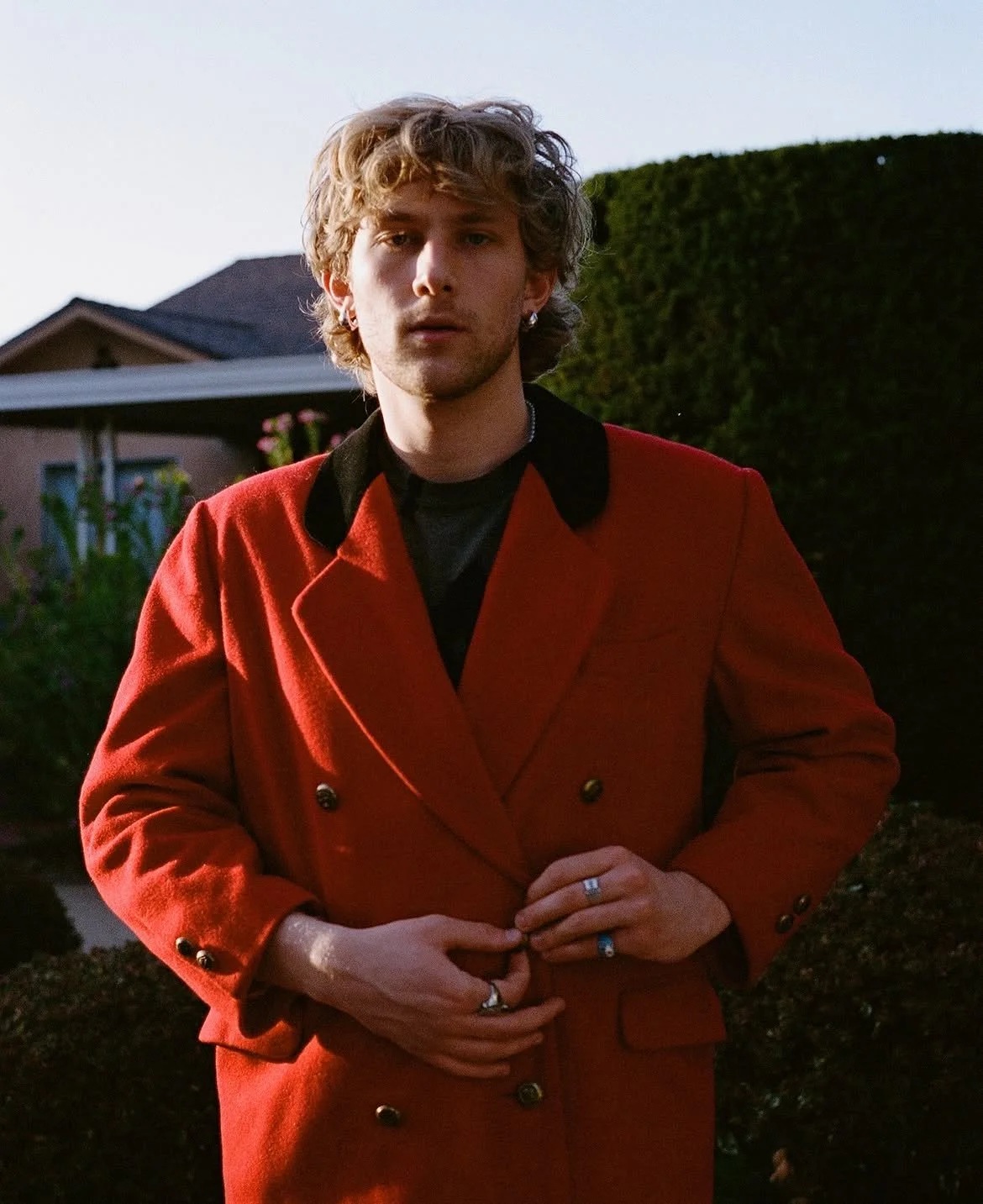
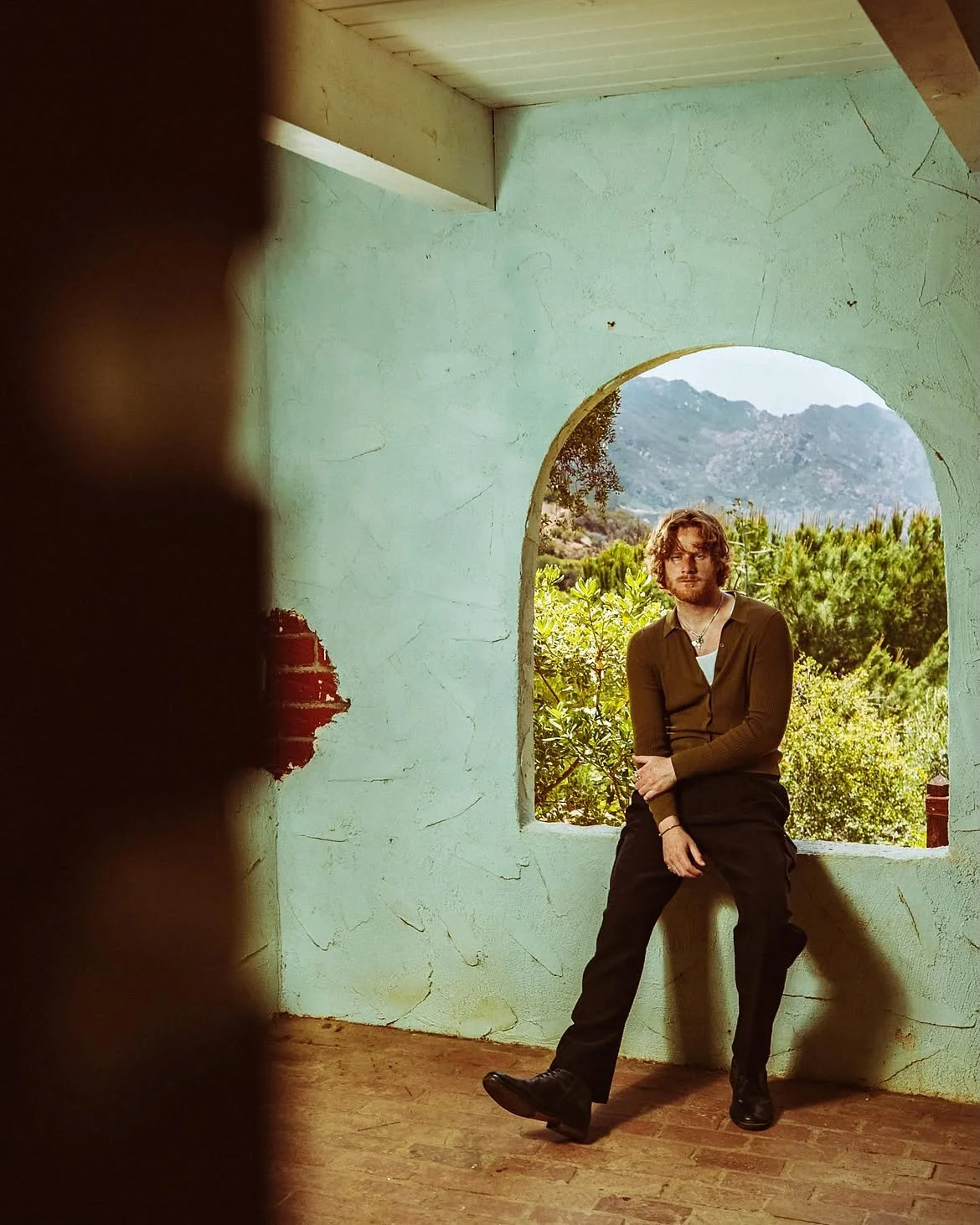
Luke Armstrong’s latest single “Boys Don’t Cry” unveils as an indie-pop single built with polish, velocity, and emotional architecture, turning private conflict into something bright enough to move through a room. The Beirut-raised, Los Angeles-based artist frames the track around an upbeat pulse, but its surface glow is carefully engineered rather than casually cheerful. Catchy piano keys act like light striking glass, giving the song its immediate melodic geometry, while guitar riffs cut through with clean, rhythmic edges. The drums keep the structure in motion, crisp and buoyant, allowing the production to feel celebratory without flattening the gravity beneath it. Armstrong’s sultry, silky vocal delivery becomes the central design element: smooth enough to glide across the groove, yet tense enough to suggest the emotional pressure behind every phrase. As the spotlight single from his forthcoming debut EP of the same name, “Boys Don’t Cry” introduces an artist interested in contrast: pleasure against shame, movement against memory, softness against the inherited rigidity of masculinity.
Lyrically, “Boys Don’t Cry” studies vulnerability as both wound and rebellion. Armstrong takes the familiar phrase and fractures it, exposing the exhaustion inside emotional performance. Lines such as “I don’t really know how to fake it” and “Hold me closer than the Holy Ghost” give the track its sharpest emotional architecture, placing intimacy, faith, and self-recognition inside the same charged room. The religious imagery is not decorative; it functions like a pressure point, revealing how belief, desire, guilt, and longing can occupy one body at once. Yet the song refuses to collapse into heaviness. Its groove transforms avoidance into admission, and admission into release. The chorus carries the brightness of pop craft, but the feeling underneath is more complex: a man learning that freedom may begin where performance ends. With “Boys Don’t Cry,” Luke Armstrong does not simply reject an old masculine script; he redesigns it into rhythm, color, and breath.
Enjoyed the read? Consider showing your support by leaving a tip for the writer
TRENDING NOW





CONNECT WITH US






FEATURED



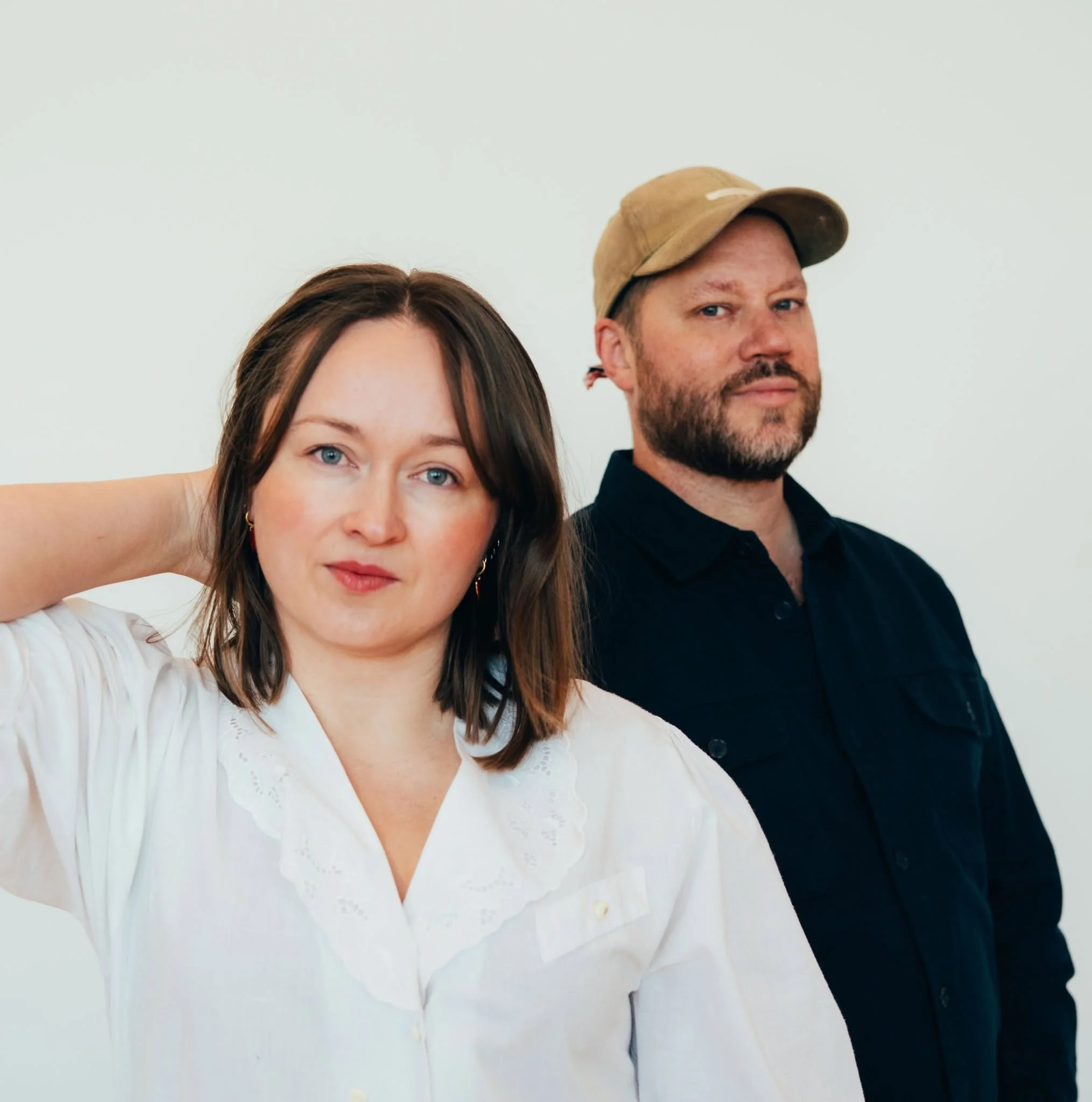
Amistat build “everything in between” from small gestures: breath, friction, restraint, and the quiet pressure of two voices moving as one. The American Indie Folk project is chill, laidback, and vintage in surface tone, but its emotional structure is more exact than casual…