
Grant Maloy Smith Brings Americana Storytelling to Life on WILD WEST: AMERICAN STORIES
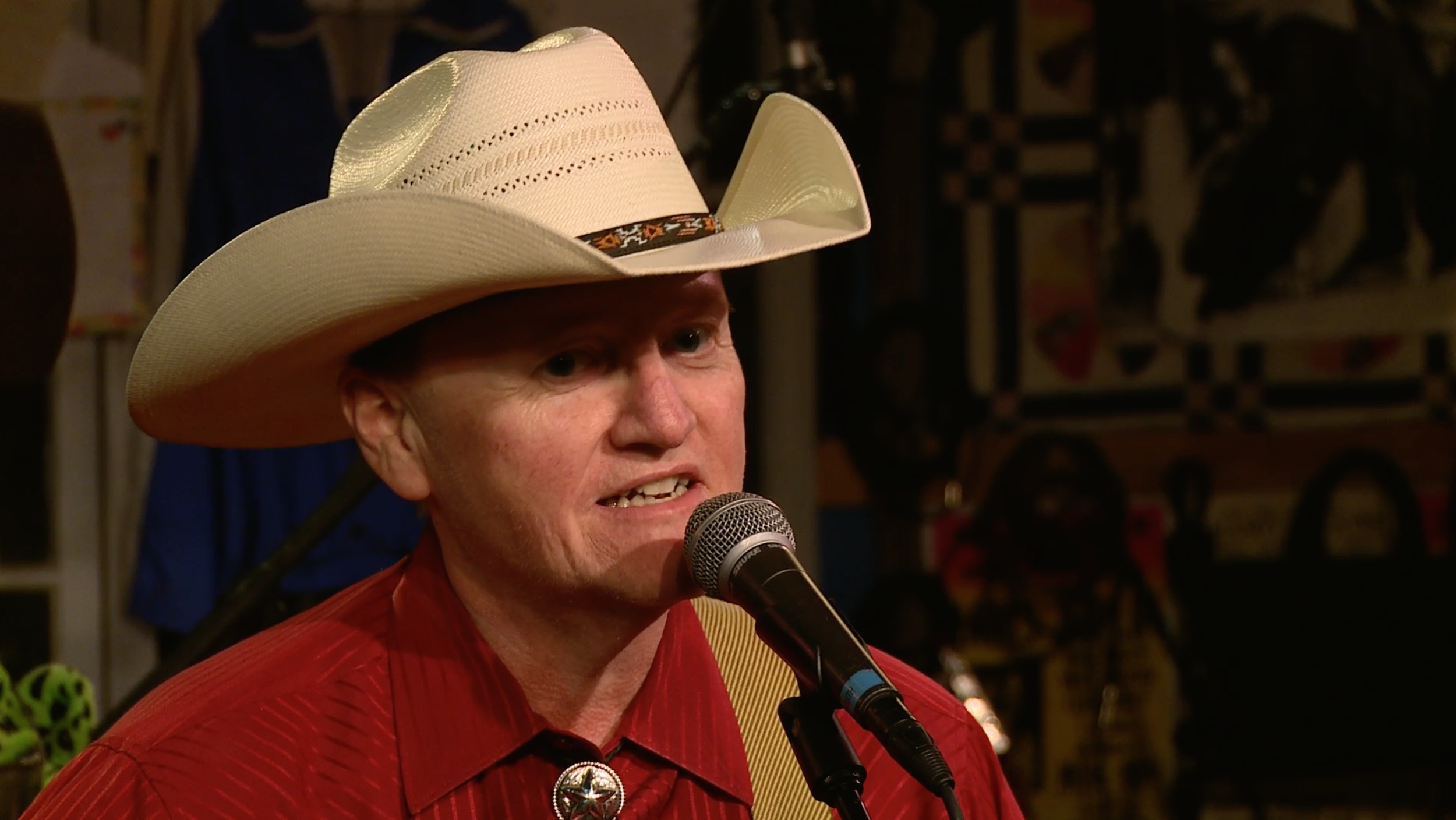
Dust has a memory, and on WILD WEST: AMERICAN STORIES, Grant Maloy Smith lets that memory rise slowly through strings, wood, weather, and voice. The American artist’s 18-song Americana and Folk album moves with the patience of an old landscape painting coming alive under late afternoon light: chill in its pacing, vintage in its coloring, yet emotionally alert in every frame. Built as both a double album and a companion to a hardcover book written and illustrated by Smith, the project looks toward the 19th-century American frontier not as decoration, but as a living archive of hunger, migration, belief, violence, grief, and endurance. Across the opening stretch, Smith writes and produces with a storyteller’s eye, letting banjos, mandolins, fiddles, acoustic guitars, keyboards, pedal steel textures, and folk-rooted rhythm sections become more than instruments; they become lanterns held up to history. “Go West Boys” begins with banjos, mandolin, fiddle flashes, Americana drums, and a vintage blues-touched delivery, turning the westward dream into something bright but rough-edged. Its chorus carries the pull of open land, yet the verses keep the mud, rent, low pay, and restless dissatisfaction close enough to feel human. This is not a clean postcard. It is a wagon wheel leaving marks.
The album’s songwriting becomes more cinematic as Smith widens the lens. “Voice on The Wind” softens the ground with acoustic guitar, Native-textured melodic gestures, subtle percussion, and a female vocal performance filled with longing, nostalgia, and quiet ancestral gravity. Written as a fictional account inspired by Sacajawea, the song moves like moonlight over water, especially through images of rivers, mountains, stars, a child carried on the back, and a woman walking between worlds. “Come and Take It” shifts the color palette toward defiance, layering acoustic guitars, mandolin, Americana violin, fiddle, and slightly upbeat percussion under a country-leaning vocal delivery. It gives the Texas independence story a rallying pulse, not by overdramatizing it, but by letting the phrase itself become a cinematic object: a cannon, a challenge, a line in the dirt.
Then “Tear Trail” lowers the temperature. With acoustic guitar, laidback drums, and soaring reverberant country vocals, it recounts forced removal through the perspective of John Burnett, carrying shame, witness, and sorrow into a stark folk lament. The writing is direct, almost painfully so, allowing images of cages, winter sky, children, sickness, and death to enter without ornamental distance. Tatiana’s camera would linger here: the frame trembling, the light grey, the silence after each chorus heavier than the drums.
By “Wagon Train,” Smith lets motion become destiny. Acoustic guitar riffs, ethereal strings, fiddles, laidback drums, and gritty country vocals recreate the danger of homesteaders moving westward after the Louisiana Purchase, with the lyrics carrying heat, cholera, storms, broken wagons, river crossings, and desperate dreams across a vast emotional horizon. “Good Lord, My God” brings gospel texture into the album’s bloodstream, opening in a calm devotional space before blooming into a more animated arrangement with electric guitar, acoustic guitar, and upbeat drums. It is a faith song, but not polished into easy comfort; its power comes from a man reaching upward from self-doubt, suffering, and spiritual exhaustion. “Elizabeth, My Woman” then turns the frontier inward, using acoustic guitar, violin, gritty lead vocal, and gentle harmonies to shape a widower’s love song into one of the album’s most intimate early portraits. The grief is domestic and enormous: sunrise, children’s voices, candlelight, gardens, barns, and a missing woman woven into the prairie itself. Across these first songs, WILD WEST: AMERICAN STORIES proves that Grant Maloy Smith is not merely arranging Americana and Folk around historical subjects; he is staging emotional rooms inside them. The remaining tracks are best left for listeners to uncover on their own, because this album understands discovery as part of its ritual. It belongs to those who like vintage storytelling, careful musicianship, frontier imagery, and songs that feel carved from wood, dust, prayer, and distance. Album is available here
Enjoyed the read? Consider showing your support by leaving a tip for the writer
TRENDING NOW






CONNECT WITH US







FEATURED



Taz Bentii builds “TAGS” like a pressure chamber designed for motion. The Ottawa rapper anchors the track in booming 808s, murky synth textures, and drums carrying a distinctly Atlanta-influenced swagger, giving the record both weight and elasticity. Rather than overcrowding…